





 Português
  Inglês
  Espanhol
 3 min de leitura
  0 comentários


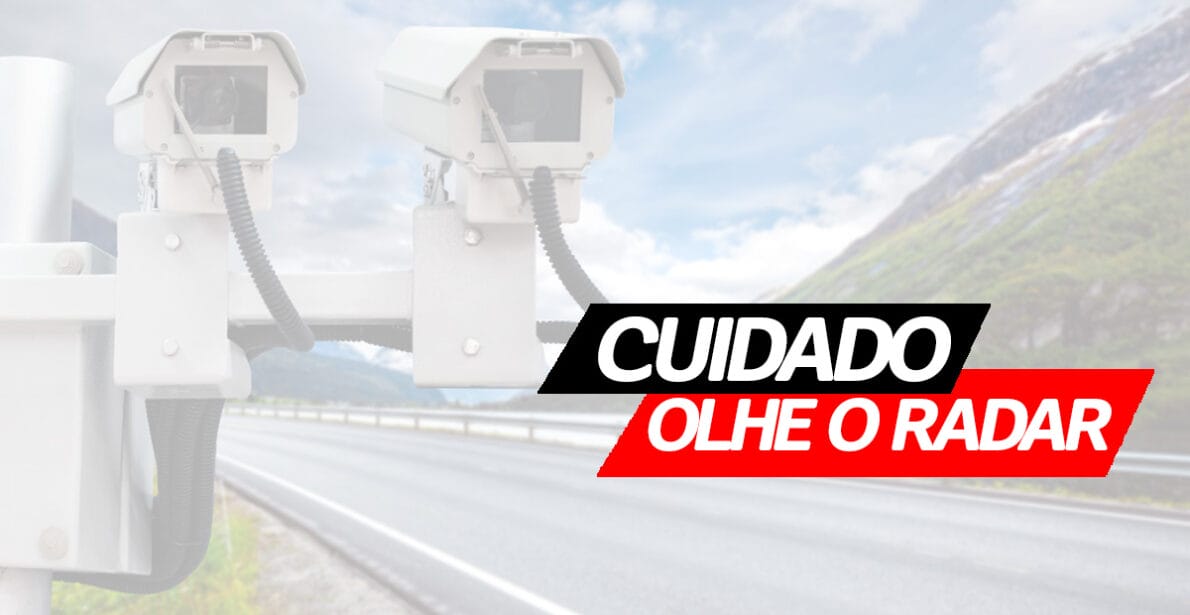
Get Ready for Changes on the Highways of São Paulo! With 649 New Radars, the Government Promises to Increase Safety and Reduce Fatal Accidents. But Is That All? Understand the Impact of These Measures and How They Can Affect Traffic in the State.
If you are a driver in São Paulo, get ready for some news! The state, which has been operating without traffic enforcement radars for months, is about to receive a significant amount of these devices.
The government of Tarcísio de Freitas announced the installation of 649 new radars by January 2025. But is this measure solely aimed at increasing safety on the roads, or is there more behind this initiative?
According to the government announcement, the new radars will be installed on the highways managed by the Department of Highways (DER).
-
Brazilian city gains industrial hub for 85 companies that is equivalent to 55 football fields.

-
Peugeot and Citroën factory in Argentina cuts production by half and opens a layoff program for more than 2,000 employees after Brazil drastically reduced purchases of Argentine vehicles.

-
A Brazilian city gains a factory worth R$ 300 million with the capacity to process 200 thousand tons of wheat per year, a mill of 660 tons/day, silos for 42 thousand tons, and an industrial area of 276 thousand m².
-
OMODA & JAECOO grows in Europe in 2026 with an integrated strategy of sales, innovation, local production, and technological advancement in the United Kingdom, Italy, and Spain.


The publication in the Official Gazette on August 5, 2024, confirmed the measure. The complete list of highways that will receive radars and exact locations can be found on the DER website.
A New Era of Traffic Enforcement on Highways
The administration announced the purchase of the equipment during an event at the Palácio dos Bandeirantes in November last year, highlighting the importance of the measure within the activities of Maio Amarelo, a month dedicated to raising awareness about road safety.
Since March of this year, São Paulo’s highways have been without traffic enforcement radars due to the expiration of previous contracts and the waiting for a new bidding process. Only the privatized highways, managed by concessionaires, have government-operated equipment.
Transparency in the Installation of New Radars
The DER superintendent, Sergio Codelo, emphasized transparency in the implementation of the new radars. “I don’t want radars to collect revenue,” Codelo stated, emphasizing that the devices will be in visible locations, signposted, and identified in traffic apps like Waze.
The Relationship Between Speed and Accidents
Traffic experts unanimously agree that high speeds are directly associated with a higher fatality rate in accidents. The installation of the radars aims, therefore, to reduce speed on highways and, consequently, the number of serious accidents.
New Measures to Increase Safety
In addition to the installation of new radars, the government announced in May the revamping of Infosiga, the state system that records, classifies, and geolocates traffic accidents with victims. The tool is essential for studies on traffic fatality.
With the update of Infosiga, the government aims to provide detailed data to municipalities to identify dangerous spots on roads and in cities and implement more effective safety measures.
Return of the Publication of the Traffic Accident Yearbook
Another important measure announced by the government is the resumption of the publication of the Traffic Accident Yearbook, which São Paulo has not released for eight years. The yearbook is a crucial statistical and analytical compilation for planning road safety actions.
In 2023, the yearbook recorded 14,389 traffic accidents on the road network managed by the government, a 6.5% reduction compared to the 15,389 cases in 2022. However, the number of fatalities in these accidents remained virtually unchanged, with 661 deaths in 2022 and 662 in 2023.
With the installation of new radars, will we really see a significant decrease in accidents and deaths on São Paulo’s highways? Or will this measure be seen merely as a way to increase state revenue? Share your thoughts in the comments!









Seja o primeiro a reagir!