





 Portuguese
  English
  Spanish
  4 min of reading
  0 comments


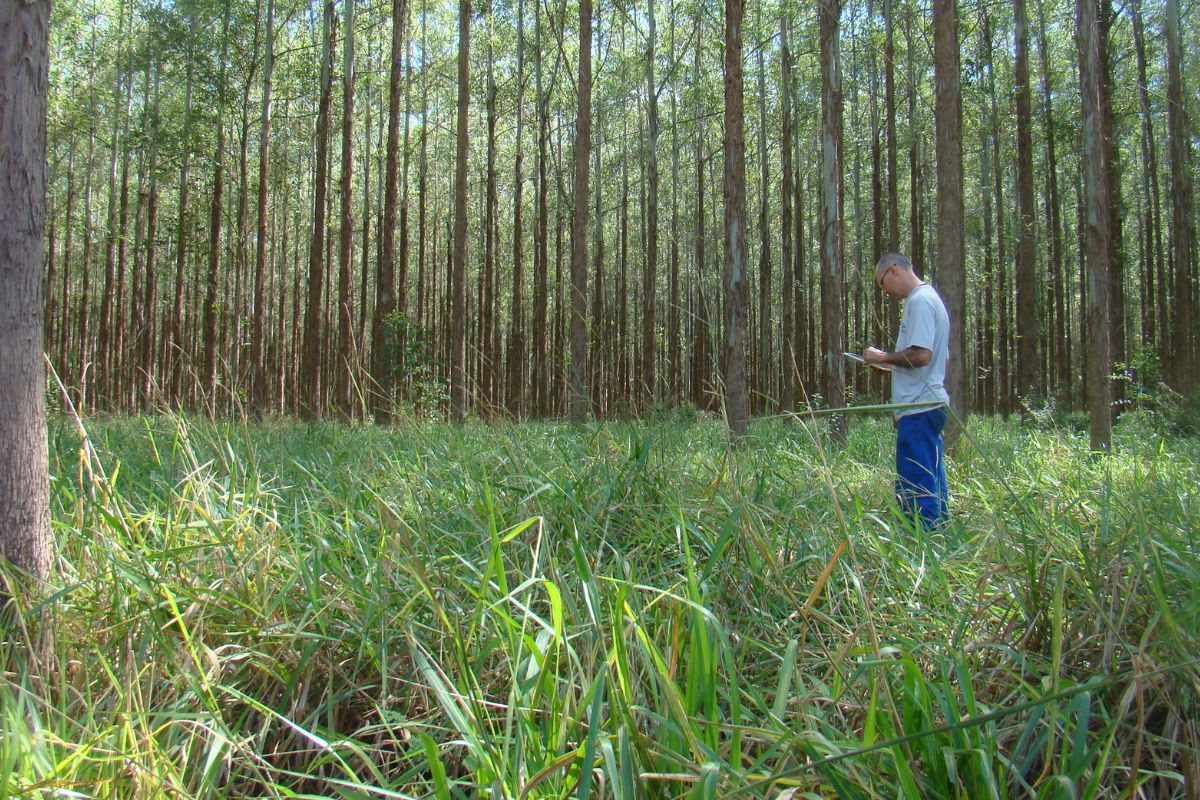
Institutions Such as Embrapa, Cirad, and Agrosavia Strengthen the Impact Culture and Transform Scientific Evaluation into Lasting Social, Environmental, and Economic Benefits for Sustainable Agribusiness
The impact culture is reshaping how agricultural research measures and communicates its results, according to a report published.
This strategic change has been led by three reference institutions: Embrapa (Brazil), Cirad (France), and Agrosavia (Colombia), which have joined forces to create a scientific management model focused on social transformation and transparency.
The international study published in Research Policy and in the Cirad Perspective series demonstrates how the alignment between research goals and concrete results can generate real social benefits and strengthen the bond between science, economy, and sustainability.
-
China banned the export of 22 tons of meat from Argentina.

-
While Russia dominates the global wheat market, Brazil emerges as an unexpected competitor in the Cerrado, offering grain available in July and August when stocks in the Northern Hemisphere are at their lowest point of the year.

-
China returned almost 20 Brazilian ships with soybeans, but now everything could change: the country that buys 80% of the grain is considering relaxing regulations after impurities held up shipments of thousands of tons and caused million-dollar losses.

-
The drought of the cerrado was considered an enemy of wheat, but Brazilian scientists turned the lack of rain into a competitive advantage by creating a grain with quality that is already attracting the attention of international mills around the world.


The movement emerged with the support of Agropolis Fondation (Montpellier, France), within the project “Innovative Co-learning for Agricultural-based Solutions.”
The work evaluated practices and methodologies of the three institutions, consolidating guidelines to measure the social and environmental return of public science.
This new model values organizational learning and the continuous measurement of the impacts generated by agricultural technologies.
Impact Assessment in Agricultural Research Guides Strategic Decisions
The adoption of the impact culture as a management practice transformed the way agricultural institutions plan their actions.
Embrapa, for example, has incorporated the concept into its macroprocess of innovation, making impact assessment an essential tool to guide research and technological development policies.
According to researcher Geraldo Stachetti Rodrigues, from Embrapa Meio Ambiente, the model allows for measuring the contribution of technological solutions to social and environmental changes.
Since 1997, Embrapa has published the Social Balance, which gathers results of its research and the benefits generated to society.
Annually, teams from Research, Development, and Technology Transfer conduct detailed analyses of a sample of innovations.
The process feeds into the institutional performance measurement system and ensures transparency in the use of public resources.
Tools such as the Economic Surplus method and the Ambitec-Agro system, which uses over 140 indicators, help identify economic, environmental, and social gains, strengthening the commitment to sustainable rural development.
Measurement of Agricultural Science Results Promotes Continuous Learning
One of the pillars of the impact culture is the measurement of agricultural science results as a management tool.
According to Graciela Vedovoto, from the Adjunct Management Office at Embrapa, consolidating this model requires environments that foster internal dialogue, systemic thinking, and collective reflection.
Elements such as the Theory of Change and spaces for interaction among teams ensure that learning is constant and integrated into institutional planning.
Cirad, from France, also contributes with advanced methodologies in this field. The institution developed the ImpresS ex post and ImpresS ex ante systems capable of evaluating past impacts and projecting future effects of agricultural innovations.
Meanwhile, Agrosavia, from Colombia, has drawn inspiration from Embrapa’s practices to integrate evaluation methods into its planning processes since 2016.
The Colombian goal is to consolidate an impact institutional culture by 2030, with an emphasis on social innovation and sustainability.
This collaboration between countries reinforces the importance of a scientific model that learns from experience and transforms knowledge into tangible public benefits.
Organizational Models of Innovation in Agribusiness Expand Social Benefits of Public Agricultural Research
The strengthening of organizational models of innovation in agribusiness has expanded the social benefits of public agricultural research and consolidated the impact culture as a governance instrument.
At Embrapa, the integration between research and technology transfer sectors is seen as essential so that impact is not just a final evaluation stage but a permanent part of management.
According to Álvaro Spínola, supervisor of the Technology Prospecting and Evaluation Sector at Embrapa Meio Ambiente, the use of field evidence and consolidated indicators transforms data into knowledge and strengthens institutional transparency.
This approach ensures that results reach rural communities more directly, stimulating sustainable agricultural practices and increasing the social return on public investments.
The international study indicates that the advancement of the impact culture depends on managerial support, specific resources, and continuous training.
These factors allow impact assessment to become a process of constant improvement rather than a one-off activity.
Furthermore, the model reinforces the credibility of Latin American agricultural research by measurably demonstrating the social value of scientific innovations.
The consolidation of the impact culture among Cirad, Embrapa, and Agrosavia symbolizes a new paradigm in agricultural science: a system in which results are measured not only in productivity but in learning, sustainability, and social return.
This approach reaffirms the commitment of institutions to society and paves the way for a future in which agricultural research acts as an agent of collective transformation and human development.









Seja o primeiro a reagir!