





 Portuguese
  English
  Spanish
  3 min of reading


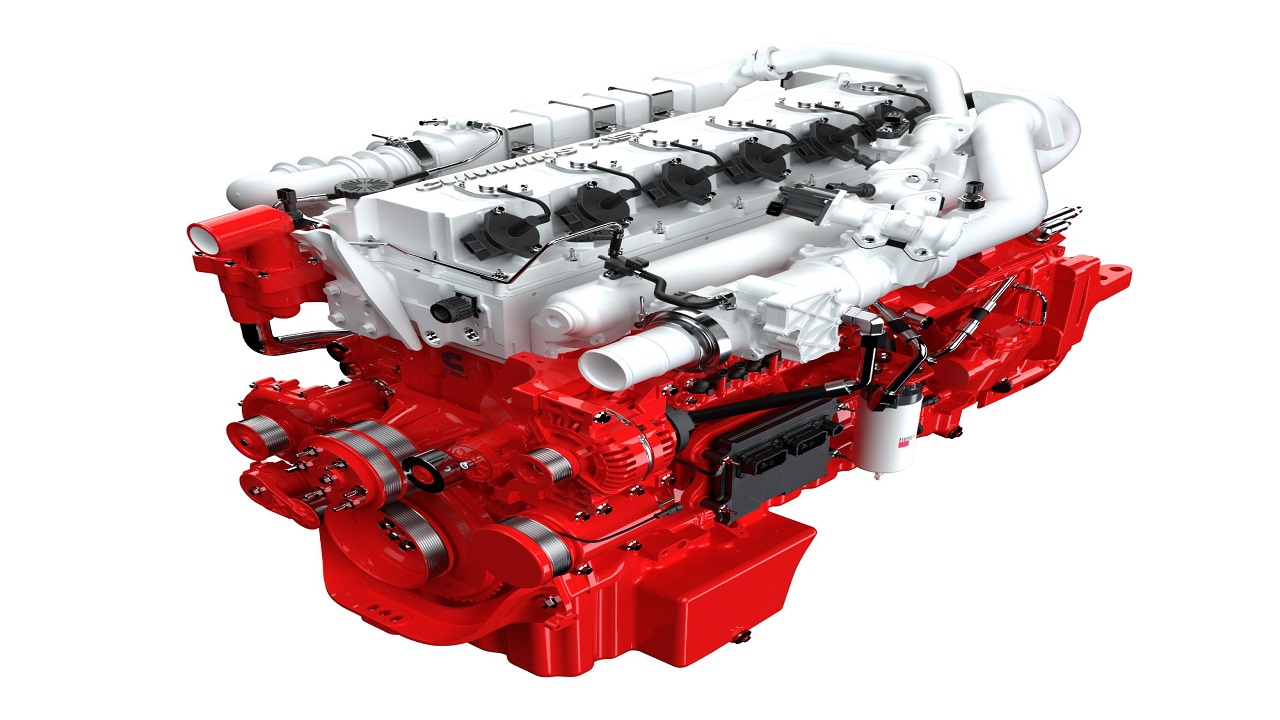
Cummins Recently Unveiled Its New 15-Liter Hydrogen Engine That Promises To Be The Sustainable Future Of Vehicles In The Automotive Market. Mass Production Will Begin In Mid-2027
Cummins Inc. unveiled its new 15-liter hydrogen engine for the automotive market this Tuesday (11). The presentation took place in Long Beach, California, during the Advanced Clean Transportation. According to the company, the X15H engine is part of a new independent fuel platform from Cummins. This version has mass production slated for 2027 and combines sustainable hydrogen fuel with zero carbon.
Cummins’ New Hydrogen Engine Achieves 290 HP
According to Cummins Inc.’s Engine Business President, Srikanth Padmanabhan, the company has set significant goals as part of its sustainability strategy through 2050, including a target of zero emissions. The plan includes measurable targets for the next decade and visionary long-term aspirations for 2050.
The reduction of carbon emissions in the automotive market, from well to wheel, requires innovation in energy solutions and energy sources. While use cases for electric fuel cell and battery engines are very promising, the use of green hydrogen in proven combustion engine technology provides an essential complement for future zero-emission solutions.
-
Engineers propose a fourth traffic light for intersections – the change promises to affect crossings, queues, and waiting times.

-
Chevrolet Suburban Z71 lands in Brazil with a V8 engine, off-road design, air suspension, seven seats, and colossal size, a rare version imported for around R$ 1.3 million with luxury and exclusivity.

-
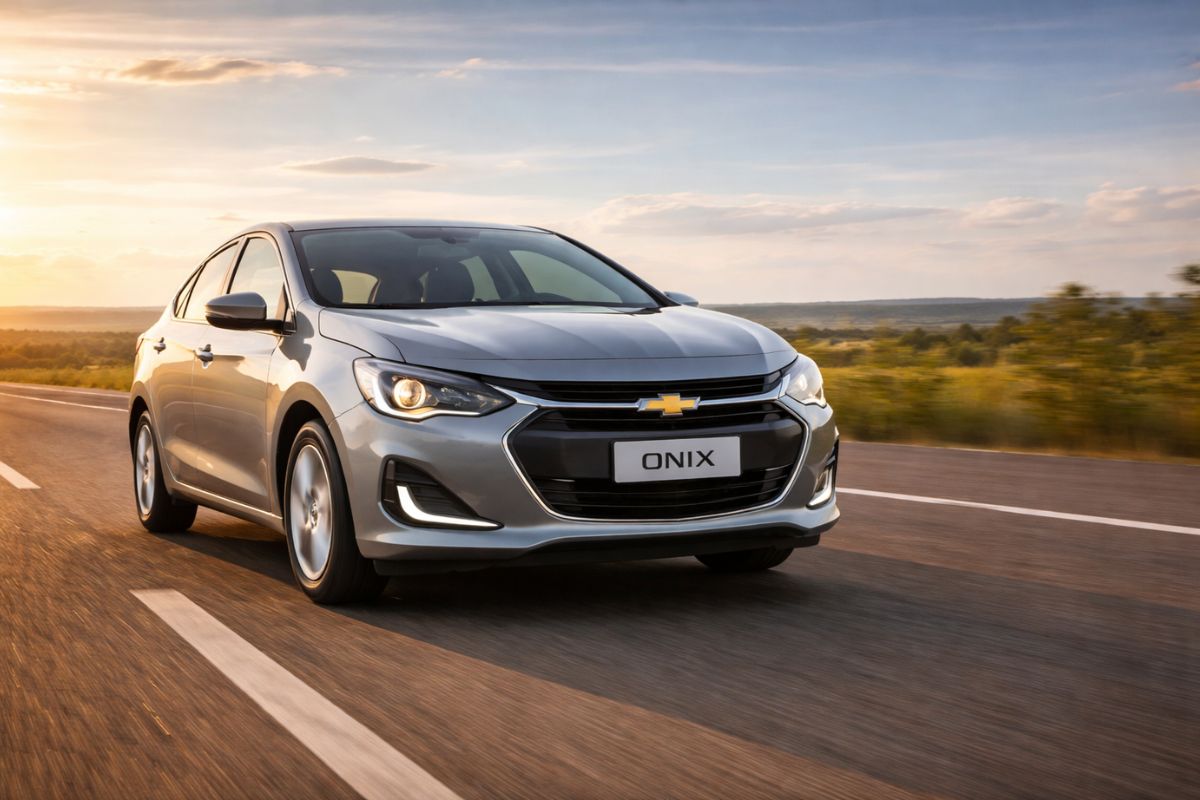
The Chevrolet Onix 1.0 turbo achieves 17.7 km per liter on the highway and ranks among the three most economical cars in Brazil in 2026, alongside two more expensive Toyota hybrids available at dealerships.
-
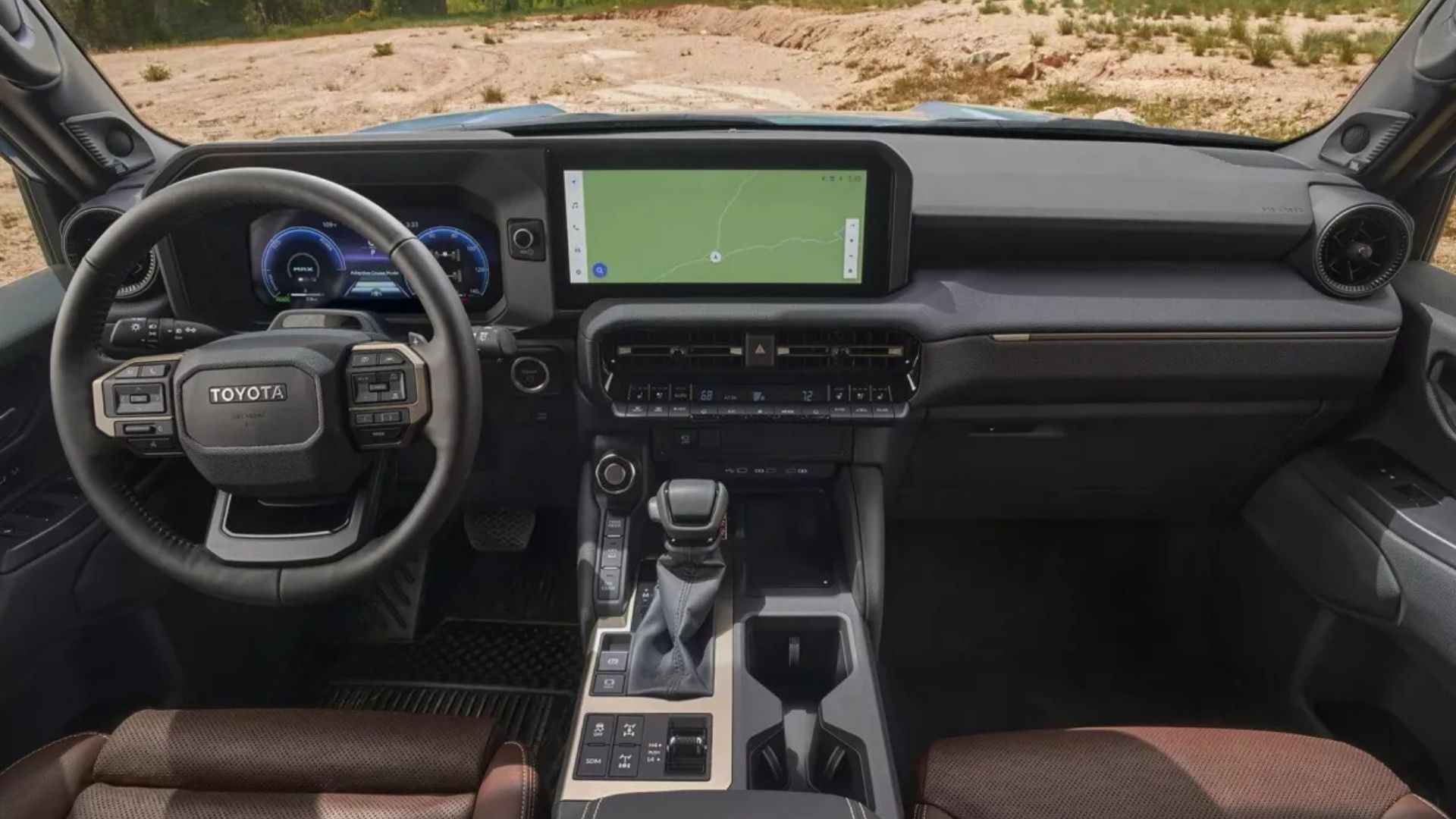
Little sister of the Hilux: Toyota launches Land Cruiser FJ with 4 radical versions, 2.7 engine with 166 hp and 4×4 traction with locking.

The first tests of the hydrogen engine were conducted by Cummins in July of last year, and the company claims that initial results were impressive, meeting all torque and power production targets.
The torque achieved was over 111 kgfm and 290 horsepower. According to the company, additional testing on the more advanced hydrogen engine prototypes will begin soon. Cummins aims to leverage its extensive global manufacturing presence to scale production in the automotive market more rapidly.
Cummins Announces Other Technologies In California
Cummins believes that the use of vehicles powered by the hydrogen engine can be driven by the high maturity of the technology, extended vehicle range, low initial cost, ease of powertrain installation, easy fueling, and user familiarity.
It is worth noting that, in addition to the hydrogen powertrain for the automotive market, the company also showcased other technologies that can assist in reducing pollutant emissions, such as the X15N, an engine that offers reduced size and weight compared to diesel engines while maintaining similar torque and power curves. Developed based on 30 years of experience in natural gas engine manufacturing, this solution is set to begin production in the U.S. in 2024.
The B6.7 Propane engine, also presented by the company, is the first turbocharged spark-ignition platform for the medium-duty industry for propane fuels. Leveraging the legacy of Cummins’ legendary B series, it provides performance and durability similar to a diesel engine.
Yamaha And Toyota Develop Hydrogen Engine For The Automotive Market
After forming a alliance with other Japanese automakers, Toyota and Yamaha produced the first V8 hydrogen engine with a capacity of 5 liters. According to Yoshihiro Hidaka, President of Yamaha Motor, the company has been working towards achieving carbon neutrality by 2050.
The executive emphasizes that the word “Engine” is in the name of the company due to a strong passion and commitment to internal combustion engines.
It is important to note that the company used the engines from the LC-F and the LC500 as a base, developing new cylinder heads, injection systems, and intake manifolds, resulting in an engine that delivers 455.5 horsepower and 55.1 kgfm for the automotive market.









Seja o primeiro a reagir!