Portuguese
  Spanish



The Alliance Named ‘Team Japan’, Comprising Japanese Manufacturers Toyota, Subaru, Mazda, Kawasaki, and Yamaha, Seeks Alternatives to Keep the Combustion Engine Market Active Worldwide
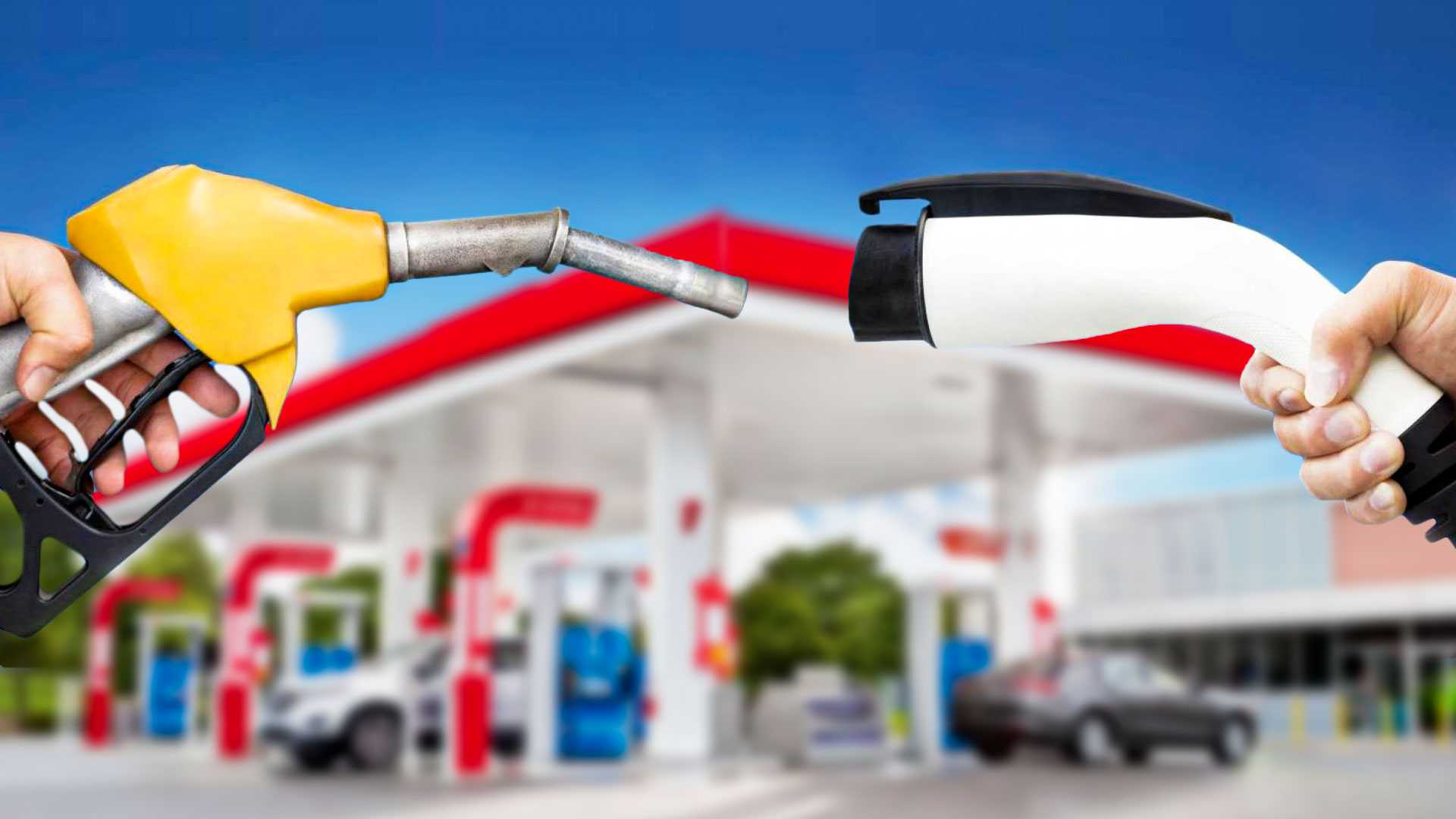
Some Japanese manufacturers have united to form an alliance with the aim of keeping the internal combustion engine alive. The alliance formed by Toyota, Subaru, Mazda, Kawasaki, and Yamaha aims to promote the search for alternative fuels and hydrogen solutions that can ensure this technology remains relevant in this new era of electrification.
Read Other Related News
Toyota, Leader of the Alliance, Seeks Better Alternatives for Combustion Engines
In defense of greater freedom of choice and investigation into solutions for combustion engines, Toyota is leading the alliance known as ‘Team Japan’ among Japanese manufacturers that are also looking for efficient alternatives so that internal combustion engines can remain relevant and achieve carbon neutrality.
The CEO of Toyota, Akio Toyoda, has been quite critical of the approach taken by regulatory bodies that claim that electrification is the only path to clean mobility. The company recently showcased its work in converting a combustion engine into a hydrogen engine by entering its Corolla in a endurance race in Japan, the Super Taikyu Series event.
-
1983 Chevrolet Runs Over 100,000 km Without Gasoline, Powered by Wood Chips, Reaches 125 km/h in Airport Test

-
Workshop Converts Giant Tractor Tire Tricycle into a Three-Wheel Drive Hybrid with 36,000-Watt Electric Motor Capable of Climbing Hills

-
Sales of Brazil’s Cheapest Electric Car Halted Before First Deliveries: E-Motors Suspends Emova Easy Due to Import Tax Increase and Rising Freight Costs

-
Nissan Discontinues Qashqai SUV Amid Cost-Cutting, Chinese Competition, and Product Line Review



The Corolla was also highlighted at the press conference held at the Okayama Circuit, where Toyota Motor Corp., Subaru Corp., Mazda Motor Corp., Kawasaki Heavy Industries, and Yamaha Motor presented the main objectives of this alliance, such as: encouraging the use of carbon-neutral fuels, investigating hydrogen-powered engines in high-performance cars and motorcycles, and ultimately, maintaining the argument that combustion engines can indeed remain in use in competitions with hydrogen-related resources.
Results Released by ‘Team Japan’
One of the first results announced by Team Japan was the use of the new 1.5 Skyactiv-D engine, powered by diesel, in competition by the automaker Mazda, fueled by biodiesel.
The Mazda Demio Spirit Racing Bio – a model based on the Mazda2, currently sold only in Europe – will use 100% biomass-derived diesel, supplied by Euglena Co., Ltd.
A similar project is being prepared by Toyota in collaboration with Subaru, using their BR-Z and GR86, which can compete equally since both utilize carbon-neutral synthetic fuels. By competing together, the brands will have the power to accelerate the development of this fuel for use in large urban centers.
Toyoda’s Concerns
The conceptualization of carbon-neutral fuels assumes another level of relevance, addressing the significant number of internal combustion engine vehicles currently in use worldwide, which far exceeds that of electric vehicles. However, there is a forecast that this gap may narrow over the years.
Even so, Toyota and Mazda already have electric models in the making, with Mazda having some already on sale, as they face increasingly fierce competition in the automotive market. However, Toyoda is also concerned about the impact of electrification on employment levels, which may suffer a decline on this path, potentially severely affecting production plants in Japan.