





 English
  Francês
  Alemão
  Italiano
  Japonês
  Norueguês
  Portuguese
  Spanish
  3 min of reading


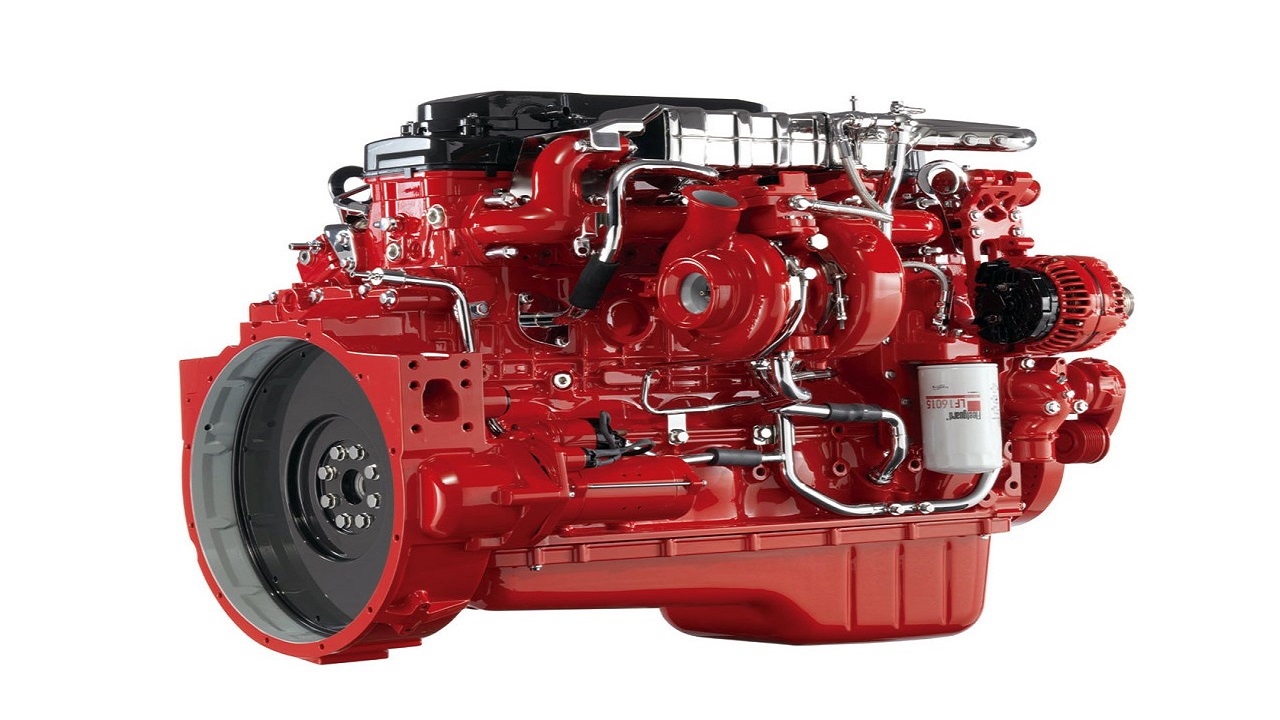


To Keep The Combustion Engine Market Alive, Just Like The “Team Japan” Alliance, Made Up Of Japanese Manufacturers Toyota, Subaru, Mazda, Kawasaki, And Yamaha, Cummins Is Doing Its Part By Developing The World’s First Engine Capable Of Accepting All Types Of Fuels
-
Engineers propose a fourth traffic light for intersections – the change promises to affect crossings, queues, and waiting times.

-
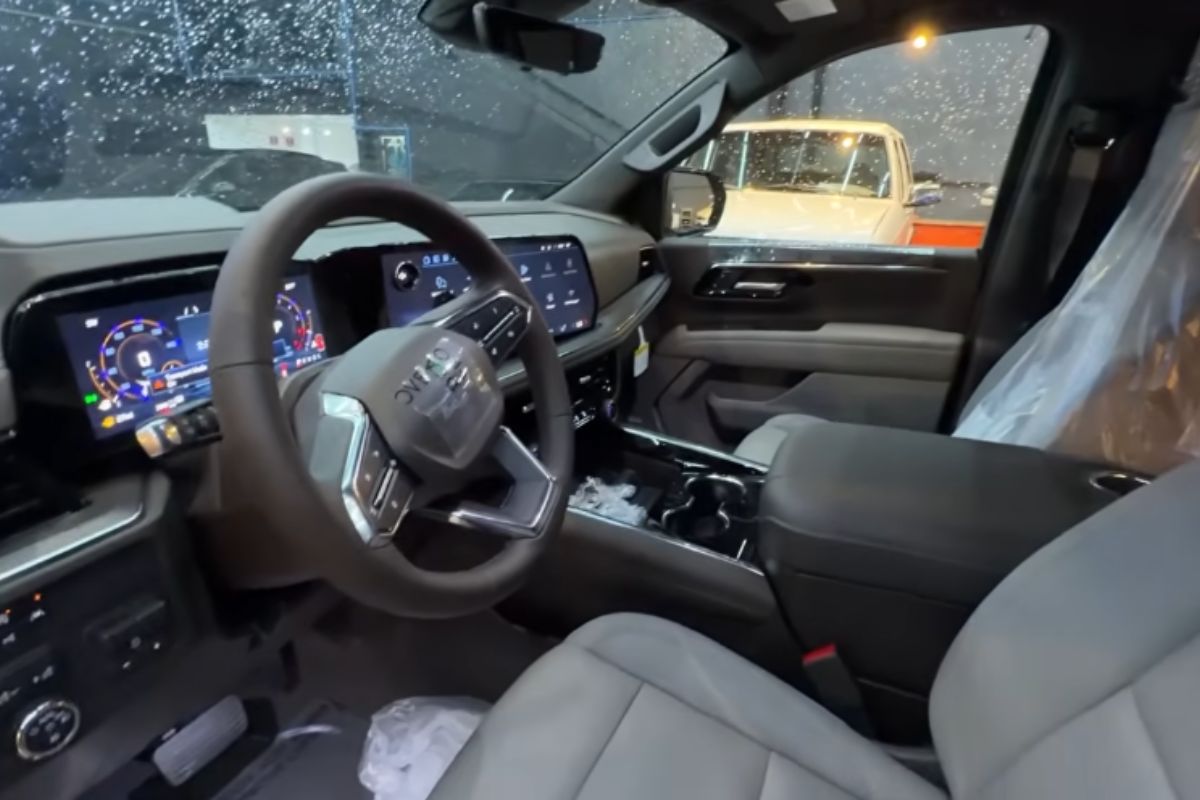
Chevrolet Suburban Z71 lands in Brazil with a V8 engine, off-road design, air suspension, seven seats, and colossal size, a rare version imported for around R$ 1.3 million with luxury and exclusivity.
-
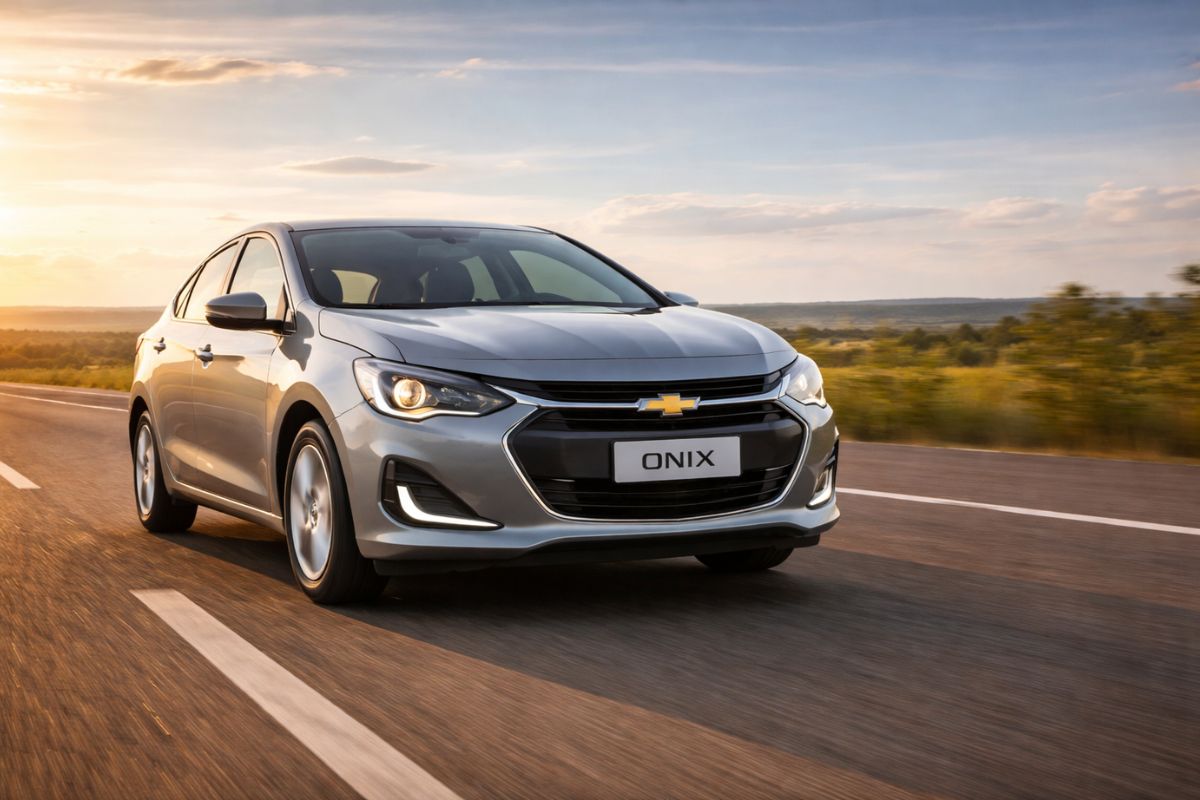
The Chevrolet Onix 1.0 turbo achieves 17.7 km per liter on the highway and ranks among the three most economical cars in Brazil in 2026, alongside two more expensive Toyota hybrids available at dealerships.
-
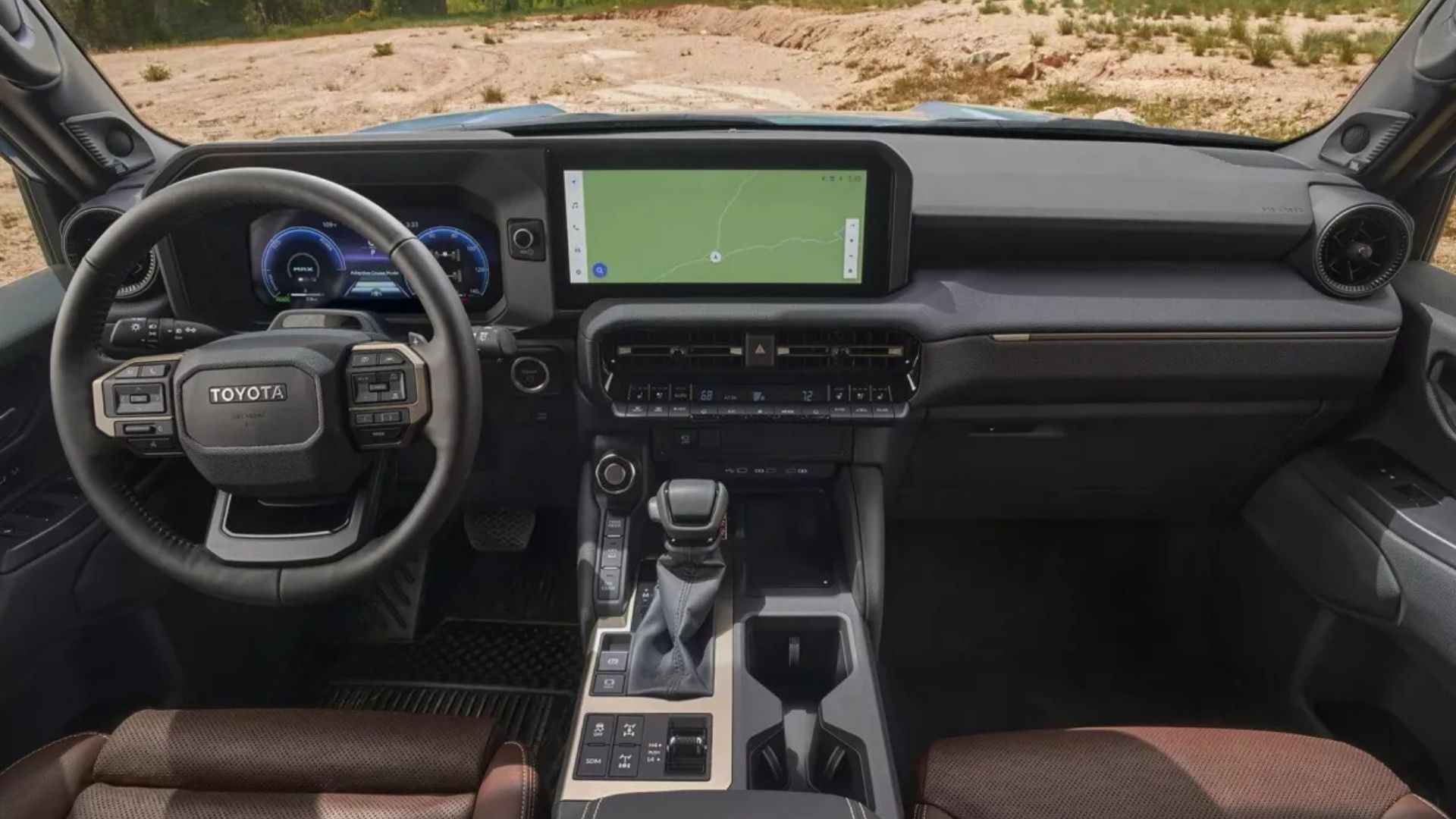
Little sister of the Hilux: Toyota launches Land Cruiser FJ with 4 radical versions, 2.7 engine with 166 hp and 4×4 traction with locking.

The internal combustion engine had its glory days, but the journey is about to end with the onset of the electric vehicle era. Since this became clear, the automotive industry, along with major oil companies, has fought to save the combustion engine and all that comes with it. In its latest move, Cummins announced an internal combustion engine that can basically run on any fuel.
Cummins Gains Attention With Its New Engine That Accepts Any Fossil Fuel
Cummins is one of the biggest players in the internal combustion engine field and recently announced plans to shift to hydrogen. There are challenges ahead, as hydrogen burns differently from other fuels. That is why Cummins designed a combustion chamber optimized for fuel mixing, load movement, and turbulence generation in the engine.
Starting in 2024, Cummins will apply independent fuel technologies in its engine platforms from the X, L, and B Series. The internal combustion engines running on diesel, natural gas, and hydrogen aim to help transition to zero-emission engines.
Depending on the type of fuel, these engines will be more or less clean, but that does not change the fact that internal combustion engines have low intrinsic efficiency. And, of course, any burning of gas will release NOx and harmful particles into the atmosphere.
Official Announcement From Cummins
Cummins announced details of what it calls the world’s first fuel-agnostic engine line. The plan employs common engine blocks and other key components, while variations in head specifications allow the engines to run on different types of fuel, including diesel, natural gas, and hydrogen.
This new design approach by Cummins will be applied to the company’s three main engine portfolios: B, L, and X-Series. The B Series architecture includes the ISB 6.7L turbo, used in the Ram 2500 and 3500 HD pickups. The Cummins L and X-Series engine portfolios are used for buses, motorhomes, semi-trucks, and construction equipment, among other applications.
In making the announcement, Srikanth Padmanabhan, President of Cummins’ Engine Business, said: “We believe that, over the next 40 years, internal combustion engines will still be there as a transitional technology before we reach that zero destination.”
Regardless Of The Fuel – The Engines Will Run
Cummins promises that, regardless of the type of fuel, its next generation of B, L, and X series engines will still be able to deliver performance similar to diesel.
Stellantis recently announced plans for a hydrogen-powered Ram HD pickup before the end of the decade. It is unclear if the company plans to work with Cummins to offer a hydrogen-powered inline 6 B Series engine alongside the diesel version of the popular engine, or if the company is planning to seek a hydrogen fuel cell electric drive solution.
“Reaching zero is not a light switch event. The carbon emissions we put into the atmosphere today will have a lasting impact. This means that anything we can do to start reducing the carbon footprint today is a win for the planet. We need to act now,” said Srikanth Padmanabhan, President of Cummins Engine Business.







-

Uma pessoa reagiu a isso.