





 Portuguese
  English
  Spanish
  3 min of reading


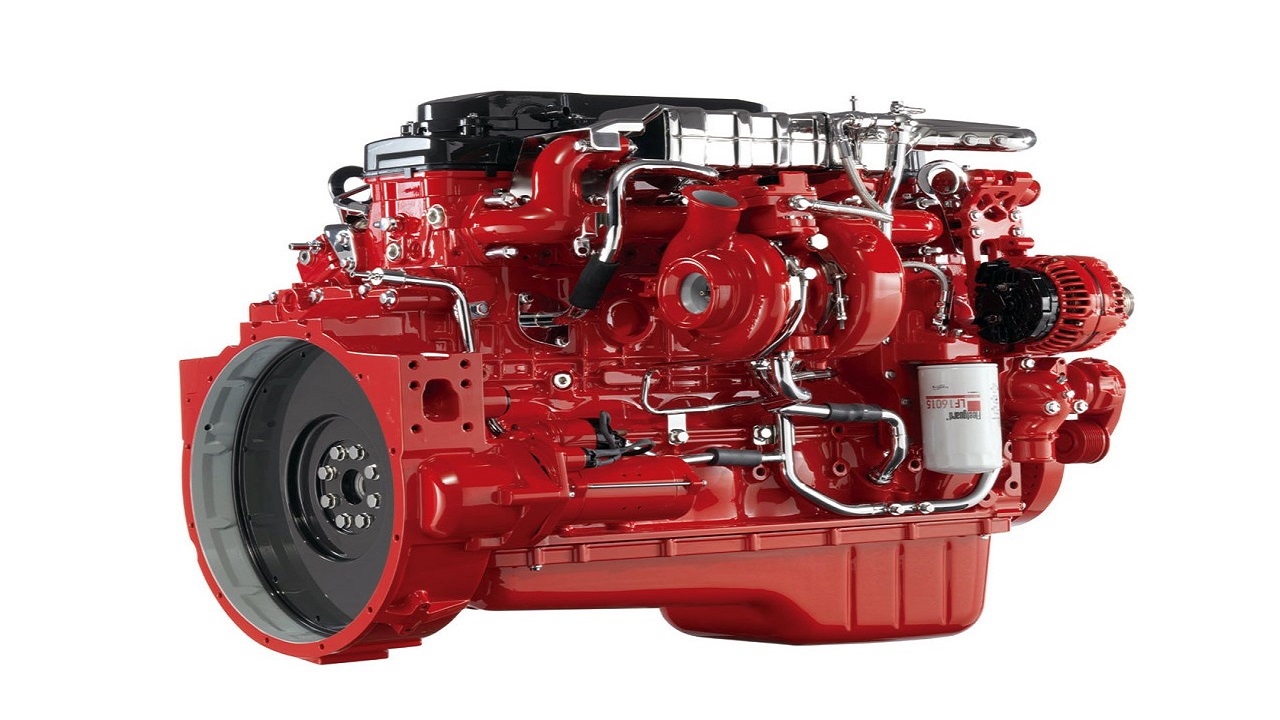


To Keep The Combustion Engine Market Alive, Just Like The “Team Japan” Alliance, Made Up Of Japanese Manufacturers Toyota, Subaru, Mazda, Kawasaki, And Yamaha, Cummins Is Doing Its Part By Developing The World’s First Engine Capable Of Accepting All Types Of Fuels
-
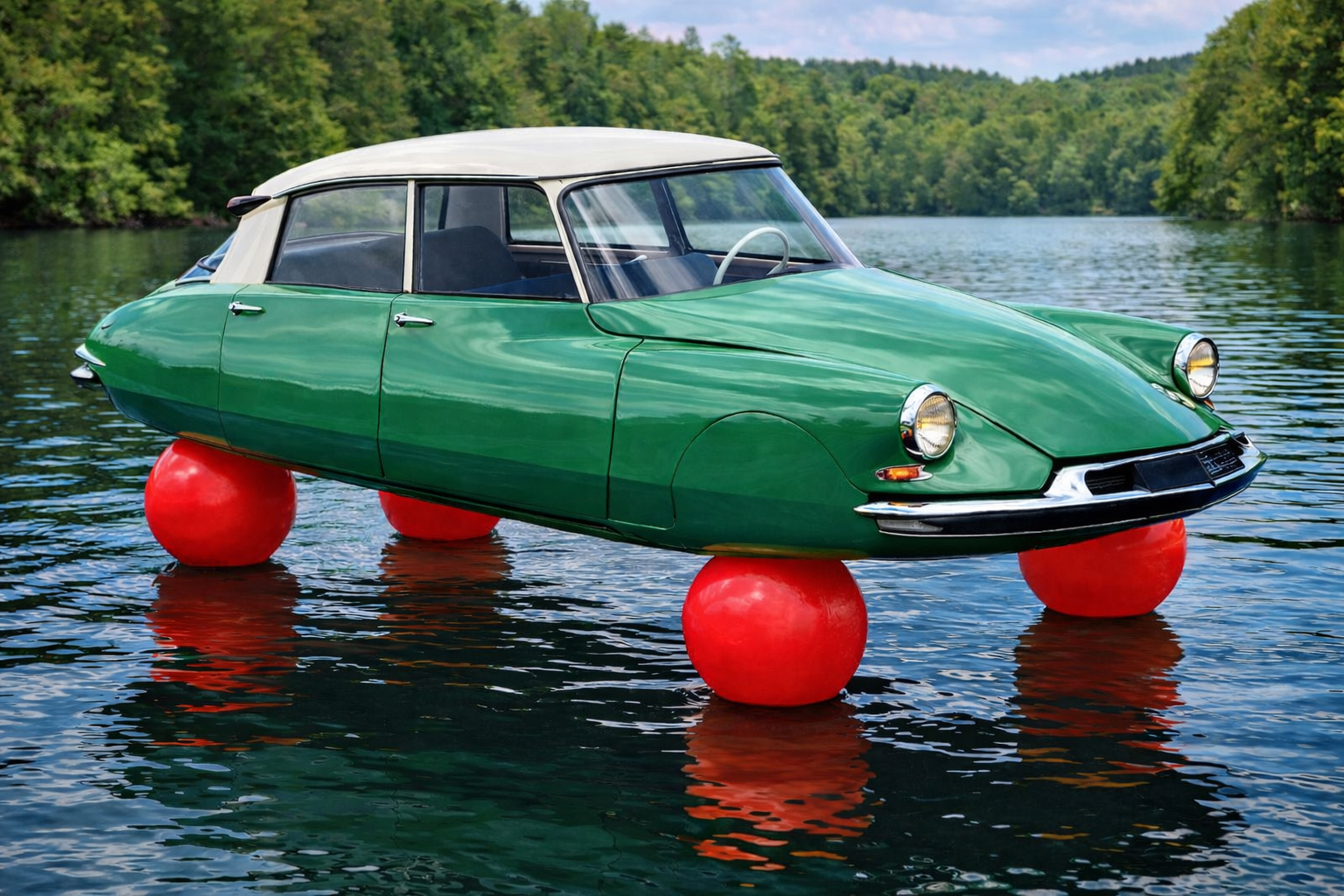
A French brand placed a car on four huge red balloons to prove that its suspension made the vehicle “float,” and the surreal scene became one of the most iconic and unusual images in automotive history.
-
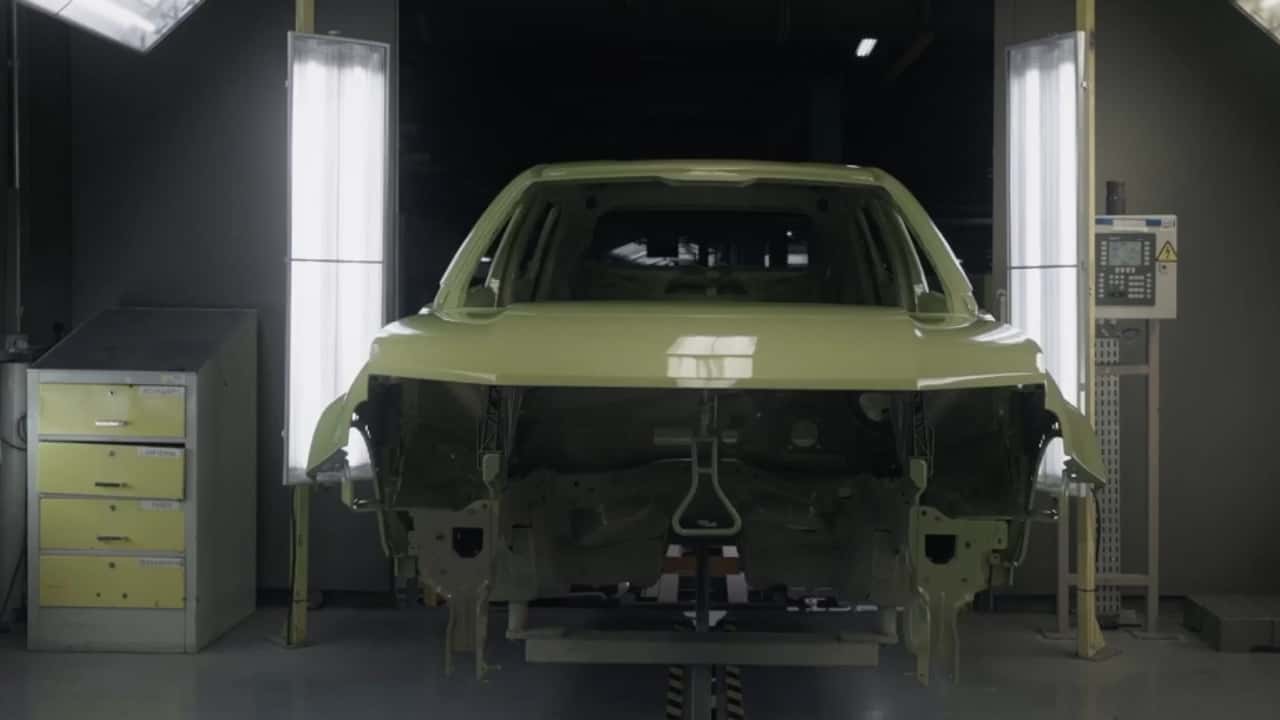
Jeep Avenger begins production in Brazil, debuting as the brand’s new entry-level SUV and inaugurating an unprecedented phase by becoming the first national Jeep manufactured outside of Goiana, as part of a R$ 3 billion plan.
-
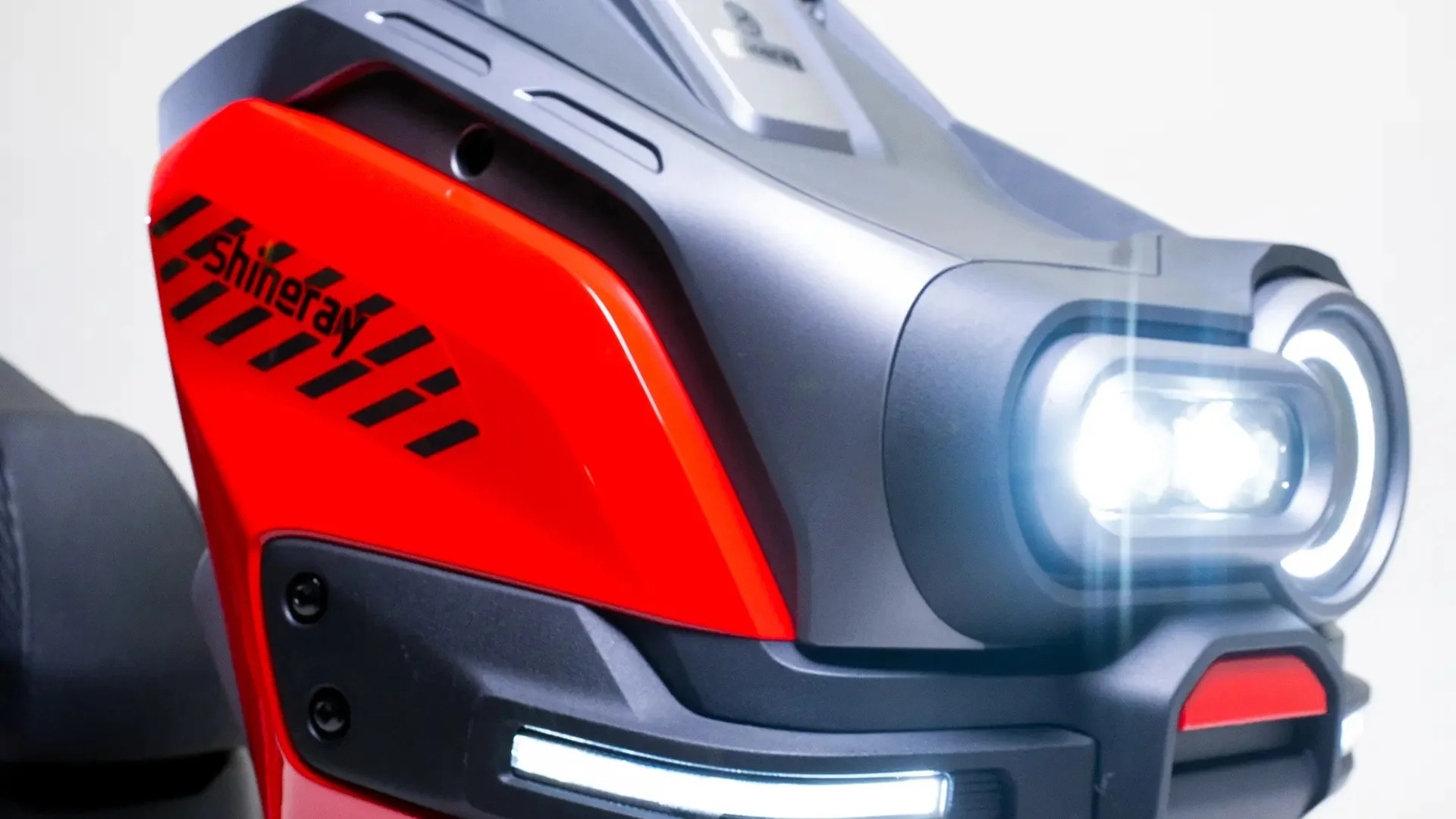
Costing R$ 12,490, the new Shineray Urban Lite 150 “cheap one” arrives in Brazil with a CVT transmission, digital dashboard, and LED lights, making it more affordable than the Biz and targeting those who want to abandon the bus.
-
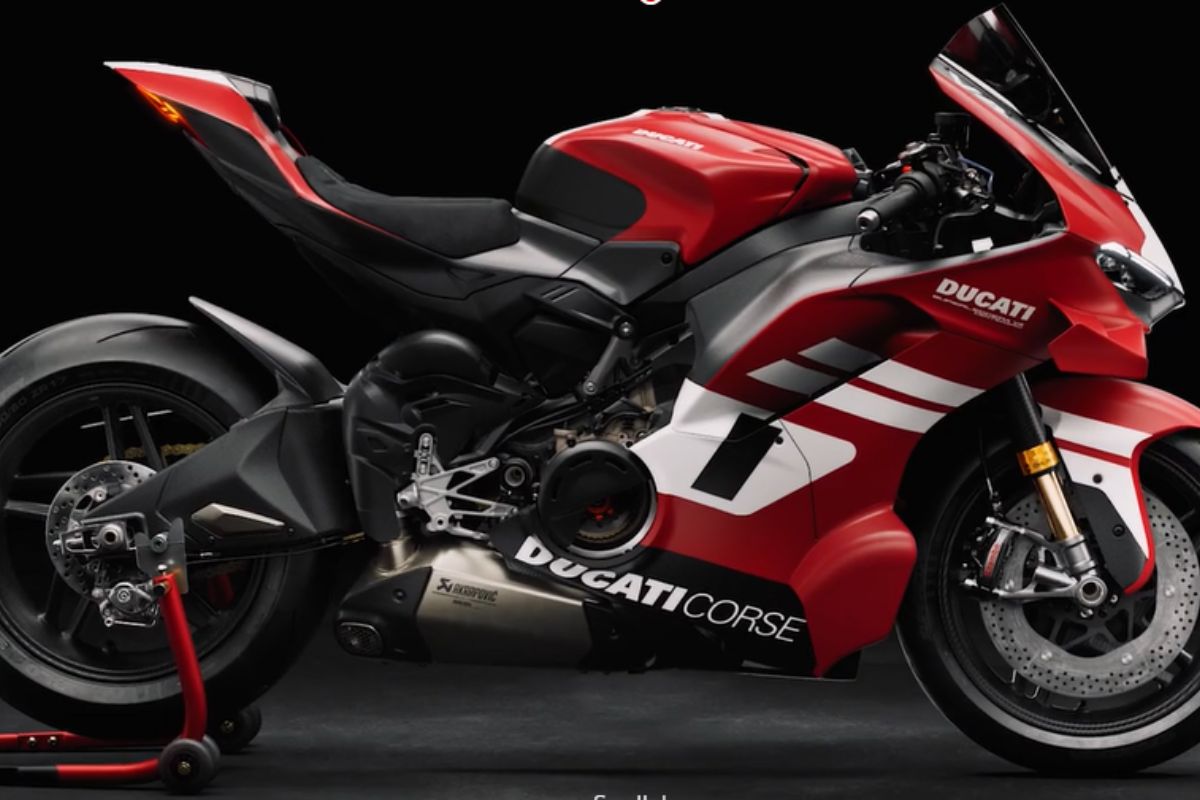
Ducati brings to Brazil the Superleggera V4 Centenario: 228 hp that become 247 with a track kit, carbon fiber and carbon-ceramic brakes, estimated price between R$ 1.5 and 2 million, deliveries only in 2027.

The internal combustion engine had its glory days, but the journey is about to end with the onset of the electric vehicle era. Since this became clear, the automotive industry, along with major oil companies, has fought to save the combustion engine and all that comes with it. In its latest move, Cummins announced an internal combustion engine that can basically run on any fuel.
Cummins Gains Attention With Its New Engine That Accepts Any Fossil Fuel
Cummins is one of the biggest players in the internal combustion engine field and recently announced plans to shift to hydrogen. There are challenges ahead, as hydrogen burns differently from other fuels. That is why Cummins designed a combustion chamber optimized for fuel mixing, load movement, and turbulence generation in the engine.
Starting in 2024, Cummins will apply independent fuel technologies in its engine platforms from the X, L, and B Series. The internal combustion engines running on diesel, natural gas, and hydrogen aim to help transition to zero-emission engines.
Depending on the type of fuel, these engines will be more or less clean, but that does not change the fact that internal combustion engines have low intrinsic efficiency. And, of course, any burning of gas will release NOx and harmful particles into the atmosphere.
Official Announcement From Cummins
Cummins announced details of what it calls the world’s first fuel-agnostic engine line. The plan employs common engine blocks and other key components, while variations in head specifications allow the engines to run on different types of fuel, including diesel, natural gas, and hydrogen.
This new design approach by Cummins will be applied to the company’s three main engine portfolios: B, L, and X-Series. The B Series architecture includes the ISB 6.7L turbo, used in the Ram 2500 and 3500 HD pickups. The Cummins L and X-Series engine portfolios are used for buses, motorhomes, semi-trucks, and construction equipment, among other applications.
In making the announcement, Srikanth Padmanabhan, President of Cummins’ Engine Business, said: “We believe that, over the next 40 years, internal combustion engines will still be there as a transitional technology before we reach that zero destination.”
Regardless Of The Fuel – The Engines Will Run
Cummins promises that, regardless of the type of fuel, its next generation of B, L, and X series engines will still be able to deliver performance similar to diesel.
Stellantis recently announced plans for a hydrogen-powered Ram HD pickup before the end of the decade. It is unclear if the company plans to work with Cummins to offer a hydrogen-powered inline 6 B Series engine alongside the diesel version of the popular engine, or if the company is planning to seek a hydrogen fuel cell electric drive solution.
“Reaching zero is not a light switch event. The carbon emissions we put into the atmosphere today will have a lasting impact. This means that anything we can do to start reducing the carbon footprint today is a win for the planet. We need to act now,” said Srikanth Padmanabhan, President of Cummins Engine Business.










-

Uma pessoa reagiu a isso.