





 Portuguese
  English
  Spanish
  4 min of reading
  0 comments


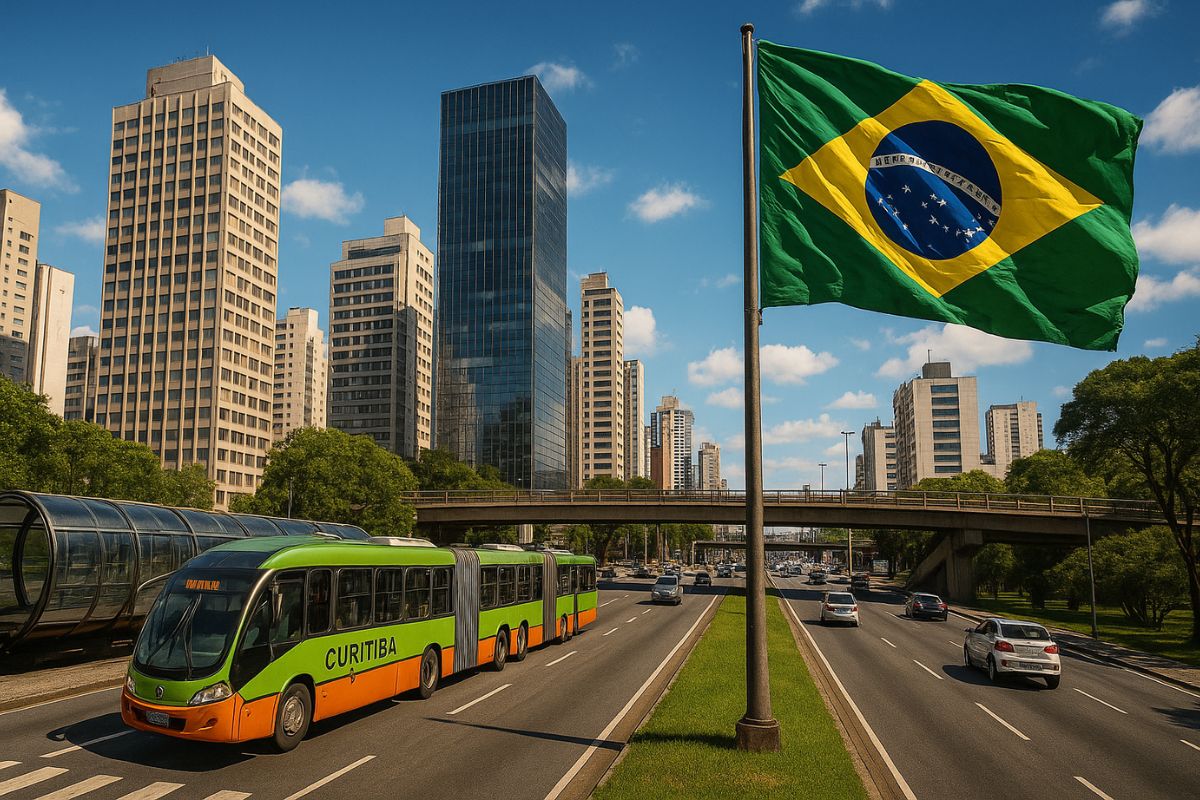
Model City Studied by the UN, Replicated in Over 100 Countries and Awarded for Innovation, Sustainability, and Mobility.
The statement that Curitiba is the smartest capital in Brazil did not come about by chance. It is the result of consistent urban planning, globally recognized, studied by the UN and replicated in over 100 countries, focusing on efficient mobility, sustainability, and data-driven public management.
In recent years, the city has consolidated this reputation with significant awards such as the World Smart City Awards (2023) and the title of Smartest Community in the World (ICF, 2024) by combining a tradition of planning with an active innovation ecosystem. The result is an applicable and scalable model that continues to inspire metropolises in Brazil and abroad.
Why Curitiba Became a Global Reference
Curitiba transformed a history of urban solutions into lasting public policies, paying attention to those who use the city in their daily lives, from public transport passengers to entrepreneurs testing local technological solutions.
-
Rigid bags with their days numbered: new trend prioritizes comfort in 2026.

-
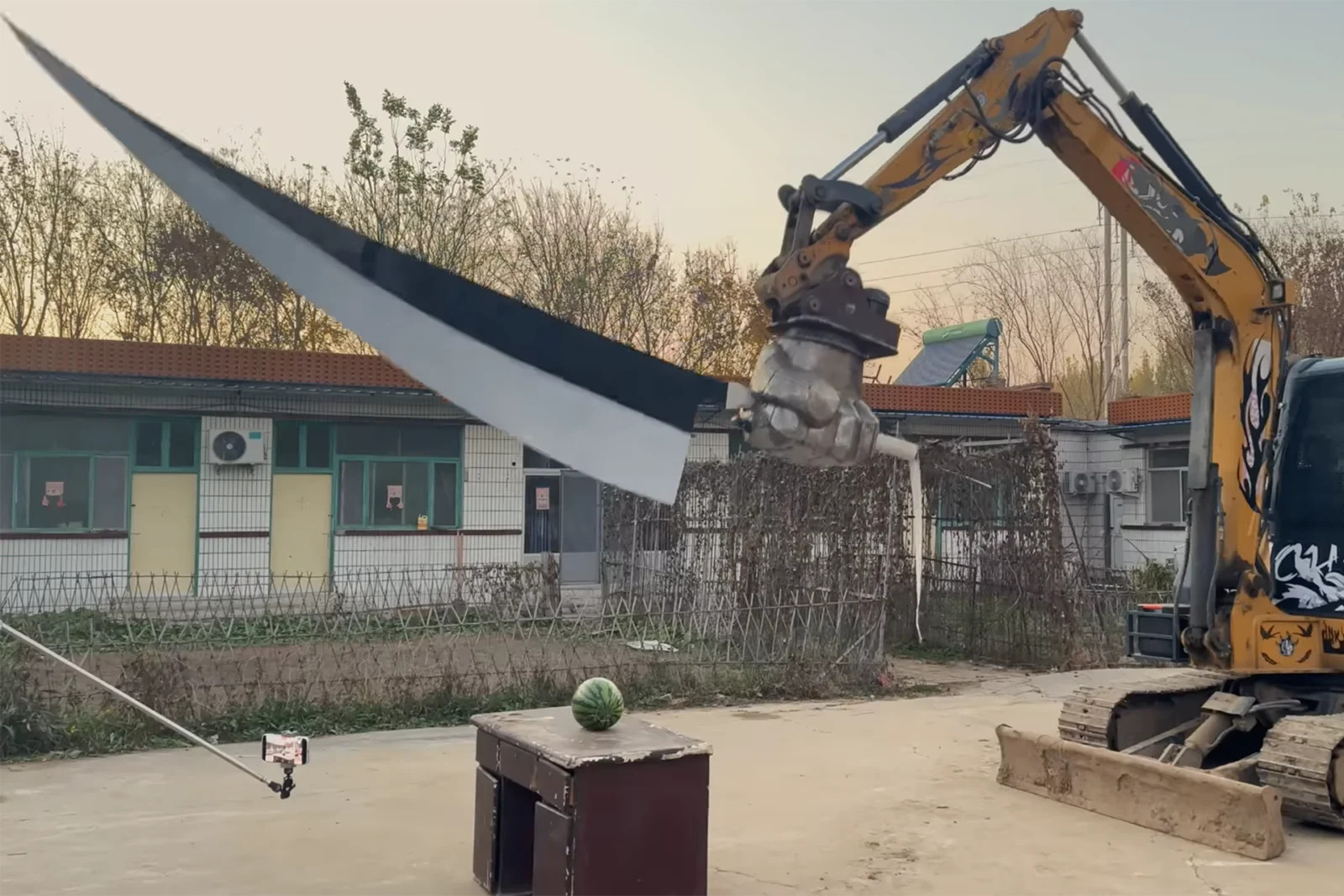
YouTuber creates an excavator equipped with a giant 4.5-meter sword to challenge his brother to a rematch, and the invention quickly goes viral on social media.
-
The U.S. Army surprises the world by presenting the UH-60MX Black Hawk helicopter capable of flying without pilots, controlled by a tablet, featuring the MATRIX system, smart sensors, and full autonomy in real combat and rescue missions.

-
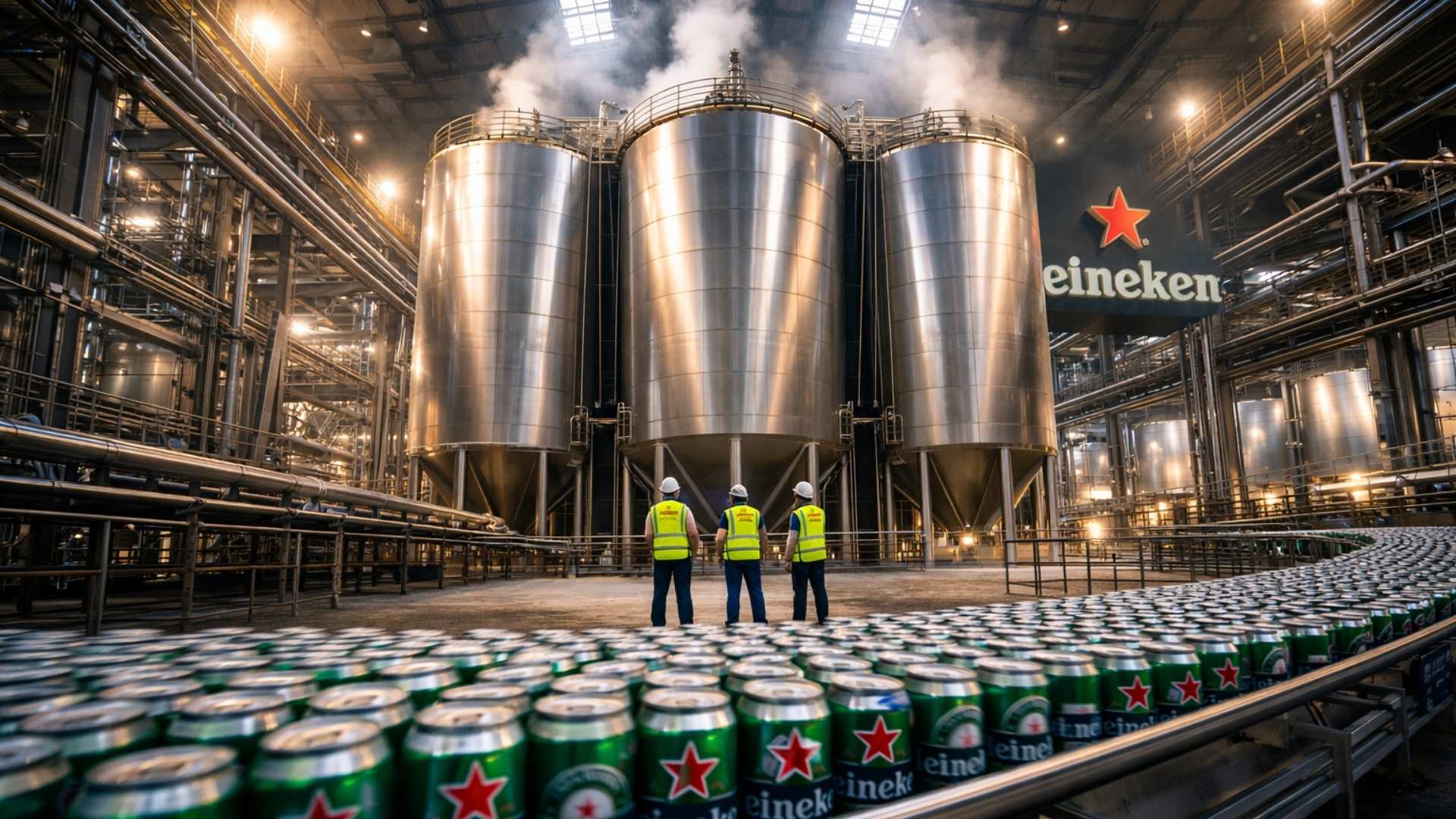
Heineken’s factory in Brazil produces 300 million beer cans in just 4 months, reaches 1 million hectoliters, received R$ 2.5 billion, and is already projecting an annual capacity of 5 million with sustainable technology.

The central idea has always been “city for people”, which translates into more walkable streets, functional parks, and integrated public services.
This vision materializes in long-term strategies. Planning is not a drawer plan: it is continuous execution, results evaluation, and route adjustments.
The capital of Paraná institutionalized this cycle, which explains the consistency of deliveries over decades.
Mobility and Planning: The DNA That Spread the Model
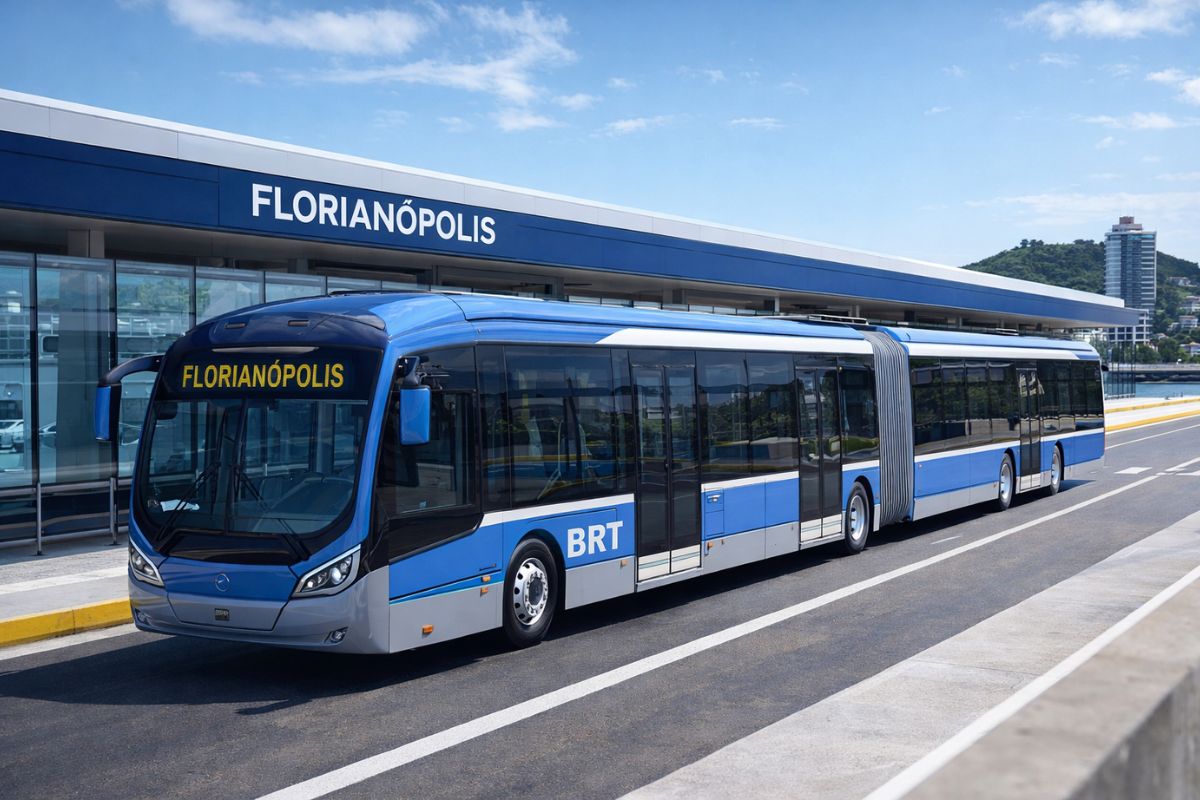
Curitiba became known for BRT (Bus Rapid Transit) with exclusive lanes, tube stations, and level boarding, a solution that showed the world that it is possible to transport a lot of people quickly and at a lower cost than heavy systems.
It’s not just about buses: it’s urban design that encourages the city to grow more balanced, connecting neighborhoods and economic activities.
By prioritizing pedestrians and public transport since the 1970s, Curitiba foresaw trends that would later become global consensus.
The demonstrative effect was immediate: cities on all continents began to adapt the concept, proving the replicability of the Curitiba model.
Practical Sustainability: Parks That Prevent Flooding and Recycling That Includes
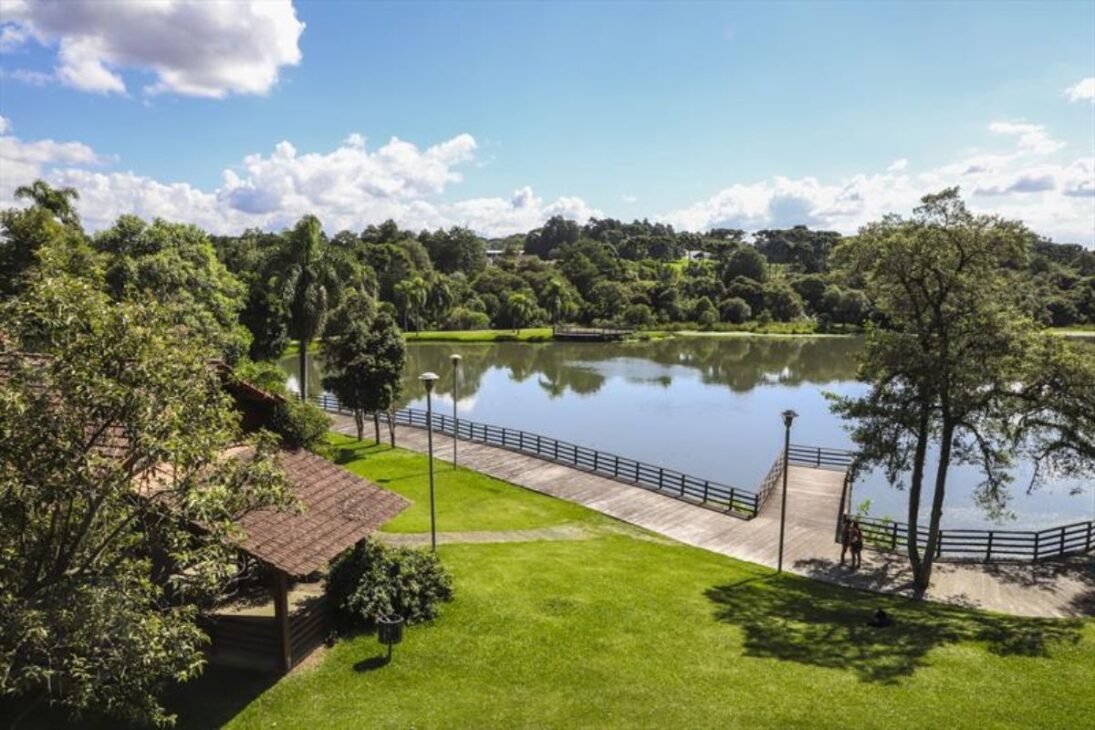
The park network in Curitiba is not just a green showcase. Many were implemented in risk areas to serve as natural retention basins, reducing flooding and creating leisure spaces.
Green infrastructure that solves real problems and, in addition, improves quality of life.
In waste management, recycling programs formed a citizen culture and expanded social impact, with initiatives that exchange recyclable materials for food.
Environmental policy, mobility, and inclusion meet in simple, scalable, and financially sustainable solutions.
From “Model City” to Smart City: Technology at the Service of the Citizen
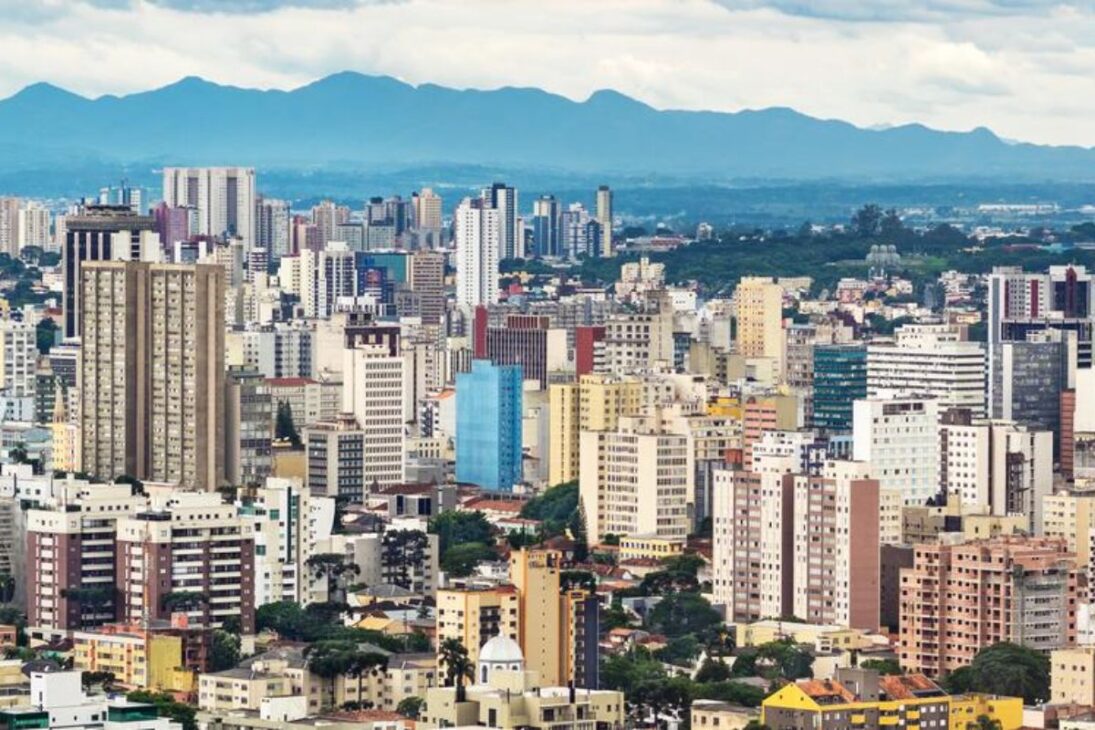
Curitiba evolved from classical urbanism to the smart city agenda without losing its essence. The Valley of the Pine brings together government, universities, startups, and companies around urban challenges from open data to the digital transformation of services.
Public coworking spaces and innovation hubs expand access to entrepreneurship and accelerate local solutions.
The logic is clear: technology is a means, not an end. Data helps optimize routes, integrate services, and shorten the distance between the problem and public response.
When this ecosystem combines with the legacy of planning, international awards stop being exceptions and become regular occurrences.
Results That Support the Title of “Smartest Capital in Brazil”
Recent recognitions World Smart City Awards (2023) and ICF 2024 (Smartest Community in the World) reinforce that Curitiba’s urban intelligence is measurable and comparable.
Awarding is a consequence, not a starting point: it validates that policies of mobility, sustainability, and innovation deliver public value.
Another indicator is the international replication of the model, especially of the BRT. When over 100 countries adapt their ideas, you have evidence of real impact not just institutional marketing.
This consolidates Curitiba as a living laboratory, with exportable lessons.
Challenges of the Next Decade: Inclusion, Climate, and Scale
Being the smartest capital in Brazil does not eliminate challenges. Including those who have been left out of the digital transformation, protecting the most vulnerable from extreme climate events, and scaling neighborhood solutions to the entire city are ongoing priorities.
Curitiba has a head start because it already has governance, data, and a culture of planning.
The test now is speed and depth: making sure that each technological advance translates into better, faster, and more accessible service, especially for those who need it most.
Curitibanos and visitors: what, in practice, makes the city the “smartest capital in Brazil” for you? Is it the transport? The parks that prevent flooding? The digital services? Where does it still hurt: periphery, response time, integration between modalities?
Tell us in the comments what works and what needs improvement. Your experience is the next data that Curitiba should take into account.






-

-

-

5 pessoas reagiram a isso.