





 Portuguese
  English
  Spanish
  3 min of reading
  0 comments


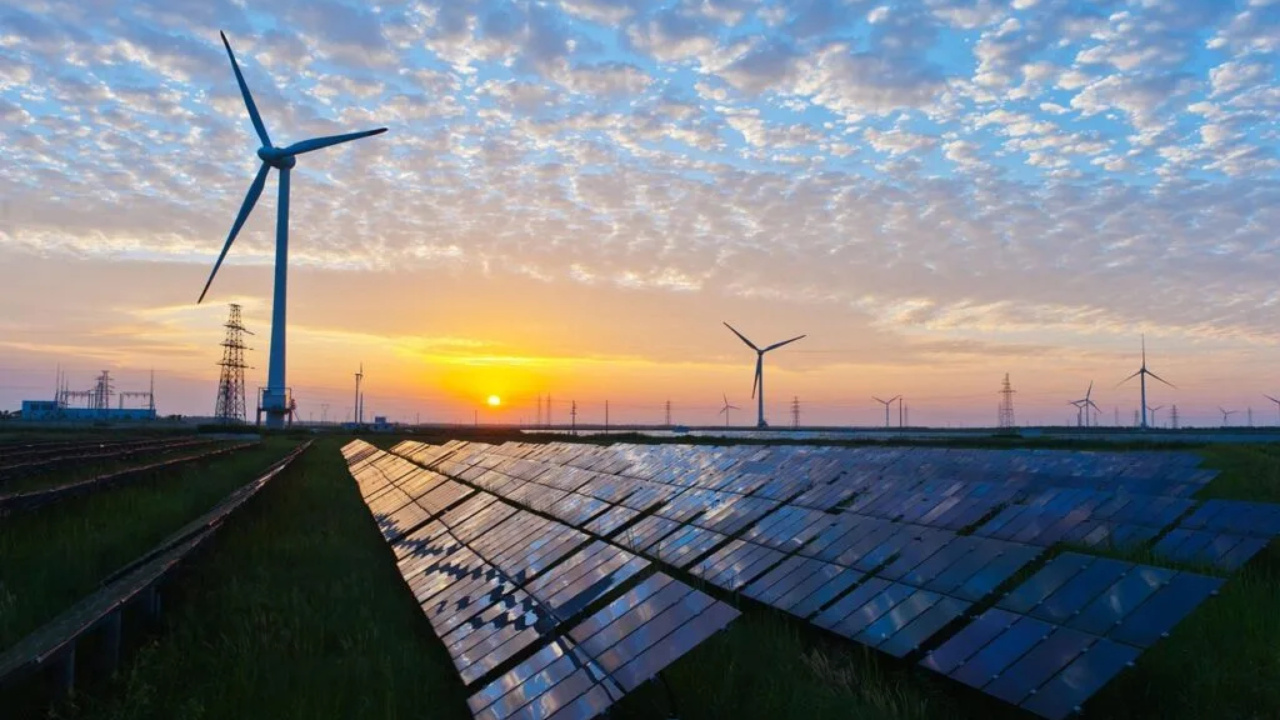
BNDES Announces It Will Evaluate Case by Case the Temporary Suspension of Debts of Companies Affected by Curtailment in Solar and Wind Energy, Seeking to Alleviate the Financial Impact of Generation Cuts Imposed by ONS.
The National Bank for Economic and Social Development (BNDES) reported that it will negotiate case by case the requests for temporary suspension of debts from solar and wind energy companies affected by curtailment, a term used to designate the generation cuts imposed by the National Electric System Operator (ONS).
The bank’s decision comes in response to the severe revenue loss faced by companies in the sector, which suffer from limitations in transmission infrastructure and excess supply compared to demand. The goal of the measure is to prevent a financial collapse and provide temporary cash relief to the most affected companies.
Luciana Costa Emphasizes That BNDES “Will Not Put a Knife to the Neck of Companies”
The Director of Infrastructure, Energy Transition, and Climate Change at BNDES, Luciana Costa, highlighted that the bank is closely monitoring the curtailment issue in solar energy and is committed to acting responsibly and sensitively.
-
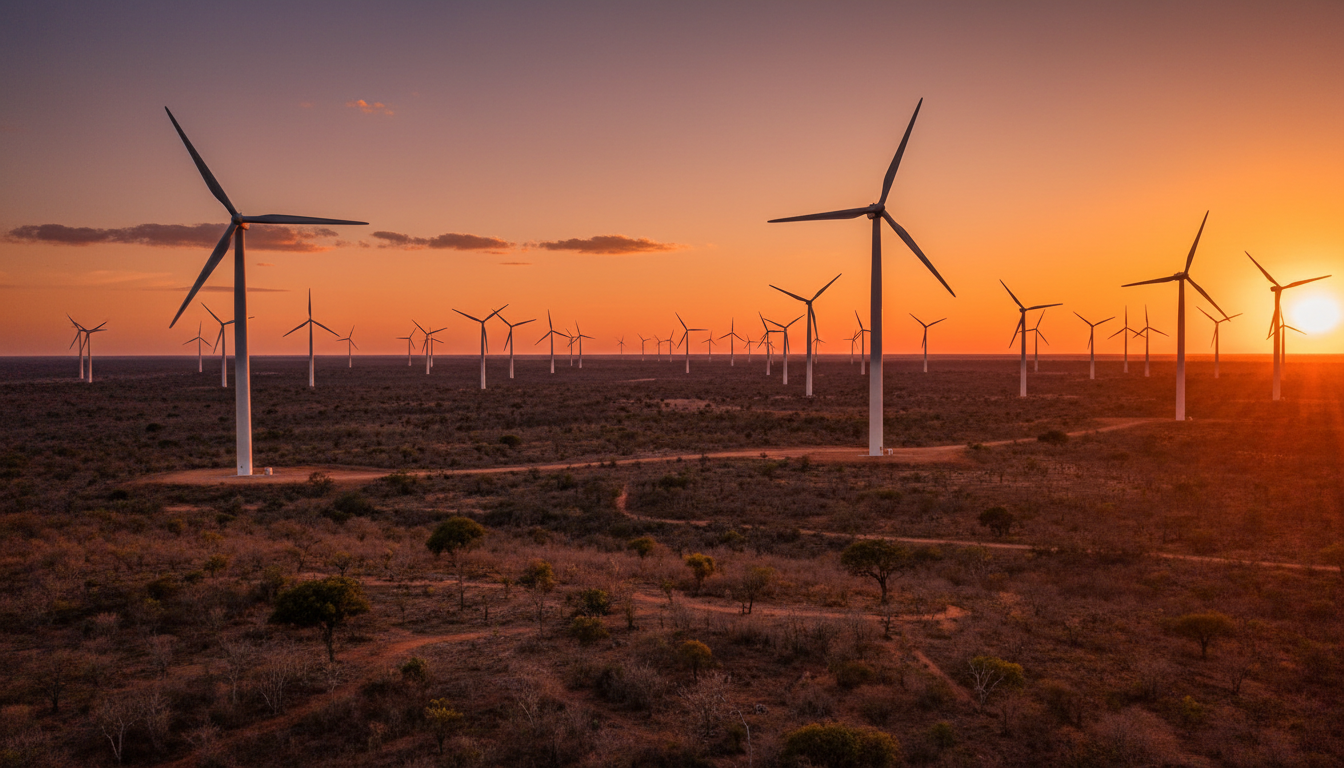
The Brazilian Northeast is receiving the largest wave of investments in clean energy ever seen in the country, with R$ 200 billion in wind and solar, 9,000 km of transmission lines, and a promise that could change the economy of 60 million people.
-
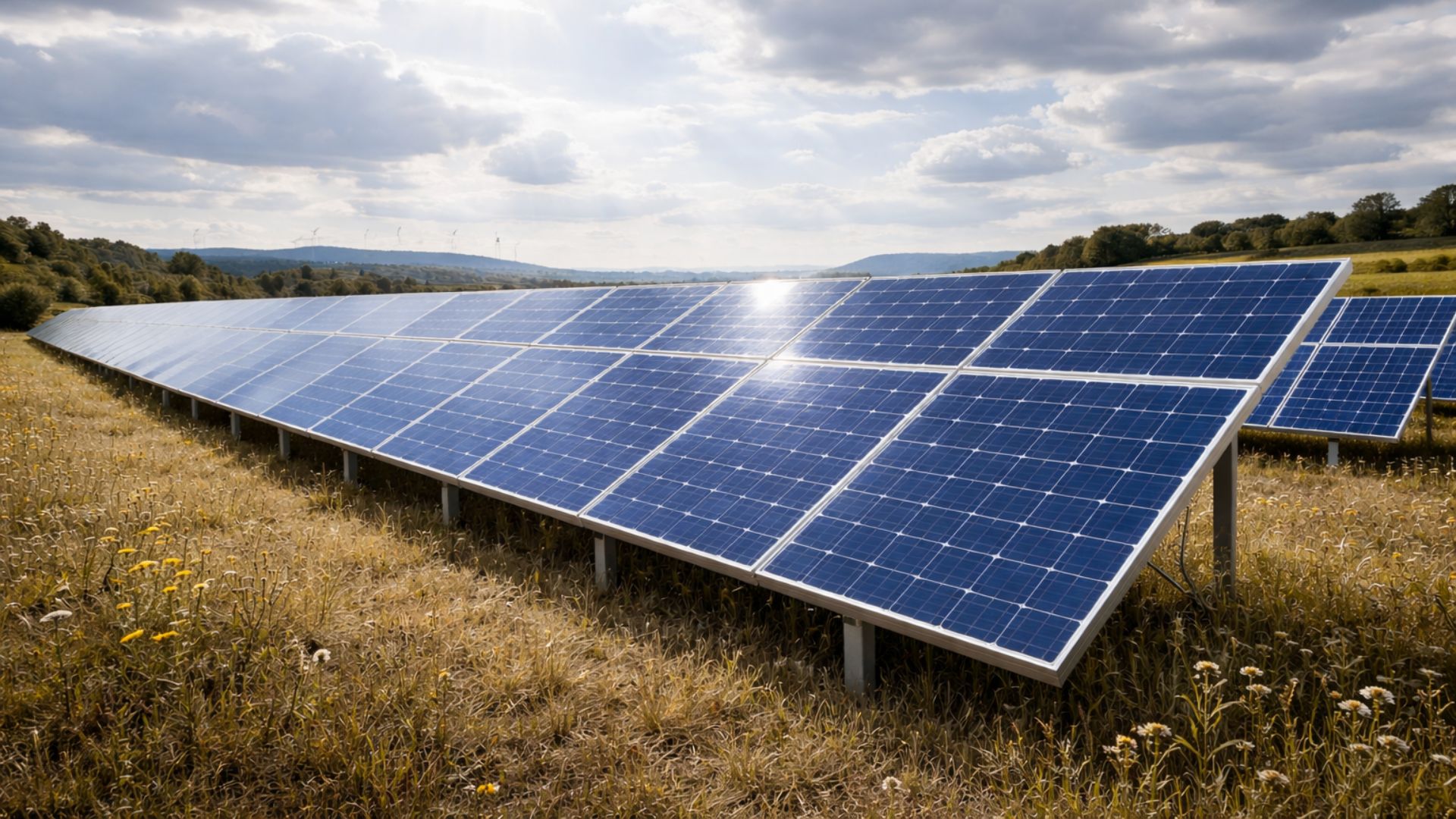
Chinese company creates solar cell that breaks the physical limit of silicon with 34.85% efficiency and promises to revolutionize electricity bills with panels that generate 20% more energy starting in 2026.

-
Jacareí advances with a photovoltaic plant and bets on sustainability to transform public management with clean solar energy, reducing operational costs and strengthening energy efficiency in essential services.
-
Maricá transforms Risca-Faca into Leonel Brizola Neighborhood with solar energy and promises to reduce costs for families while promoting dignity, urbanization, and social development in a historically vulnerable community.

In a recent interview, the executive stated that the institution “does not intend to put a knife to the neck of companies,” emphasizing the commitment to protect projects and support clients. This week, she reaffirmed to Valor Econômico that the treatment will be individualized: “It will be case by case, and the way we address the private sector and projects is with great responsibility.”
Solar Sector Associations Lead Negotiations with BNDES
The request for temporary suspension of debts was formalized by ABSOLAR (Brazilian Association of Photovoltaic Solar Energy), which leads the discussions with BNDES. The entity is also coordinating solutions with the Northeast Bank (BNB) and the Bank of Brazil, seeking a coordinated response to the problem.
According to sector estimates, losses accrued due to curtailment have already surpassed R$ 3.2 billion just in 2025, heavily impacting solar and wind energy producers. The scenario has led to a wave of legal actions, with companies trying to secure compensation for the cuts in generation.
The damages result mainly from bottlenecks in transmission infrastructure, the operational limits of the lines, and the mismatch between energy supply and demand. In many cases, solar and wind plants are required to partially interrupt production, even under ideal generation conditions.
However, BNDES states that there is still no exact estimate of the total volume of debts that may be renegotiated. According to the bank, the amount will be defined as companies formalize their suspension requests.






Seja o primeiro a reagir!