





 English
  Francês
  Alemão
  Italiano
  Japonês
  Norueguês
  Portuguese
  Spanish
 4 min of reading
  0 comments


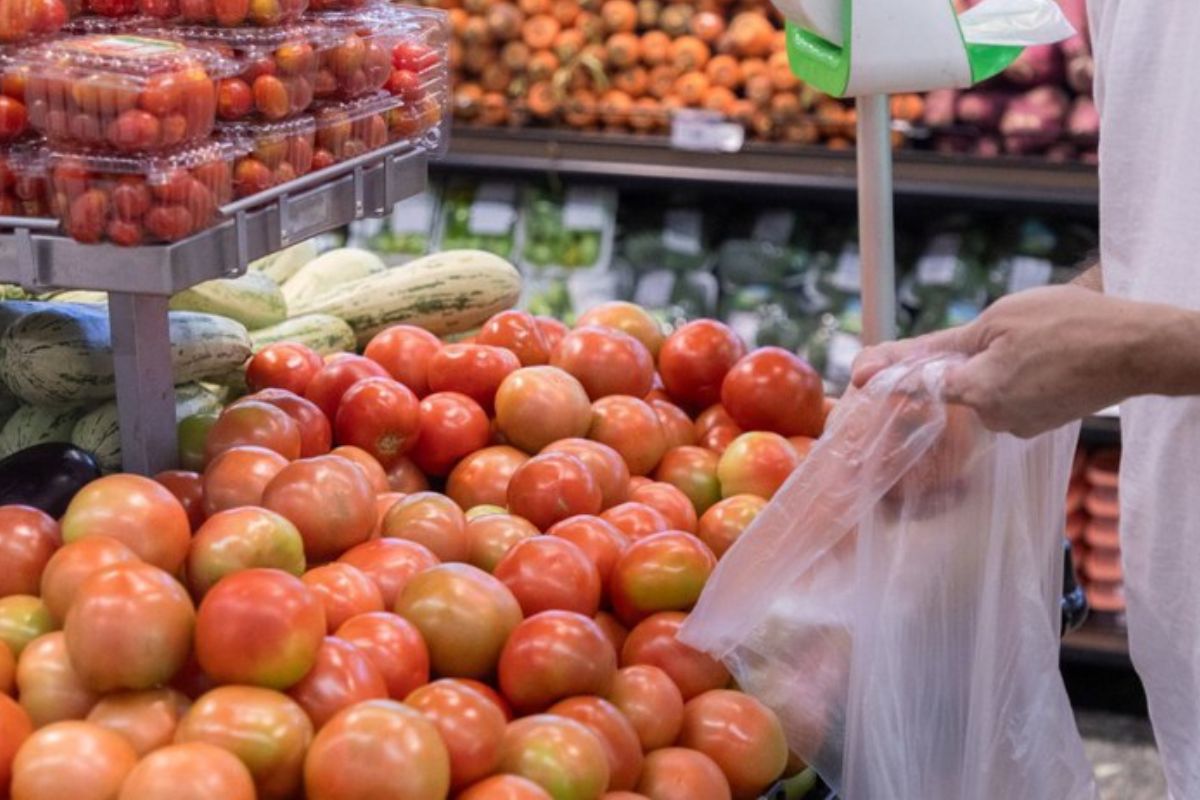
In September, The Cost Of The Basic Basket In Brazil Presented A Significant Decrease, Driven By The Reduction In Essential Food Prices In 22 Capitals, Reflecting Greater Supply And Economic Stability
In the comparison between August and September, the cost of the basic basket in Brazil showed decreases in 22 of the 27 monitored capitals through a joint survey by The Government and Dieese, according to a report published.
The foods that pulled the trend down were tomato, rice, potatoes, ground coffee, and sugar. The movement impacts household budgets and indicates new dynamics in the national market.
Check out the analysis of the behavior of the basic basket, as well as the causes of reductions and impacts for different regions.
-
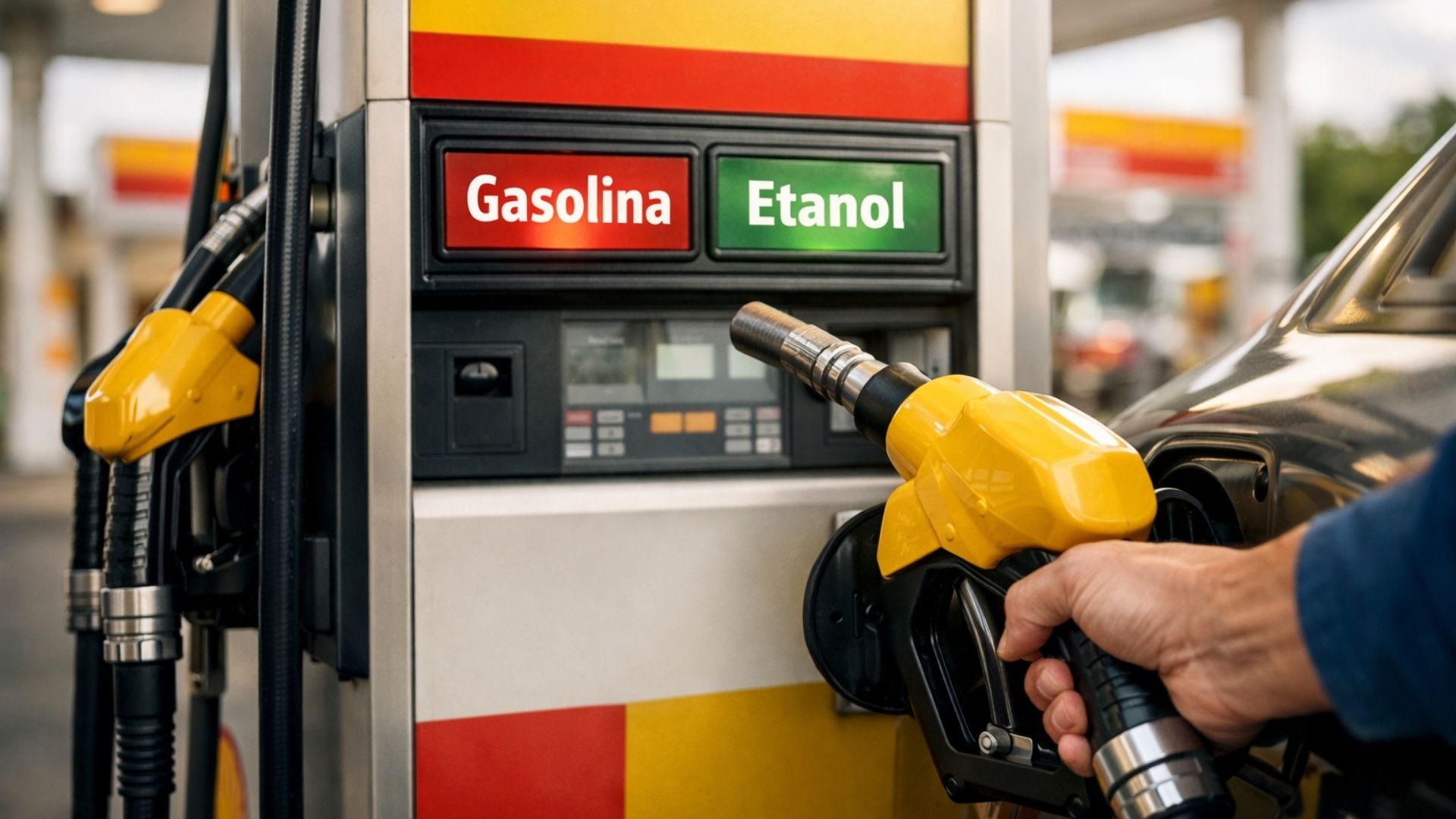
The government has made a decision and is starting a test with more ethanol in gasoline, anticipating a mixture of up to 35%, diesel with 25% biodiesel, and a study to assess the impacts on engines.
-
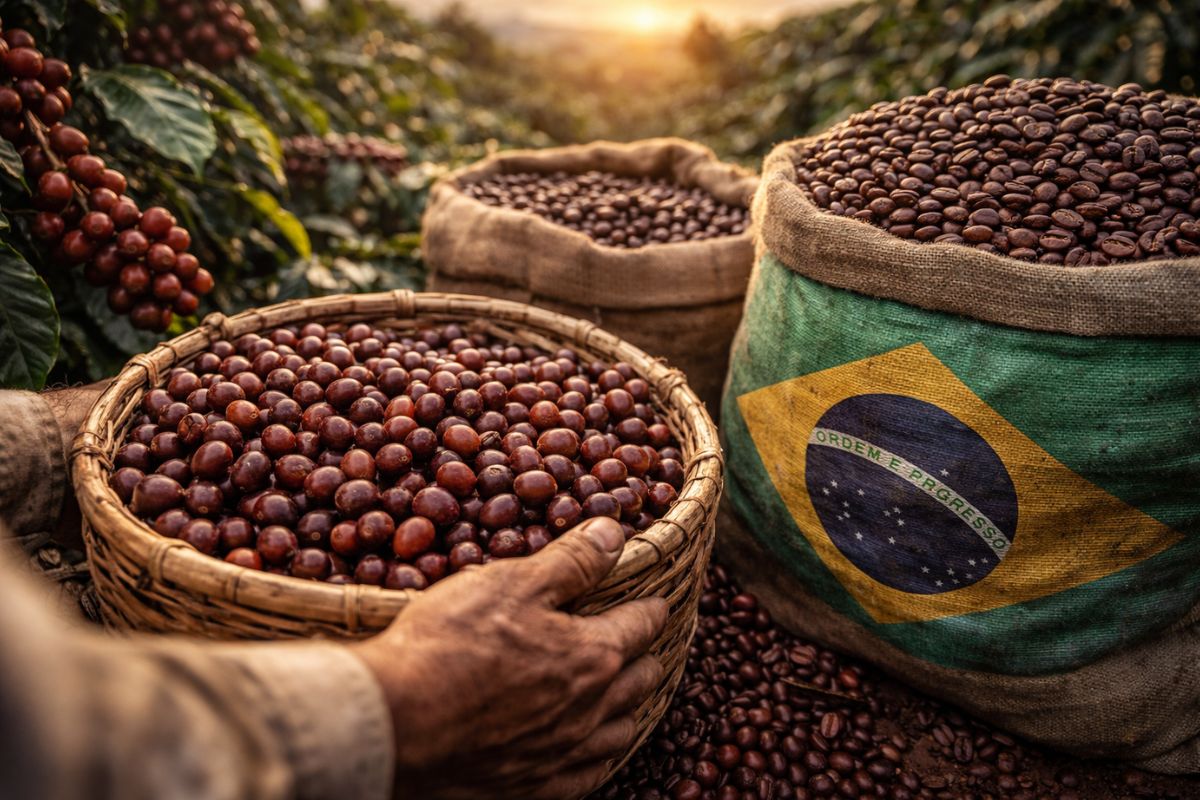
Brazil is the largest coffee producer in the world, but four foreign companies control more than half of the domestic market, including brands that you probably have in your kitchen like Pilão, 3 Corações, Melitta, and Nescafé.
-
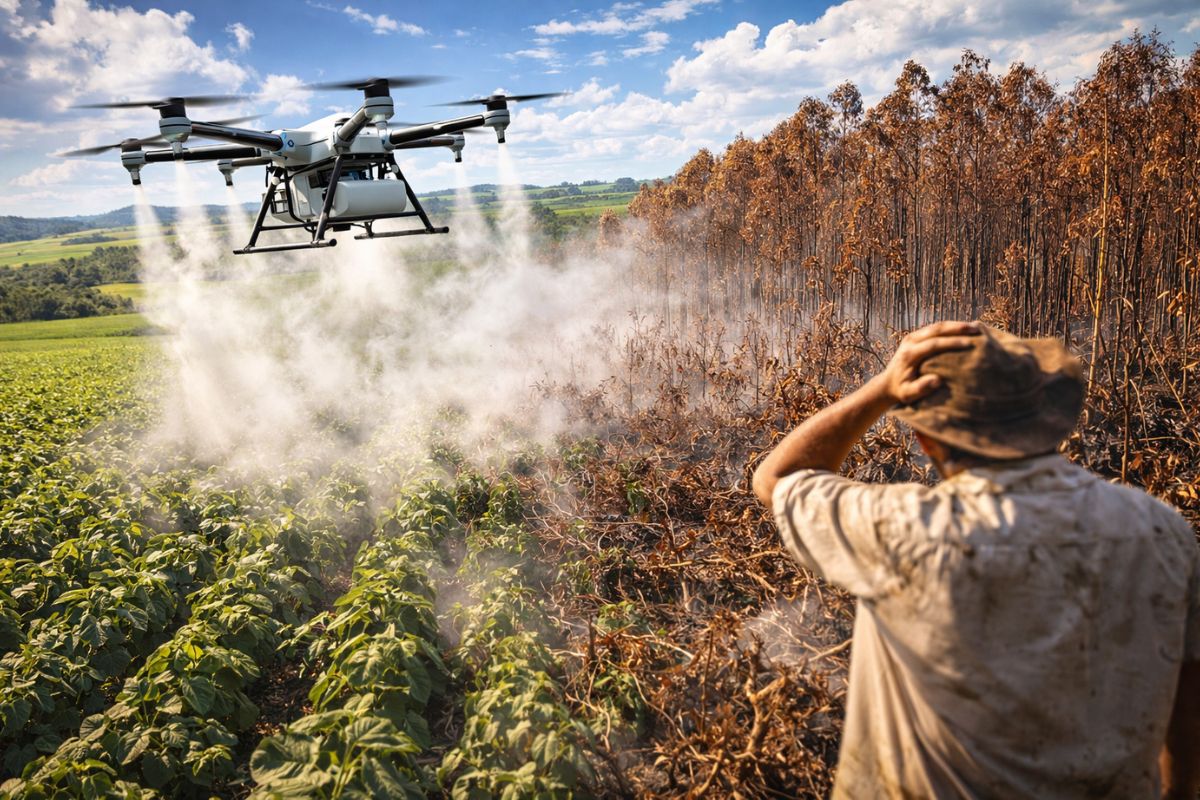
Drone with herbicide applied in pasture spreads mist, hits neighboring crop, destroys 40 thousand eucalyptus trees, devastates chayote plantation, and leaves a rural producer in Goiás facing million-dollar losses.
-
Expansion of Federal Institutes: 38 new campuses and R$ 200 million for public education; see the cities included.

Reduction Among Capitals And Quarterly Comparison (Variation Of The Basic Basket By City)
The national survey of the basic basket indicated significant variations among locations. The most significant drops came from Fortaleza (-6.31%), Palmas (-5.91%), Rio Branco (-3.16%), and São Luís (-3.15%).
On the other hand, some capitals did not follow the trend: Belo Horizonte saw a price increase of 3.07% for potatoes, for example.
In the quarterly comparison (July to September), the cost of the basic basket in Brazil decreased in 25 capitals, with Fortaleza leading the decrease at -8.96%, followed by São Luís (-6.51%), Recife (-6.41%), and João Pessoa (-6.07%).
Only Macapá and Campo Grande registered increases (0.94% and 0.63%, respectively).
Ingredients With Greater Influence (Decline In Prices Of Essential Foods)
Among the items that most contributed to the retraction of the basket price, tomato stood out: it fell in 26 capitals, with a decrease of up to 47.61% in Palmas, while in Campo Grande the drop was 3.32%.
Only Macapá deviated from the trend and experienced an increase of 4.41%. The short grain rice became cheaper in 25 cities, with highlights for Natal (-6.45%), Brasília (-5.33%), and João Pessoa (-5.05%).
Sugar dropped in 22 capitals, ranging between -17.01% in Belém and -0.26% in São Luís, with notable increases in Goiânia (0.51%) and João Pessoa (0.49%).
Ground coffee dropped in price in 14 capitals (RJ: -2.92%; Natal: -2.48%), but rose in São Luís (5.10%) and in Campo Grande (4.32%).
Meanwhile, potatoes fell in ten capitals in the Central-South region, with a reduction of up to 21.06% in Brasília; however, in Belo Horizonte there was an increase of 3.07%.
As for first-class beef, there was a decrease in 11 locations (e.g., Macapá -2.41%), while 16 reported increases. Vitória led the increase with 4.57%.
Capitals With Lowest And Highest Cost (Ranking Of Capitals By Monthly Food Cost)
In September, the lowest average values for the basket were recorded in Aracaju (R$ 552.65), Maceió (R$ 593.17), Salvador (R$ 601.74), Natal (R$ 610.27), and João Pessoa (R$ 610.93).
These capitals in the North and Northeast regions have a different basket composition, with a lower weight of more expensive foods.
In contrast, the highest cost recorded was in São Paulo: R$ 842.26. This difference accentuates regional disparities in the cost of the basic basket in Brazil, especially for those living in metropolitan areas.
Causes And Direct Implications (What Explains The Decline Of The Basic Basket)
The downward trend has clear reasons. In tomatoes, the supply increased with the national harvest, reducing retail prices.
In rice, despite the pressure from exports, the record production of the 2024/25 harvest generated an internal surplus that kept prices low.
As for sugar, the growth in production at São Paulo’s mills and greater supply in the international market lowered both external and domestic prices.
Meanwhile, coffee, even with international appreciation, faced muted demand in supermarkets, forcing average prices down.
The potatoes followed the winter harvest, increasing availability in consumer centers. Beef followed a heterogeneous trajectory: in regions experiencing drought, supply was limited, but low demand prevented widespread price increases.
Combined, these factors led to a retraction in the cost of the basic basket in Brazil, benefiting families with lower purchasing power and providing relief to monthly budgets.
The scenario, however, requires continuous attention to potential changes in climate, international trade, and agricultural policies.








Seja o primeiro a reagir!