





 Portuguese
  English
  Spanish
  5 min of reading
  0 comments


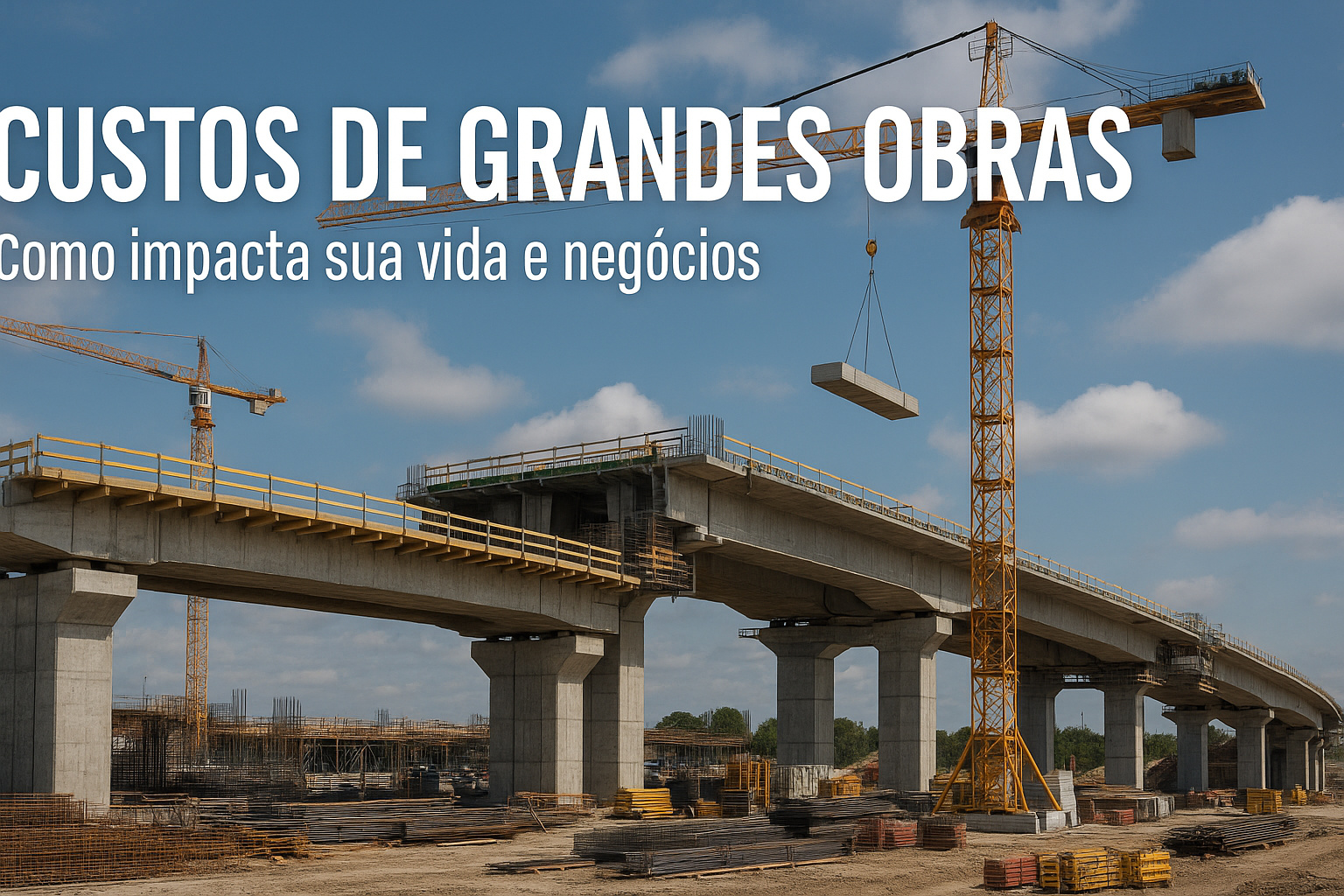
Discover How the Costs of Large Projects Affect the Economy, the Business Sector, and Your Daily Life, and Why Understanding These Investments Is Essential for the Country’s Future.
The costs of large projects have always drawn attention, as, besides the grandeur of the projects, they directly impact the economy, people’s lives, and business decisions.
From the construction of the Egyptian pyramids over 4,500 years ago to modern megaprojects in infrastructure, governments, companies, and society, therefore, face constant challenges to bring projects of this scale to fruition.
As pointed out by studies from the International Council on Monuments and Sites (ICOMOS), these historical works required massive investments and rigorous planning for their time.
-
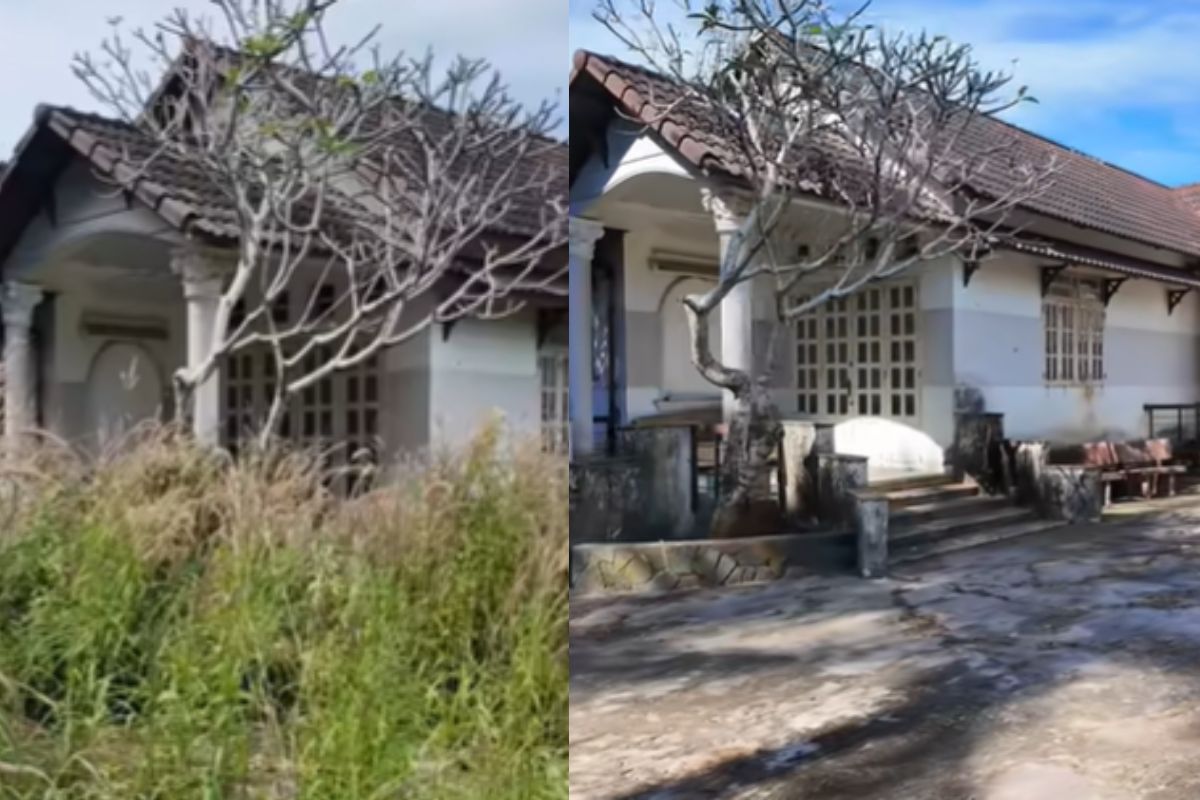
Abandoned house for 15 years disappears in the woods, shocks owner with unrecognizable scenery and is reborn in an intense transformation after almost 90 hours of work in just 10 days.
-
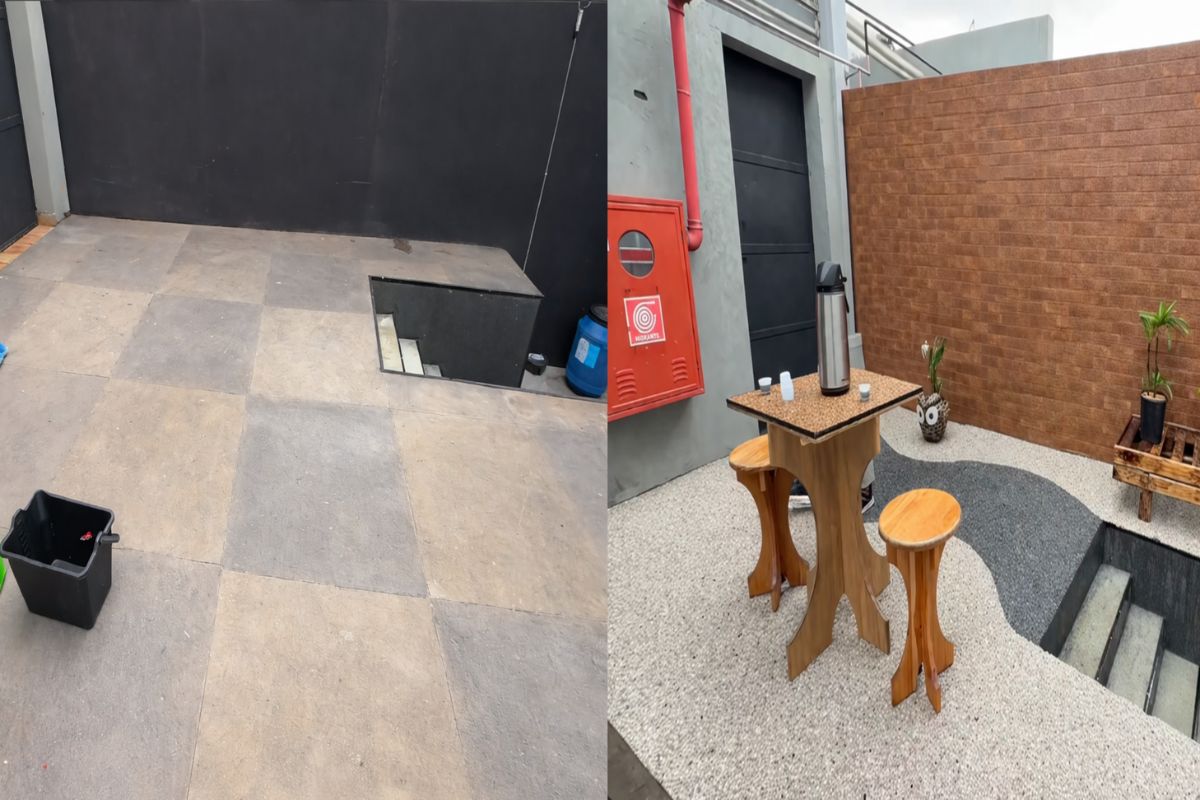
In just three hours, a natural stone floor transforms the entrance of the house with an organic effect, immediate drainage, and a sophisticated non-slip finish that doesn’t puddle water, dries quickly, and impresses with the final result.
-
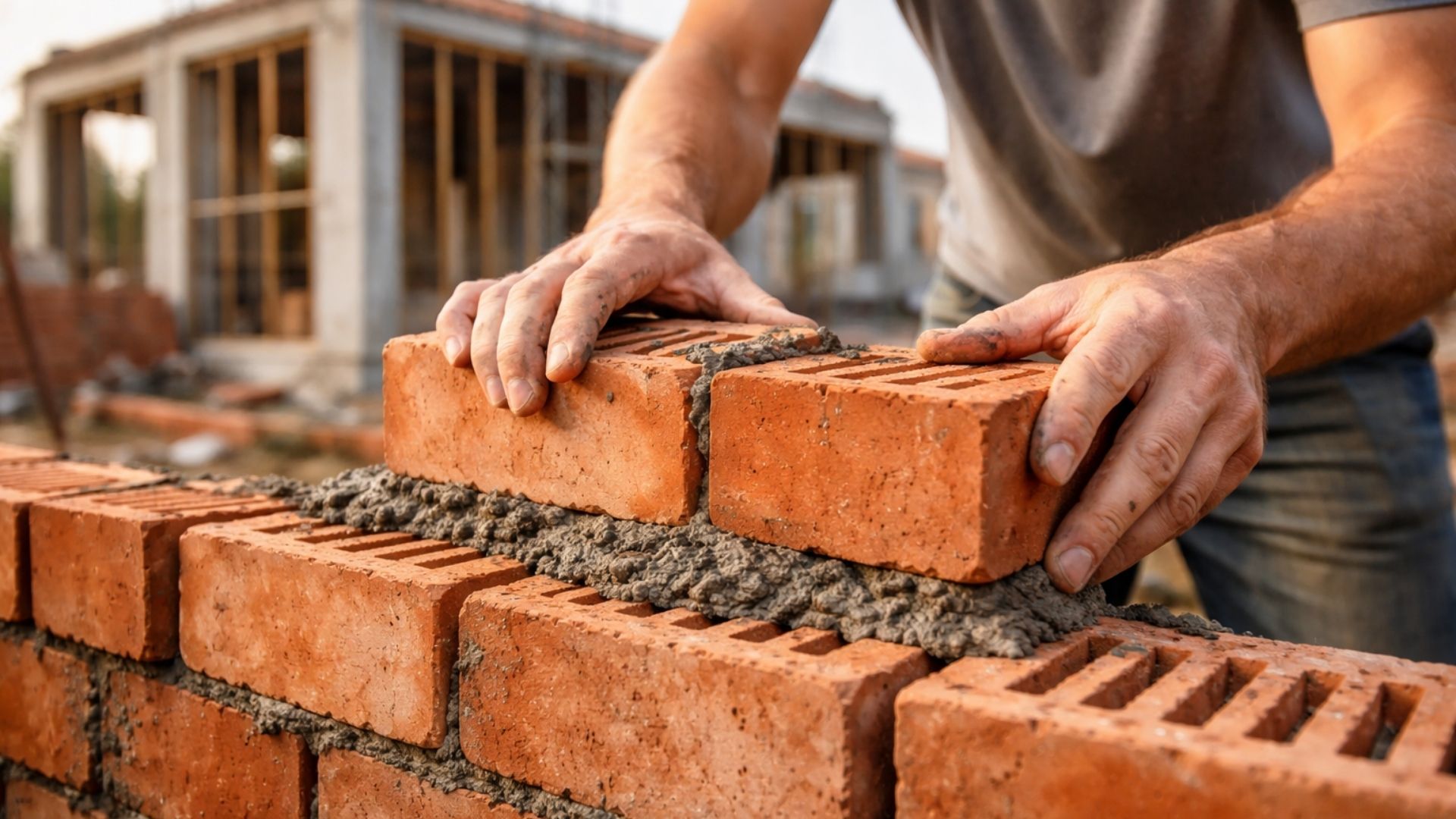
‘Interlocking brick’ made of earth arrives in the construction industry with cost reductions of up to 40% on the project.
-
Espírito Santo will receive the largest engineering project in its history with the duplication of BR 262, which will have 50 viaducts, 28 bridges, and 2-kilometer tunnels cutting through the most challenging mountainous region of the entire state.


Historically, large projects have been linked to both development and the demonstration of power.
For example, in Ancient Rome, aqueducts and amphitheaters, such as the Colosseum, built between the 1st and 2nd centuries A.D., aimed to showcase political strength and provide structural improvements for the population.
According to the Roman historian Livy, these constructions served as symbols of the empire’s prosperity and organization.
In Brazil, the first large projects emerged during the imperial period in the 19th century when the country began expanding railroads to connect distant regions, according to records from the Brazilian Institute of Geography and Statistics (IBGE).
This movement gained momentum during the Vargas Era (1930-1945), with the creation of highways, railroads, and hydroelectric plants, according to data from the Ministry of Infrastructure.
Even though these historical projects caused profound impacts on society, it is important to highlight that the costs of large projects have not always been limited to money.
Often, the execution time, human wear, consumed natural resources, and social consequences weighed in the final balance of these works.
Today, with the advancement of technologies and management methodologies, the challenge consists of balancing these aspects to ensure truly sustainable projects, according to guidelines from the World Bank.
Composition of Costs and Economic Impact
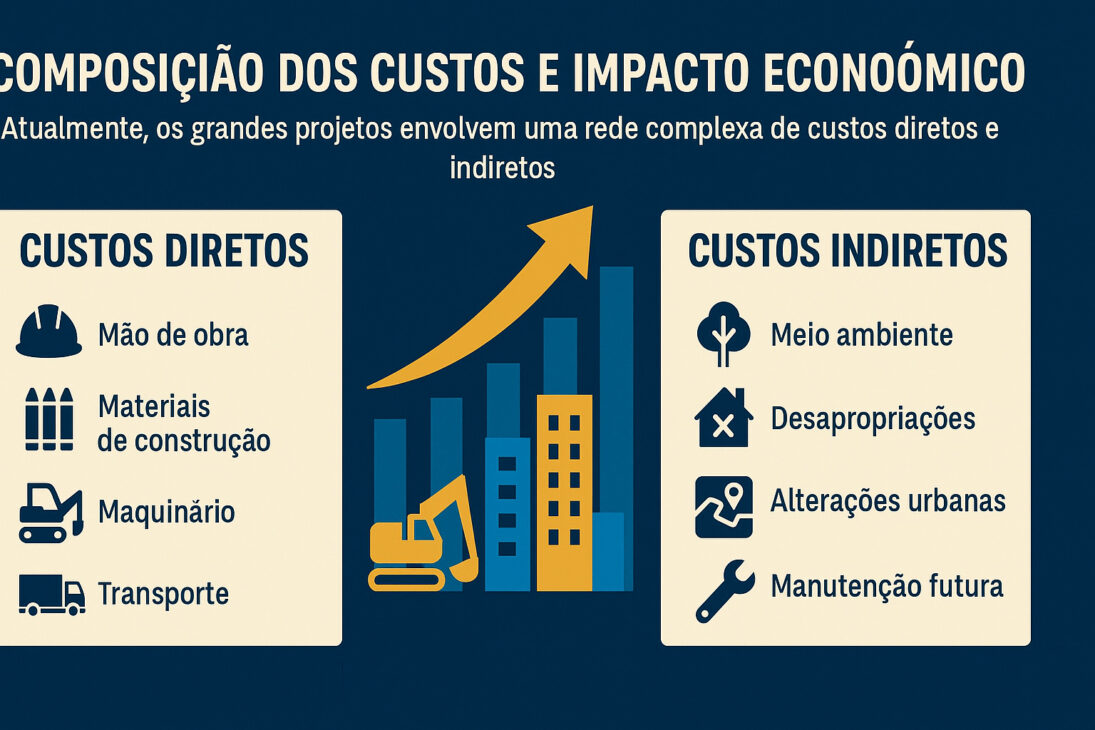
Currently, large projects involve a complex network of direct and indirect costs.
Direct costs include, for example, labor, construction materials, machinery, transportation, and technology.
Indirect costs involve impacts on the environment, expropriations, urban changes, future maintenance, and losses caused by delays, according to the Ministry of Economy.
The costs of large projects go far beyond the money invested on site and reverberate throughout the economy.
In fact, an infrastructure project, such as a highway or subway line, can create jobs, boost commerce, and increase property values in the region.
On the other hand, inadequate planning can lead to billion-dollar losses, generate public debt, and harm entire sectors of society, according to analyses from the Institute of Applied Economic Research (IPEA).
Furthermore, financial planning plays a critical role. Many large projects rely on public or private financing, with staggered payments and long-term return expectations.
Therefore, managers need to have a strategic vision, considering not only the immediate cost but also future operational and maintenance costs, which can represent a significant portion of the total budget, according to recommendations from the National Bank for Economic and Social Development (BNDES).
Social and political responsibility is, therefore, present in public works. The invested money, often coming from taxes, demands efficiency, transparency, and planning.
One of the greatest challenges throughout history involves controlling expenses and combating overpricing.
Moreover, the lack of prior studies and inadequate planning unexpectedly raises costs.
Poorly prepared executive projects, rushed bidding processes, and failures in risk management lead many projects to exceed budgets, delay, and even be abandoned.
Benefits When Well Planned and Impacts on Businesses
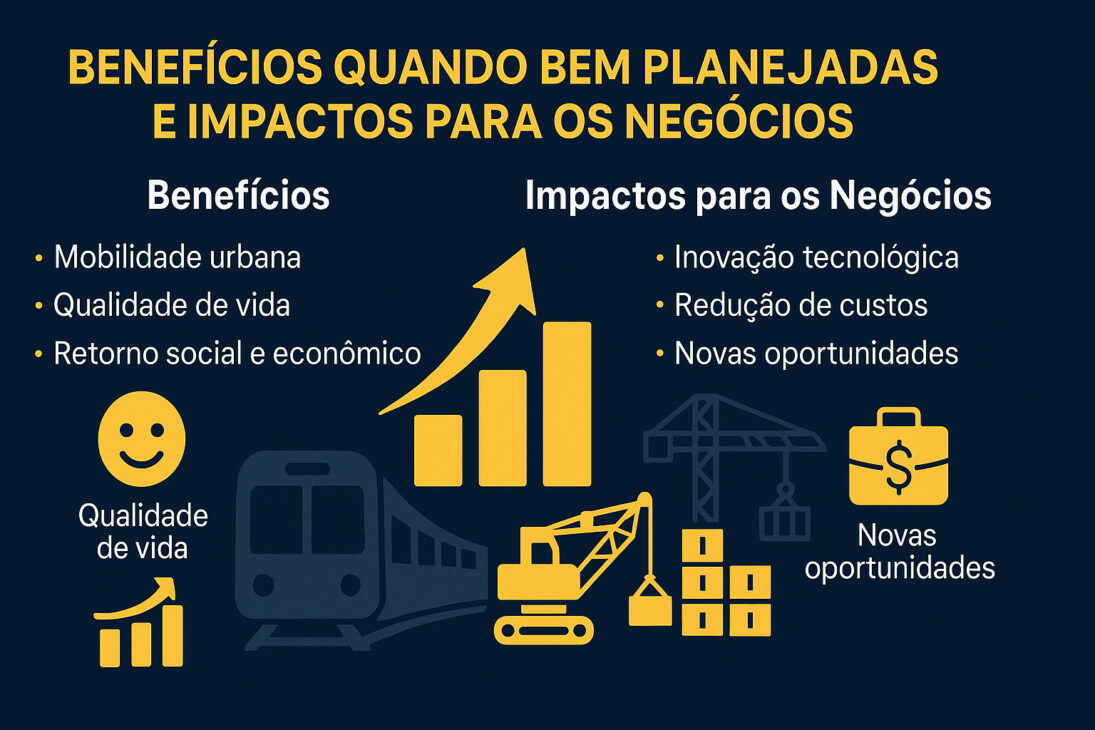
On the other hand, well-conducted projects serve as engines of growth.
The São Paulo metro shows how a well-planned and executed project can transform urban mobility, reduce travel time, and improve the quality of life for millions of people.
The same applies to ports, airports, and basic sanitation systems, which, although requiring high investments, generate social and economic returns over the years, according to the Ministry of Regional Development.
Another important point involves technological innovation and modern construction methods.
For example, the use of precast elements, modular techniques, and more durable materials significantly reduces costs and construction time.
Additionally, investing in technology during planning, such as modeling and analysis software, avoids rework and optimizes resources, according to data from the Brazilian Support Service for Micro and Small Enterprises (SEBRAE).
In the business world, understanding the costs of large projects becomes essential to evaluate opportunities and risks.
Engineering, construction, transportation, and energy companies need to develop clear strategies to operate sustainably and profitably.
Accurate pricing, mastery of construction technologies, compliance with environmental and labor regulations, and meeting deadlines and financial targets are competitive advantages in this market, according to the National Confederation of Industry (CNI).
For small and medium entrepreneurs, the impacts are also noticeable. For instance, a new highway can facilitate access to clients and suppliers, expand operational areas, and reduce logistics costs.
Sanitation works improve the health of the population and reduce absences due to illness, directly influencing productivity.
Thus, even if it may not seem so, the cost of a large project can impact the routine of local businesses, according to studies from the Getúlio Vargas Foundation (FGV).
Reflections on Daily Life and the Future of Large Project Costs
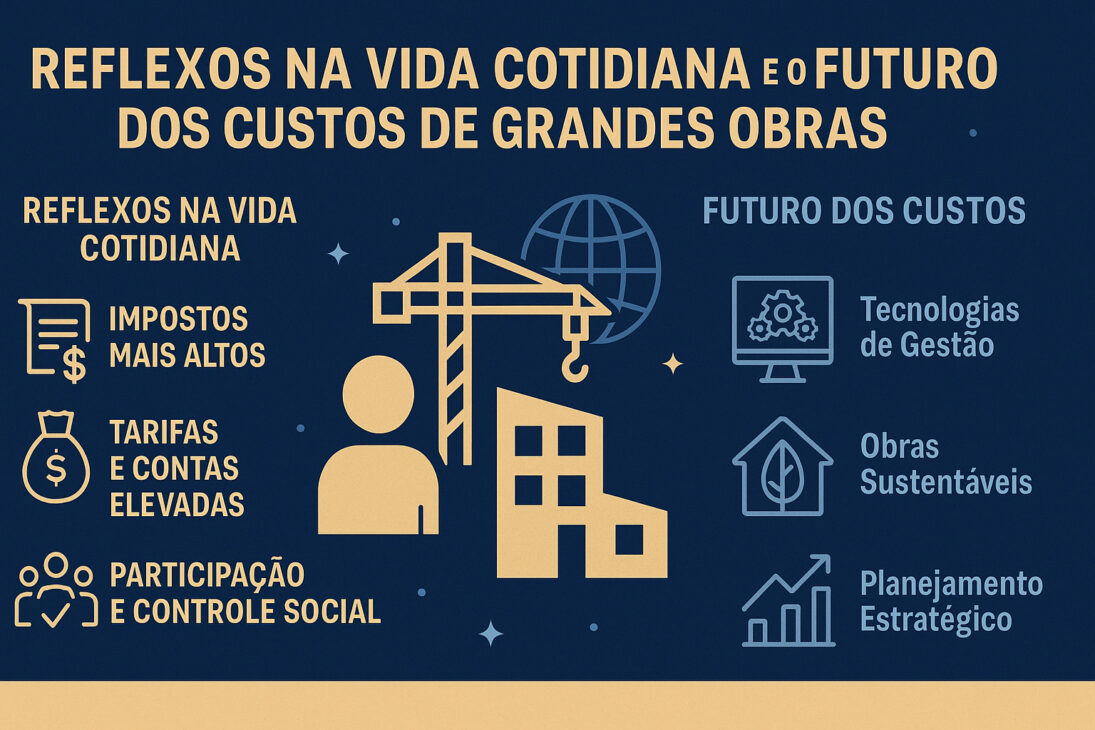
The costs of large projects impact the average citizen mainly through higher taxes, toll fees, and utility bills for electricity or water.
Therefore, society must monitor these investments with active participation, transparency, and social control.
It is essential to understand not only “how much it costs,” but primarily “why it costs” and “what real benefits” each project brings, according to guidelines from the Office of the Comptroller General of the Union (CGU).
Additionally, large projects can provoke complex social impacts, such as the displacement of communities, environmental changes, and cultural shifts.
Dialogue with affected populations helps minimize harm and ensures that progress accompanies social justice, according to recommendations from the United Nations (UN).
Today, in times of digital transformation and sustainability, large projects undergo profound changes.
Technologies such as BIM (Building Information Modeling), drones, smart sensors, and artificial intelligence increase cost control and predictability.
At the same time, the demand for more sustainable projects that respect environmental limits and promote the social development of communities is growing.
The future of large projects depends on the combination of strategic planning, technological innovation, smart financing, and ethical commitment.
The balance between cost and benefit should guide every project, avoiding waste and maximizing positive impacts.
In summary, the costs of large projects go beyond engineering and economics.
They influence our way of life, define government priorities, shape city growth, and create opportunities for entrepreneurship.
Understanding this scenario is the first step to participate more actively in the decisions that build the present and the future.











Seja o primeiro a reagir!