





 Portuguese
  English
  Spanish
  4 min of reading
  0 comments


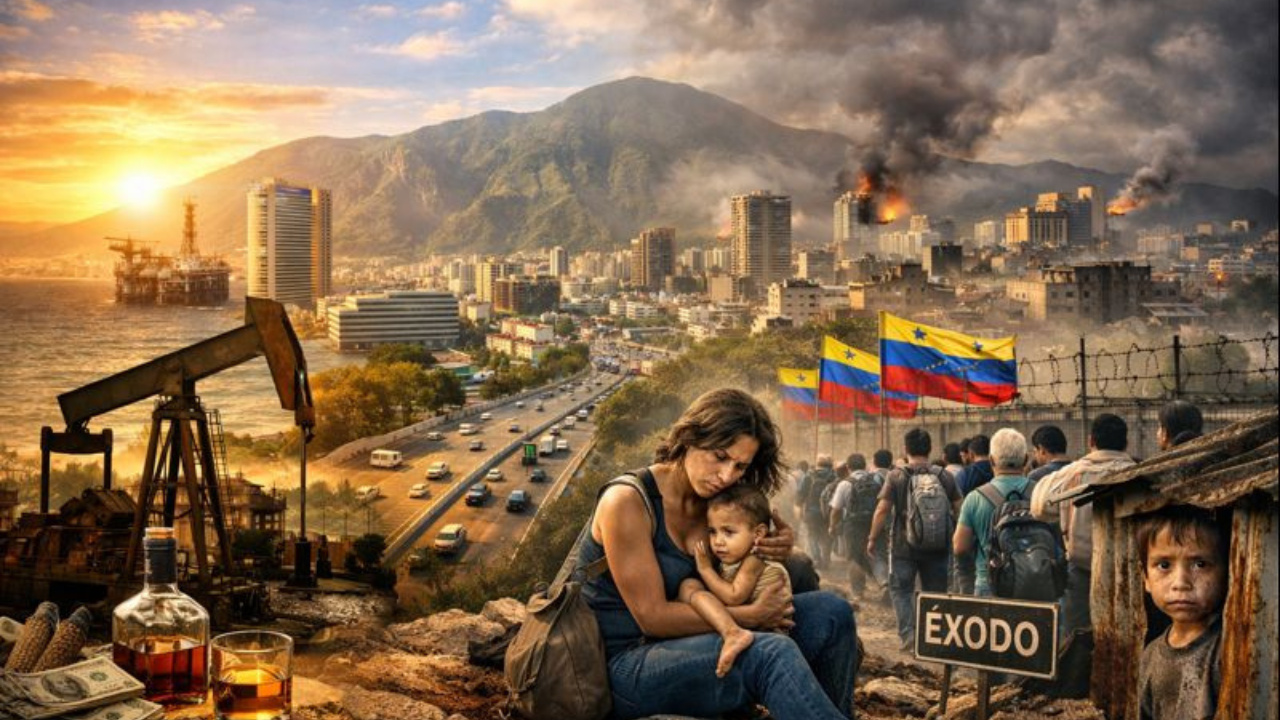
Venezuela Went from Oil Wealth to Economic Collapse, Plunging into Humanitarian Crisis and the Largest Migratory Exodus in the Americas.
The Venezuela, Brazil’s neighboring country, is currently facing a deep humanitarian crisis and is experiencing one of the largest migratory exoduses in recent history in the Americas.
The collapse began after decades of dependence on oil, exacerbated by political and economic decisions, culminating in a severe economic collapse that pushed millions of people out of the country.
The drama intensified mainly from the last decade, when the economy crashed, inflation spiraled out of control, and basic living conditions deteriorated.
-
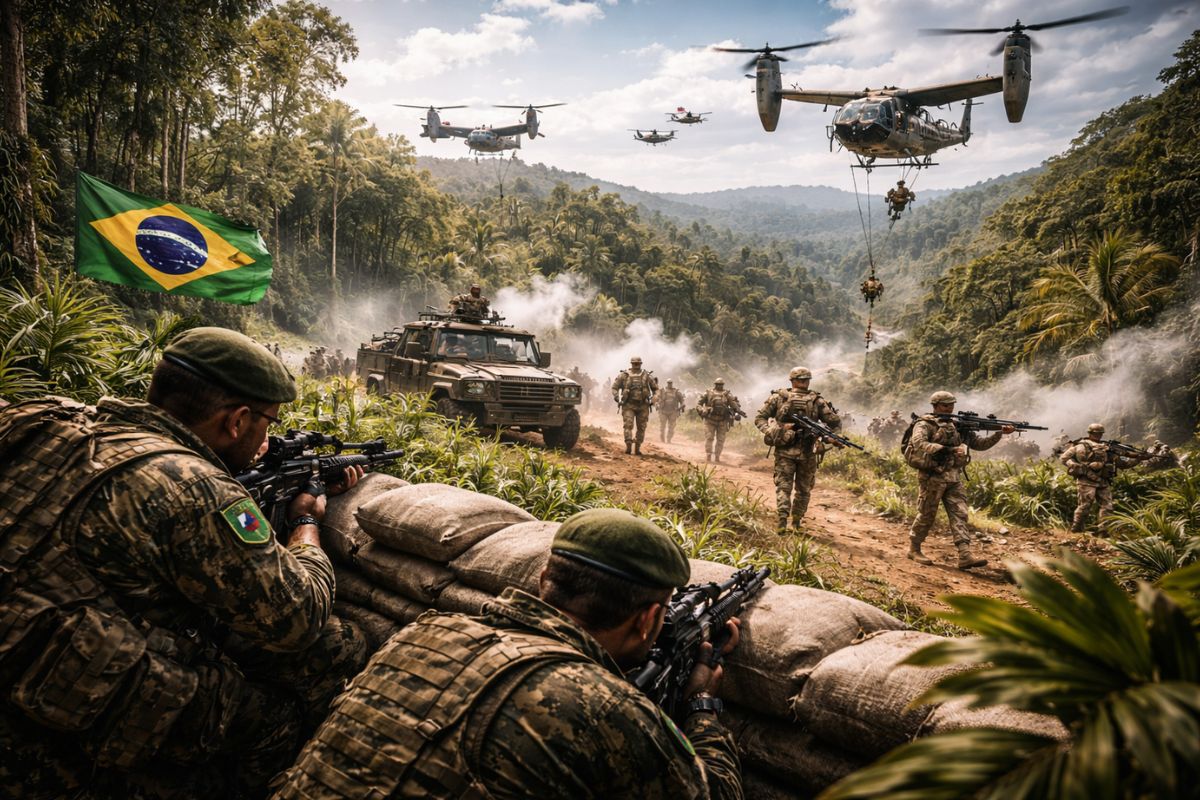
If the USA were to go to war with Brazil, Washington’s greatest fear would not be the attack itself, but facing a vast territory, prolonged resistance, and a costly, chaotic, and unpredictable occupation.
-
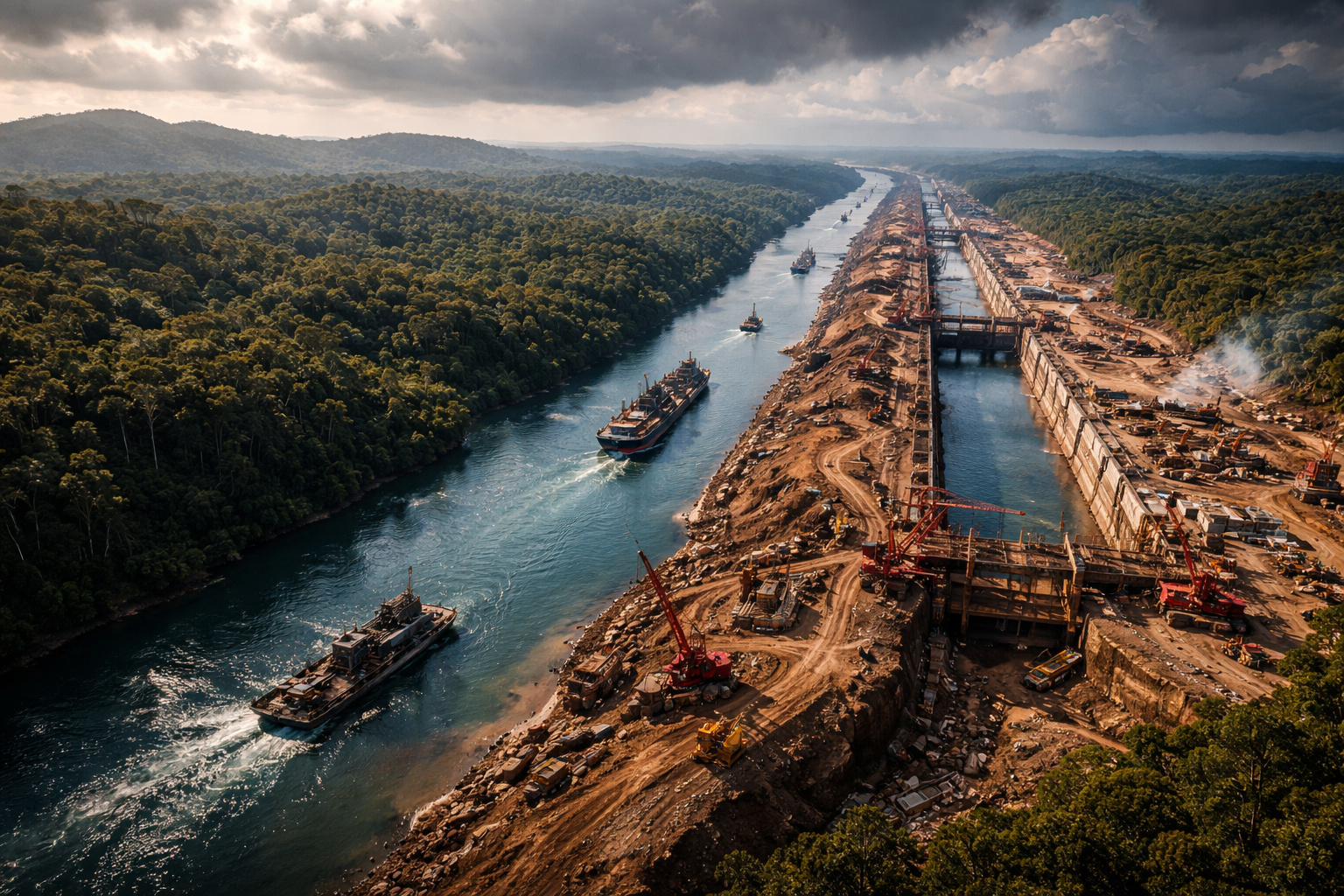
In 2013, Nicaragua sold the concession for a canal to rival Panama to a Chinese billionaire who lost 85% of his fortune, disappeared, and was declared bankrupt. Now the project resurfaces with a new route, a new Chinese partner, and a cost of $64.5 billion.
-
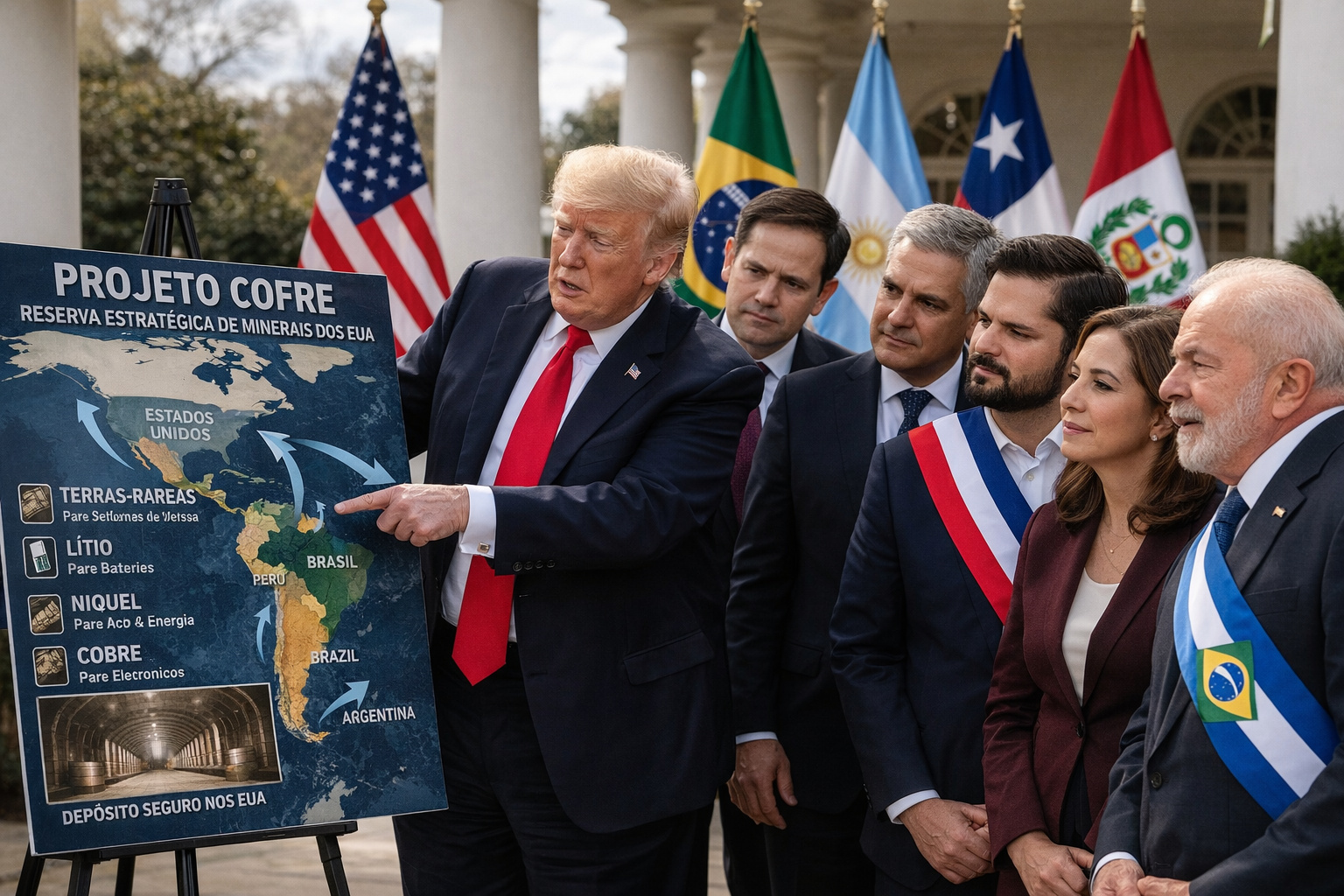
The USA announces a mysterious billion-dollar vault project to store critical minerals, but what intrigues experts is not just the plan itself, but why Latin America, including Brazil, has entered the center of this global dispute against China.
-
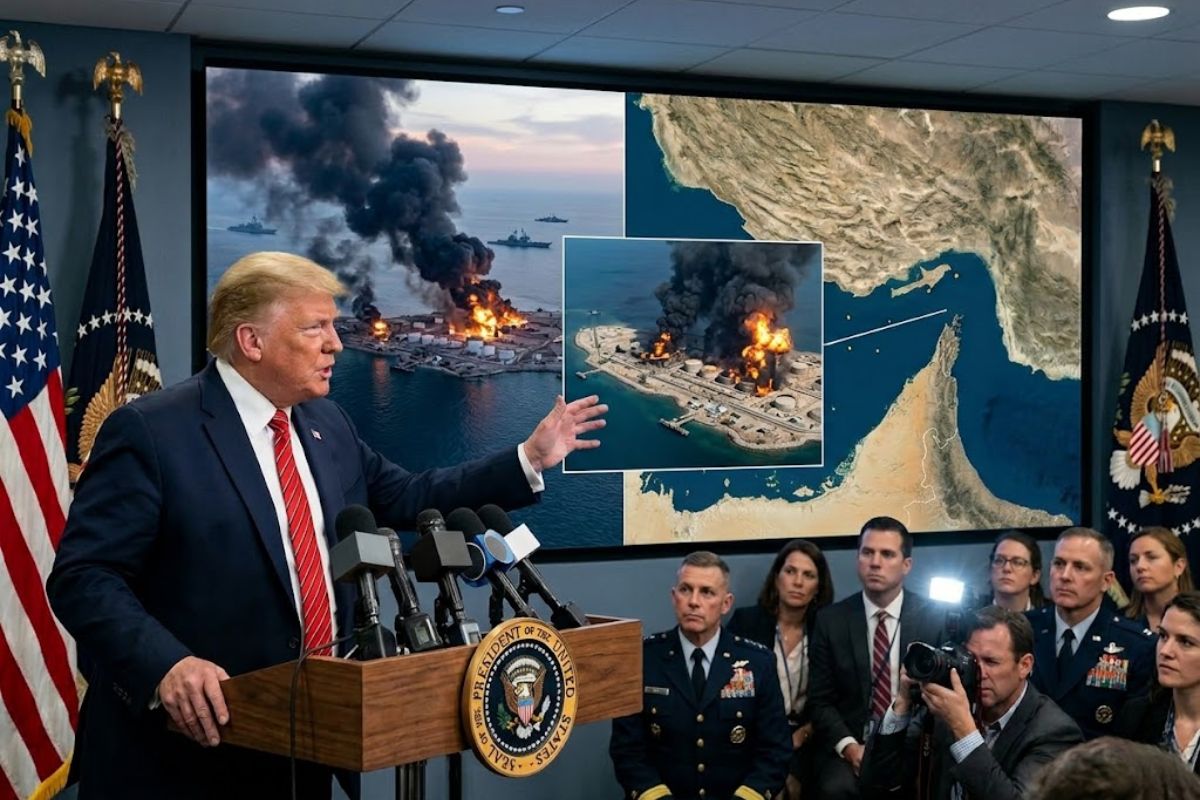
Trump Announces Bombing of U.S. Military Targets on Iranian Island Responsible for About 90% of Iran’s Oil Exports, Warns of Further Attacks if Navigation in Strategic Strait of Hormuz Is Threatened

The Golden Age of Oil in Venezuela
For much of the 20th century, Venezuela was seen as a symbol of prosperity in Latin America.
The exploration of oil transformed the country into an energy powerhouse and ensured revenues capable of sustaining a high standard of living.
As early as the first half of the century, Venezuelans were among the world’s largest producers of the commodity.
The consolidation of this growth occurred after 1958, with the end of the military regime of Marcos Pérez Jiménez. From then on, the country entered a cycle of political stability and economic expansion.
Between 1959 and 1983, a period often described as the most prosperous in Venezuelan history, the economy grew consistently and unemployment remained relatively controlled.
Consumption, Purchasing Power, and International Prestige
In the 1970s, driven by the international oil boom, Venezuela reached unprecedented levels of consumption.
According to OECD indices, the purchasing power of the population was the highest in Latin America, comfortably surpassing countries like Brazil.
Caracas modernized rapidly, showcasing advanced urban infrastructure, major highways, and hotels considered luxurious for the time.
In this context, the country was known as the “Saudi Arabia of Latin America,” a direct reflection of the abundance of natural resources and economic stability.
Furthermore, Venezuela ranked among the 20 richest countries in the world during the peak of the oil cycle.
Signs of Fragility Before the Economic Collapse
Despite the positive scenario, the nearly exclusive dependence on oil began to expose structural vulnerabilities.
The Venezuelan economy became little diversified, becoming extremely sensitive to fluctuations in the international market.
Still, about 25 years ago, the country’s GDP exceeded US$ 120 billion, growing faster than other major economies in the region.
On the other hand, the absence of structural reforms and increased public spending set the stage for an unstable future.
This scenario would drastically worsen following the change in the country’s political leadership.
From Regional Prominence to Economic Collapse
The rise of Hugo Chávez to power marked the beginning of a profound rupture in the Venezuelan economic model.
The process intensified under the government of Nicolás Maduro, when the combination of mismanagement, corruption, and concentration of power accelerated the economic collapse.
According to the Associated Press, based on interviews with economists, “the fall of Venezuela is the largest economic collapse outside of war in at least 45 years.”
Between 2014 and 2021, the GDP shrank by about 70%, while hyperinflation reached extreme levels, soaring to 300,000 percent in 2019.
Humanitarian Crisis and Social Collapse
As a direct consequence of the collapse, the humanitarian crisis spread throughout Venezuelan territory.
Basic services collapsed, hospitals began operating without supplies, and food insecurity became a daily reality.
Data from the UN and USAID indicate that millions of people rely on humanitarian aid to survive.
Reports indicate that a significant portion of the population goes without at least one meal a day, while thousands face severe malnutrition.
Currently, over 90% of Venezuelans live below the poverty line, a dramatic picture of social deterioration.
Unprecedented Migratory Exodus in the Americas
In light of this scenario, the migratory exodus became inevitable.
According to the UN Refugee Agency (UNHCR), nearly 8 million Venezuelans have left the country, marking the largest migratory movement in modern continental history.
Today, Venezuela accounts for about 70% of people crossing the dangerous Darién Gap towards North America.
The flow directly affects neighboring countries, including Brazil, which receives thousands of refugees in search of work, safety, and dignity.
A Country Between the Largest Oil Reserves and Extreme Poverty
Paradoxically, even in the face of economic collapse, Venezuela still holds the largest proven oil reserves on the planet.
However, the inability to translate this resource into sustainable development keeps the country among the lowest ranked in global prosperity indices.
In the Prosperity Index of the Legatum Institute, the nation occupies one of the last positions in Latin America, ahead of only Haiti.
The contrast between natural wealth and extreme poverty encapsulates one of the greatest economic and social tragedies of the 21st century.







-

Uma pessoa reagiu a isso.