





 Portuguese
  English
  Spanish
  3 min of reading


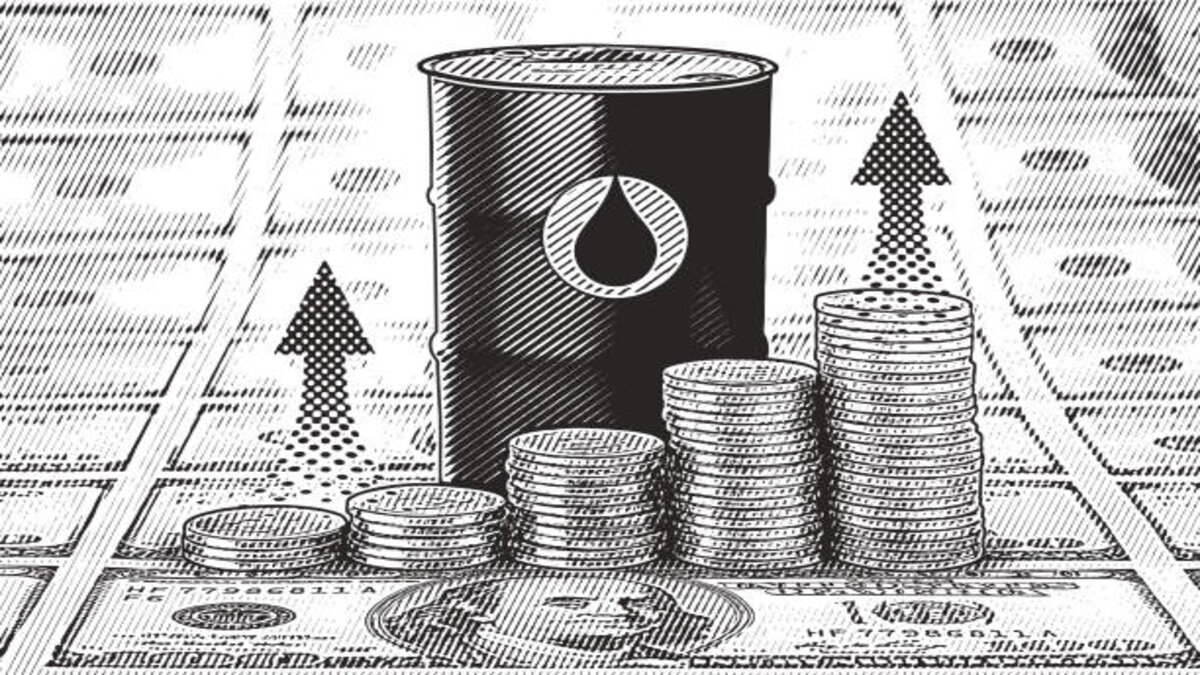
With the International Market Becoming Increasingly Unstable Regarding Oil Prices, Brazil Now Sees a Slight Drop in Gasoline and Diesel Prices and a Deficit Compared to Other Countries, According to Data from Abicom and ANP
Last Monday, (30/05), the national market shows a slight drop in fuel prices and a decrease in diesel and gasoline prices, according to data from the National Agency of Petroleum, Natural Gas and Biofuels (ANP). In contrast, the Brazilian Association of Fuel Importers (Abicom) confirms a current deficit of fuels in the country compared to foreign nations in a scenario of instability in oil trading.
Brazilian Market Finds Relief in Fuel Prices with Slight Drop in Gasoline and Diesel Prices at the Start of This Week
The international oil and gas market is facing instability caused by the conflicts between Russia and Ukraine and their impacts on nations. However, the Brazilian economy is now finding some relief regarding products, as ANP announced a slight drop in gasoline and diesel prices over the last week and the beginning of this one, thus ensuring a reduction in fuel expenses in the country.
According to ANP data, on average in the country, a liter of gasoline costs R$ 7.25 and diesel R$ 6.91, both 0.3% lower than the previous week, a drop that, although small, ensures some savings for the Brazilian people. Despite this, oil prices remain high due to the instability in the international market, and thus it is not possible to predict how long Petrobras will keep prices frozen at refineries under pressure from President Jair Bolsonaro.
-
Petrobras evaluates suspension of sales to distributors and considers canceling the cooking gas auction following guidelines from the Federal Government.
-
Lula reveals a masterstroke by Petrobras to undo a deal made by Bolsonaro, which involves the return of an important refinery that currently produces less than half of what was expected and makes Brazil dependent on international diesel.
-
A study confirms that the natural gas sector will reduce greenhouse gas emissions in Brazil by 0.5% and accelerate the energy transition by 2026.

-
Petrobras implements a severe adjustment and confirms a 55% increase in the price of aviation kerosene with a proposal for installment payments for the companies.


This is happening because the last increase in gasoline prices occurred 80 days ago, while the last hike in diesel prices took place 21 days ago, which ensures some momentary relief in expenses for petroleum derivatives in the national territory. Following the rising prices in the international market, the value of oil continues to increase, rising even further this Monday, with Brent for August contracts advancing 0.40% on the ICE, to US$ 116.02.
Abicom Warns of Diesel Deficit in Brazil and Reminds of Possible Shortage Scenario in the Second Half of the Year in the National Territory
Despite the current drop in gasoline and diesel prices reported by ANP this week, Abicom warned of a rise in the diesel deficit compared to foreign nations. According to the association’s data, the deficit of gasoline sold in Brazil compared to that sold in the Gulf of Mexico reached up to 10%, and for diesel, adjusted by 8.9% on May 10, it is at 5%. Thus, Abicom reveals a new escalation in fuel prices in the Gulf of Mexico.
In the state of Bahia, the only one in the national territory supplied by a private refinery, the Mataripe Refinery, fuel prices have been steadily declining throughout May. Acelen, the company that manages the refinery, is continuously making adjustments to prices, with gasoline dropping between 1.4% and 8.1% and diesel between 4.7% and 13.6%, depending on the market served, during May.
Finally, Abicom reminds of a possible scenario of diesel shortage in the second half of the year due to domestic demand coupled with increased global consumption, driven by heightened sanctions on Russian oil, and expects the international market to coordinate for stabilization in production and prices.










Seja o primeiro a reagir!