





 Portuguese
  English
  Spanish
  4 min of reading
  120 comments


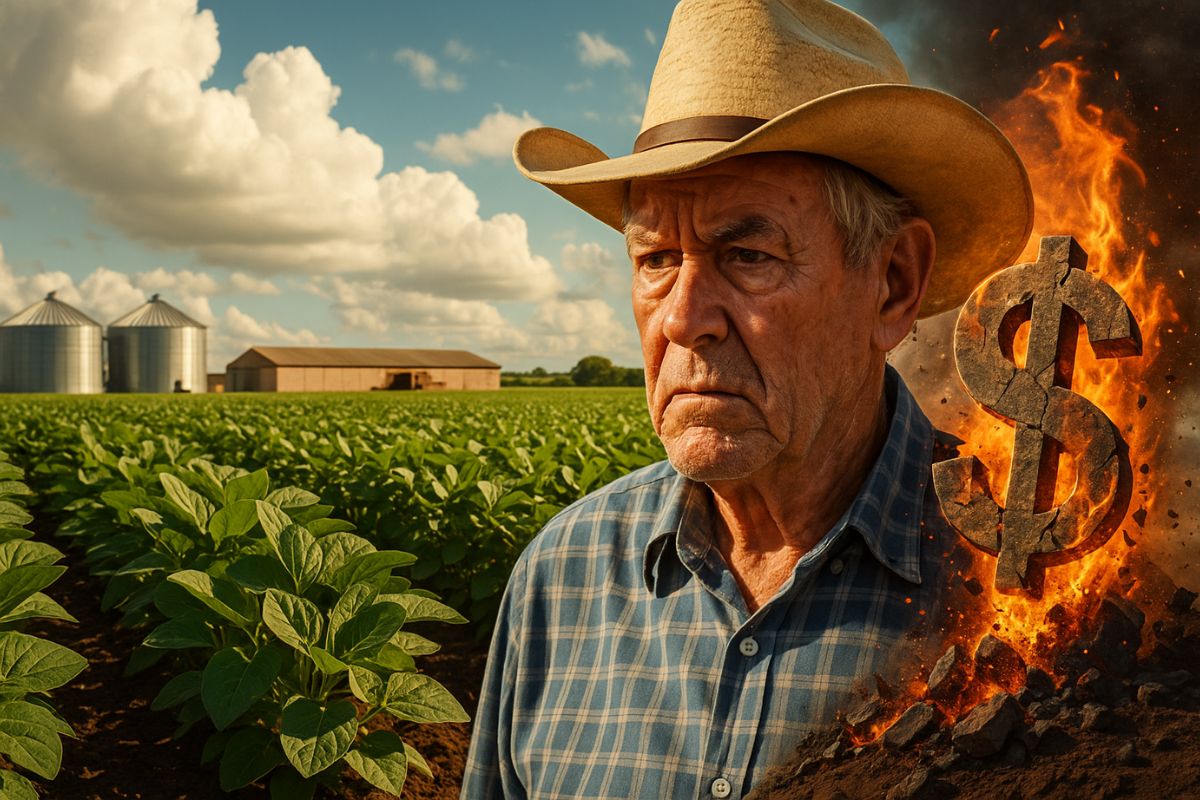


Olacyr de Moraes: The Rise and Fall of the Soy King. A Visionary Who Transformed the Cerrado Into Agricultural Power Left a Legacy Marked by Historical Achievements and a Dramatic Ruin.
For decades, Olacyr de Moraes was celebrated as the Soy King. Commanding an empire of 40 companies, 300,000 hectares of land, and over 25,000 employees, he became the largest individual producer of soy in the world and one of the richest businessmen in Brazil. His name was associated with monumental works, technological advancements in agribusiness, and a bold vision of infrastructure.
But the same ambition that built his fortune also contributed to his downfall. Amid strategic errors, lack of state support, and economic crises, Olacyr lost everything. At the end of his life, already stripped of his most valuable assets, he became a victim of a tragic incident involving his own driver and died far from the power he once wielded.
From Fast Deliveries to Heavy Engineering
Born in 1931 in Itápolis (SP), Olacyr started working early, helping his father in a small transportation business. His entry into construction came in 1957, with the founding of Constran, which grew rapidly during the economic miracle of the military dictatorship.
-
They said no to 26 million dollars and would do it all over again: mother and daughter from Kentucky reject a million-dollar offer from a mysterious company that wants to build the largest data center in the state on more than 2,000 acres of rural land.

-
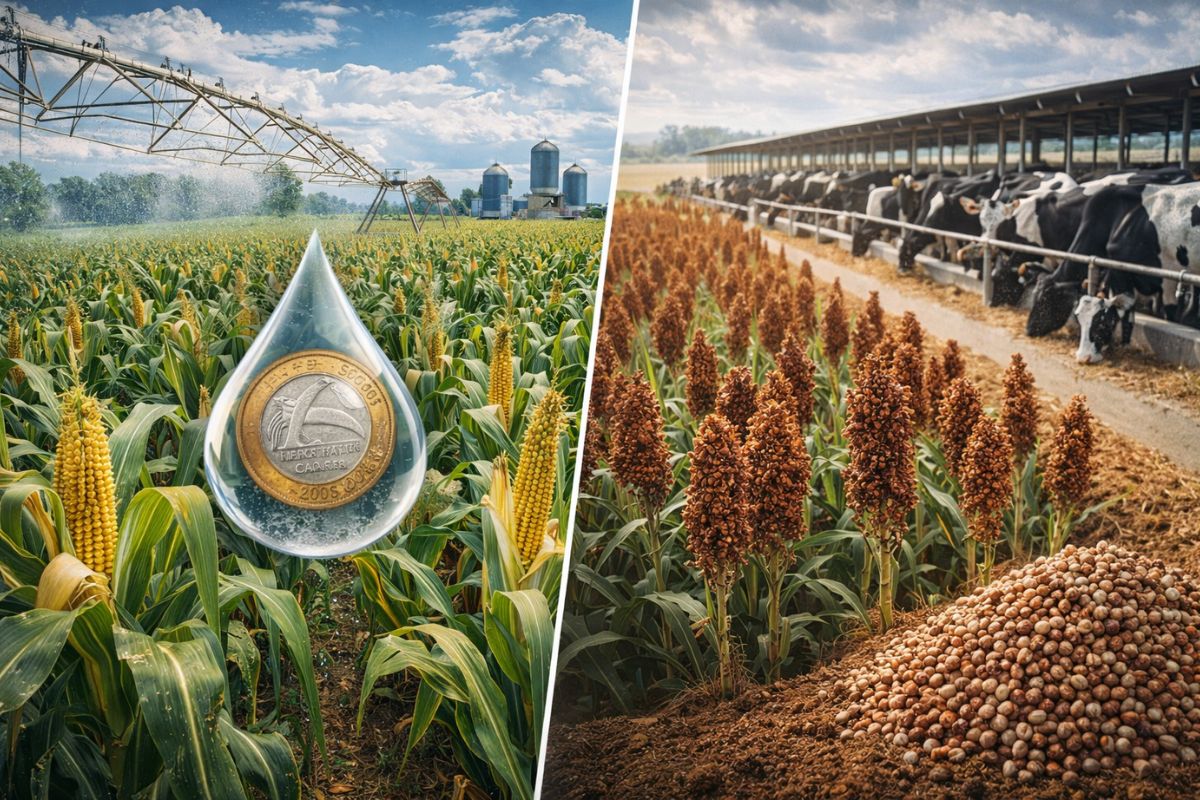
While corn requires rain and is expensive, sorghum produces almost the same volume per hectare at a cost up to 80% lower and uses less water, and it is revolutionizing dairy farming in the Triângulo Mineiro, where producers save hundreds of reais per hectare.
-
A rural producer from Urubici cries as he shows 50 tons of plums thrown on the ground because no one wanted to buy them, and in desperation, he records a video asking anyone to come to the property to pick the fruits before they rot.

-
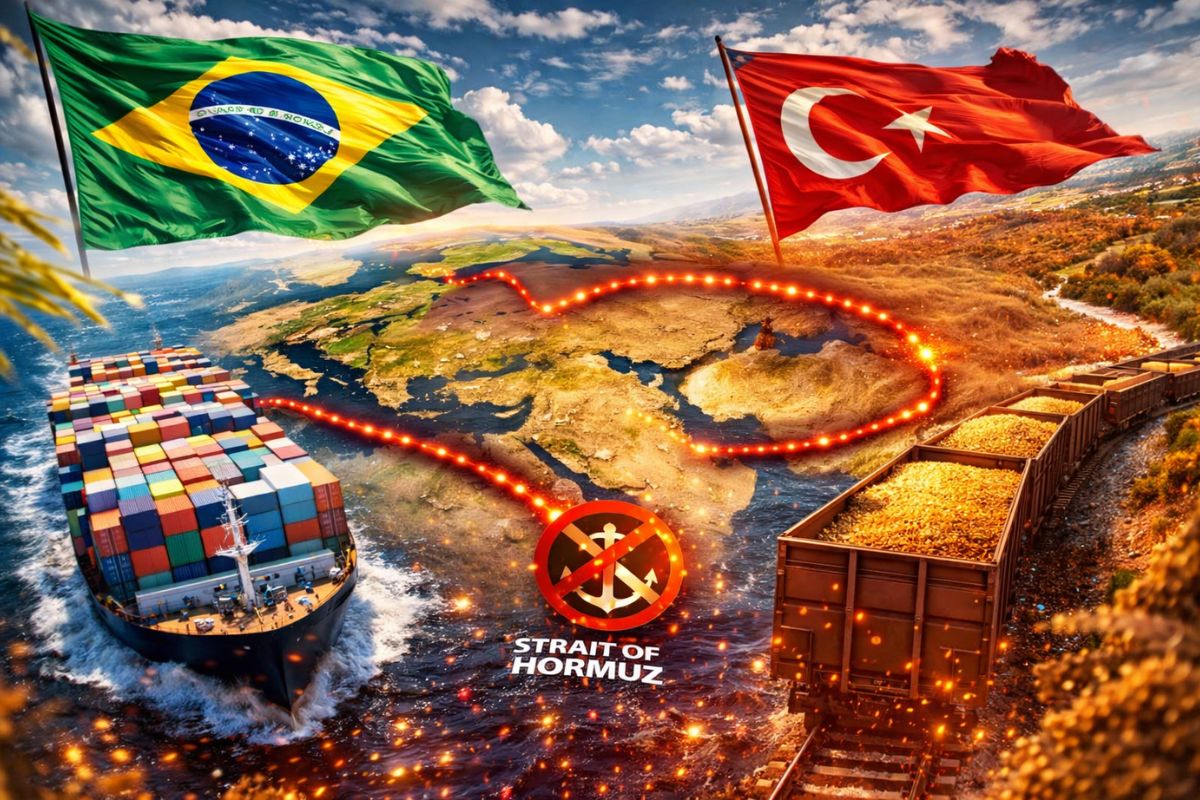
Unable to pass through Hormuz, Brazil activated a plan B that uses Turkey as a gateway to the Middle East: the route through Gibraltar and the Mediterranean is longer and more expensive but ensures that chicken, beef, and corn continue to reach Arab markets.
The company participated in iconic projects such as the first kilometers of the São Paulo subway, Guarulhos Airport, and the Xingó Hydroelectric Plant. With robust profits, Olacyr diversified his business, creating Banco Itamarati and investing in the agro-pecuary sector.
The Coronation of the Soy King
In 1973, a crop failure in the United States caused soy prices to skyrocket. Olacyr saw a unique opportunity there and heavily invested in the crop, acquiring land in Mato Grosso and Mato Grosso do Sul.
Contrary to experts who deemed the cerrado unproductive, he financed research with Embrapa and universities, developing varieties adapted to the local climate and soils. The result was historic: Brazilian soy with 48% protein, record productivity, and the transformation of entire regions into agricultural hubs.
In the 1980s, he was already recognized internationally as the Soy King, but he also revolutionized cotton cultivation, creating the ITA 90 variety, which repositioned Brazil in the global market.
The Logistical Dream and the Beginning of Ruin
The peak of his ambition came with the North Brazil Railway (Ferro Norte), a project intended to connect the Midwest to the ports in the North and Southeast. Olacyr invested US$ 200 million of his own money, but the government’s promise to build a crucial railway bridge was delayed for seven years.
Without operational connectivity, he accumulated debts that reached US$ 1 billion. The confiscation of savings in the Collor Plan and other poorly calculated investments, such as plants without transmission lines, deepened the crisis. Without access to credit, he had to sell Banco Itamarati and begin liquidating his empire.
The Sale of the Crown Jewels
Between 1999 and 2004, Olacyr sold farms, properties, and strategic companies. The most symbolic transaction was the sale of Fazenda Itamarati to Incra, which designated it for rural settlements. For the man who had opened agricultural frontiers, the operation had a bitter taste.
In recent years, he attempted to invest in the mineral sector, but without great success. His personal life gained attention in social columns, while disagreements with family members and heirs exposed internal tensions.
Tragedy and End
In 2014, an incident shocked the country: his driver, Miguel Garcia Ferreira, killed former Bolivian senator Andrés Firminia Guzman, claiming to protect his boss from a coup. The case ended judicially without imprisonment, but added another tragic chapter to the businessman’s biography.
In 2015, at 84 years old, Olacyr died in São Paulo from pancreatic cancer. He died without fortune, but with an undeniable legacy: the transformation of the cerrado into one of the largest agricultural breadbaskets on the planet.
The Legacy of the Soy King
Even after losing everything, Olacyr left deep marks in agribusiness. The cultivation techniques and infrastructure he helped implement sustain Brazil’s leadership in soy and cotton to this day. His journey is a reminder that great visions can change a country, but also that risky decisions and the absence of strategic support can be costly.
And you? Do you think Brazil properly recognizes the importance of the Soy King to agribusiness? Or did his downfall overshadow his role as a pioneer? Share your opinion in the comments.







E ele foi fundamental pena nunca tivemos governo k preste
Olácir de Moraes milionário sobre aproveitar a vida eu o conhercim ele no Itaim bibi sao paulo com 6 flets lotado de mulheres lindas. Todos os dias trocava as mulheres cada uma mais linda que a outra
Será que esse não foi a parte mais cara que teve que pagar achando que isso é mérito?
As coisas deste mundo ficam e agora como será o caminho que ele tem que atravessar até chegar na frente do criador. Lá não usa máscaras, estará diante da verdade
O maior erro dele foi acreditar em políticos, senão teria sido o imperador da soja
Sinto muito mais 200 milhões tirados do próprio bolso para um investimento que não deu certo não foi o motivo de o ter levado a falência, sinto muito mais tem muita coisa aí, inclusive sendo o veio da lancha, isso sai caro kkkkk