





 Portuguese
  English
  Spanish
  3 min of reading
  0 comments


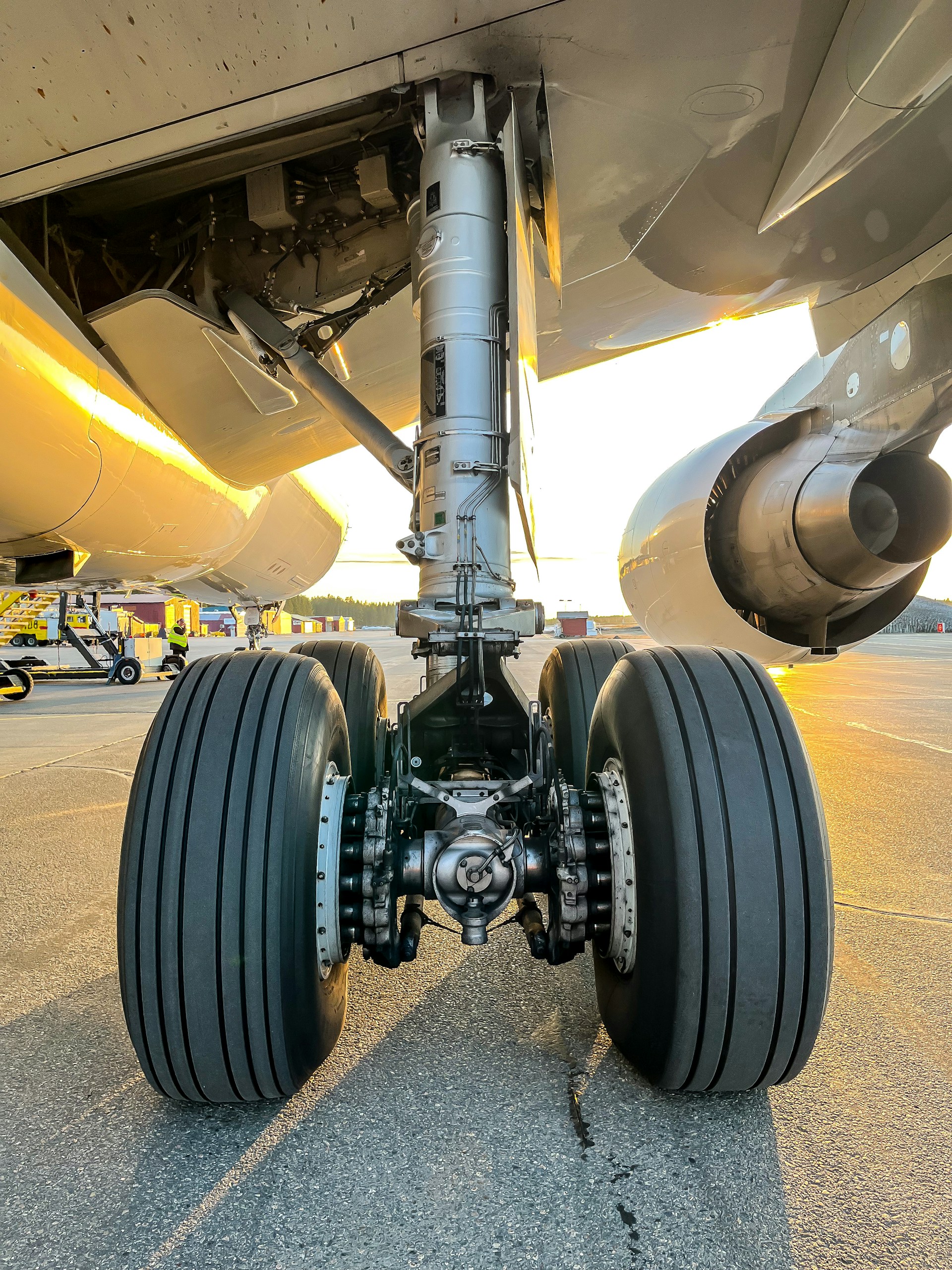
Check Out Amazing Things You Probably Didn’t Know About Airplane Tires
When we think of airplanes, the first image that typically comes to mind is that of a flying machine cutting through the skies. However, one of the most important components of these aircraft is in direct contact with the ground: the tires.
They are essential for ensuring safety during takeoffs and landings, but often go unnoticed. Now, discover five curious and important facts about airplane tires.
Resistance To Extreme Temperatures
Airplane tires face impressive temperature variations. While the aircraft is in flight, the external temperature of the tires can reach levels between -55°C and -65°C.
-
With 74% of companies facing difficulties in hiring, technicians and engineers in renewable energy are becoming scarce in Brazil and are essential to support the expansion of solar, wind, and green hydrogen projects.

-
Historic bankruptcy of Centauro shocks the market, and the century-old company puts more than 500,000 products, machines, and complete infrastructure up for online auction.

-
New shoe factory in Ceará is expected to create 400 jobs and strengthen the local economy.
-
No one imagined it, but a mixture of sawdust with a mineral that fights fires surprises scientists with a result that changes the course of fire-resistant construction.

However, at the moment of landing, the situation changes rapidly. Friction with the runway and intense brake operation raise the tire temperature to around 80°C.
If, for any reason, the temperature exceeds 170°C, safety devices come into action. Thermal fuses installed in the tires are triggered and deflate the tires in a controlled manner. This prevents damage to the braking system and avoids the risk of tire explosion.
High Internal Pressure
Another impressive detail is the internal pressure of the tires. Under normal conditions, this pressure hovers around 230 PSI (pounds per square inch), much higher than the pressure of a car tire.
During landing, with the heat generated and the impact with the ground, this pressure can reach up to 800 PSI. Therefore, proper tire pressure is essential for the safe operation of the aircraft.
Difference In Airplane Tire Material
Airplane tires also differ in the type of material used in their manufacturing. While car tires are generally made from synthetic rubber, airplane tires are made from natural rubber, or latex.
This material has larger and heavier molecules, which ensures greater structural stability, elasticity, abrasion resistance, and a lower risk of rupture.
Long Service Life
Thanks to their durability, commercial airplane tires can withstand approximately 300 landings before requiring maintenance.
In this process, known as retreading, the tire’s main structure is maintained, and only the tread is replaced.
This procedure can be repeated multiple times, depending on the level of wear and usage conditions. Maintaining correct pressure is one of the factors that help extend this service life.
Sustainable Reuse Of Tires
When tires finally reach the end of their service life, they can still have environmentally correct destinations.
The removed rubber can be used as alternative fuel in cement plants. Additionally, it can be applied in the production of industrial flooring, multipurpose courts, and in rubberized asphalt, which offers greater durability and safety compared to conventional asphalt.
With information from Excel.








Seja o primeiro a reagir!