





 Portuguese
  English
  Spanish
  4 min of reading
  0 comments


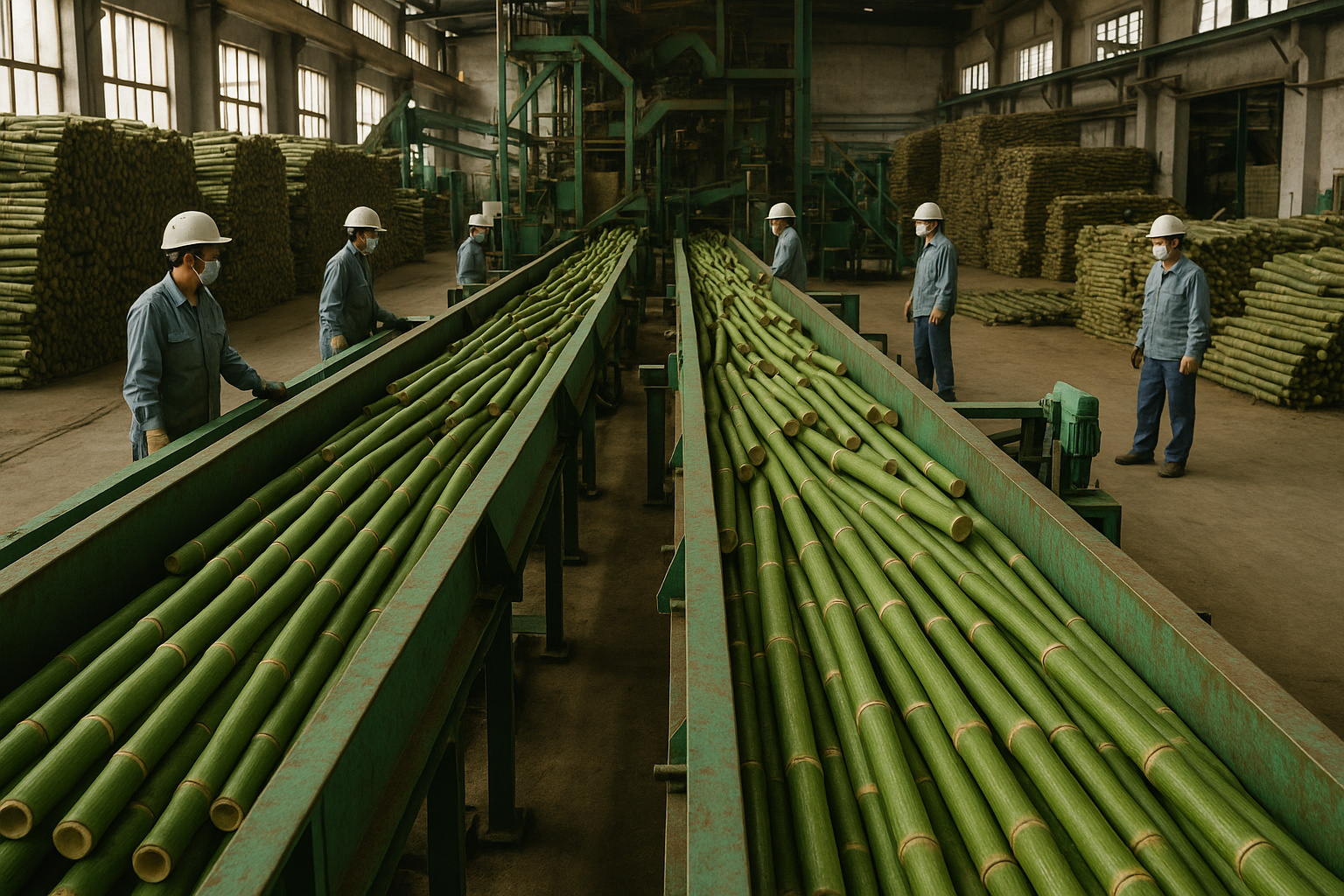
Cultivated Plant Has Been Highlighting In Large Scale In Asia And Solidified As A Sustainable Alternative In Civil Construction, Household Items And Ecological Products, With Production Lines Capable Of Manufacturing Up To 400 Thousand Pieces In A Single Day
The global bamboo market exceeds the mark of US$ 60 billion annually, with China being the largest global producer. Primarily cultivated in Southeast Asia, bamboo is utilized in various industrial and commercial areas. The process involves specialized cultivation, selective harvesting, and chemical treatments that ensure the durability and resistance of the material, allowing its application from kitchen utensils to construction coatings.
Cultivation and Harvesting of the Plant
Bamboo is cultivated from rhizome shoots, underground stems that allow for rapid plant growth, which can reach 20 to 100 cm per day. The soil needs good drainage and moisture retention to favor development. The plant prefers abundant sunlight, but some species tolerate partial shade. Harvesting occurs in the dry season, when mature stems are cut above the nodes, reducing the risk of rotting and allowing for natural regeneration.
Simple tools such as machetes and scissors are used in this process, but the next step is marked by industrialization. To ensure quality, stems undergo selective cutting, utilizing young species known for their resilience and sustainability.
-
Historic bankruptcy of Centauro shocks the market, and the century-old company puts more than 500,000 products, machines, and complete infrastructure up for online auction.

-
New shoe factory in Ceará is expected to create 400 jobs and strengthen the local economy.

-
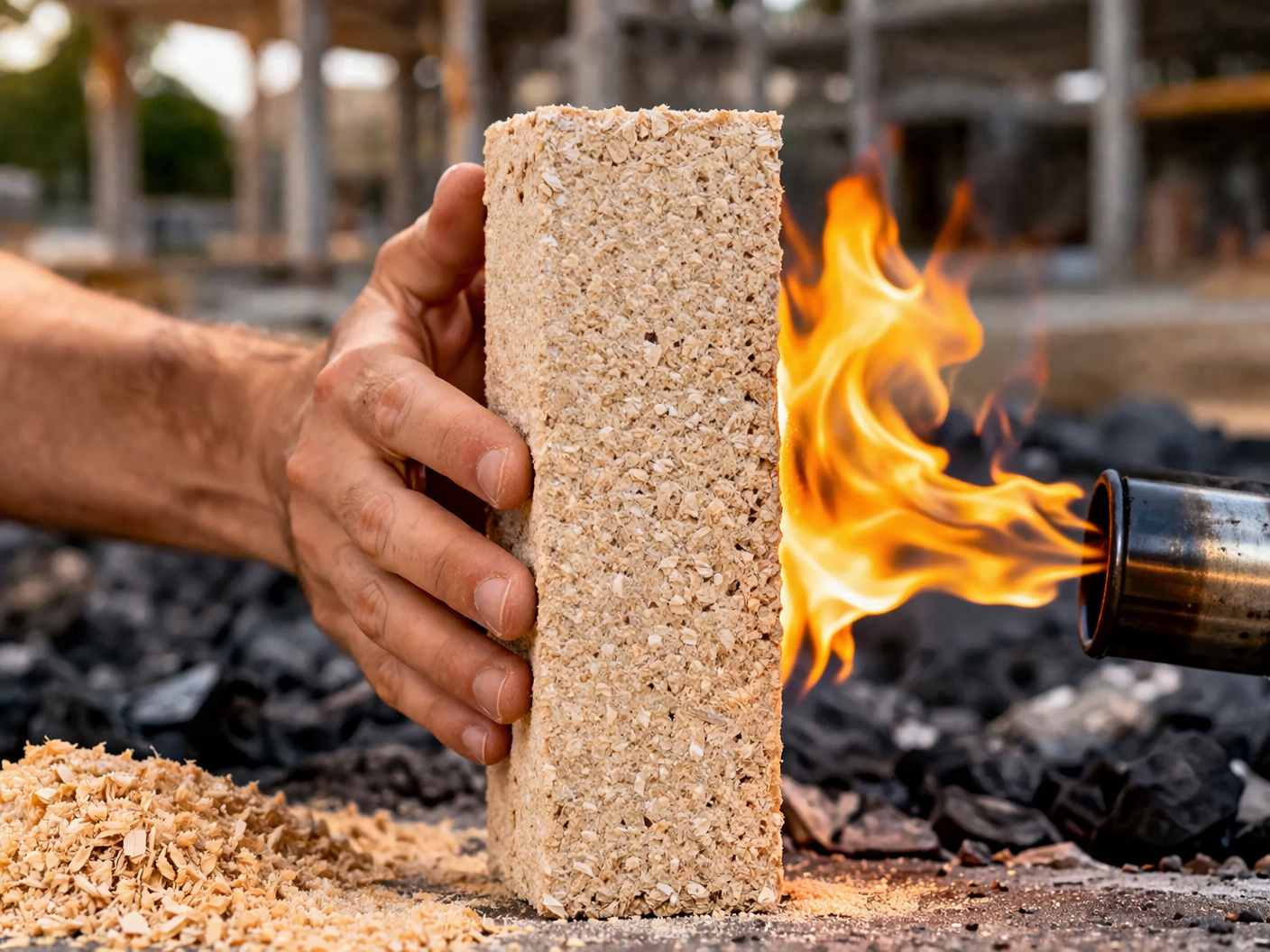
No one imagined it, but a mixture of sawdust with a mineral that fights fires surprises scientists with a result that changes the course of fire-resistant construction.
-
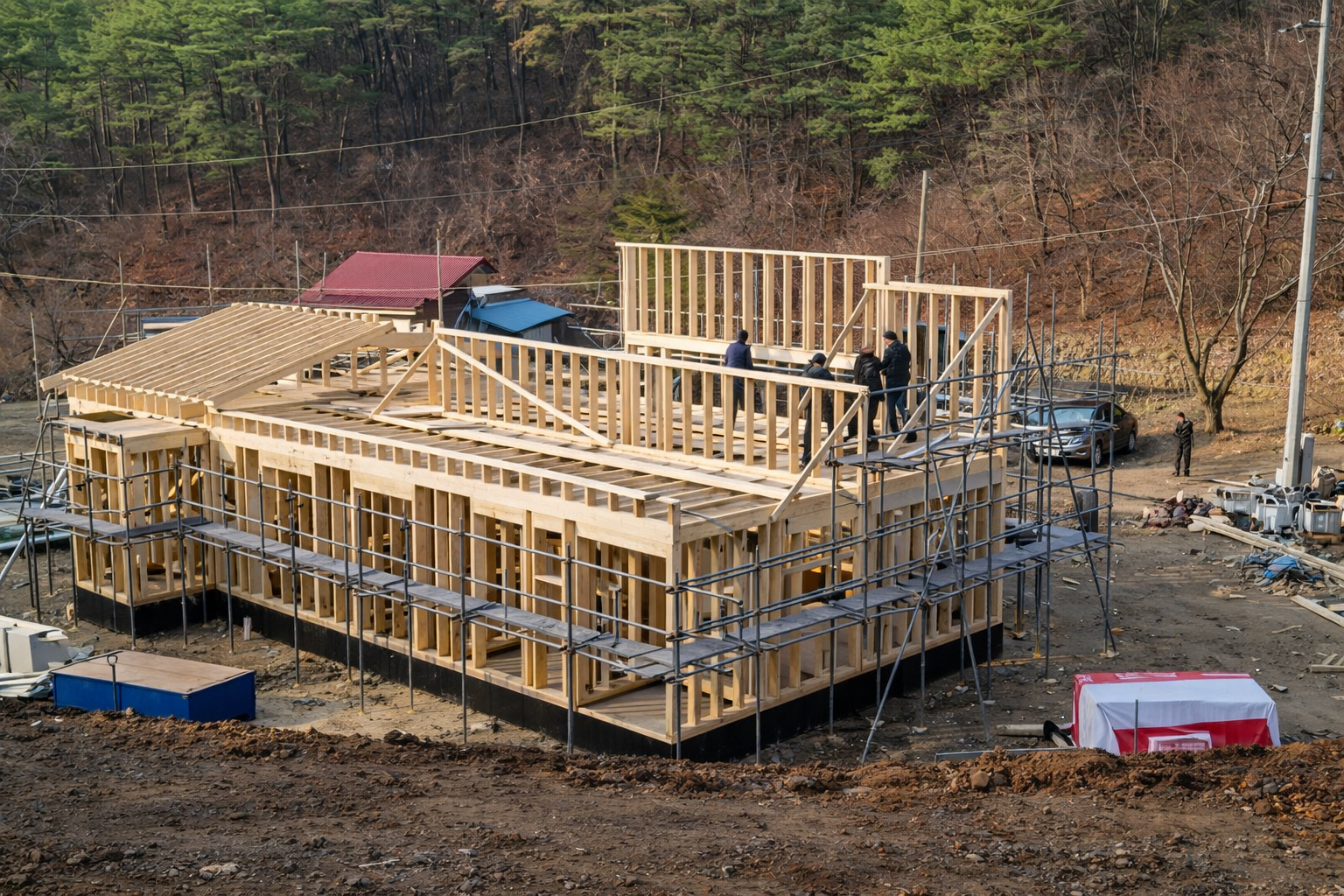
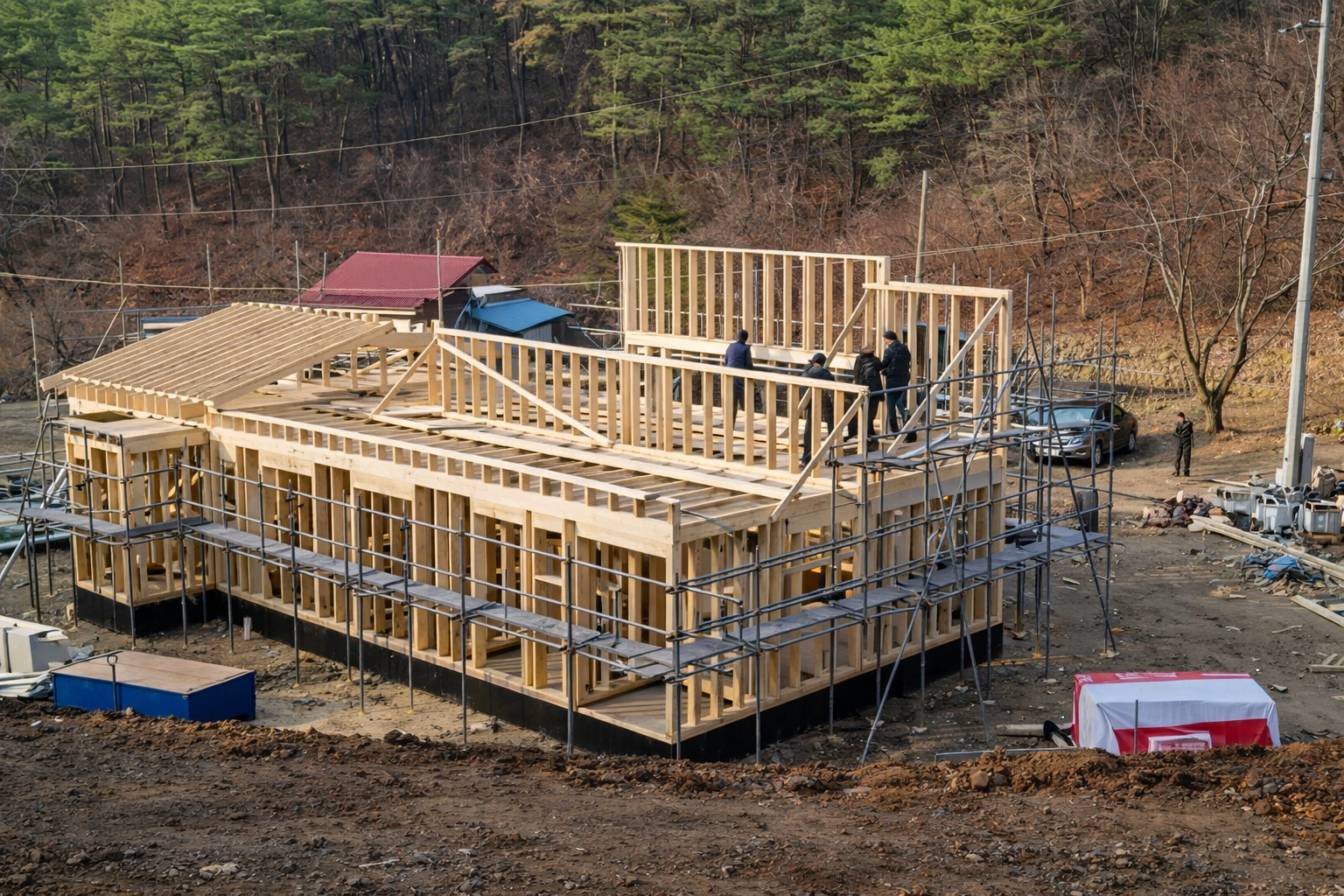
From empty land to a high-end house, wooden construction uses a lightweight system, metal structure for the foundation, ventilated ceramic cladding, and special windows to create an efficient and comfortable living space throughout the year.


Treatments for Greater Durability
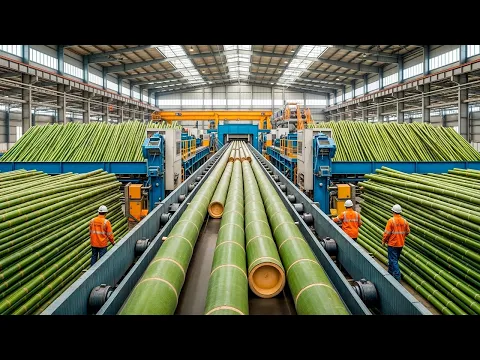
Despite being a natural resource, bamboo requires treatment to withstand time and humidity. Producers apply water-soluble salts to increase durability, reduce deformations, and protect against insect infestations. Additionally, adjustments in temperature and treatment time allow balancing costs and efficiency, delivering high-quality products. After this stage, the stems are dried and processed by specialized machines.
According to the channel Docs Fabricando, bamboo undergoes cutting into uniform strips and subsequent refining stages, forming raw material for different products. Automatic machines allow for high production, reaching 400 thousand sticks in just eight hours of work.
Production of Utensils and Straws
The processed strips give rise to items such as bamboo straws, a sustainable alternative to disposable plastic. For this, trunks measuring 7 to 13 mm and 2 to 3 years old are selected. After drilling and polishing, the straws retain the natural aroma and the characteristic golden color of bamboo.

Another highlight is bamboo cutlery, widely produced in Asia. Automated machines cut, shape, and sand spoons, forks, and knives, supervised by artisans who ensure quality control. The final polishing enhances the natural shine of the material, offering aesthetics and durability.
Skewers, Brushes and Construction Materials
Bamboo is also used to manufacture skewers, common in barbecues and cooking, shaped into sharp and curved strips manually for greater practicality. These items undergo natural drying before being packed and distributed to restaurants and retail.

In recent years, bamboo toothbrushes have gained prominence as an ecological alternative. High-tech machines cut trunks into small handles, drill spaces for bristles, and perform automated polishing, ensuring efficiency and a uniform finish.
Beyond utensils, bamboo occupies a growing space in civil construction. The strips undergo treatment, drying, and stabilization before being transformed into floors and panels. The process includes carbonization to darken the color and pressing in interwoven layers, forming strong and durable structures.
Sustainable Panels and Finishes
Bamboo panels for walls and decorative elements follow similar processes, including cutting, dyeing, and painting. To facilitate installation, the products receive male and female fittings on all sides. The finish is done with parquet wax, ensuring durability and an elegant appearance.
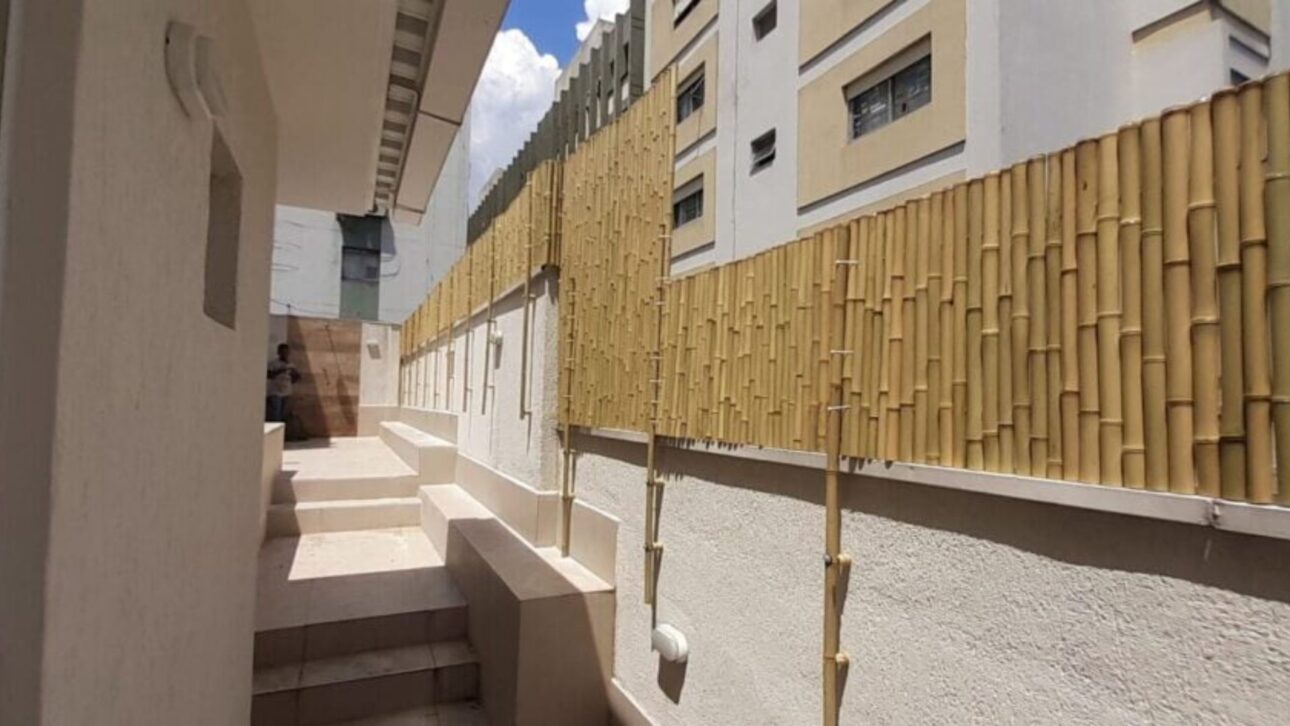
These products meet high standards of resistance and aesthetics, reinforcing bamboo as an attractive sustainable option for architecture and design projects. The plant’s versatility keeps it as a strategic resource in industries seeking alternatives with lower environmental impact.
An Ancient Resource That Modernizes
Bamboo has been used for over 7,000 years in different cultures in Asia, Africa, and South America. Currently, it combines tradition and technology, transitioning from artisanal techniques to highly automated production lines. This transition has expanded production scale and consolidated its presence in the international market.
With applications ranging from household items to construction materials, bamboo represents a viable alternative in times of increasing environmental concern and demand for renewable products. The information was shared by the channel Docs Fabricando, which detailed the entire process of cultivation, treatment, and production.
Do you believe that bamboo can significantly replace plastic and wood on a large scale, becoming one of the main sustainable materials of the future?








Seja o primeiro a reagir!