





 Portuguese
  English
  Spanish
  4 min of reading
  0 comments


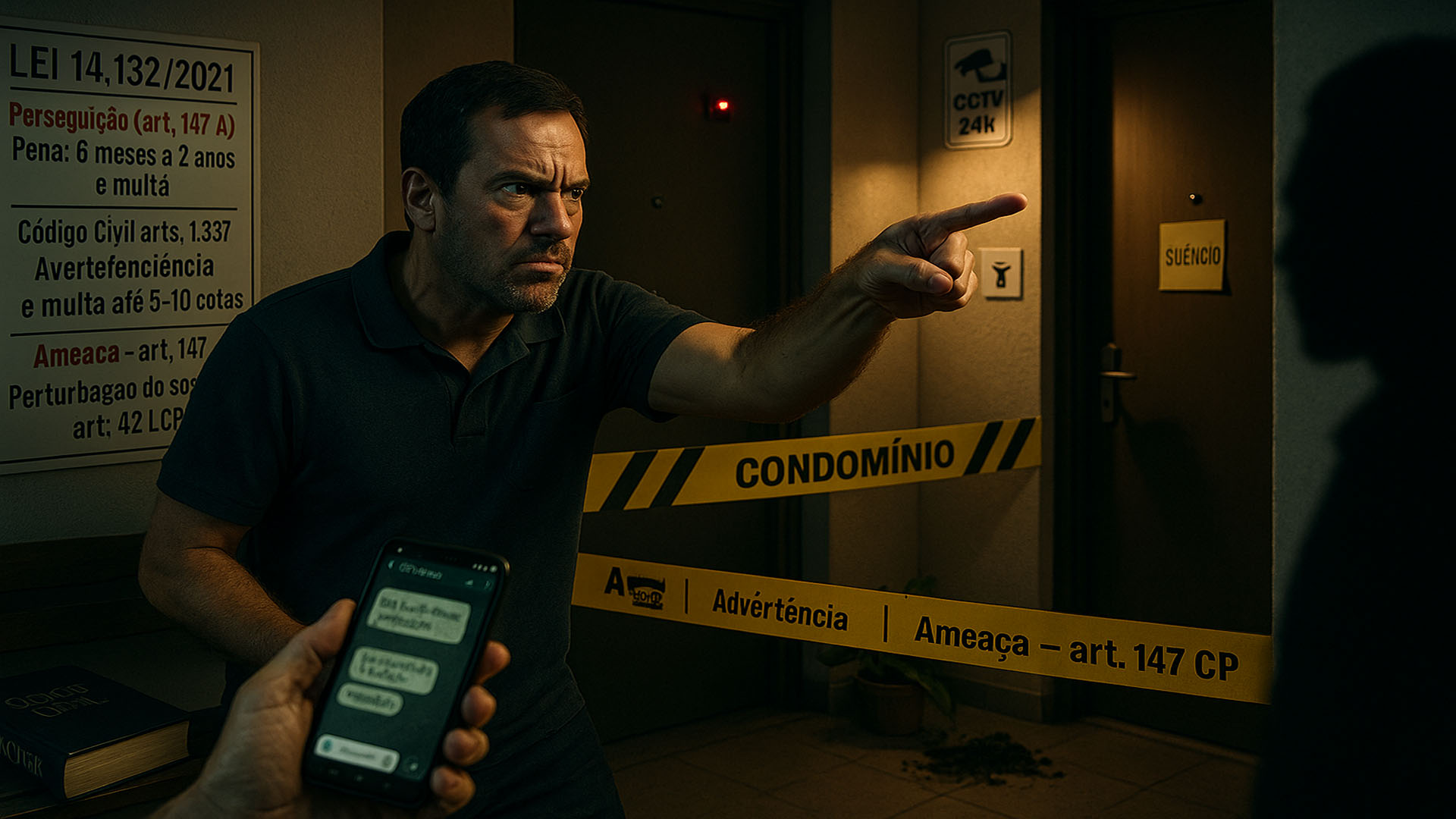
Civil Code Rules, Contraventions, and Crimes Such as Stalking and Threats Support Managers and Residents Against Abusive and Intimidating Conduct in Condominiums.
Condominiums are high-density living environments. When a resident with toxic behavior emerges, hostile, intimidating, or repeatedly disrespectful, the law provides clear paths to stop abuses, protect tranquility, and hold offenders accountable.
See what the legislation states, when conduct becomes a crime, and how to act in a documented and effective manner. According to the Civil Code, the condominium exists to balance exclusive property with common areas and peaceful coexistence.
What the Law Says About Toxic Behavior in Condominiums

Starting point: duties of the condominium owner. Article 1.336, section IV, prohibits using the unit in a harmful way to the tranquility, health, and safety of other residents. This provision often grounds warnings and fines for abusive conduct.
-
The noise law will no longer be in effect at 10 PM starting in June with a new rule valid during the 2026 World Cup.

-
The Chamber opens a debate on driver’s licenses at 16 years old as part of a reform that includes around 270 proposals to change the Brazilian Traffic Code and may redesign rules for licensing, enforcement, and circulation in the country.

-
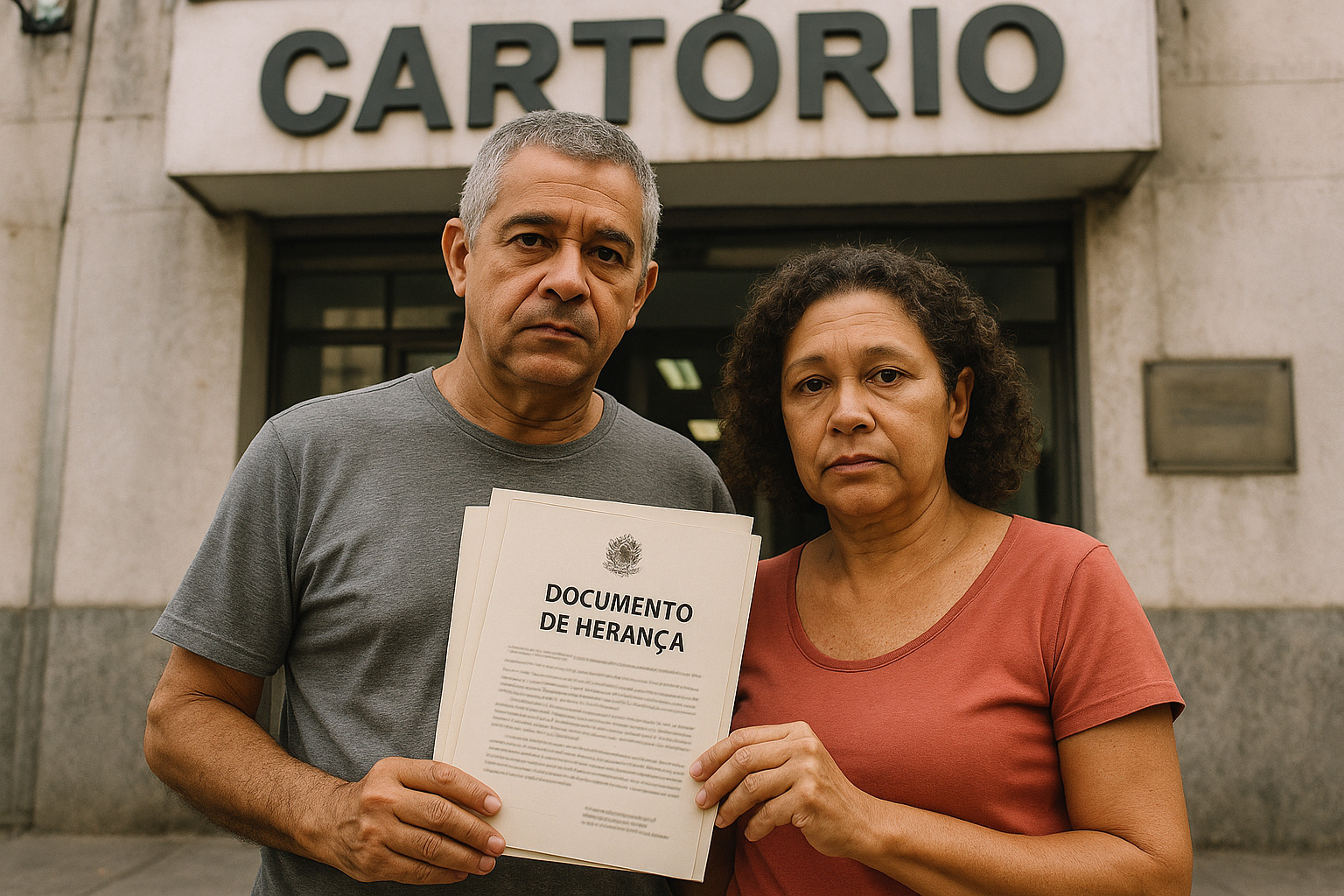
The new Civil Code could revolutionize marriages in Brazil with “express divorce” and changes that could exclude spouses from inheritance.
-
Banco do Brasil sues famous influencer for million-dollar debt and intensifies debate on delinquency, risks of seizure, and direct impact on Gkay’s credibility.

When there is recurrence, Article 1.337 applies. The assembly, with a quorum of 3/4 of the other owners, can impose a fine of up to 5 quotas. If the figure of the “antisocial owner” is established, the fine can reach 10 quotas, but it is essential to observe due process and the right to defense.
The manager has a legal duty to enforce the convention, internal regulations, and the law (Article 1.348 of the Civil Code), including taking administrative and judicial measures to protect the community.
In extreme cases, jurisprudence allows restricting the use of the unit or even discussing the exclusion of the antisocial through judicial means, when fines are insufficient, and coexistence becomes unfeasible. There are precedents in higher courts and discussions in the pre-project for the reform of the Civil Code.
When Conduct Becomes a Crime: Stalking, Threats, and Disturbance of Peace
Toxic behaviors can go beyond civil matters. The Law 14.132/2021 included in the Penal Code Article 147-A (stalking): “to repeatedly pursue someone… threatening their physical or psychological integrity… or disturbing their freedom or privacy”, with a penalty of imprisonment from 6 months to 2 years and fines. Document occurrences.
Threats are also a crime (Article 147 of the Penal Code), even if through words, gestures, or messages, as long as there is intimidating capability. In condominiums, this includes insults and intimidation directed at neighbors, managers, or employees.
For noise and commotion, Article 42 of the Contravention Law (disturbance of peace) applies, in addition to the internal rules of the condominium. Authorities can be notified if the act is not ceased.
In a digital environment, offenses in condominium WhatsApp groups have led to compensations for moral damages, including decisions confirming the validity of screenshots as evidence. Be cautious of slander, defamation, and insult.
How to Act: Step by Step for Managers
1) Document everything. Record dates, accounts, emails, messages, and videos. This delineates the recurrence required by Articles 1.336 and 1.337 and protects the condominium in any potential action.
2) Gradually impose sanctions. Start with a formal warning, then fines according to the convention and law. Assembly with the correct quorum is essential for more severe fines. Right to defense must be guaranteed.
3) Act within the mandate. The manager must enforce the convention and the law, hire mediation when useful, and represent the condominium in court when necessary. Transparency and a detailed record minimize risks.
4) When to escalate. In cases of threat, stalking, or violence, advise the victim to file a police report and consider protective measures. For serious and persistent antisociality, judicial action can seek restriction of use or other exceptional measures, already recognized in precedents.
How to Act: Practical Rights of Residents
1) Record and communicate. Avoid direct confrontation. Send a formal communication to the manager/administration reporting objective facts and attaching evidence. This activates the procedure provided in the convention and Article 1.336, IV.
2) Request escalated measures. Ask for mediation, warnings, and if necessary, fines. For repeated infractions or antisocial conduct, the assembly can deliberate more severe penalties under Article 1.337.
3) Seek criminal protection when applicable. Stalking (147-A) and threats (147) must be reported to the police. For disturbance of peace, the Contravention Law allows immediate action, without prejudice to internal sanctions.
4) Pay attention to what you publish. Offenses in groups of the condominium can lead to compensation for moral damages. Prioritize official channels and technical language.
We want to hear from you: should the condominium be able to restrict the use of a unit belonging to an “antisocial owner” when fines fail, or does that violate property rights? Comment with your opinion.









-

-

-

-

-

-

95 pessoas reagiram a isso.