





 English
  Francês
  Alemão
  Italiano
  Japonês
  Norueguês
  Portuguese
  Spanish
  3 min of reading


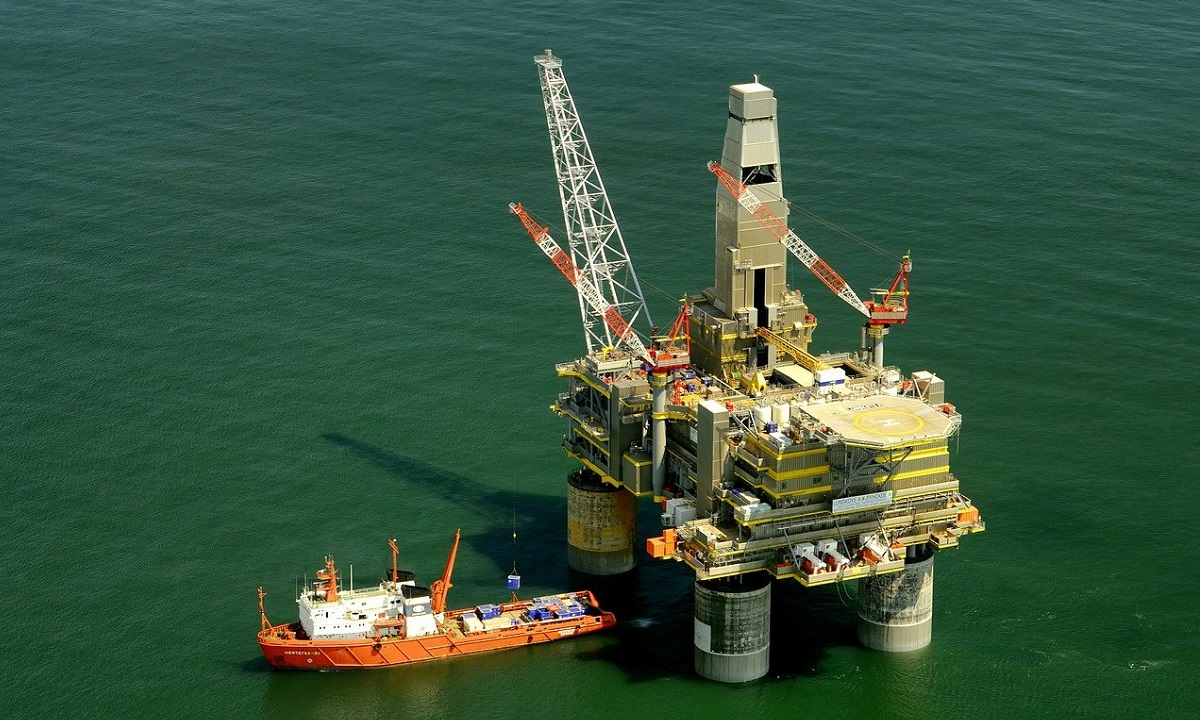
According to the research conducted, the economy of Russia is not suffering from the oil embargo imposed by the USA and other countries
The embargo on oil from Russia announced by the United States and other Western countries is not proving effective. The economy of Moscow, the capital of Russia, for example, primarily based on hydrocarbon exports, was minimally affected by the interruption of purchases of the commodity by other countries.
This is the effect of research from the International Energy Agency (IEA), which revealed how “the impact of emissions in the United States and the European Union has so far been limited.”
The total embargo on Russian oil imports by European Union (EU) countries only began in early August. The member countries of the bloc were already advancing in the search for singular suppliers to replace the 20% of the total oil supply guaranteed by Moscow.
-
Petrobras finds high-quality oil in the pre-salt at 113 km from RJ and reignites expectations about strategic reserves in the Campos Basin.

-
Ocyan opens registrations for startups focused on innovation in the oil and gas sector and will select projects for Innovation Day with the support of Nexio.

-
Petrobras announces new oil discovery in the pre-salt of the Campos Basin and reinforces Brazil’s prominence with high-quality reserves that can increase production and energy revenues.

-
Alert in the fuel market: Analysts and a former director of ANP warn that oil prices may worsen in the coming months due to global instability.


However, Russia’s members still managed to divert part of the oil that will no longer reach Europe to Asian economies, primarily to China, India, and Turkey.
The agency highlighted that Russian oil production in July fell by only 3%, with exports reaching US$ 19 billion in July compared to US$ 21 billion in June.
IEA Predicts High Oil Consumption in Russia, Even with Embargo from Other Countries
According to IEA forecasts, oil consumption in 2023 looks very positive for Russia. According to agency experts, rising gas prices are pushing many economies, especially in emerging and developing countries, to use petroleum derivatives to produce energy.
With indispensable consequences on oil demand, and on prices, as well as increased pollution. Therefore, the IEA raised its forecasts for Russian oil production for the second half of 2022 and for the whole year of 2023.
Goldman Sachs Predicts a Rise in Oil Demand
The decrease in oil prices in recent weeks, averaging US$ 30 less compared to the highs of June, was driven by increased international supply and concerns about economic slowdown. Especially in the case of China, due to the successive lockdowns decided by the Beijing government to try to contain new Covid-19 outbreaks.
Regarding natural gas, the situation is very different. Prices have started to rise again and are now exceeding US$ 220 per megawatt-hour, pushing energy prices in European countries to historical highs.
For the American investment bank, highlighting how the oil market will continue to register an unsustainable deficit in the coming years, and that the only way to rebalance this situation is through a reduction in oil demand.
In the view of the American bank, “it is worth noting that it is unlikely that European sanctions against Russian oil will remain in place for long, given the EU’s difficulty in reaching a unanimous decision on the matter and the likely opposition from Eastern European members to implement them.”
As a consequence, Goldman Sachs is positively revising its forecasts for the pace of Russian oil production for 2023, which may decline less than previously anticipated.
OPEC Will Not Increase Oil Supply
In this regard, OPEC, the cartel of oil-producing countries, should not take any significant action to increase the production of the commodity.
However, at the last meeting of the group, which took place after the start of the war in Ukraine, exporting countries limited themselves to a symbolic increase in oil production of around 100,000 barrels per day.









Seja o primeiro a reagir!