





 Portuguese
  English
  Spanish
  5 min of reading
  3 comments





From Street Vendor to SBT, Silvio Santos Integrated Radio, Baú da Felicidade, and TV, Navigated the Panamericano Crisis, and Shaped Popular Businesses for the Masses.
Silvio Santos became synonymous with popular entrepreneurship in Brazil. From humble beginnings, the young street vendor transformed his sales charisma into a radio voice, then into a TV stage, and finally into a business group with brands that have crossed generations. Through successes and setbacks, he built a loyal audience, created mass sales mechanisms, and connected products, media, and credit like few others did.
The journey of Silvio Santos is also a chronicle of a changing country. In each decade, the presenter-entrepreneur reinvented formats: from toy Baú to installment sales, from open TV to children’s programming, from Tele Sena to banking. When the Panamericano crisis threatened everything, he reorganized the board to preserve the empire and moved forward.
From the Streets to the Microphone: The Street Vendor Who Became a Announcer
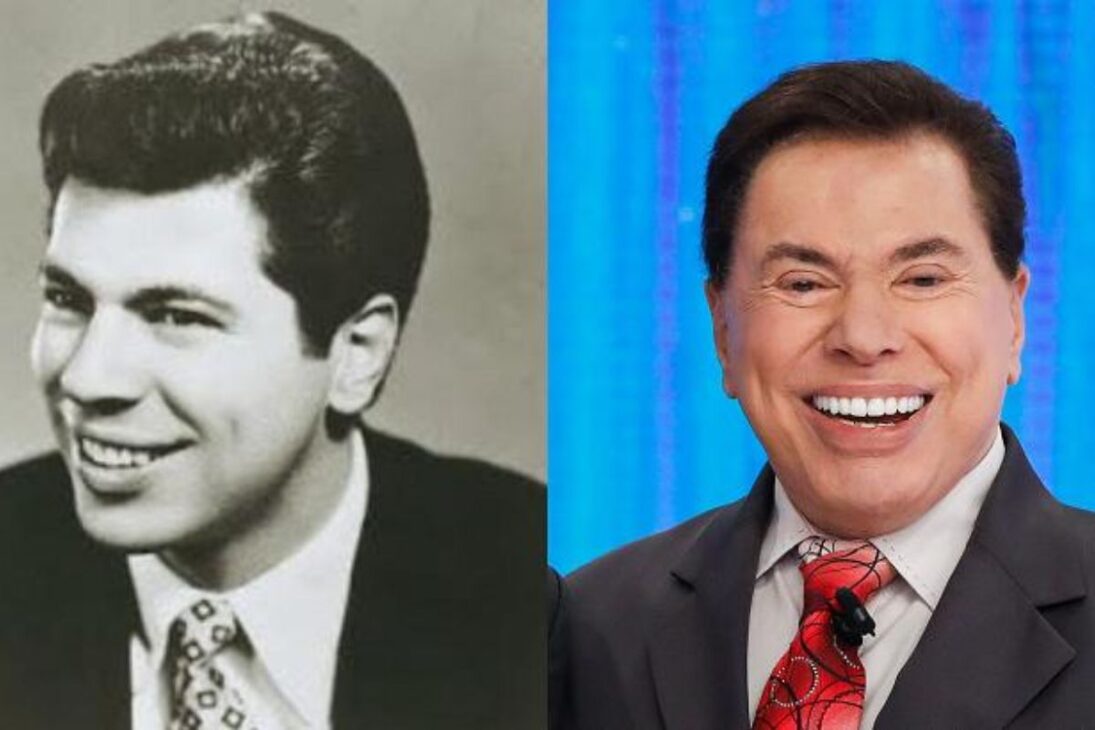
The biography of Silvio Santos begins on the street: direct sales, improvisation, and oratory. As a teenager, he learned to attract an audience with tricks, humor, and offers.
-
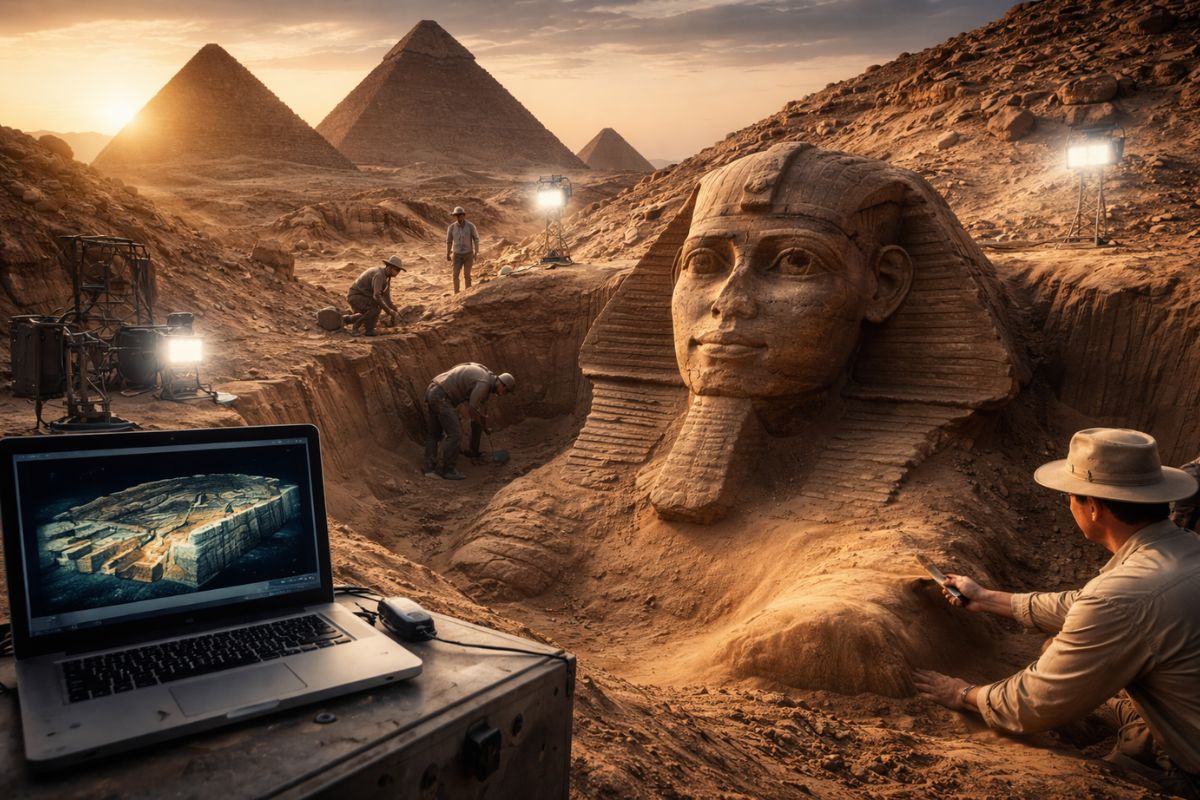
Italian researchers have detected what appears to be a second Sphinx buried under the sands of Egypt, and satellite scans reveal a gigantic underground megastructure hidden beneath the Giza Plateau for over 3,000 years.
-
There are 4,223 drums and 1,343 metal boxes concreted with 50-centimeter walls that store the radioactive waste from Cesium-137 in the worst radiological accident in Brazil, just 23 kilometers from Goiânia, with environmental monitoring every three months.

-
Giant Roman treasure found at the bottom of Lake Neuchâtel in Switzerland reveals an advanced trade system, circulation of goods, and armed escort in the Roman Empire about two thousand years ago.

-
He buried 1,200 old tires in the walls to build his own self-sufficient house in the mountains with glass bottles, rainwater, and an integrated greenhouse.

This repertoire led him to Rádio Guanabara and then to other stations, but the low salary pushed him back into commerce until the idea emerged that combined entertainment and advertising: music on the ferries of Niterói, with advertising over the microphone.
The experiment on the ferries became his school. Silvio Santos tested voices, prizes, games, crowd flow, and impulse buying.
By the time he migrated to circus stages and Rádio Nacional, he already mastered what would later become his trademark: entertaining, selling, and building loyalty all at the same time.
Baú da Felicidade: From Loss to Scalable Model
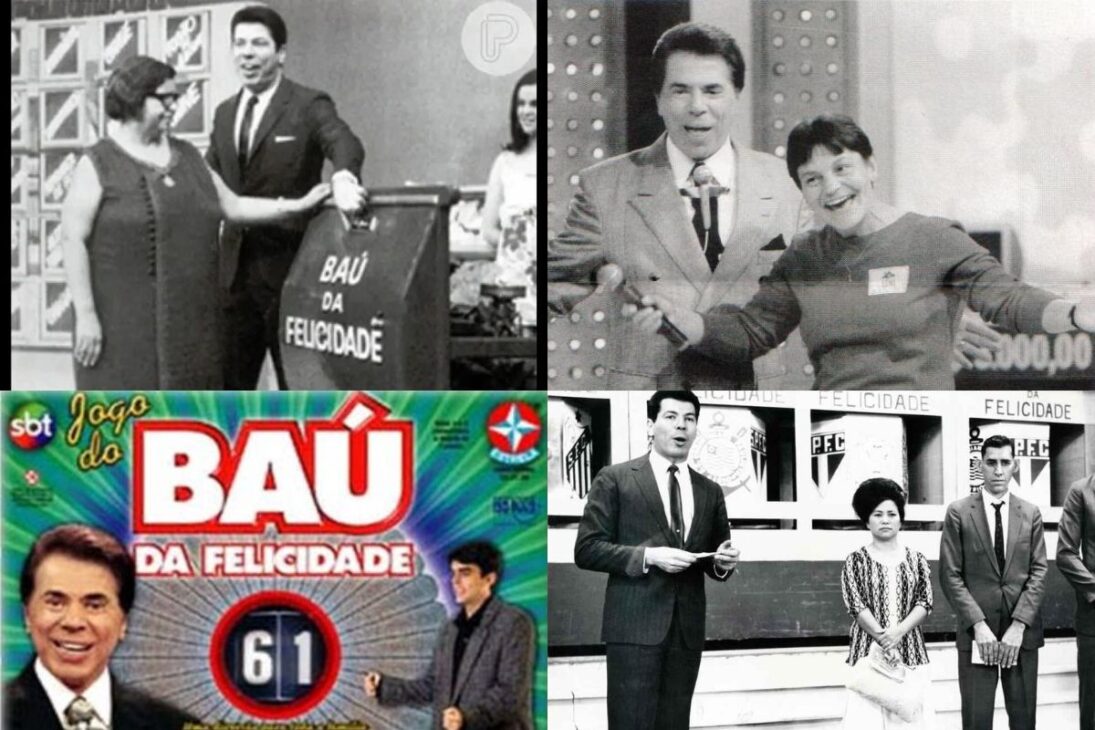
The Baú started as a promise of toys paid over the year and became a headache for Manoel de Nóbrega after a scam by his initial partner.
Silvio Santos initially entered to put out the fire, reimbursing customers; he stayed to rebuild the business. He replaced the “velvet baú” with a catalog, standardized purchases with the industry, and organized deliveries at the end of the year.
The essence of Baú was simple and powerful: installment dreams with guaranteed delivery. Silvio Santos realized he needed to achieve scale, reliability, and media presence.
The showcase would come soon: TV as a sales springboard and sales financing TV.
The Domino Effect: Installments, Construction, Cars, Insurance, and Cosmetics
As the Baú grew, the credit bottleneck emerged. A finance company was created to support installments and protect against inflation.
When there were not enough houses for raffles, the construction company was born. By awarding sellers and customers with vehicles, Silvio Santos opened a dealership and started financing cars with the finance company.
To reduce risk costs, he created an insurance company. One business pushed the other, in a rare verticalization in popular retail.
Decades later, the logic repeated itself with Jequiti, direct-selling cosmetics supported by TV and a dedicated game show. Silvio Santos maintained his focus: affordable products, widespread distribution, and a nationwide showcase. “Entertainment that sells” became the method.
From Sunday to SBT: Popular Audience with Grid Strategy

Not being an employee of a station, Silvio Santos rented slots, boosted Sundays, and created shows that mixed audience and prizes. With his own concession, SBT was born: a popular schedule, pioneering morning news, strong children’s programming (Bingo/Bozzo, Chaves), and tactical programming movements — such as premieres starting right after the competitor’s hit soap opera, holding audience without direct confrontation.
SBT consolidated its language, productive heritage (Anhanguera), and cross revenue with the other businesses in the group.
Silvio Santos used TV not just for audience, but to boost brands and sales from Baú to Tele Sena, keeping the house standing through different economic cycles.
Tele Sena: The Capitalization Title That Funded the Transition
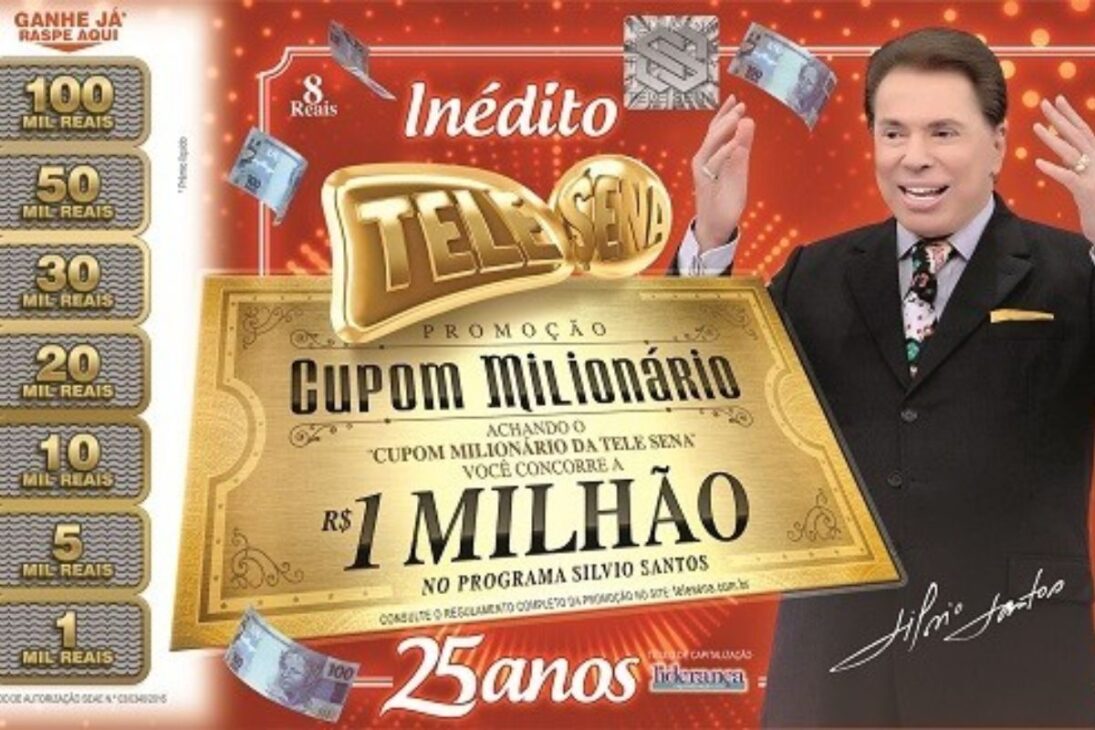
In the 1990s, with high inflation and volatile advertising, Tele Sena became the financial gear that oxygenated the group. Silvio Santos boosted sales with weekly stage presence and the promise of a “plausible dream” in prizes and partial redemption.
There was legal dispute, debates about the nature of the product, and in the end, the commercialization was maintained. The practical outcome: cash flow, recurrence, and a brand firmly associated with popular imagination.
More than a title, Tele Sena reinforced the owner’s method: TV as a channel of trust, simple product, national sales, and a presence ritual that feeds audience and revenue.
Panamericano: Peak, Shortfall, and the Decision That Saved the Group
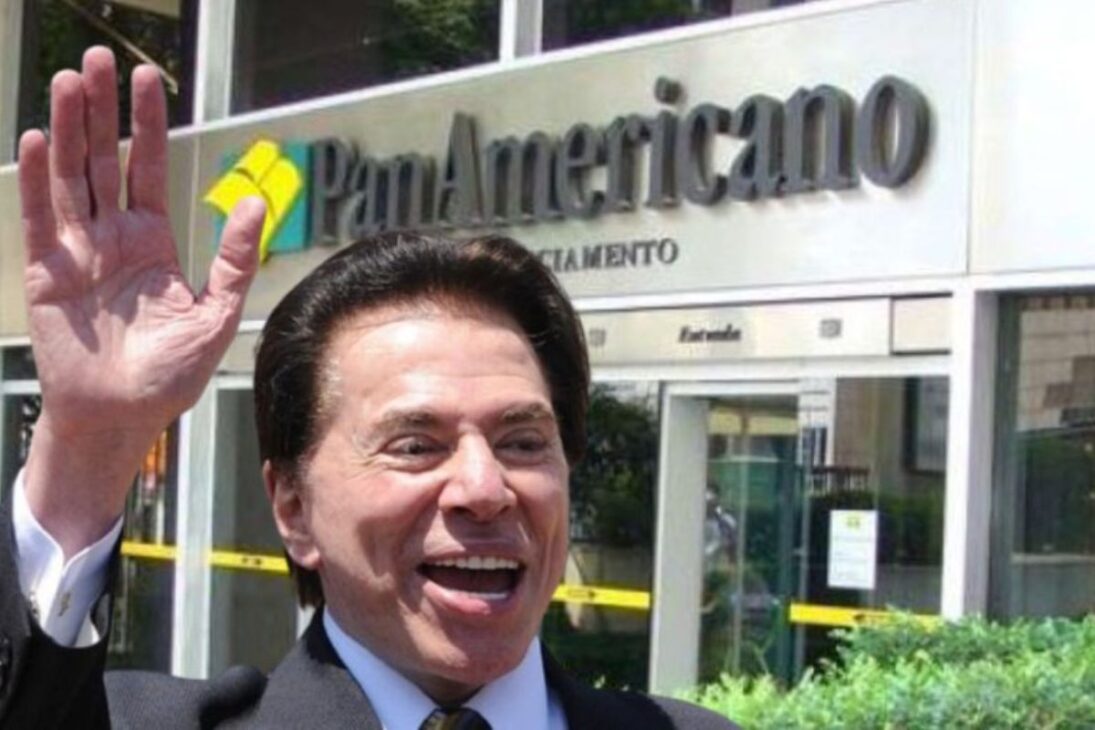
The Banco Panamericano grew on the credit wave, went public, and gained a significant partner. However, an audit revealed billion-dollar inconsistencies in the accounting of sold portfolios.
The risk was systemic and personal. Silvio Santos put all the group’s companies as collateral to gain immediate breathing room and then sold the bank. Former executives were convicted for fraudulent management.
The episode exposed vulnerabilities in governance and at the same time demonstrated the instinct to preserve the core of the empire: TV, brands, and businesses that interact directly with the public.
Legacy and Method: Sell, Communicate, Adjust Course


The thread that weaves the biography of Silvio Santos is the sales communicator. He tested live; measured reactions, refined offers, created promotions, and explained the country in simple language, from the value of URV to the rules of the game.
“Entertainment that sells”, media as a trust anchor, and businesses that feed each other form his method.
Over decades, Silvio Santos navigated concessions, disputes, crises, and consumption shifts, maintaining popularity and the ability to reconnect with the base.
Not everything worked out, and the setbacks taught about risk, compliance, and limits of expansion.
The outcome, however, is undeniable: an empire built on audience, simplicity, and persistence.
From the sidewalk booth to SBT, from Baú to Tele Sena, and through the storm of Panamericano, Silvio Santos built a Brazilian manual for popular business: clear proposal, constant presence, and trust in the direct relationship with the public. Which phase of Silvio marked you the most—the persuasive street vendor, the king of Sundays, or the strategist who held the group together in crisis? Comment and tell why.










O rei dos domingos, porque era lá que ele estava na casa da família brasileira com seu carisma, com seu dom de expressão e de criatividade. Passou o legado pra família. Colocando em destaque o seu empreendedorismo, como venceu a crise de banco Pan-americano com muita coragem. Era o homem que valorizava seus funcionários e as “colegas de trabalho “.
Silvio Santos foi um empreendedor e visionário competente. Espero que a família saiba e tenha capacidade de manter de pé o Império herdado.
O rei dos domingos.
A alegria dos Silvio Santos era contagiosa. Foi o maior apresentador de TV do Brasil.
Podem até subir novos nomes ,mas ninguém vai superar esse homem carismático e de bom coração
Sem dúvida, Silvio Santos é insubstituível.