





 Portuguese
  English
  Spanish
  4 min of reading
  0 comments


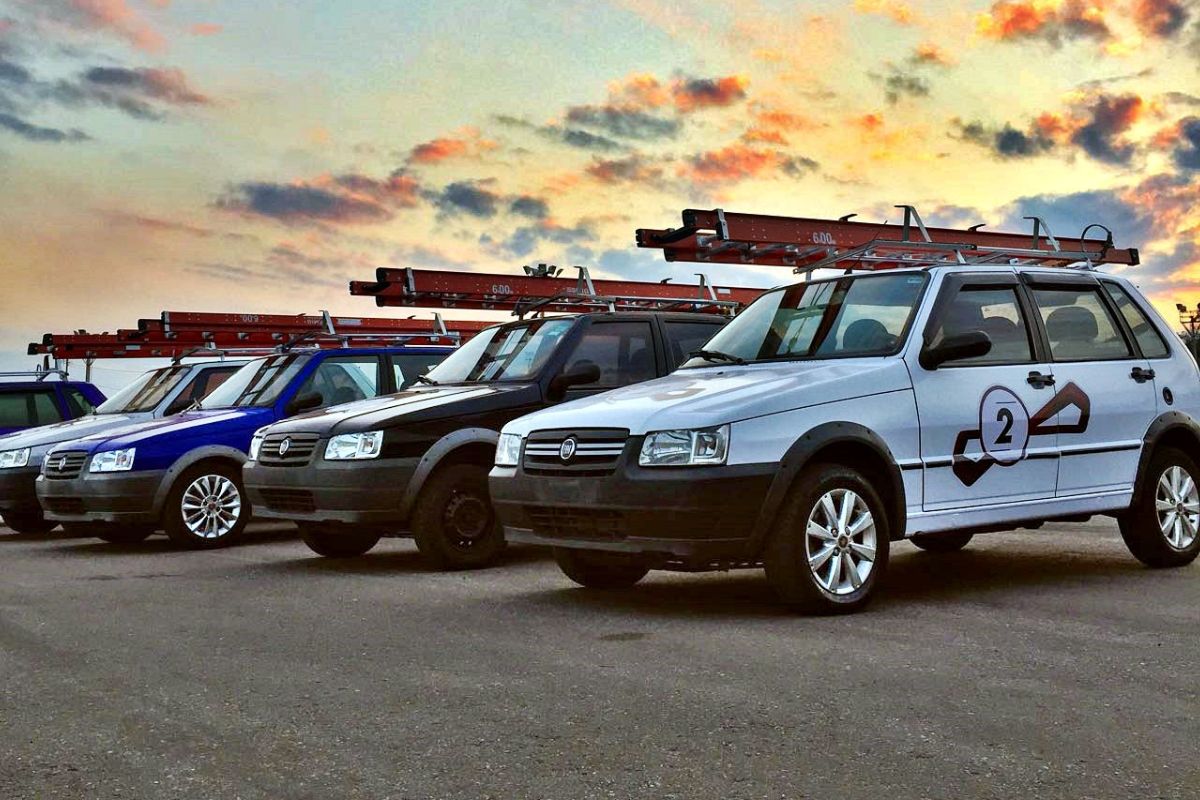
A Technical Survey Gathers 7 Most Reliable Cars in Brazil, from Corolla to Uno, and Explains Why Robust Mechanics, Strong Suspension, and Simple Electric Systems Help to Face Bumpy Streets, Reduce Maintenance Costs, Avoid Breakdowns, and Preserve Resale Value in Daily Use.
The most reliable cars in Brazil capture the attention of those looking for a vehicle that can handle a heavy routine without turning the month into a repair shop queue. The survey highlights models known for their extreme durability and low operating costs, citing designs focused on robust mechanics and reliable parts.
The selection includes sedans and compacts known for aging well, as well as entry-level options with a Japanese touch. The proposal is clear: reduce mechanical surprises, gain predictability, and keep the car usable even on streets with potholes and imperfections common in daily life.
Why Corolla and Civic Lead When It Comes to Driving Without Headaches
Among the most reliable cars in Brazil, the Toyota Corolla stands out as a reference and is even referred to as a “war tank” due to its conservative engineering.
-
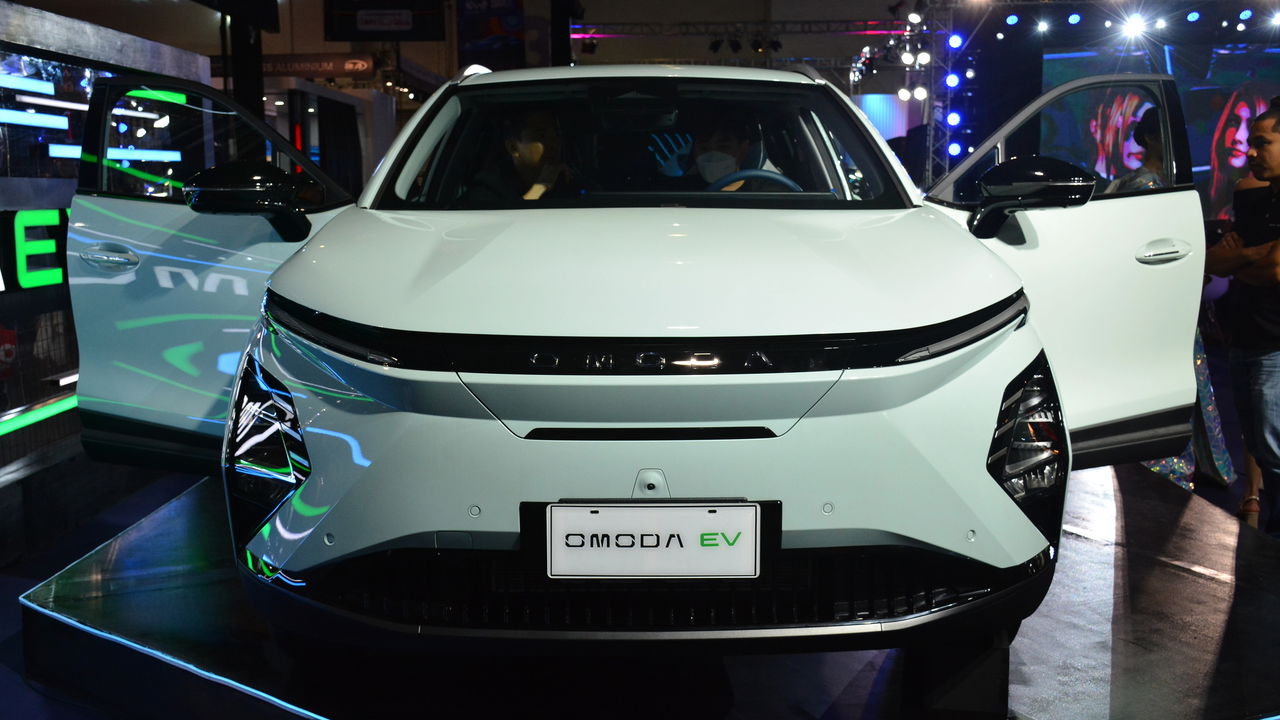
While the industry rushes towards automation, Omoda & Jaecoo bets on technology with a human touch and reveals its global mobility plan for 2026.
-
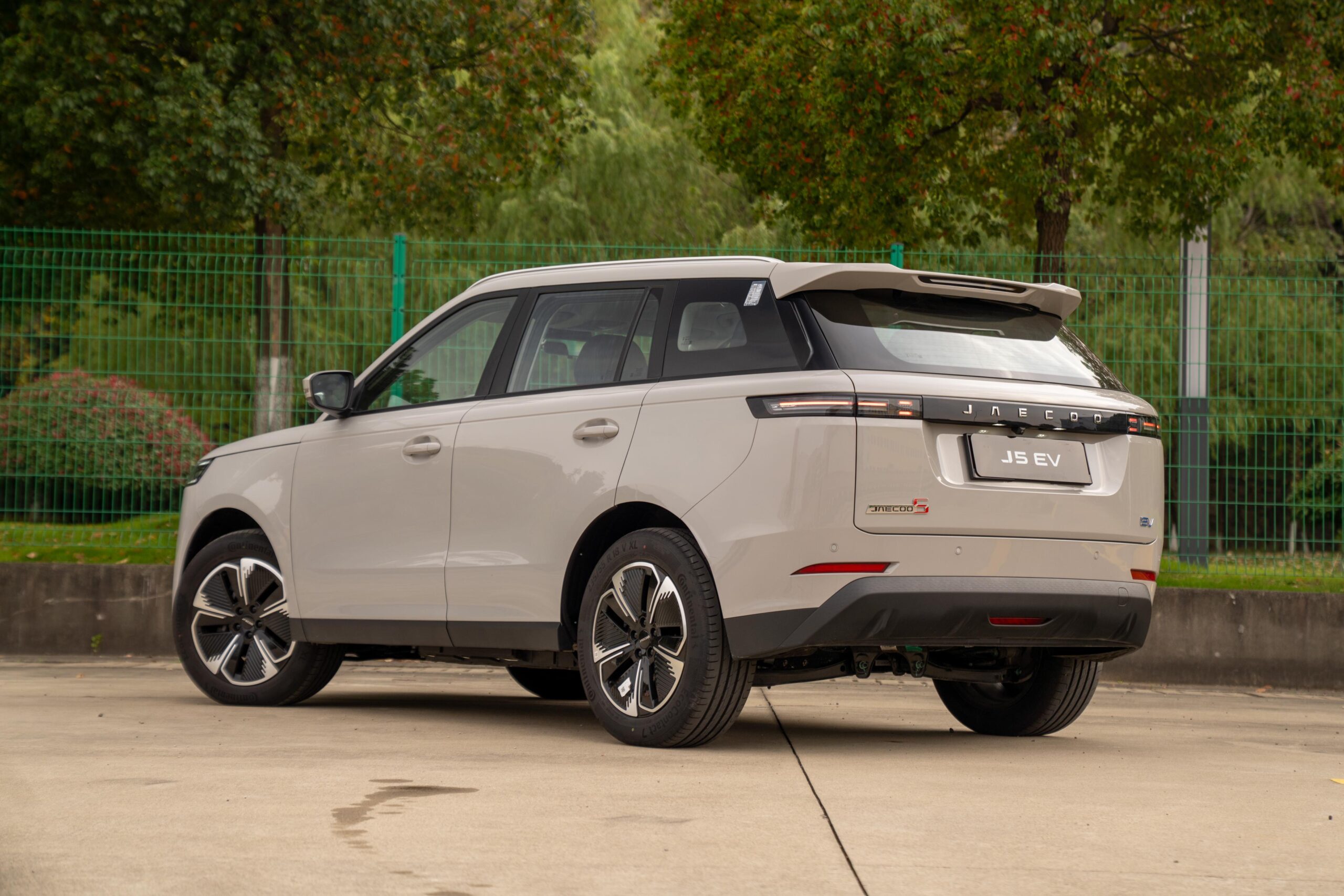
In just 1 year, JAECOO surpasses 7,000 units of the J5 EV delivered in Indonesia and consolidates trust in the Asian market.
-
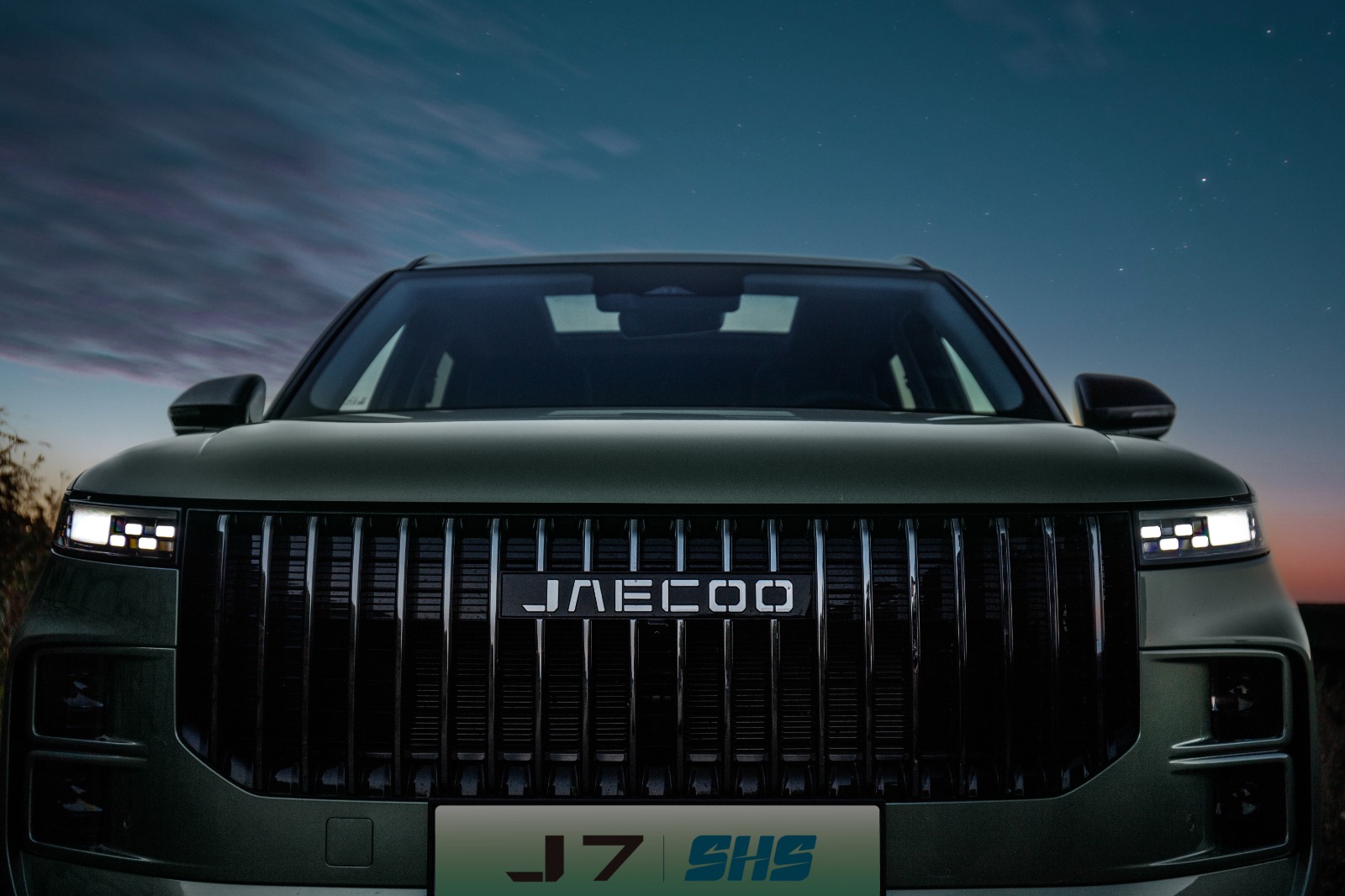
With awards in various countries, the Jaecoo 7 is establishing itself globally and accelerating the expansion of Omoda & Jaecoo in the hybrid SUV market.
-
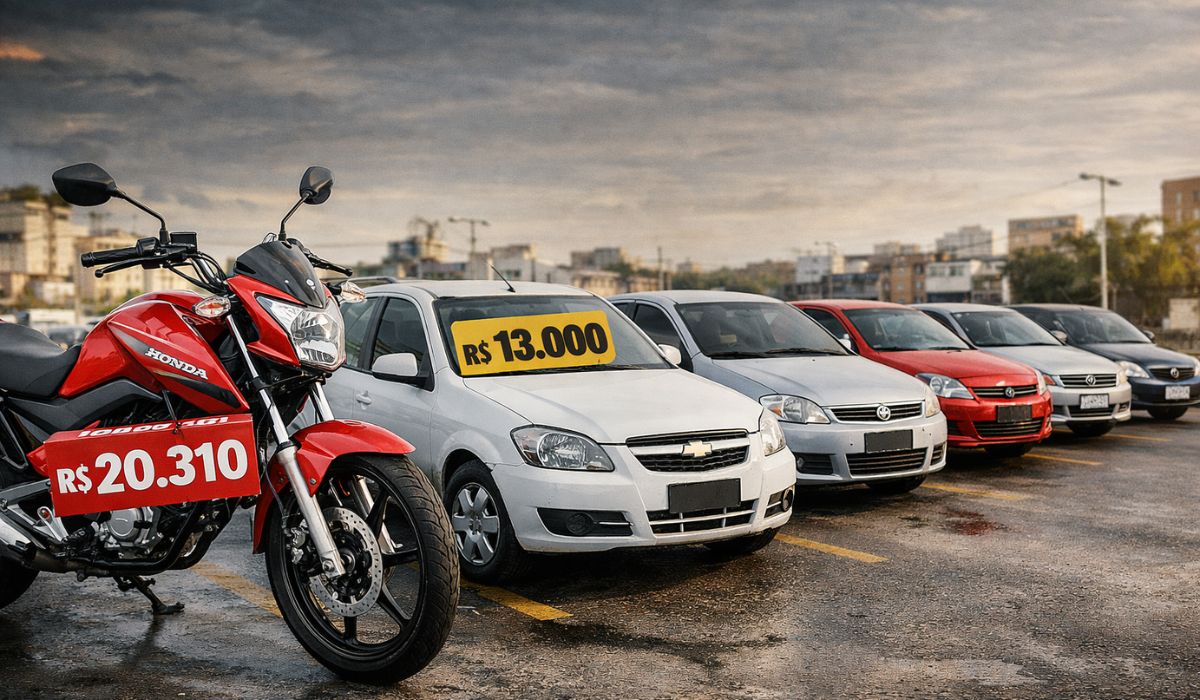
5 cheapest used cars than a Honda CG 160 Titan 0 km, with options starting at R$ 13,000 for those who want to trade their motorcycle for a car and escape the rain, sun, and risks of riding.

The idea is to avoid experimental technologies and deliver a set that better supports continuous use, with a suspension that suffers less from potholes and asphalt irregularities.
In the same category, the Honda Civic appears as a historic rival that combines a sporty feel with extremely durable naturally aspirated engines.
The survey also points to the quality of internal and external construction as a factor that helps the vehicle age without excessive noises or complex failures, something important for those seeking more predictable cars.
March and Versa in the Entry Market and What “Unbreakable” Models Usually Have in Common
In the entry level, the most reliable cars in Brazil are bolstered by the Nissan March and Nissan Versa duo, highlighted for their Japanese reliability and high-quality electrical components.
The reading of the survey is that this combination of simplicity and technical consistency reduces the chances of annoying and repetitive breakdowns.
Models known for being “unbreakable” share characteristics that prolong the lifespan of parts.
Before closing a deal, the survey recommends observing points such as engines with timing chains, suspensions calibrated for impacts from uneven roads, and simplified electrical systems to avoid complex failures, elements that reappear among the most sought-after cars for those wanting to escape constant maintenance.
Etios and Fit: Simplified Mechanics, Heavy Urban Use, and Preference for High Mileage Drivers
The Toyota Etios makes the list of most reliable cars in Brazil even while dividing opinions on its looks, precisely because it bets on extremely simplified mechanics.
One point mentioned is the timing chain, which eliminates the need for expensive belt changes, helping to reduce preventive maintenance and keep the car running without long interruptions.
The Honda Fit follows the same logic by offering an engine and transmission setup described as logical and easy to access for repairs.
The proposal is to withstand intense urban use with less tendency for frequent leaks, a characteristic valued by those who rely on their car daily and want financial predictability.
Gol and Uno: Cheap Parts, Firm Suspension, and the Appeal of Quick Maintenance
On the list of most reliable cars in Brazil, the Volkswagen Gol is associated with a firm suspension and cheap replacement parts, designed for the local roads.
This combination usually facilitates resale and makes maintenance quicker, as it is a model widely recognized in repair shops, precisely the type of vehicle many buy to “not get stuck.”
The Fiat Uno rounds off the popular block with a reputation for low cost and the durable Fire engine, as well as a robust rear suspension to handle loads and difficult terrain.
The survey mentions the idea of driving thousands of kilometers with minimal interventions, which helps explain why these cars keep appearing when the topic is avoiding headaches in real use.
What You Gain by Choosing Cars with a History of Durability
The logic of the most reliable cars in Brazil goes beyond saving on repairs.
The survey points out gains that factor into the owner’s planning: financial predictability, security in daily life, and peace of mind on long trips without fear of unexpected breakdowns.
Among the listed advantages are higher resale value due to positive reputation, reduction in total ownership cost over the years, and the practical feeling of knowing what to expect from the car.
In your routine, which of these most reliable cars in Brazil would you choose to tackle potholes and daily use without being stuck in a repair shop?









Seja o primeiro a reagir!