





 Portuguese
  English
  Spanish
 4 min of reading
  11 comments


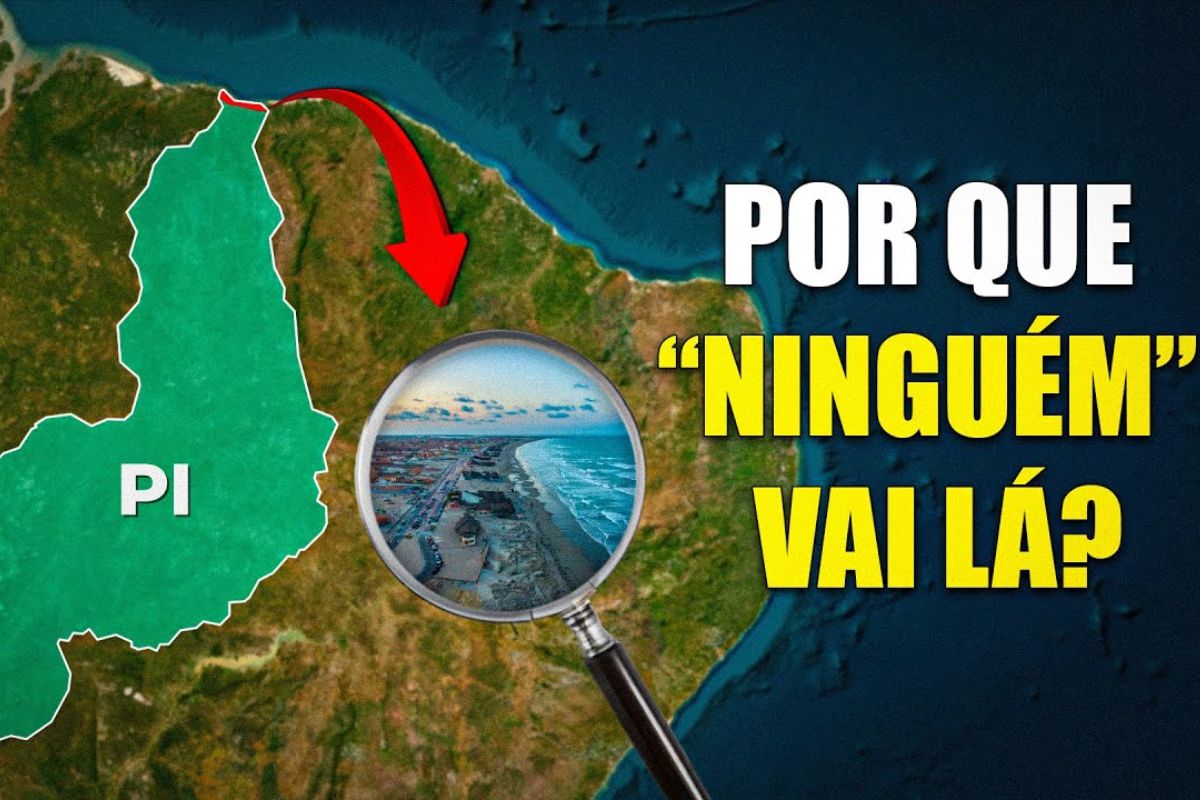


Even With the Parnaíba Delta and 66 km of Coastline, Piauí Became the Forgotten State in Northeast Tourism: A Historical Paradox That Is Beginning to Be Reviewed.
Piauí Became the Forgotten State on the Northeast’s sun and sea routes. With its very short coastline, squeezed between Ceará and Maranhão, the state holds one of the rarest natural phenomena on the continent, the Parnaíba Delta, and yet has remained distanced from major investments and the traveler’s imagination for decades. How did such a treasure end up on the sidelines?
The answer lies in origin, access, and continuity. Piauí was structured from the inside out, looking toward the hinterland, and only reached the Atlantic late. Add to this exhausting roads, discontinuous policies, and projects that turned into promises, and it explains why Piauí Became the Forgotten State even with a world-class natural heritage.
Turning Its Back on the Sea: When History Shapes the Present
The Piauí coastline has only 66 km and four coastal municipalities. This reduced scale limits urban expansion and competitiveness against neighbors with long and established shorelines.
-
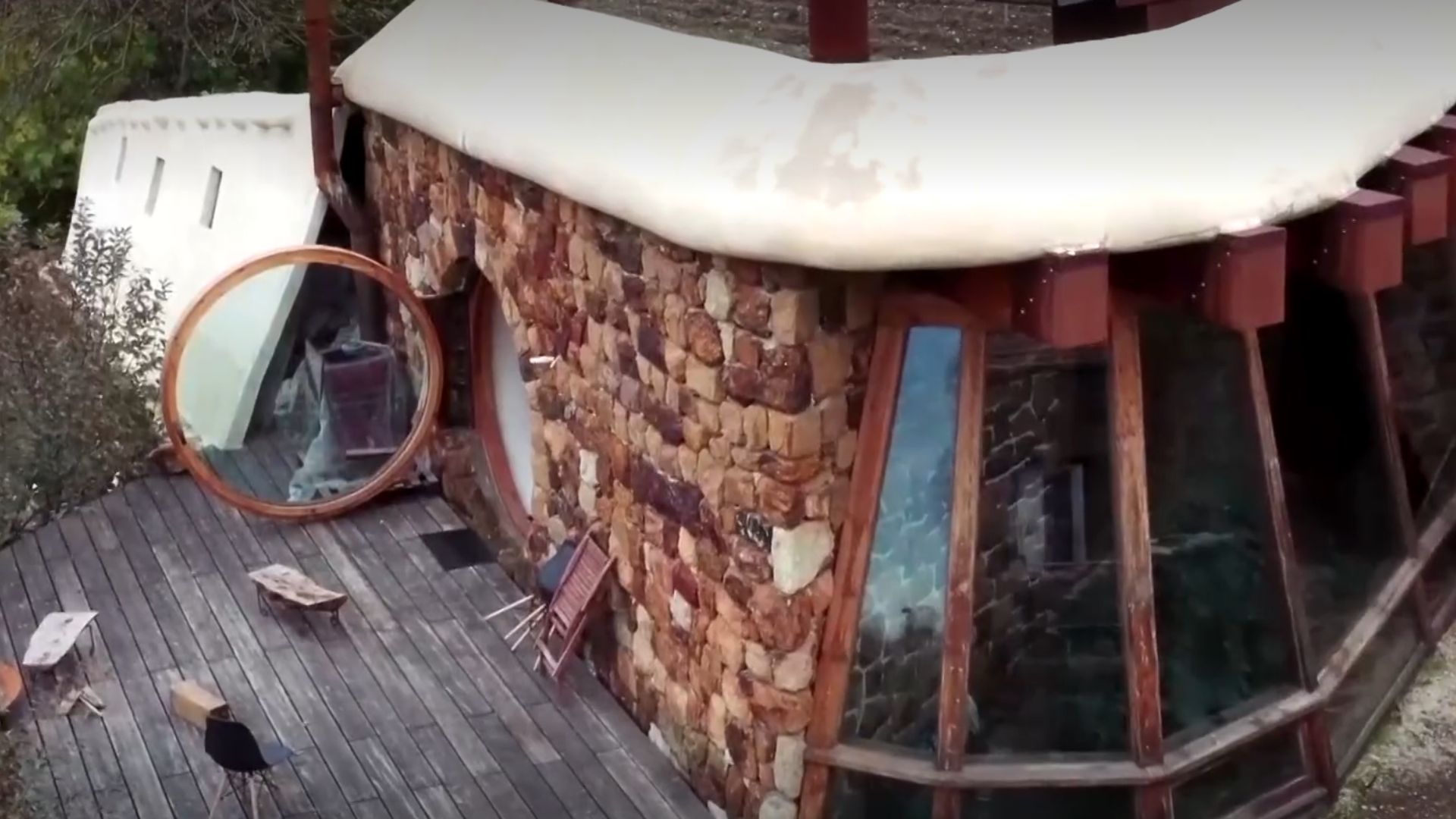
He buried 1,200 old tires in the walls to build his own self-sufficient house in the mountains with glass bottles, rainwater, and an integrated greenhouse.
-
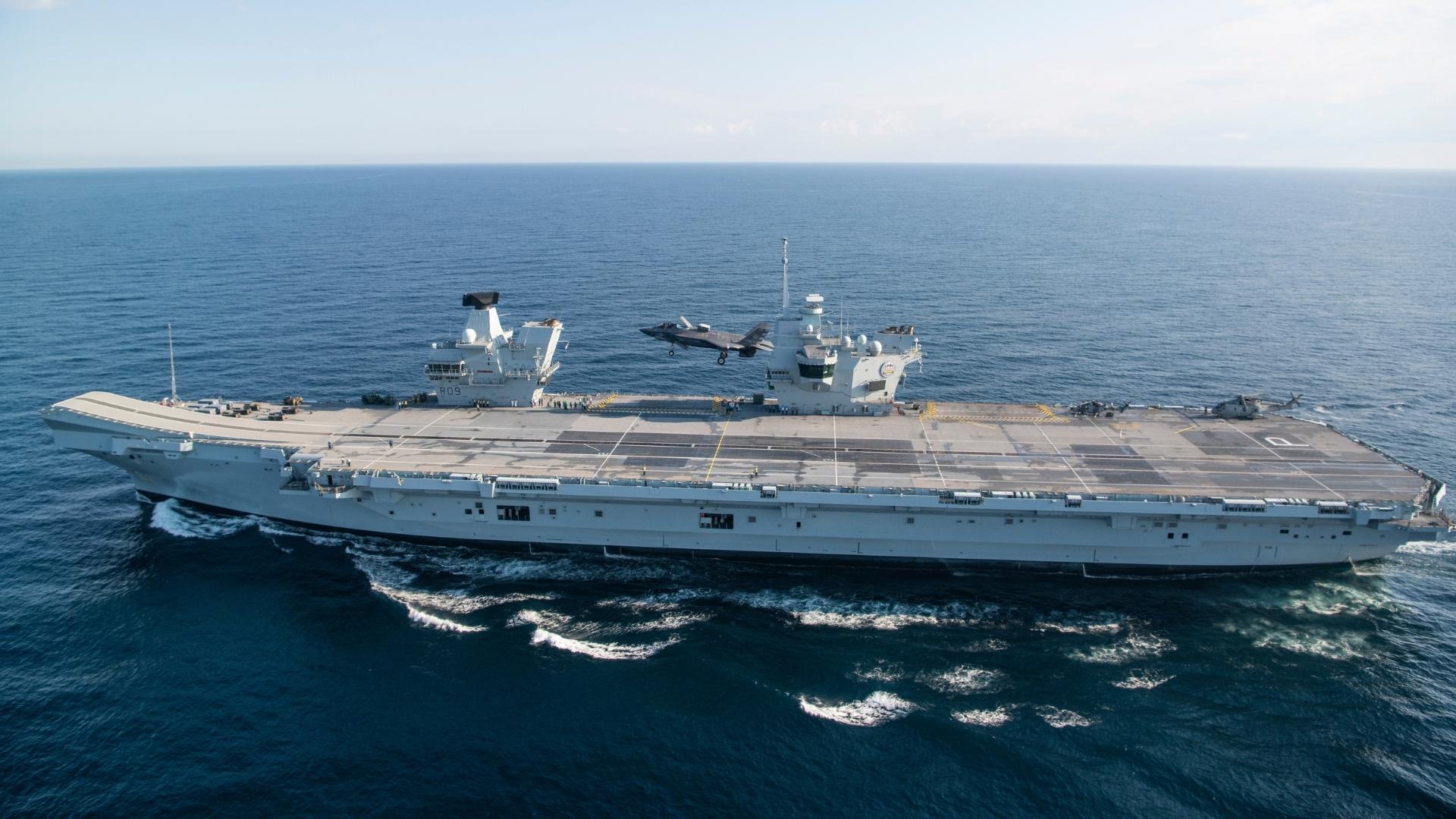
The aircraft carrier HMS Prince of Wales is heading to the Arctic with F-35 fighters, helicopters, and warships in an operation that repositions the United Kingdom at the forefront of NATO in 2026.
-
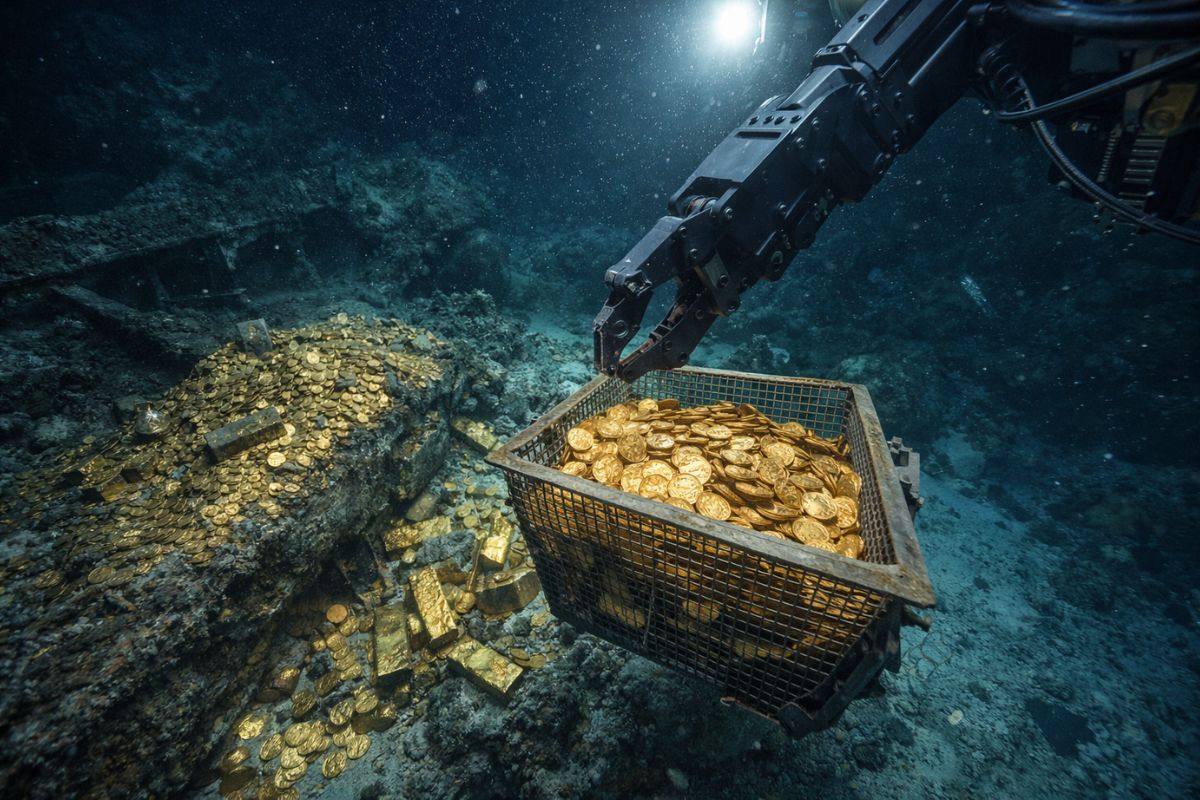
He found the largest gold shipwreck in the United States with tons of the precious metal at a depth of 2,400 meters in the Atlantic and recovered a treasure that no one thought possible to reach, but 500 gold coins disappeared without explanation.
-
The United States has a serious problem with its F-35s: China is already producing fighters at a pace that exceeds American capacity and could manufacture up to 300 aircraft per year before the end of the decade, shifting the global military balance.

More decisive than geography, however, was the historical path: Piauí was born focused on the interior, with cattle ranching and the hinterland routes, and only secured its way to the sea late.
Without ports, navigation, and maritime culture, the coast remained sidelined.
Teresina, the only northeastern capital far from the sea, reinforced the symbolic distancing.
Around 320 km from the coastline, the capital became the administrative and logistical hub of the state, while the coastal strip did not anchor a metropolis capable of attracting investments.
Result: less infrastructure, less visibility, less tourist flow.
An Open Sea Delta: Invisible Natural Wealth
In the narrow meeting with the Atlantic, Piauí holds the Parnaíba Delta, with dozens of islands, dunes, and mangroves. Unlike most deltas, it opens directly to the sea, creating a labyrinth of channels that fascinates researchers and travelers.
It is a unique natural asset and a symbol of the Piauí paradox: lots of nature, little integration with the tourist market.
Without easy access and ongoing management, the delta was hidden for years behind precarious roads and intermittent agendas.
Meanwhile, neighboring destinations have professionalized, occupying national and international showcases. The landscape remained lush; the calendar of works, not so much.
Infrastructure, Promises, and the Cycle of Discontinuity
The BR-343, the connection between Teresina and Parnaíba, remains long and grueling in stretches, which makes the coastline seem farther than it is.
By air, scarce flights have isolated the destination for years; only recently direct routes have started to emerge, opening a long-awaited window of integration.
At sea, the port of Luís Correia became a symbol of frustration: promised and reannounced for decades, it took time to gain effective functionality.
Projects inaugurated during electoral cycles and abandonment in maintenance reinforced the pattern in waterfronts and public spaces.
Without long-term planning and active management, facilities deteriorate, private investment hesitates, and the vicious cycle repeats.
Meanwhile, neighbors have advanced. Jericoacoara (CE) and Lençóis Maranhenses (MA) have established themselves as anchors of international tourism, and many routes have “skipped” Piauí, moving from one icon to another without passing through the middle, a place that, ironically, holds the delta.
Turning Points: Regional Integration and Repositioning
There are concrete signs of reconnection with the Atlantic. New flight routes are beginning to shorten distances; the port is regaining prominence on the agendas; the Rota das Emoções integrates Jericoacoara, the Parnaíba Delta, and Lençóis, placing Piauí on the ecotourism and adventure map.
This regional linkage is strategic: it reduces the opportunity cost of including Piauí on the itinerary and stimulates overnight stays on the Piauí coastline.
For the turnaround to consolidate, it is necessary to move beyond the electoral calendar and embrace multi-year goals: predictable road access, stable air network, signage and standardized services, environmental protection with qualified public use, and coordinated promotion.
Without governance and continuity, everything returns to square one. With them, the delta becomes a showcase and not an exception.
What Is Missing for Piauí to Stop Being “The Forgotten State”?


Priority 1: Access and Stay. Improve critical stretches, ensure regular flights, and integrated transfers. The trip needs to be affordable and timely without surprises.
Priority 2: Consistent Experience. Maintained waterfronts, accredited guides, marked trails, visitor centers, and environmental monitoring. The beauty already exists; what lacks is standardization.
Priority 3: Narrative and Market. Position the delta as a key piece between two icons, sell combined products (2–3 nights), and foster local enterprises with credit and training. Without structured supply, demand cannot be sustained.
Priority 4: Continuity. Executive plans with goals and indicators that span administrations. Without this, the trail of empty kiosks and cracked sidewalks will haunt the coast again.
Piauí Became the Forgotten State because its history looked inward while the tourism world looked to the sea.
Today, the equation can change: air integration, functional port, Rota das Emoções, and continuous management form the basis of a new narrative of a short, rare, and finally visible coastline.
And you, do you believe that the Piauí coastline is ready to stop being “the forgotten state” and become a must-stop between Jericoacoara and Lençóis, or is there still a decisive step of management and continuity missing? Let us know in the comments.







Se precisar de um restaurante na orla à noite não encontrarão.
Sem segurança nem atrativos.
Lamentamos como nativos.
Até agora o Porto de Luís Correia ainda não funciona. O aeroporto e Parnaíba só recebe voos de Fortaleza. Tudo não passa de uma maquiagem preparatória para o ano eleitoral que vem. Enquanto isso, a taxação da água nos poços para os pequenos produtores rurais do Estado e muitas promessas para os piauiense. Acorda povo do meu Piauí!
Não fosse um político chamado Alberto Tavares Silva, o Litoral do Piaui ainda estaria no marasmo do atraso.