





 Portuguese
  English
  Spanish
  4 min of reading
  0 comments



Understand Practically The Five Reasons That Most Often Lead To Your Retirement Being Denied And How To Prepare To Avoid Mistakes Before Submitting The Request To The INSS.
If you are about to apply for benefits, knowing the five reasons that most often lead to your retirement being denied can prevent months of waiting and frustration. In straightforward language, we have gathered the most common errors in the INSS analysis and what to do to avoid them.
According to social security lawyer Taís Santos, with over 20 years in the field, many of the denials arise from simple proof failures, discrepancies in registration, and incorrect reading of documents by the agency.
Information and preparation are crucial to turning a “no” into a granted benefit.
-
The Senate approves a bill that criminalizes misogyny, hatred, or aversion towards women, and includes the crime in the Racism Law with a penalty of up to 5 years.

-
Chamber Approves Bill That Allows Pepper Spray for Women Over 16 and Imposes Strict Rules for Purchase, Possession, and Use as Self-Defense

-
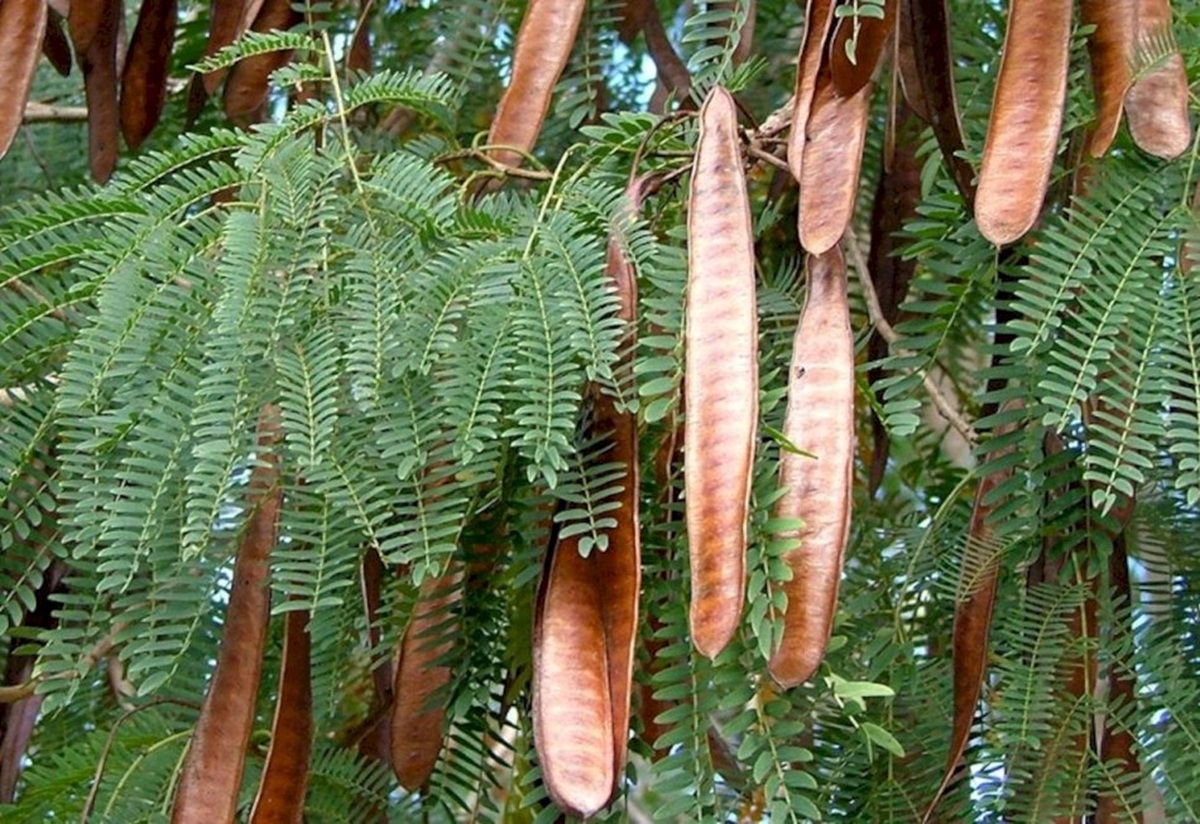
Chamber Approves Law to Combat Leucaena, Fast-Growing Plant That Dominates Land and Threatens Native Species in Various Regions of the Country
-
Asset Division: Know What Cannot Be Divided in Case of Divorce


1) Lack of Contribution or Minimum Grace Period
Many requests arrive before the insured has met the requirements. The person gathers their ID, proof of address, and work card, but has not yet reached the required contribution time or grace period for the chosen rule. Result: automatic denial.
Taís Santos’ guidance is to validate, before submitting, which retirement rule applies to your case (transition, age, points, special, etc.) and simulate dates and amounts to avoid applying at the wrong time, when the projected income may be lower. Planning prevents loss of time and money.
2) Incomplete or Incorrect Documentation
Requests with poorly organized or inappropriate evidence are often denied. This is the case for those seeking rural retirement without presenting suitable documents from their time in the field; or for those with special time (hazardous agents) who do not provide the PPP, LTCAT, or reports to prove exposure.
As Taís Santos explains, if you only present the correct papers on appeal, you lose the retroactive benefits between the initial submission and the correction. Prepare a complete dossier from the start: links, contributions, proof of work, work cards, payslips, PPP, and other reports. Right document, in the right format, in the right order.
3) Pending Issues and Inconsistencies in the CNIS
The CNIS (National Register of Social Information) is the backbone of the analysis. Common failures include: employer not contributing, links without end dates, contributions delayed or without due period, divergent CNAE/occupations. The INSS, then, disregards entire periods.
The way forward is to access Meu INSS, download the statement, and address the pending issues with proof documents (signed work cards, receipts, GFIP, payslips, labor court rulings). When the company has not contributed, the link can be recognized with robust evidence. Anticipate corrections before submission to avoid the “back and forth.”
4) Failure to Prove “Insured Status”
Disability benefits, pensions, and even certain retirement rules require insured status and sometimes a grace period. Without demonstrating recent contributions, valid links, or dependence in the case of a pension, the request is denied.
Organize the timeline: last contributions, changes in category (employee, self-employed, MEI), periods without contributions, and documents of stable union/marriage when there is dependence. Fill the gaps with guides and receipts — and know when the grace period preserves your rights.
5) Errors in Procedure or Failures in the INSS Analysis
There are denials due to misinterpretation of reports, disregarding documents, and poorly done technical classifications (special, rural, rule summation). In these cases, a well-founded administrative appeal and, if necessary, legal action can reverse the decision.
The INSS denies many complex requests, especially when there is special time or rule summation. Re-read the dispatch, identify the point of disagreement (evidence not analyzed, norms applied incorrectly), and counter with documentary evidence. Technical persistence makes a difference.
Step By Step To Reduce The Risk Of Denial


Before submitting, do a social security check-up:
- Conciliated CNIS: correct dates, links, and due periods.
- Complete dossier: work cards, pay slips, PPP/LTCAT, certificates, notes, and receipts.
- Right rule at the right time: simulate scenarios for ideal amounts and dates.
- Clear narrative: attach a document with a timeline explaining the request (periods, functions, exposures, gaps, and evidence).
This script anticipates requirements and reduces the chances of “denied due to details.” Organization is proof.
When To Seek Technical Support
Although it is possible to proceed alone, cases with special time, rural, periods without contributions, accumulation of categories, or pension often require legal and technical reading. The mentioned experience suggests that a good strategy can increase income and avoid irreversible errors.
Even so, you decide the level of support: consulting to plan and prepare the dossier, reviewing the process before the submission or action in appeal/lawsuit when there is a denial. Choose based on the complexity of your history.
Knowing the five reasons that most often lead to your retirement being denied is half the journey to not hearing a “no” from the INSS. Planning, correct evidence, and clean CNIS shorten the path to the benefit and can increase final income.
Which of these five points affects you the most: CNIS with an error, missing document, insured status, chosen rule, or failure in the INSS analysis? Share in the comments where you got stuck and what you’ve tried; your experience can help others.









-

-

-

-

6 pessoas reagiram a isso.