





 Portuguese
  English
  Spanish
 7 min of reading
  4 comments


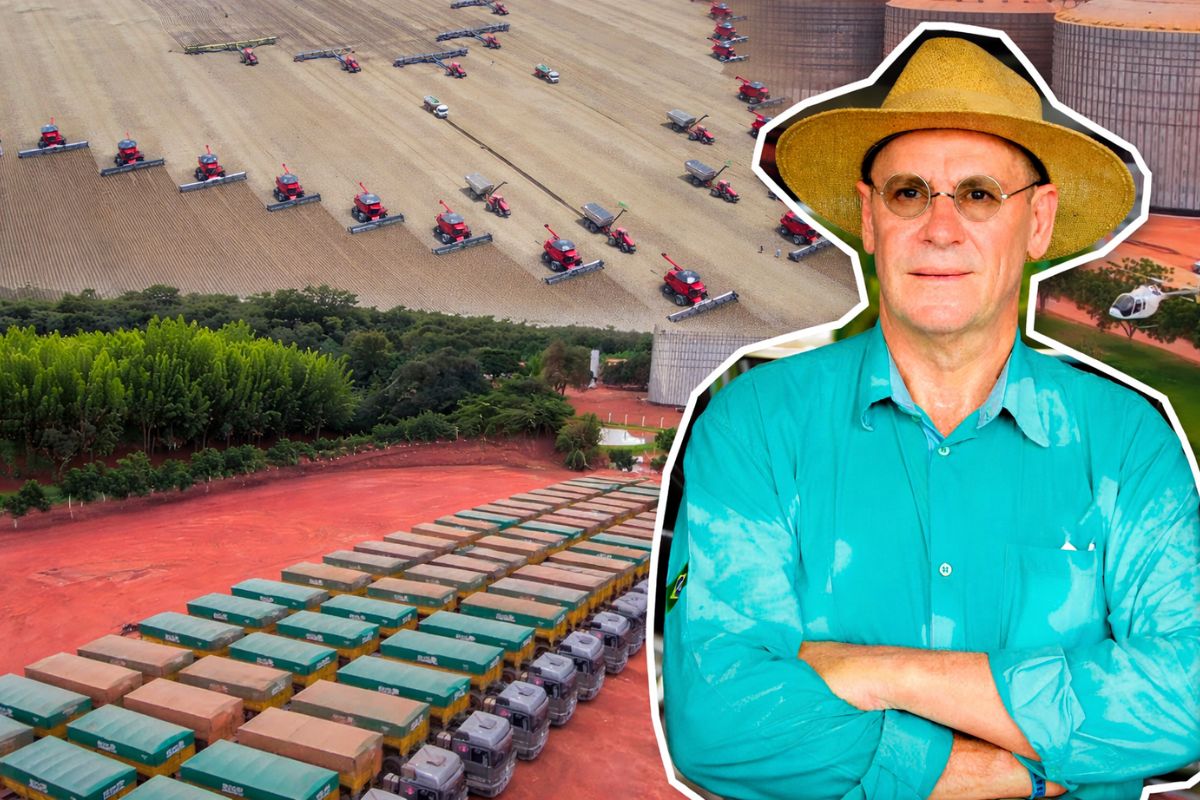


With Over 40 Years in Balsas Maranhão, Guis Went from a Simple Hotel to a Fleet of Trucks and Became a Power in Agribusiness in Maranhão.
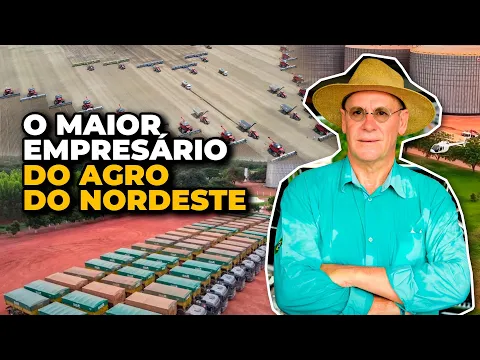
With over four decades of history, the trajectory of José Antônio Gorgen, known as Zezão, shows how a gaucho from Não-Me-Toque went from a simple hotel room in Balsas to leading a group with five farms, fertilizer blenders, machinery sales, silo construction, irrigation pivots, and a fleet of over 400 trucks. Today, Guis has become a power in agribusiness in the Balsas region and in other parts of Maranhão and Piauí, without losing the accent of a pioneer and the discourse of humility.
More than just numbers, Zezão’s story is a portrait of how the agribusiness in the northeastern Cerrado was built on courage, long-term vision, and the ability to see opportunities “from the gate in and from the gate out.” Guis became a power in agribusiness because it never stopped growing, diversifying, and investing in people, maintaining the roots of a rural producer, but creating a true conglomerate linked to production, logistics, and services that revolve around the farm.
From Brush to the Light of the Tower of Balsas
Before any truck, silo, or blender, the story begins on the road. When Zezão arrived in Balsas, back in the 80s, the landscape was basically brush, red earth, and an open horizon.
-
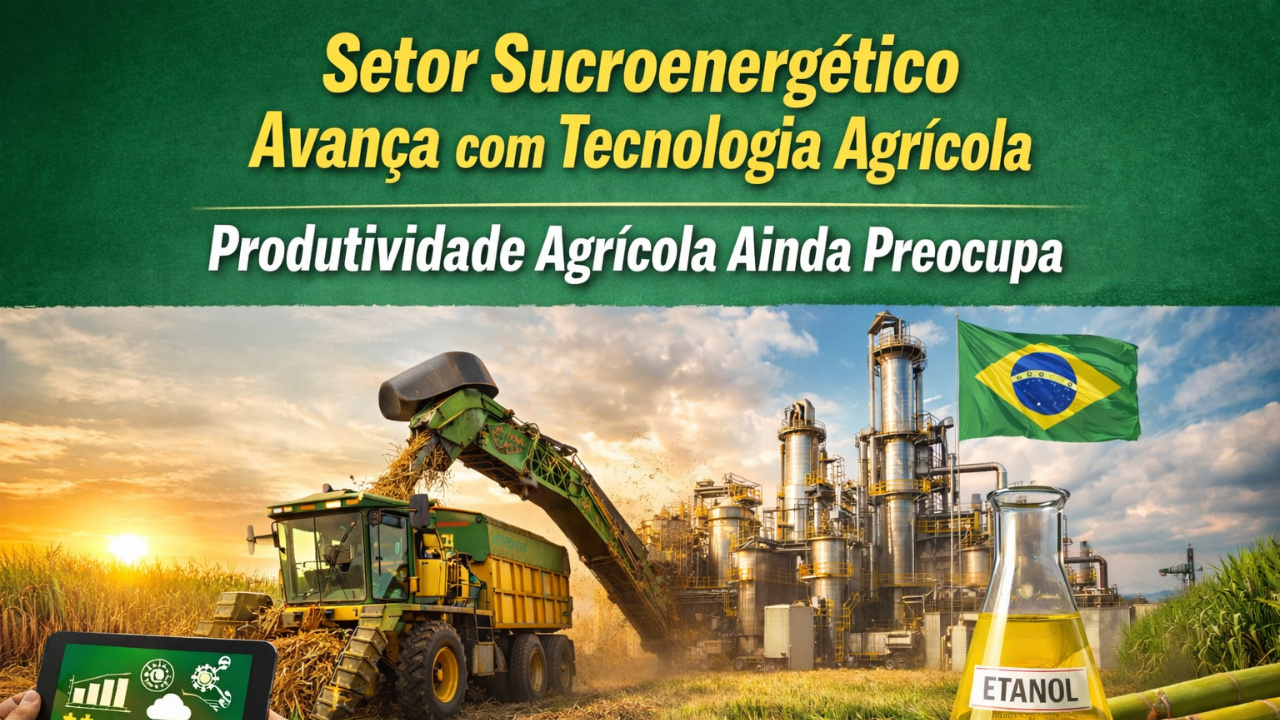
The sugar-energy sector advances with agricultural technology, but agricultural productivity still raises concerns.
-
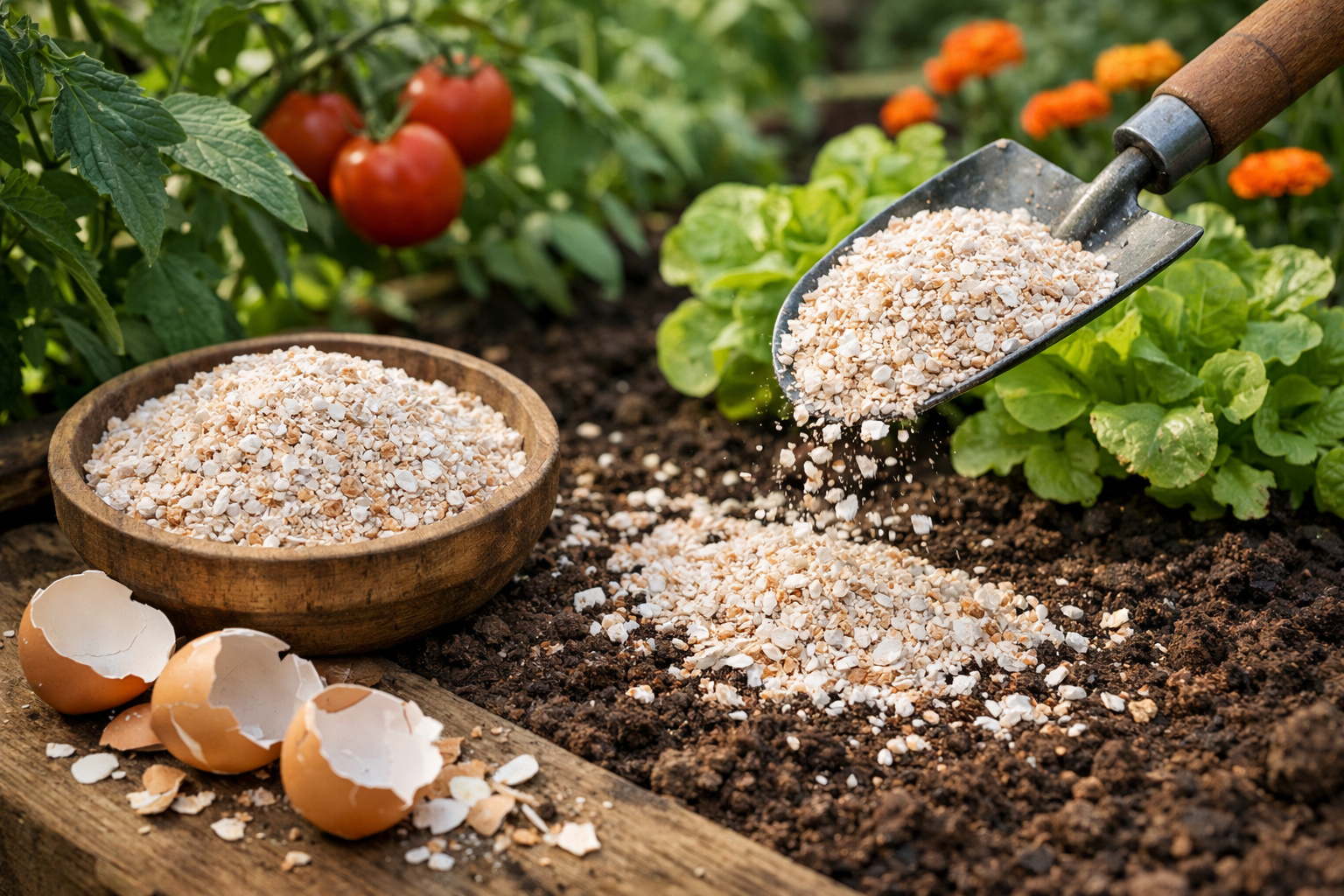
The eggshell that almost everyone throws away is made up of about 95% calcium carbonate and can help enrich the soil when crushed, slowly releasing nutrients and being reused in home gardens and vegetable patches.
-
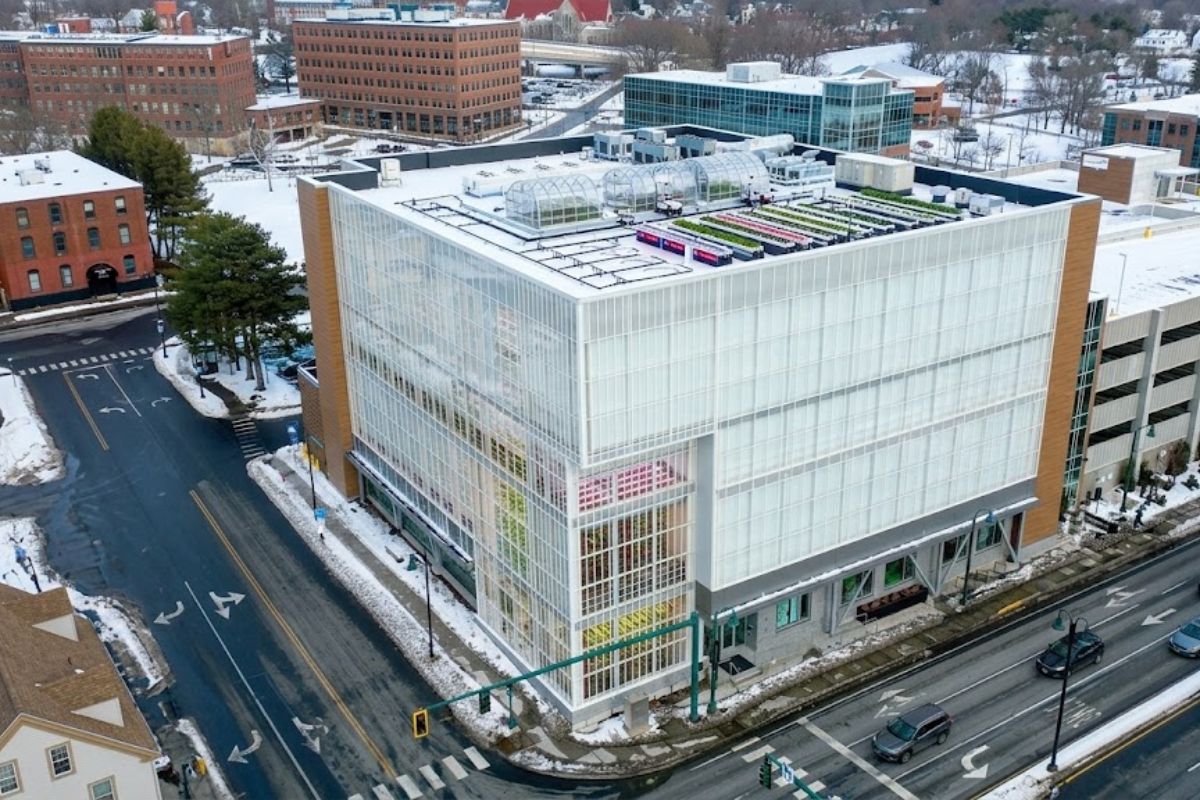
This farm in the United States does not use sunlight, does not use soil, and produces 500 times more food per square meter than traditional agriculture: the secret lies in 42,000 LEDs, hydroponics, and a system that recycles even the heat from the lamps.
-
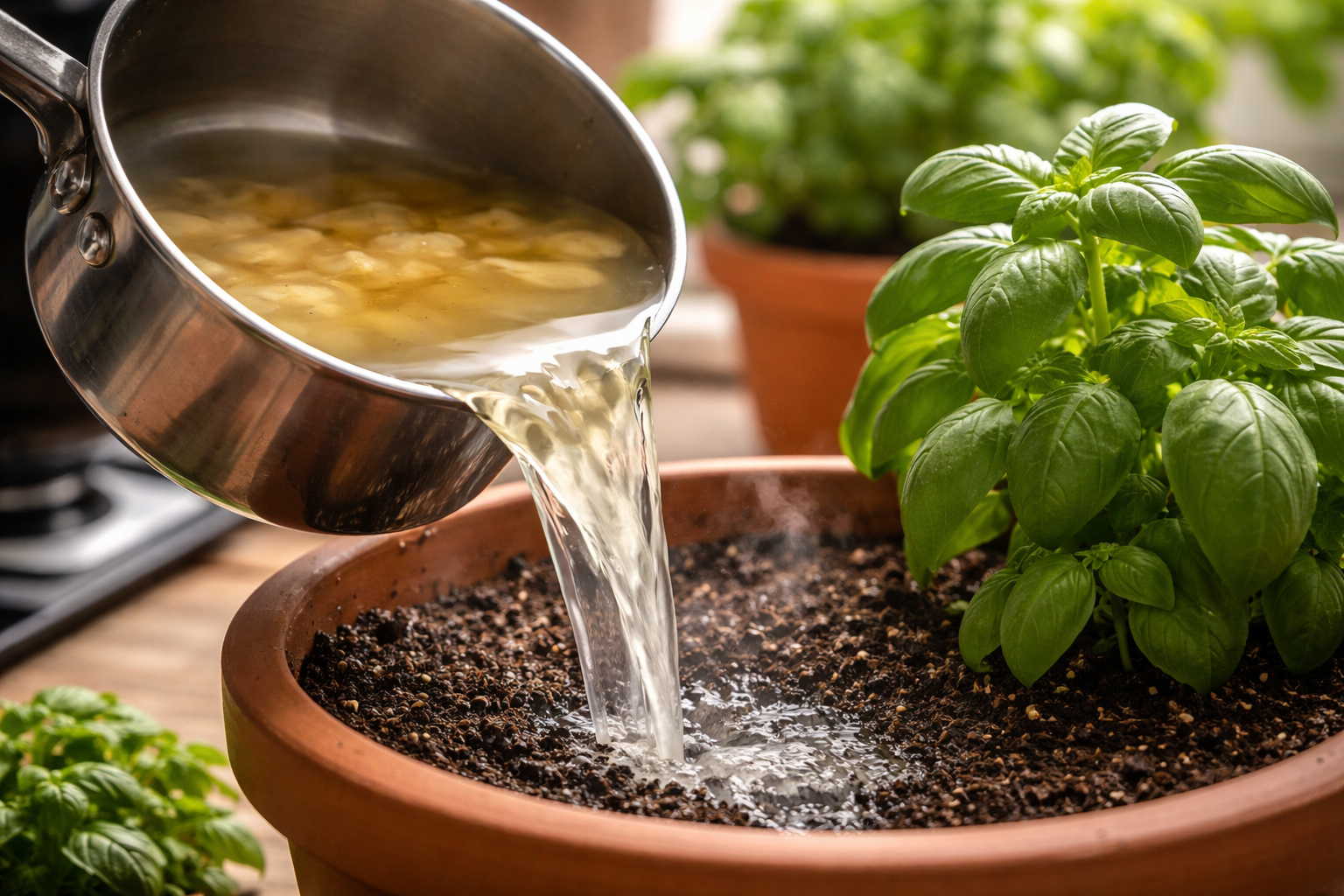
The water that almost everyone throws away after cooking potatoes carries nutrients released during the preparation and can be reused to help in the development of plants when used correctly at the base of gardens and pots, at no additional cost and without changing the routine.

He remembers that, as he approached the city, the first sign that “civilization” was arriving was the lights of the communication tower.
That was where the first symbolic phrase of the journey came: “we arrived, we are close.” This arrival wasn’t at a grand hotel or luxurious structure. Zezão stayed at Estrela Dalva, a simple hotel that still exists today.
His father stayed in one room, and he and his cousin in another, where there was a bed and a hammock. Since no one was used to sleeping in a hammock, they took turns sleeping in the bed every other night, to at least have one good night’s sleep.
This modest beginning helps to understand why, for him, growth has never been about ostentation, but about building something solid on every step taken.
The First Farm That Succeeded and Never Left the Family’s Hands

During the first visit, Zezão went to see the farm that is still part of the group today. He looked at the land, assessed the soil, noticed the color and texture. “Purple, beautiful, generous soil. We liked it. This will work here” was the kind of perception that guides anyone who knows farming in practice.
The first deal was closed the old-fashioned way, over the phone, with the original owner. There was price discussion, proposal revision, but the agreement was reached.
Even with ups and downs, the first farms purchased still remain today in the hands of Guis, which shows a strong mark of the company: not entering and leaving regions at the whim of the moment, but building history on the same land.
From there, the expansion did not stop. In the 80s, the planted area increased year after year. In 1991, the family bought a farm in Piauí.
Each step was another piece of the Cerrado being explored and transformed into mechanized farming, consolidating Balsas as an agricultural hub and establishing Guis’s presence in two states.
How Guis Became a Power in Agribusiness
Today, when people talk about Guis in the Balsas region, they no longer just talk about farms. The company became a power in agribusiness because it understood that, to grow, it wasn’t enough to produce grains: it was necessary to dominate the entire chain.
Among the main arms of the group are five farms in Maranhão and Piauí, headquartered in Maranhão; three fertilizer blenders, with one in Piauí, the only one in the state, and two in Maranhão; the sale of agricultural machinery, always updated with the latest in mechanization; the construction of Kepler Weber silos, acting as an authorized dealer; operation with irrigation pivots, ensuring productive stability in challenging climate scenarios; and a strong logistics structure, with a fleet of over 400 vehicles, almost entirely composed of Mercedes and Volvo trucks, including rodotrens and tritrens Librelato, which expedite the transport of production and connect farms to buying markets.
With this integrated structure, Guis became a power in agribusiness in practice, because it can unite inputs, production, and logistics, reducing bottlenecks and gaining competitiveness at every stage of the chain.
The Turning Point: Looking from the Gate Outward

Even with constant growth, Zezão mentions that there was a moment that changed his mindset. On a trip to Rio Grande do Sul, he attended a lecture by Fernando Homem de Melo at Expointer.
There, he heard something he had never heard so clearly: there are businesses from the gate in and businesses from the gate out.
Until then, the focus was almost entirely inside the farm, on production, planted area, and harvest. The lecture showed that there was another world of opportunities: resale of machinery, commercialization of inputs, transportation, seeds, integrated services. Businesses from the gate out that do not compete with the farm, but add value to it.
It was from this vision that the company consolidated its operations in segments such as machinery resale, securing access to cutting-edge machinery and good purchasing conditions; resale of chemical products, integrating inputs to the production system; seed production; transport dedicated to its own operation and partners; and other fronts that surround the farm and strengthen the group’s position in the market.
In practice, this is how Guis became a power in agribusiness, connecting what it plants to what it buys, sells, and transports, instead of relying only on third parties and tight margins in farming.
People at the Center: Profit Sharing and Career in the Field
Another point that differentiates the company’s culture is the way of viewing employees. Zezão emphasizes that profit sharing is part of Guis’s reality, with a formal profit-sharing project structured with the support of a specialized company.
This model has clear rules: those who contribute more to the results have a greater share in the profits; unjustified absences, warnings, and suspensions reduce the profit share; and time spent in the company counts in favor, as those with more than ten years earn a “booster” in their share. From the manager to the loader, everyone has some level of participation proportional to salary.
This creates the feeling that each person is directly helping Guis to maintain its status as a power in agribusiness, and not just “working on someone else’s farm.”
The result is a more committed team, that sees a professional future within the group and feels recognized for their efforts over the years.
Humility, Money, and the Philosophy of Those Who Built Everything from Scratch

Despite leading a conglomerate that has become a power in agribusiness in Maranhão and Piauí, Zezão maintains a simple discourse when talking about money and success. One phrase sums up his view well: “The more you chase money, the more it runs away from you.”
In practice, the advice is direct. Instead of living obsessed with immediate gain, one should focus on doing today’s work well. “Work without thinking about how much you will earn, and it will come to you automatically”, he says.
This mentality helps explain why, even with a giant fleet, silos, blenders, and various branches of operations, he still speaks a lot about humility and focus.
For Zezão, Guis only became a power in agribusiness because it never lost the habit of exploring, learning, and reinvesting, without getting dazzled by what it has already achieved.
A Symbol of Work in the Northeastern Cerrado
The story of Zezão and Guis is intertwined with the very transformation of Balsas and the region. From a scene of brush, dirt roads, and simple hotels, the municipality has become an agricultural reference and hub for services connected to the field.
Today, the company is seen as a symbol of work, vision, and persistence, showing that it is possible to go from a room divided between a hammock and a bed to commanding a complex structure, with businesses from the gate in and from the gate out.
In the end, Guis became a power in agribusiness not just for the numbers but for the set of decisions made over decades, always adding land, people, technology, and logistics into the same equation.
Content inspired by an interview and information shared by the channel TERRA AGRO.
And you, looking at this story, what inspires you the most: the way Zezão explored Balsas back then or the way Guis became a power in agribusiness by investing in people, structure, and long-term vision?








Tudo nessa história é inspirador e isso me faz pensar em fazer o mesmo, começar um negócio do nada e torná-lo grandioso.
Parabéns ao Zezão e a todo o time dele.
Só corrigindo, nome da empresa é Gees
Zezão, resumindo tudo em humildade e gratidão! Parabéns