





 Portuguese
  English
  Spanish
 3 min of reading


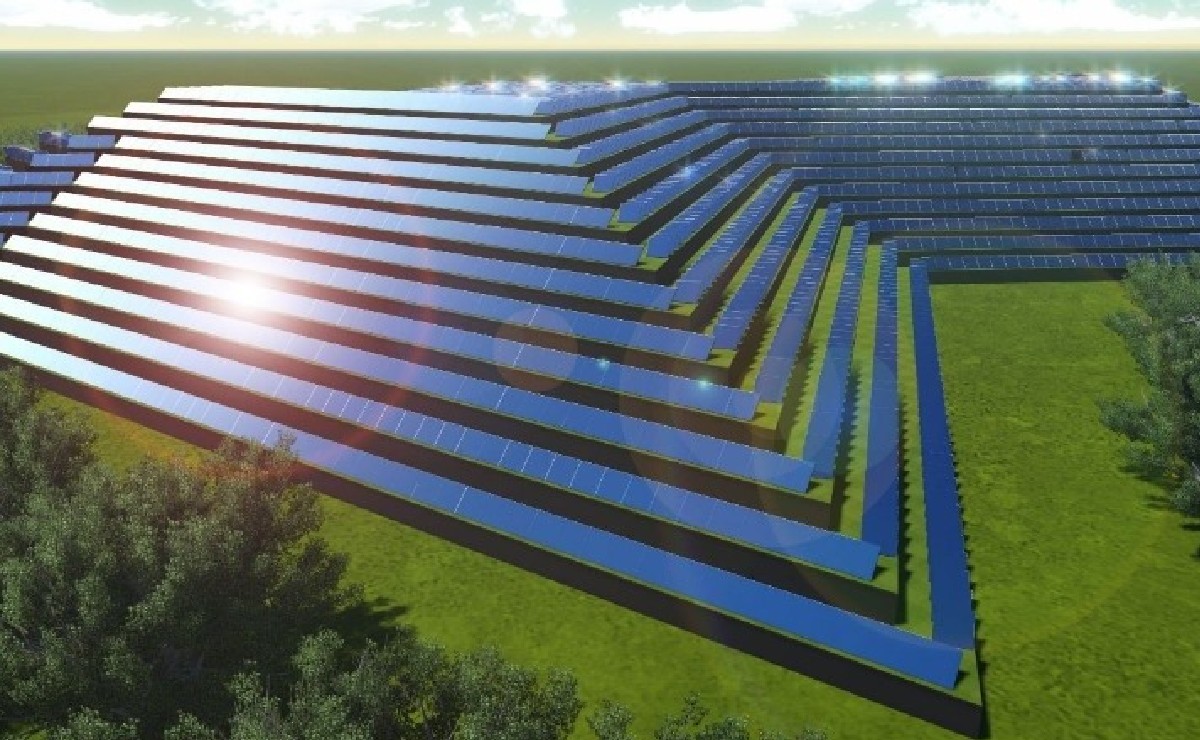
The Works At The Caximba Solar Pyramid Enter Final Phase. Focused On A Sustainable Future And In Harmony With The Environment, The Solar Energy Producer Is Another Advancement In The Electric Transition Process
The works carried out by the City Hall of Curitiba at the Caximba Solar Pyramid, located at the former landfill deactivated in 2010, have entered the final phase. The projection is that the solar power plant will start operating in March this year, coinciding with the celebrations of Curitiba’s 330th anniversary. On Monday morning, (01/30), the current mayor, Eduardo Pimentel, inspected the progress of the works.
Learn A Little More About The Works And Investments Made In The Project
The Solar Pyramid is part of a set of initiatives from Curitiba Mais Energia, one of the strategies promoted in the city aimed at combating and mitigating climate change, through the production of renewable energy, which also brings relief to public finances due to the low production cost.
“This is yet another of the great ideas from our mayor Rafael Greca, who keeps Curitiba as a global reference. The intention is to continue these investments in innovation and technology,” commented Pimentel, alongside Jean Brasil, superintendent of Works and Services from the Department of the Environment.
-
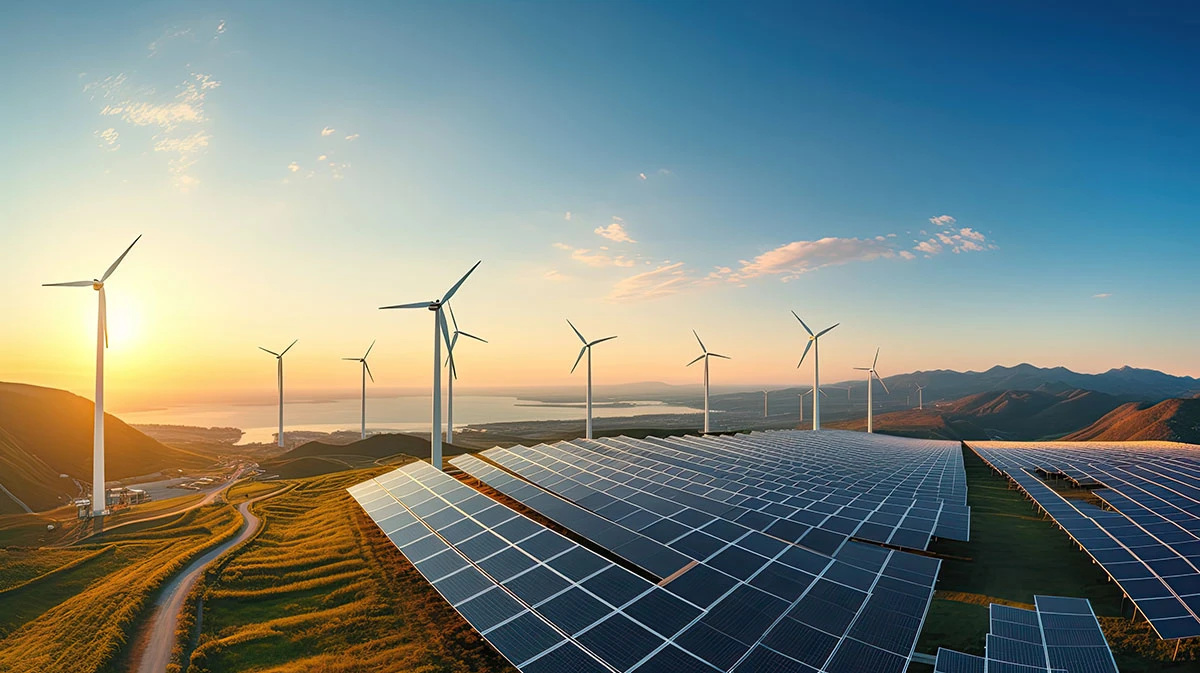
Petrobras reaffirms its commitment to the market and ensures that it will carry out the energy transition safely to maintain national sovereignty.
-
Researchers discover a possible hydrogen deposit of up to 46 million tons beneath an ancient coal basin, and the volume could exceed half of the entire global production.

-
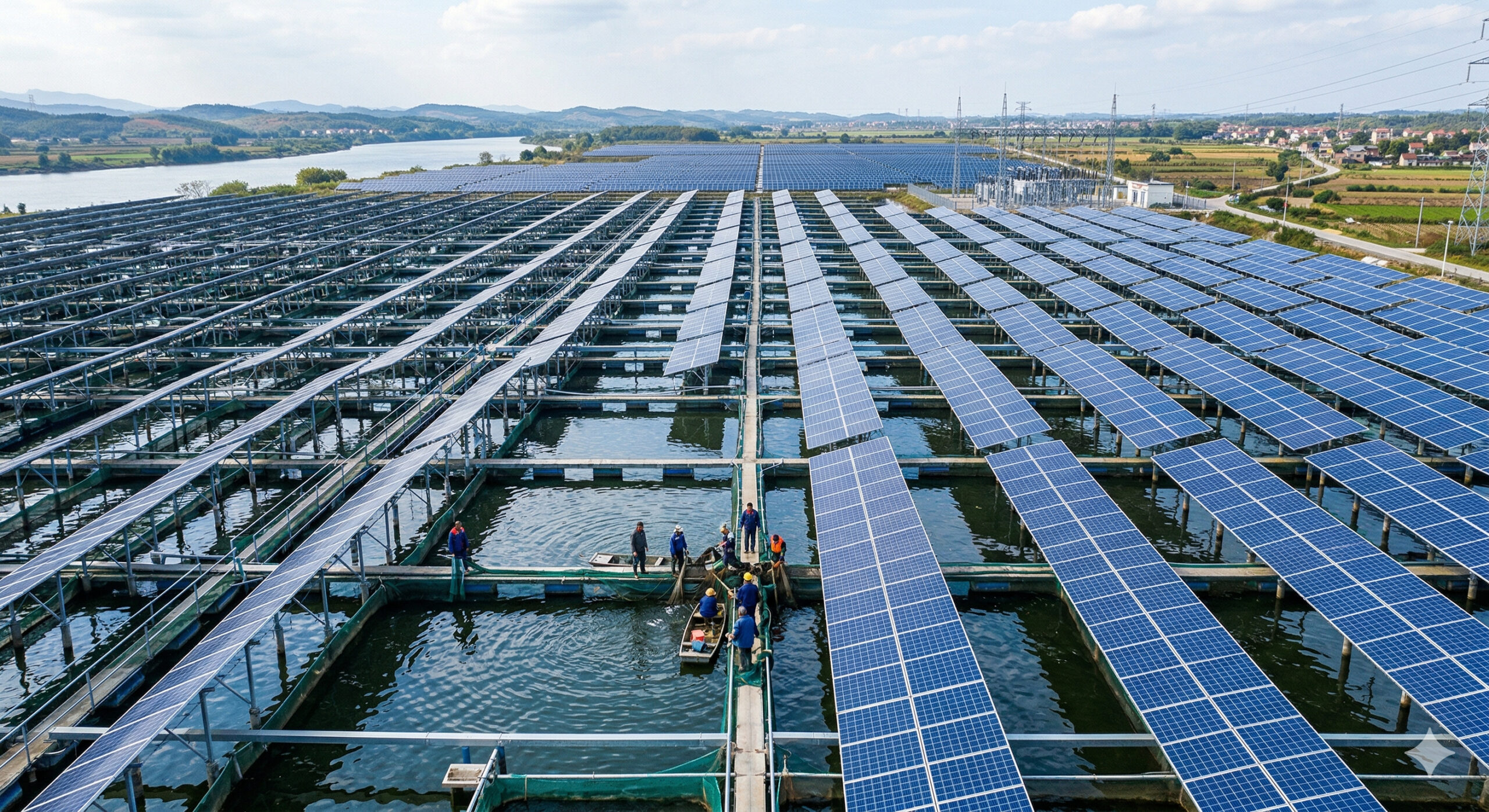
China bets on the Fishery-PV model and transforms fish farms into giant solar plants, covering ponds with panels that generate energy while utilizing the same space for large-scale aquaculture production.
-
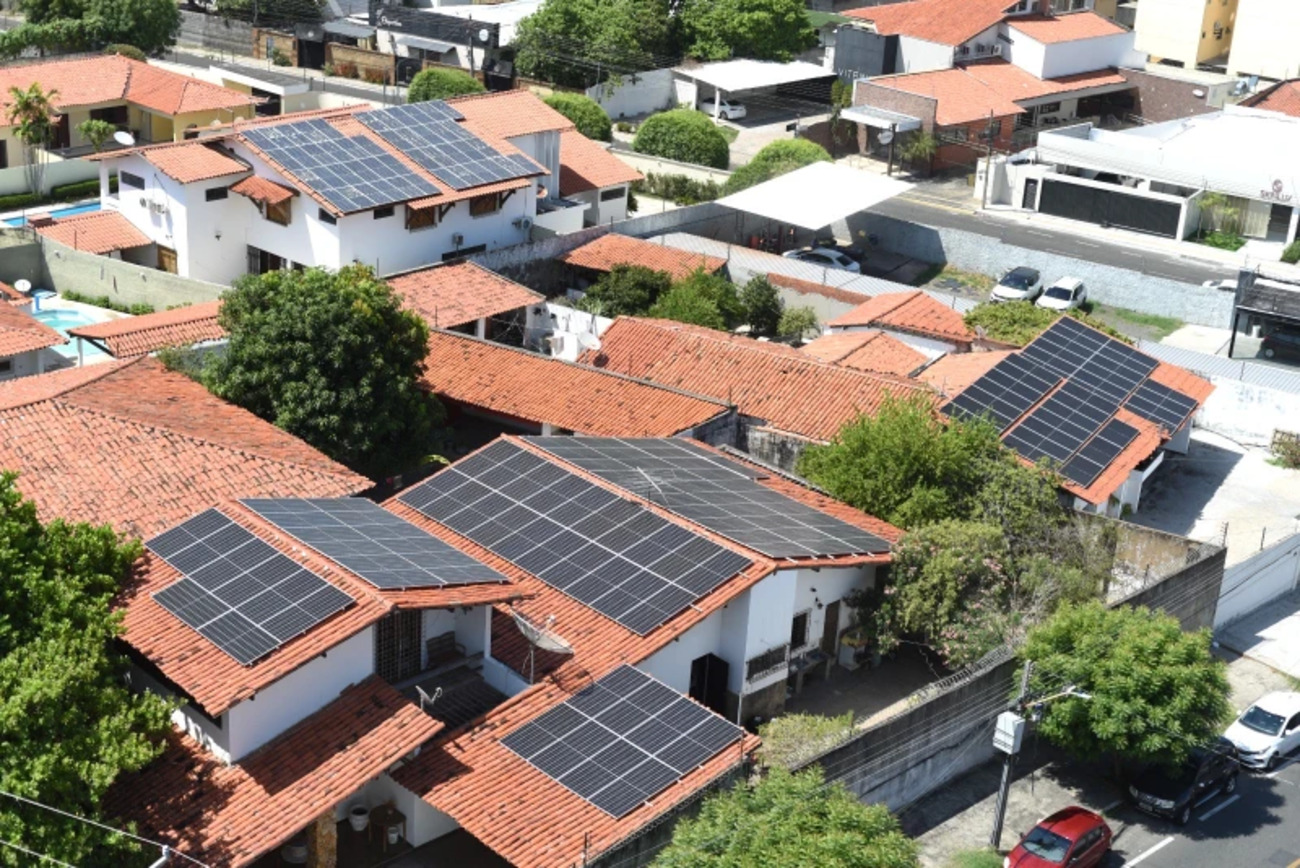
Europe records strong euro economy with solar energy in March and sparks curiosity about which country leads growth that redefines the energy market and reduces costs.


Pimentel was also accompanied by Marcelo Ferraz, administrator of the Tatuquara Regional; by João Carlos Fernandes, director of Energy Efficiency and Renewable Energy Generation; by Mauro Bobato, city councilor of Curitiba; and teams from the Department of the Environment.
Progress Of The Works At The Caximba Solar Pyramid: The Solar Energy Producer’s Panels Are Already Being Installed In Various Locations In Curitiba
Currently, the installation of 20% of the solar modules is still pending, which will be responsible for capturing solar radiation to convert into energy.
Of the nearly 8,600 panels, more than 6,800 are already positioned on the bases and metal structures, which are practically finalized. According to the technical team, the bases are 98% completed and the metal structures, 90%.
The Caximba Solar Pyramid will have an installed capacity of 4.55 MWp of generation.
The Curitiba Mais Energia program also includes the installation of panels at the Palácio 29 de Março, in the Hall of Acts of Parque Barigui, and in the Four Seasons Gallery of the Botanical Garden.
For the next phase, which is in the initial stage, the installation of two more photovoltaic systems on the roofs of the Santa Cândida and Boqueirão bus terminals is planned.
In Pinheirinho, the implementation is already in the final bidding phase, and works at the Curitiba Rodoferroviária will start soon.
The Project Is A Partnership Between International Companies
The Solar Pyramid project was selected by the C40 cities network and awarded resources from the Cities Finance Facility (CFF) of C40 for its structuring.
The project also follows the Distributed Generation rules of the National Electric Energy Agency (Aneel).
The project is also a partnership between the C40 group of Large Cities, Climate Leadership, and the Deutsche Gesellschaft für Internationale Zusammenarbeit (GIZ), which supports cities in developing projects aimed at reducing greenhouse gas emissions and curbing global temperature rise.
The project is funded by the United States Agency for International Development (USAID), the German Federal Ministry for Economic Cooperation and Development (BMZ), and the Department for Business, Energy & Industrial Strategy of the United Kingdom (BEIS).
The solar energy production-focused project is nearing completion and promises significant advances for the future of Curitiba. The electric transition process to clean and renewable energies is in full swing, and the Solar Pyramid has come to align production with environmental preservation.







Seja o primeiro a reagir!