





 Portuguese
  English
  Spanish
  5 min of reading
  3 comments





The North-South Railway Transforms Freight Transport in Brazil by Connecting the North to the Southeast Through High-Capacity Tracks, Redesigning Routes, Reducing Logistics Costs, and Promising to Relieve Critical Highways in the Country.
The North-South Railway (EF-151), with 2,257 km already deployed between Açailândia (MA) and Estrela d’Oeste (SP), was designed to create a high-capacity corridor from North to Southeast, connecting production areas to strategic ports and relieving highways.
By integrating with existing networks and expanding terminals, the axis promises to remove hundreds of thousands of trucks from the roads, reduce logistics costs, and provide predictability to the flow of cargo.
A Longitudinal Axis That Redesigns Routes
In its current layout, the North-South crosses Maranhão, Tocantins, Goiás, and São Paulo, stitching together with the Carajás Railway (EFC) towards Porto do Itaqui and, to the south, with Malha Paulista, which leads to Santos.
-
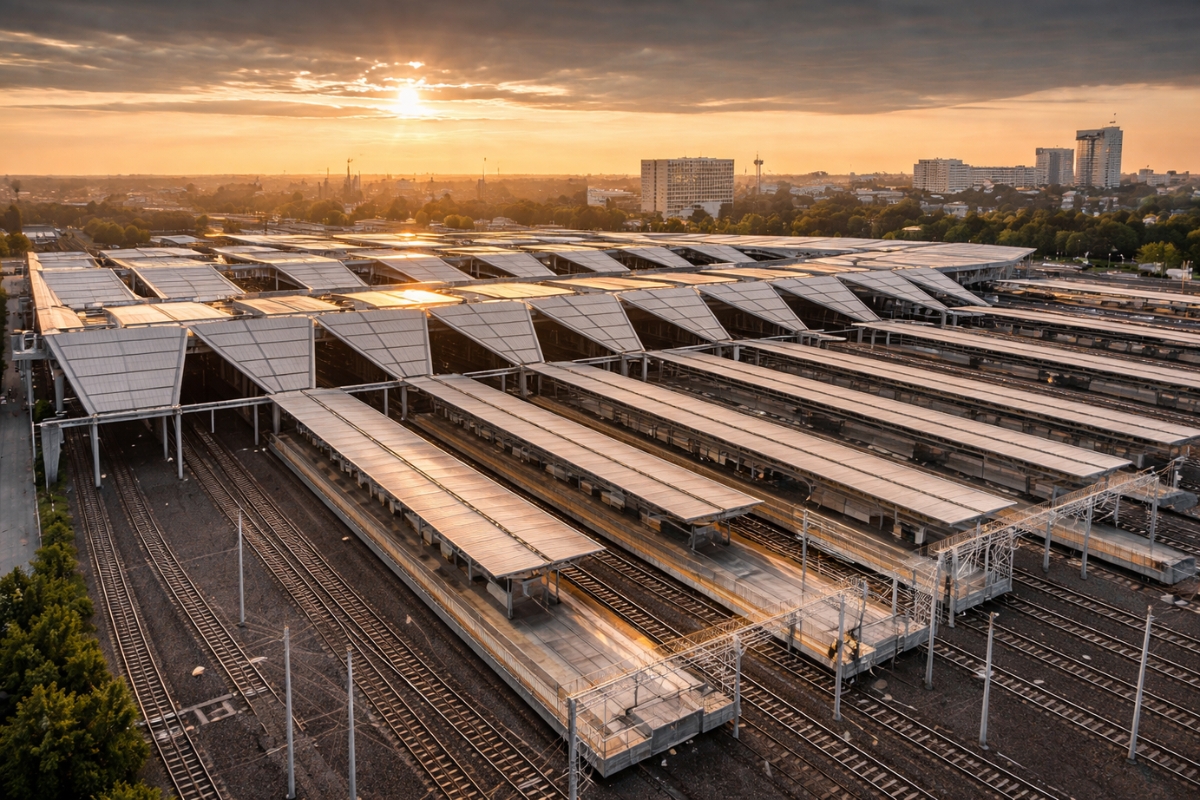
In A European City, The Country’s Largest Railway Junction Was Modernized Without Closing Its Doors, Kept Trains Running During Years Of Construction, Now Serves Up To 60,000 Passengers Per Day, And Installed Solar Panels That Generate About 30% Of Its Energy
-
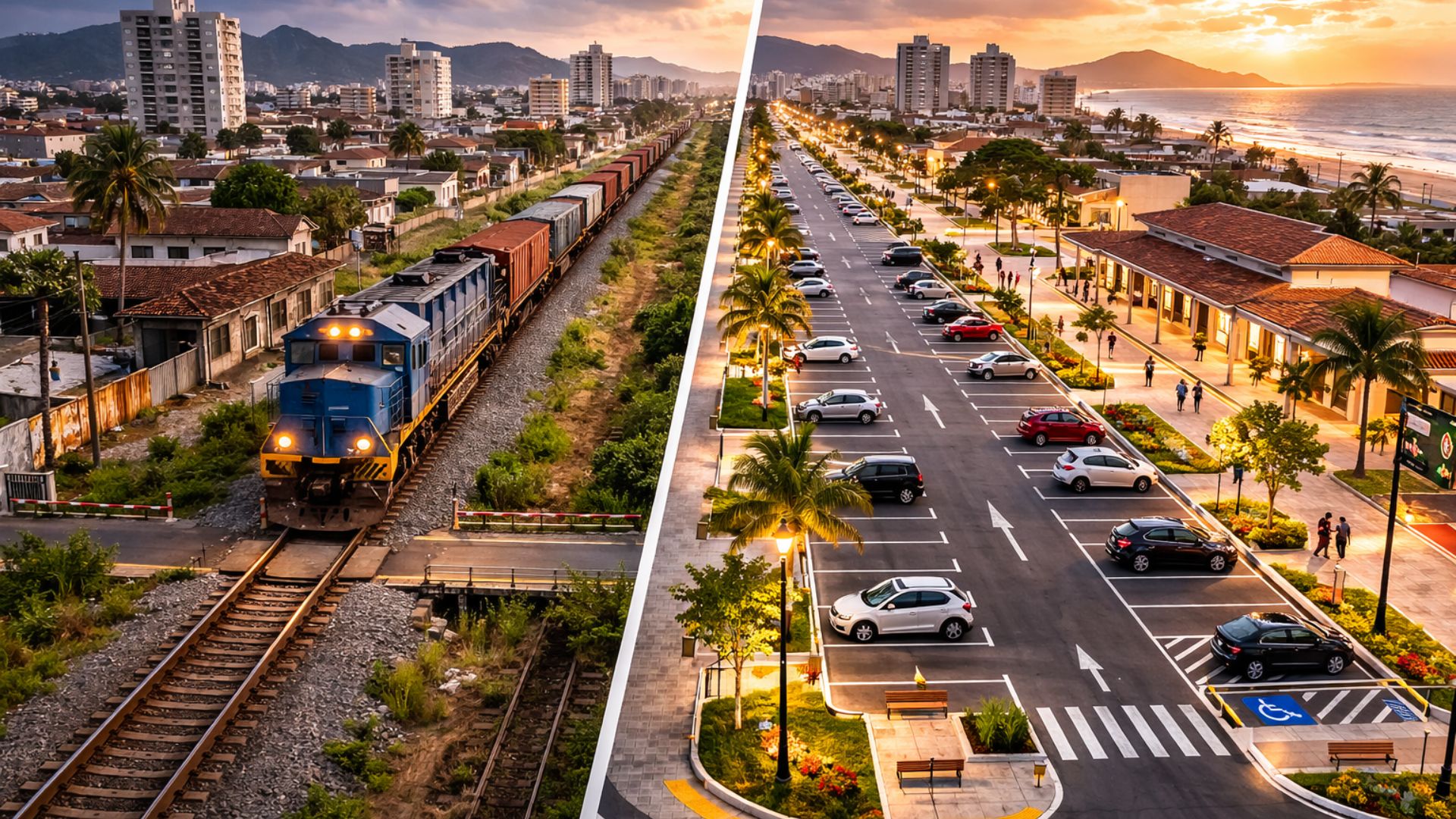
Famous Brazilian Railway May Become a Parking Lot
-
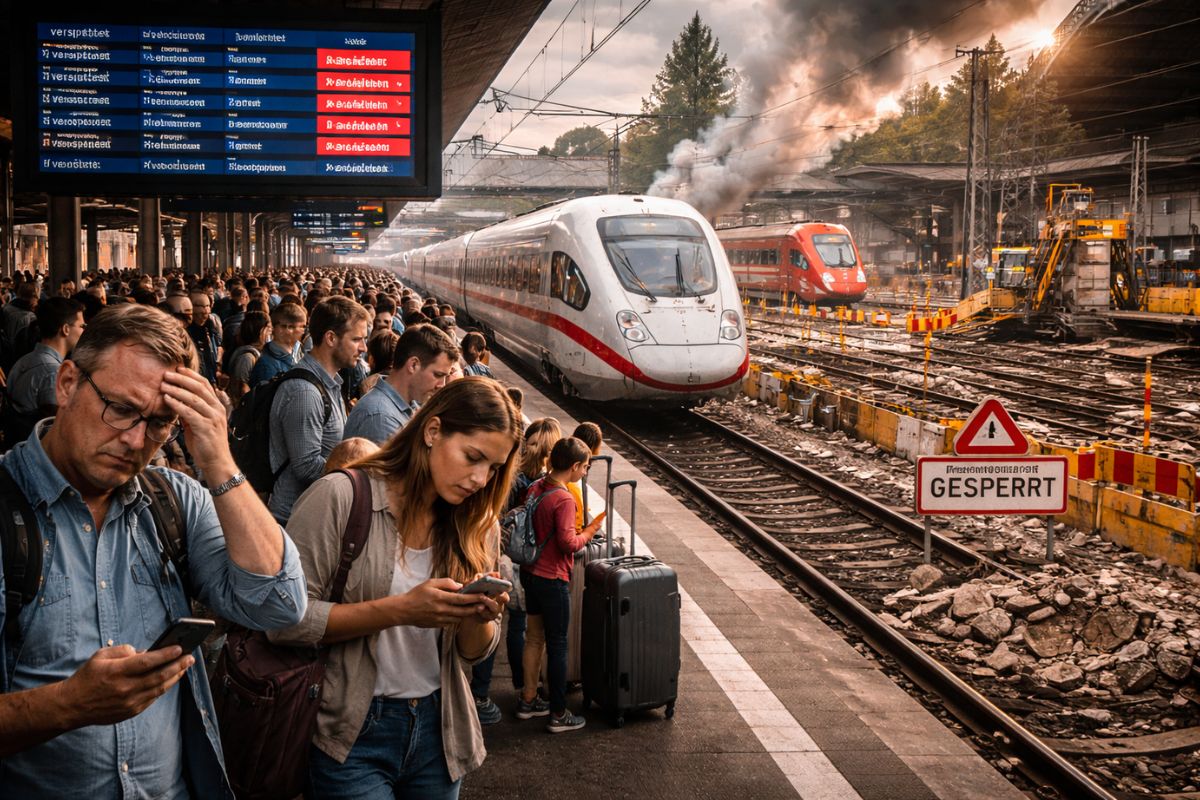
The Country of “Punctual As a Train” Admits It Has Lost Control: High-Speed Trains Delay, Stop, Disappear from the Map and Turn 6-Hour Trips into 10, While Deutsche Bahn Promises Restructuring in 2026 But Faces 19th Century Infrastructure, Staff Shortages and Sections Closed for Months
-
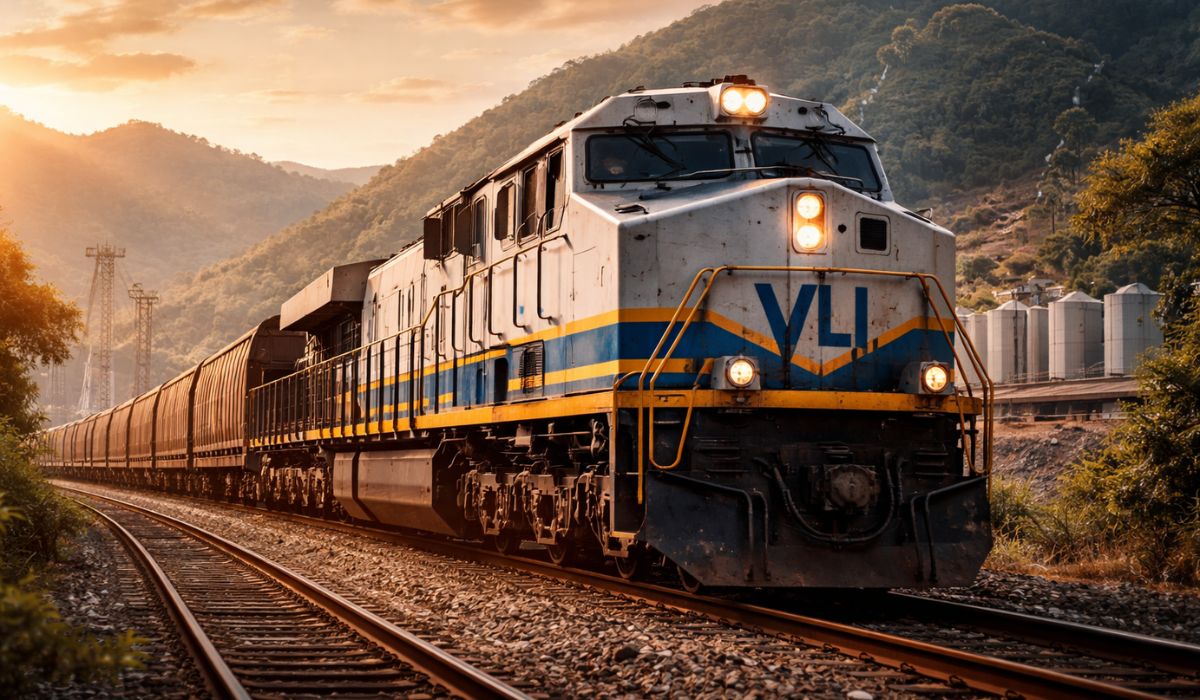
With an Investment of R$ 700 Million in One of the Country’s Main Rail Networks, VLI Reinforces Infrastructure, Receives 8 New Locomotives, and Expands the Corridor Connecting 7 States, Boosting Jobs and the Transportation of Grains, Ore, and Oil Products to the Port of Santos

This configuration creates a longitudinal corridor that traverses the heart of the country, offering alternative routes for agribusiness and industry.
There are studies to extend the infrastructure to Barcarena (PA), providing access to Porto de Vila do Conde, which would open a new exit gate in the Northern Arc; however, this is still under evaluation.
The Project, The Ambition, and The Governance

Conceived in the 1980s, the railway was born with the proposal to unify the territory through a broad gauge axis, bringing production centers closer to ports with competitive drafts.
The environmental licensing process started early, with public hearings and alignment of the layout.
Over the years, different segments began operations, and in 2019, the Central-South Section was auctioned, with Rumo as the sub-concessionaire for 30 years, conditioned to investment and performance targets.
In the North, VLI took over operations in segments connected to EFC and the terminals of Palmeirante, Porto Nacional, and Porto Franco.
From Construction to Operation: The Timeline That Brought the Railway to Life
The phase between Açailândia and Porto Nacional totaled about 720 km, with physical progress reaching Porto Nacional in 2010 and consolidated operation in the following years after the implementation of signaling and yards for crossings.
Meanwhile, the segment to Anápolis (GO) was progressively released and officially delivered in 2014, with commercial operations structured starting from 2016.
South of Anápolis, up to Estrela d’Oeste, execution involved 1,537 km in various scenarios.
In Goiás, cuts and slopes required rigorous drainage; in São Paulo, urban crossings and interfaces with highways extended construction timelines.
Large bridges consumed 14 to 24 months per sector, while the superstructure with welded rails in long continuous bars was completed in cycles of 6 to 10 months, followed by fine adjustments of geometry.
In 2023, the Central-South spine was completed, shifting the focus from “constructed kilometers” to capacity management.
Capacity Engineering: Yards, Signaling, and Scheduling
To transform construction into daily performance, the priority shifted to extending yards, diversions, centralized signaling, and improved scheduling of crossings.
Where the terrain allowed, the project favored gentle slopes and wide curves, reducing traction effort and track wear.
The result is an increase in net tonnage per train and higher operational speed, especially by synchronizing the North-South with the port “ends”: Itaqui in the north and Santos in the south.
Integrations That Multiply Logistical Alternatives

On the rail chessboard, the North-South serves as the backbone for connections like the West-Central Integration Railway (Fico/EF-354) and Fiol, in Western Bahia.
This emerging network expands the range of accessible ports, fosters competition between routes, and tends to stabilize freight rates.
In practice, operators can combine flows from North and Southeast, adjusting origins and destinations based on the demand for grains, fuels, fertilizers, cellulose, and other base products.
The Parallel With Other Railways and the “Giant Trains”
Comparisons help to gauge potential.
The Carajás Railway operates trains of up to 3.5 km for ore transport, something equivalent to more than 30 soccer fields.
The Vitória–Minas totals around 905 km and combines ore, general cargo, and passengers with high regularity.
Meanwhile, the Malha Paulista concentrates the bottleneck towards Santos, requiring fine traffic coordination.
In international environments, ore corridors like those in Australia operate long trains in scenarios with few urban crossings; the North-South, on the other hand, needs to balance mixed traffic and coexist with cities, demanding control technology and well-positioned yards.
What Changes for the Economy
With the completion of the main links and the current emphasis on interoperability, the trend is for more predictable timelines, lower cost per ton, and reduced emissions compared to the road modal.
By shifting part of the flow to the tracks, the road system gains relief, while rural producers and the industry begin to plan with greater reliability.
The gain is not only in the extension of the track but in the fine integration between segments, terminals, and circulation windows.
Next Possible Steps
In the short term, interventions continue targeting capacity and operation: signaling improvements, terminal consolidation, and adjustments to yards in the Northern Section.
Meanwhile, feasibility studies continue for the extension to Barcarena, while Porto do Itaqui discusses expansions to accommodate increasing volumes.
The agenda has less to do with opening new kilometers and more with doing more with what already exists, exploring the potential of the railway to remove more than 500,000 trucks from the highways over the years.


A National Corridor With Regional Effects
By connecting producer regions of the Central-West and Matopiba to competitive port exits, the North-South influences the location of warehouses, processing industries, and logistics hubs inland.
Yards and terminals become investment drivers, and the predictability of windows attracts new flows.
The transition from a construction agenda to an agenda of operation and efficiency indicates project maturity and tends to increase shared use by different cargoes over time.
As the country adjusts this mechanism, the question is straightforward: how do you imagine that the expansion of yards and greater interoperability with neighboring ports and railways can accelerate the transfer of cargo from trucks to trains?







Obra imprescindível para o desenvolvimento do Brasil. Reduz o fluxo de caminhões nas estradas contribuindo para segurança, fluidez do trânsito e a própria manutenção dessas ao mesmo tempo que o trem traz previsibilidade e rapidez nas entregas, competitividade comercial e otimização de resultados sendo um dos símbolos de desenvolvimento da Europa, Asia e Estados Unidos.
Excelente esse projeto, são menos 500 mil caminhoneiros ****, fora das estradas, querendo fazer bloqueio de vias, para salvar aproveitadores de irem pra ****. Vamos construir mais umas 10 linhas de trens, que acaba com esses baderneiros, que são usados para fins particulares. Menos para algo que os benefícios de verdade.
Caminhão é ****.