





 Portuguese
  English
  Spanish
  4 min of reading
  2 comments


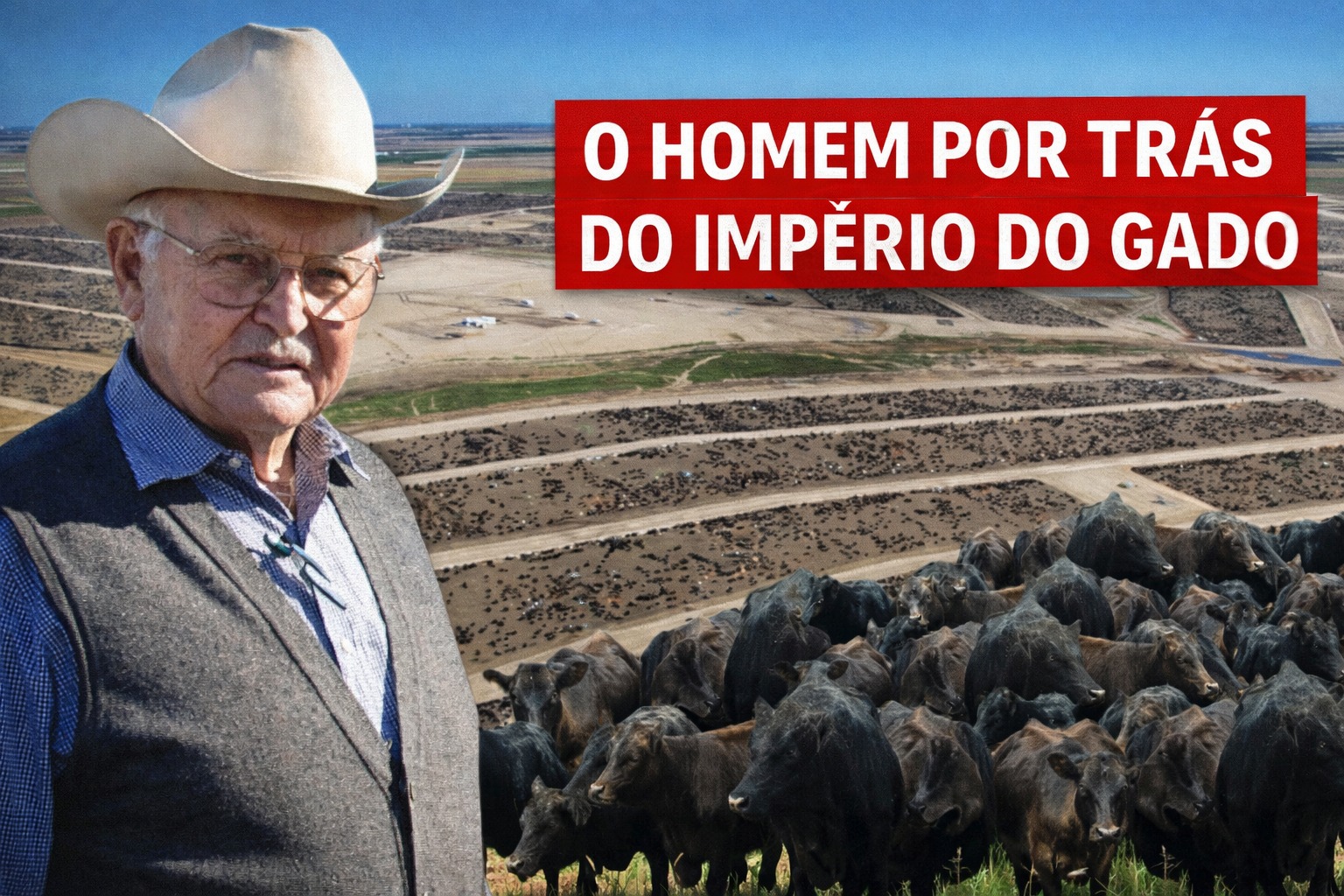


Born in Nebraska, Engler Built Over Decades the Largest Private Cattle Feedlot, Influencing Genetics, Management, Technology, Markets, Rural Education and the Modern Structure of Contemporary North American Cattle Raising
Paul Frederick Engler, born on August 23, 1929, in Stuart, Nebraska, built the largest private cattle feedlot in the world over decades, shaping the American beef industry with scale, innovation, strategic decisions, and lasting economic impact.
Childhood Marked by Work and First Contacts with Cattle
The son of Henry Paul Engler and Jenny Gill, Paul grew up in a simple environment, helping his father at a gas station from the age of six, performing basic tasks daily.
It was during this period that he had his initial contact with cattle when his father bought him a cow for milking, replacing tasks that the boy did not enjoy.
-
The eggshell that almost everyone throws away is made up of about 95% calcium carbonate and can help enrich the soil when crushed, slowly releasing nutrients and being reused in home gardens and vegetable patches.

-
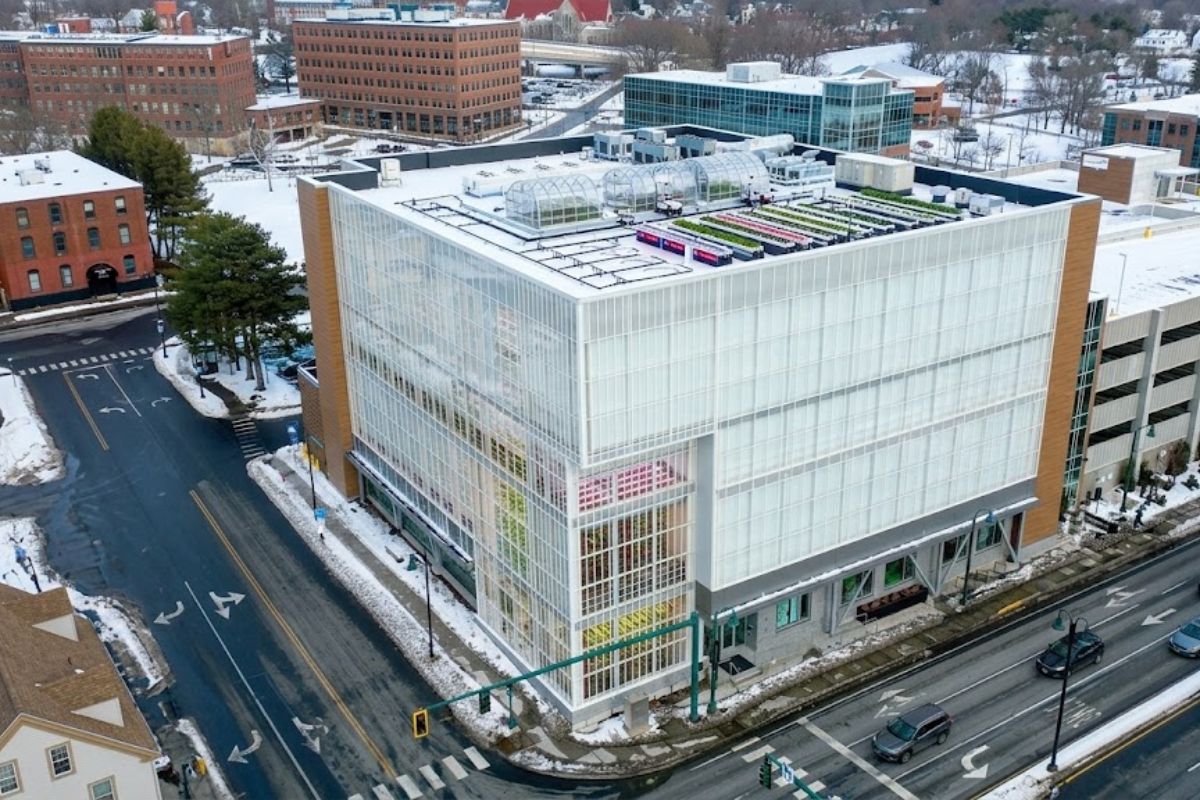
This farm in the United States does not use sunlight, does not use soil, and produces 500 times more food per square meter than traditional agriculture: the secret lies in 42,000 LEDs, hydroponics, and a system that recycles even the heat from the lamps.
-
The water that almost everyone throws away after cooking potatoes carries nutrients released during the preparation and can be reused to help in the development of plants when used correctly at the base of gardens and pots, at no additional cost and without changing the routine.

-
The sea water temperature rose from 28 to 34 degrees in Santa Catarina and killed up to 90% of the oysters: producers who planted over 1 million seeds lost practically everything and say that if it happens again, production is doomed to end.

One cow became two, then three, initiating a gradual process of practical learning, early responsibility, and ongoing interest in cattle raising.
The Unlikely Bet That Defined a Career
At 12 years old, while working at a local auction barn, Engler placed the highest bid for 100 head of cattle without having financial resources.
This episode caused family tension but also revealed confidence and vision, prompting his father to seek bank financing on better terms than those obtained by experienced professionals.
This moment established a pattern of behavior based on calculated risk, initiative, and conviction, characteristics that recurred throughout his entrepreneurial journey.

Accelerated Education and Academic Influence
Engler graduated high school at 15 and enrolled at the University of Nebraska in Lincoln, standing out for his discipline and concentration abilities.
He graduated in just seven semesters, finishing his course in 1951, in an academic environment influenced by veterans of World War II.
According to him, this experience brought maturity to the campus and expanded his understanding of leadership, teamwork, and strategic decision-making.
First Steps in the Large-Scale Industry
In the 1960s, Engler transformed technical knowledge into structured businesses, founding a cattle feedlot in Hereford, Texas, in 1960.
In 1972, he took an executive position at Iowa Beef Packers, leading the Iowa Beef Producers Association’s carcass division.
The role was strategic during a period of profound changes in the industry, bringing producers, slaughterhouses, and consumer markets closer together in an integrated way.
The Birth of Cactus Feeders
The turning point came in 1975 when Engler moved to Dumas, Texas, and founded Cactus Feeders, Inc., with an ambitious project and global vision.
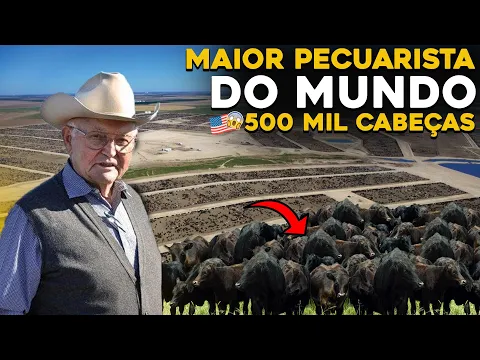
The company quickly became a reference, establishing itself as the largest private cattle feeding operation in the world in terms of capacity and productive efficiency.
Founded in 1975, Cactus Feeders is involved in the feeding of cattle and pigs, supplying the food industry with protein on a large scale.
Structure, Technology and Management Model
Today, the company operates on at least 10 farms in Texas and Kansas, with a static capacity exceeding 500,000 head of cattle.
The ownership model is 100% employee-owned, strengthening internal engagement, organizational culture, and alignment of productive interests.
The operation uses GPS tracking, data analysis, and precision feeding, with a strict focus on animal health and food safety.
Influence on the Beef Chain
Cactus Feeders has influenced the migration of the sector towards larger, integrated and highly technical operations, redefining modern cattle raising standards.
The company maintains partnerships with institutions and genetics companies like ABS Global, aiming for better performance in feedlot operations.
These initiatives have increased productive efficiency, predictability of results, and alignment between genetics, management, market, and consumer demands.
Innovations Disseminated by Engler
Among the practices introduced by Engler is formula pricing, linking payment directly to the quality of the carcass produced.
He also encouraged producers to meet demands for healthier meat, creating clear and measurable economic incentives throughout the chain.
Employee stock ownership and international expansion, with operations in Argentina starting in 1998, reinforced governance and scale.
Institutional Recognition and Controversies
Engler received numerous honors, being named a distinguished alumnus of the University of Nebraska and serving on academic boards and halls of fame.
In 1996, he led a lawsuit against Oprah Winfrey after a program on food safety and mad cow disease aired in the United States.
The Texas Beef Group relied on vegetarian defamation law, but the jury ruled in favor of the presenter, with no subsequent regret from Engler.
Philanthropy and Educational Legacy
With his children at the helm of the business, Engler began to dedicate time to philanthropy, focusing on long-term education and rural entrepreneurship.
In 2010, he donated over US$ 20 million to the University of Nebraska to create the Engler Agricultural Entrepreneurship Program.
The program has 170 students and over 300 alumni, with 96% turning projects into real businesses, according to institutional data.
These businesses have generated gross revenue exceeding US$ 146 million, directly impacting the economy of Nebraska and American rural areas.
A Legacy Beyond the Numbers
More than scale or capital, the title of American Cattle King reflects Engler’s systemic view of integrated technology, people, and market.
His legacy remains in Cactus Feeders feedlots, in universities, and in rural communities influenced by his business model.
Check out the story told exclusively for Compre Rural. Source: Compre Rural.
With information from Compre Rural.






Mais uma vez a verdadeira riqueza é empreender gerar oportunidades movimentar a economia e ser exemplo e bem diferente do modelo egoísta de hoje de enriquecer com jogatinas.rifas. merchants enganosos de “influencers” do mal. Ou de vendedores de cursos de estocar vento. Cujo objetivo é apenas fútil. Enfim vida looooga a esse senhor um exemplo e uma inspiração a seguir.
That’s great news and information technology very brilliant and inspiring