





 Portuguese
  English
  Spanish
  6 min of reading
  0 comments


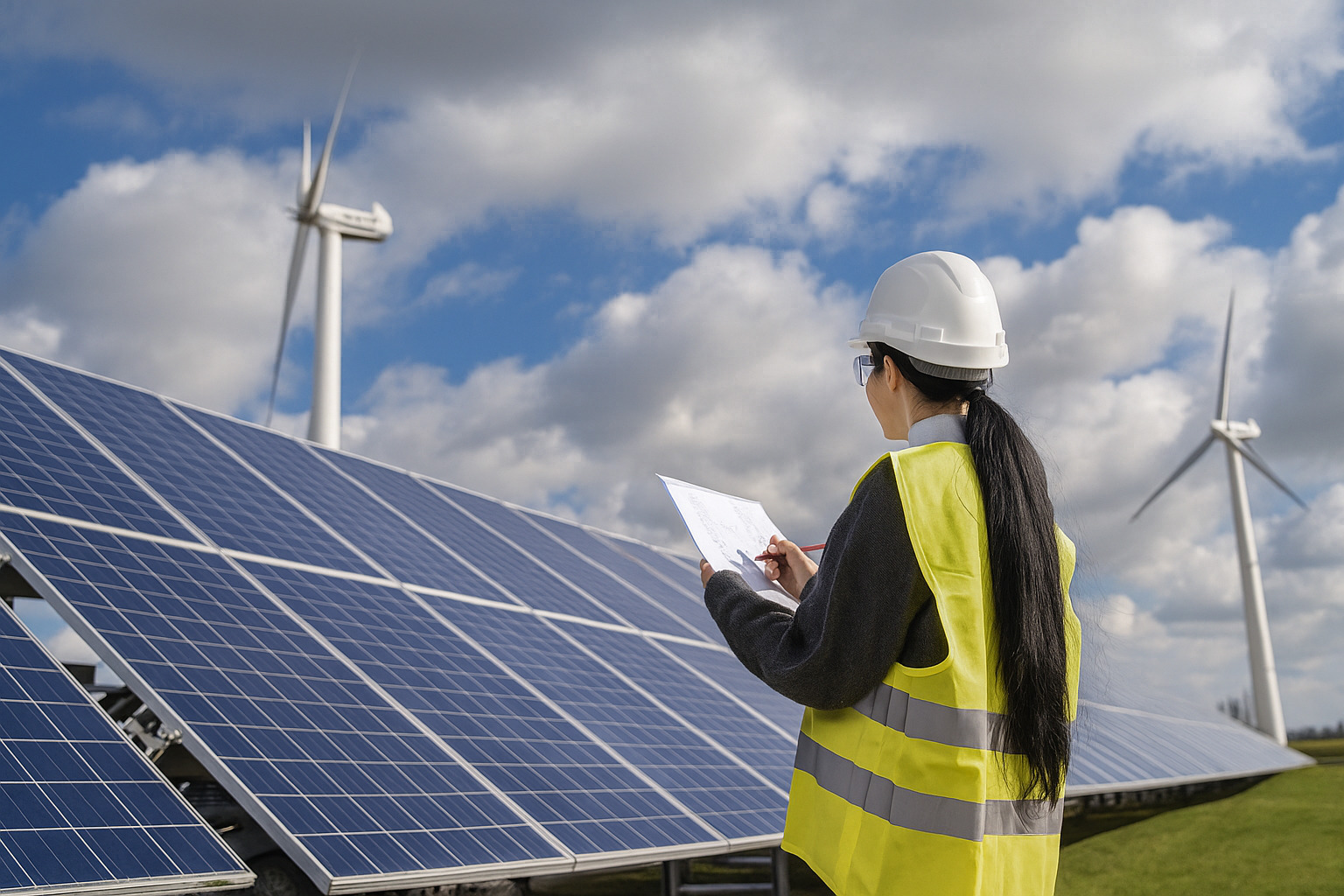
Understand How Costs and Clean Energy Challenge the National Electric System and Impact Consumers and Investors in Brazil.
Currently, Brazil is undergoing a transformation in the electric sector, marked by the growth of renewable sources such as solar and wind energy in the generation matrix.
However, this progress brings complex challenges, therefore, costs and clean energy put pressure on the National Electric System.
For example, a recent public hearing held by the Senate Infrastructure Commission discussed precisely these impacts, highlighting the need for planning, investments, and proper regulation.
History of Energy in Brazil and the Expansion of Renewable Sources
Historically, the Brazilian electric sector has always relied on hydropower as its main source of energy.
Since the 1950s, the country has built large plants, such as Itaipu and Tucuruí, establishing itself as a world reference in hydropower generation.
-
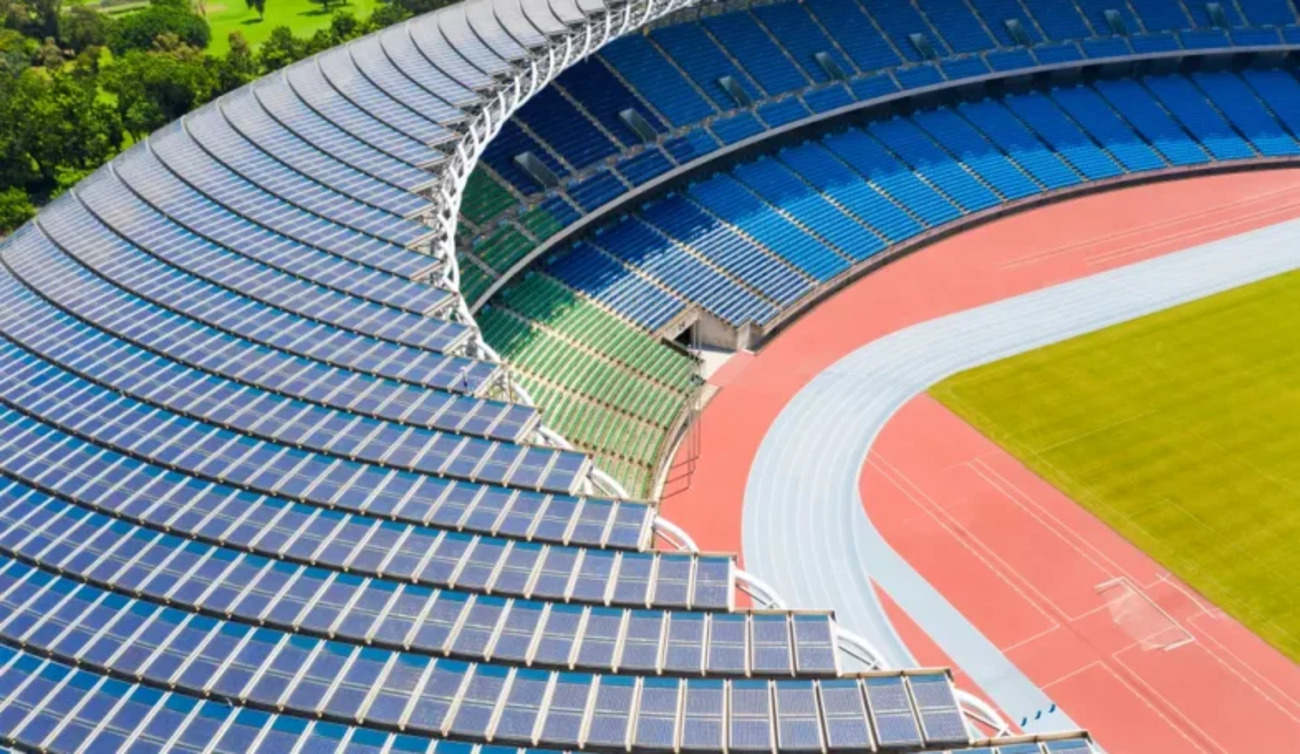
How green infrastructure and renewable energy at the World Cup transform the logistics of the largest sporting event on the planet in North America.
-
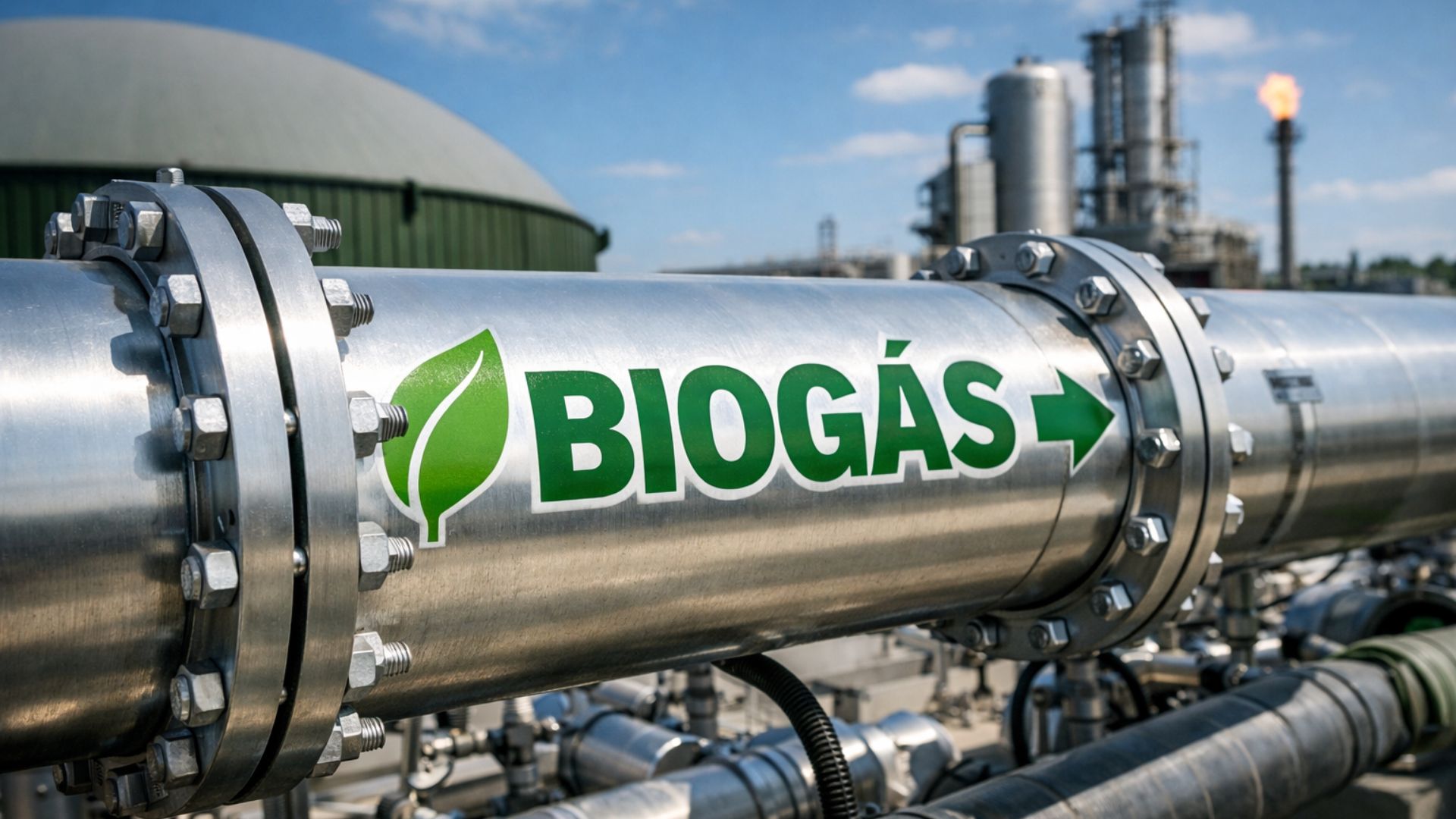
The Cagece and UFC project advances in sustainable innovation with biogas by converting waste into renewable energy, reducing environmental impacts, and increasing sanitation efficiency with concrete and measurable results.
-
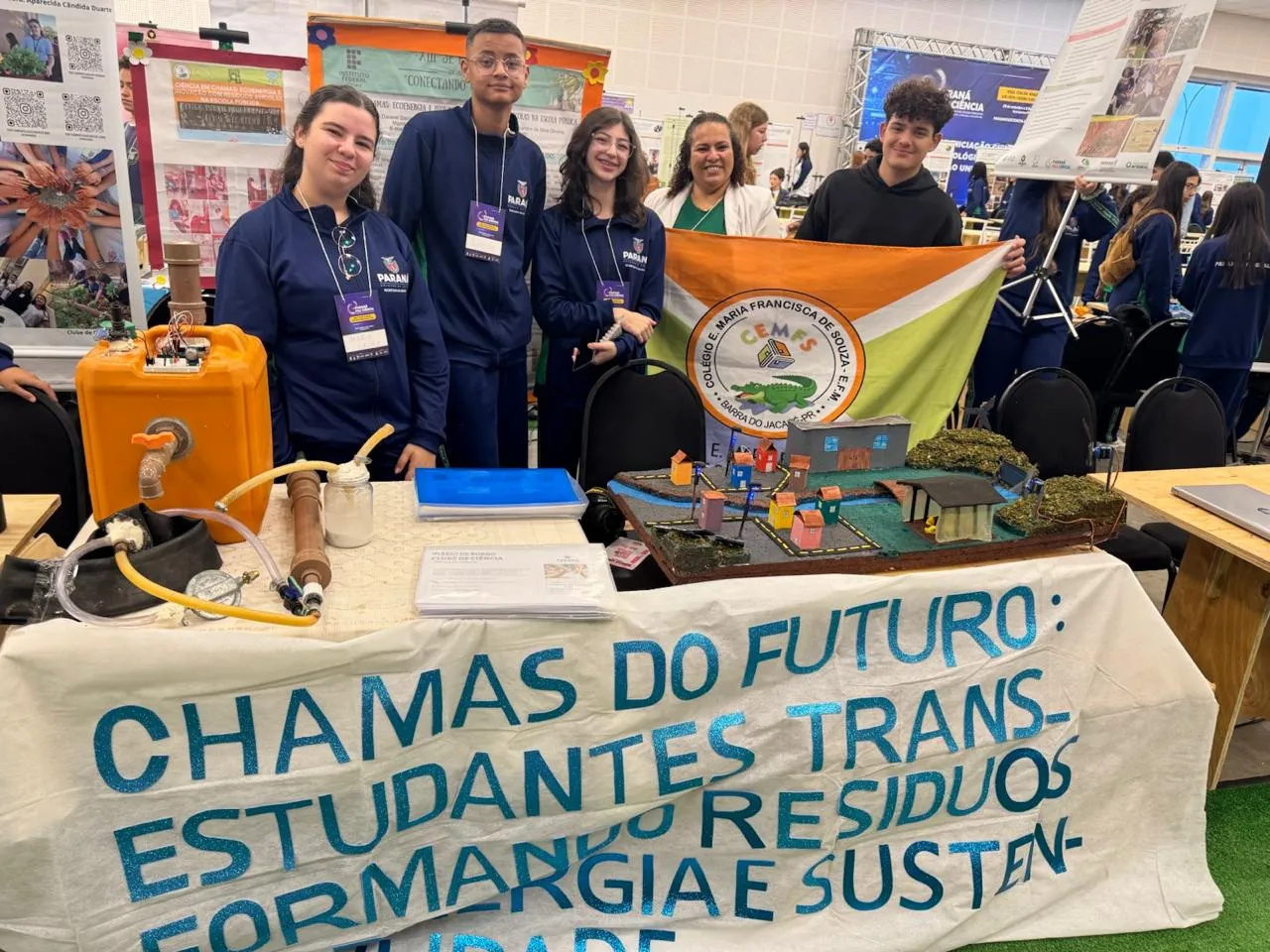
Paranaense students develop a system that transforms farm waste into clean energy and revolutionizes sustainable agribusiness.
-
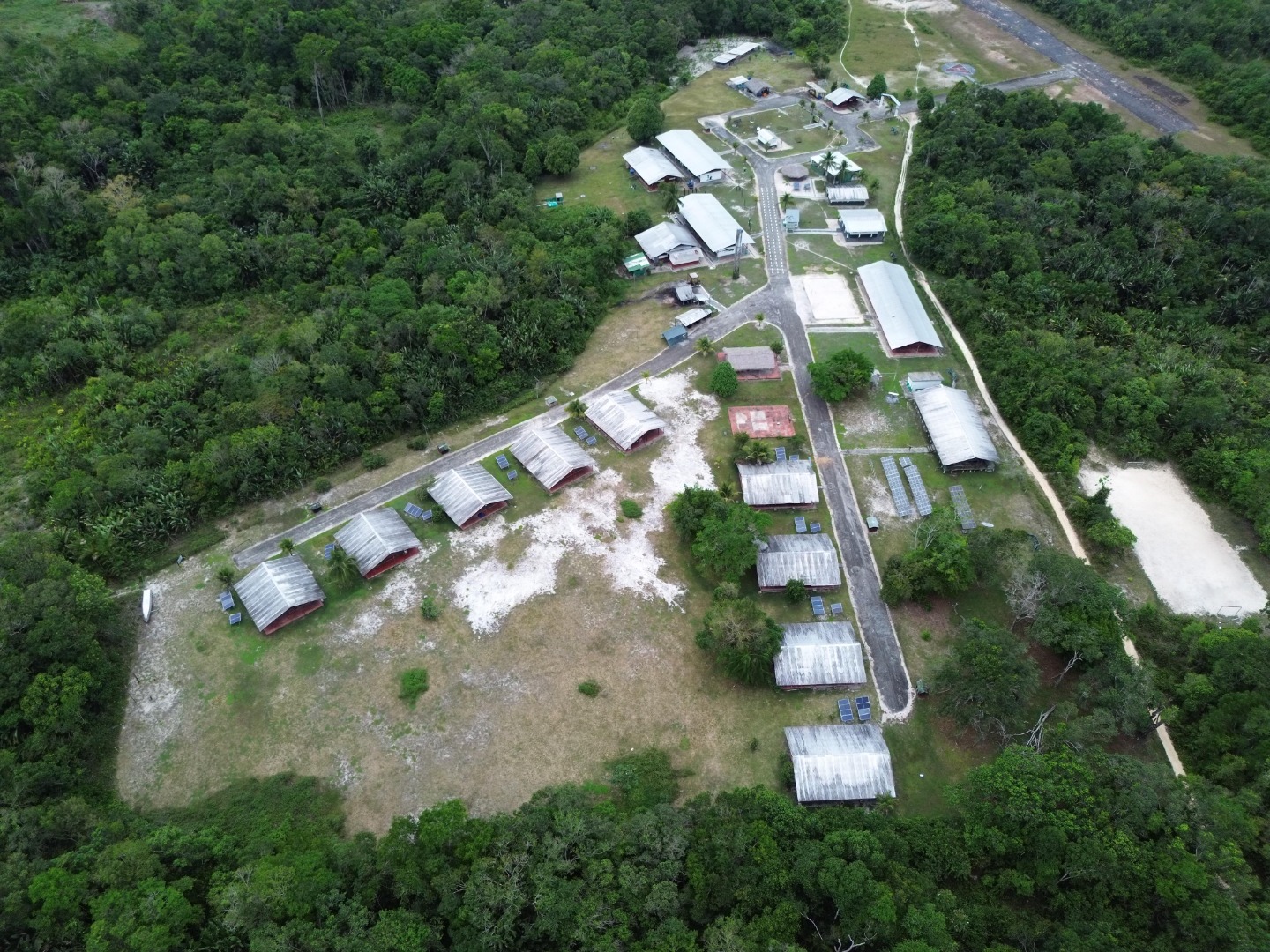
The Ministry of Defense installs a giant photovoltaic plant and ensures a stable supply of clean energy in Maturacá, in the Amazon.
Thus, the model allowed for production control, ensuring that the energy supply matched demand and keeping costs relatively low for consumers.
However, over the years, the need for diversification and concerns about sustainability have encouraged the expansion of intermittent renewable sources, especially solar and wind.
Moreover, the increase in these sources has brought environmental and social advantages, reducing greenhouse gas emissions and contributing to energy security. However, it has also generated unprecedented technical and financial challenges.
Unlike hydropower plants, solar generation depends on sunlight, while wind generation relies on wind variability.
Therefore, the energy produced does not always coincide with consumption, and thus, it is not always possible to integrate it into the system without adjustments.
This phenomenon is called curtailment, or production restriction, when plants capable of generating energy cannot operate fully due to network limitations or low demand.
Additionally, another relevant historical factor is the accelerated pace of expansion of renewable sources in Brazil. Over the past decade, the country has recorded significant growth in solar and wind generation, but without adequately planning transmission and regional integration.
Consequently, this progress, while positive for sustainability, has intensified operational and financial challenges. This shows that simply increasing installed capacity does not automatically reduce costs and clean energy for society.
Impacts of Curtailment and Operational Challenges
Thus, curtailment directly impacts costs and clean energy, since interrupted plants receive financial compensation. Often, these payments end up being passed on to consumers, increasing electricity bills and generating debates about equity and efficiency.
Therefore, representatives from the sector argue that this model compromises the financial viability of projects and discourages new investments in renewable generation.
Furthermore, the accelerated and disorganized expansion of intermittent energy has brought operational challenges.
The National System Operator (ONS), which coordinates the operation of the National Electric System, faces difficulties in balancing supply and demand, especially during peak hours when solar production reaches its maximum.
Thus, this complex scenario requires careful planning, investments in transmission infrastructure, and implementation of regulatory mechanisms that increase system flexibility and security.
Additionally, experts point out that some of the current problems result from incentives for renewable generation made in recent years. Although these policies have stimulated sector growth, they have also generated financial imbalances.
As a result, some generators face significant losses and advocate for passing on costs, while others warn that this model does not guarantee the maintenance of the electric system’s security.
Therefore, the challenge lies in finding solutions that balance the development of the energy matrix, the interests of investors, and the protection of consumers.
Moreover, another point of concern involves the trust of foreign investors. The recurrence of generation cuts and regulatory uncertainty makes Brazil less attractive for new clean energy projects.
Consequently, creating mechanisms of predictability and transparency is essential so that investments continue to flow into the country, promoting the sustainable expansion of the energy matrix.
Valuation of Hydropower and Optimization of the Matrix
Likewise, the debate also emphasized the need to value hydropower generation in the current context. Although less highlighted in terms of expansion, hydropower remains essential for the security of the system and for reducing clean energy costs.
Thus, combining hydropower, solar, and wind in a balanced manner can reduce waste, optimize the use of all sources, and ensure greater stability for the system, avoiding generation cuts and financial impacts on the population.
Furthermore, the issue of tariff charges requires attention. With the growth of micro and mini distributed generation, supported by subsidies, challenges related to distribution and cost sharing arise.
Therefore, this disorganized expansion causes waste and pressure on the system, forcing the use of thermal plants during less efficient hours, further raising costs and clean energy for society.
Additionally, Brazil is looking for external alternatives, such as exporting energy to neighboring countries, including Argentina and Uruguay. Thus, this strategy helps to reduce excess supply and diminishes generation cuts, but it requires investments in transmission lines and regional integration.
This reinforces the importance of long-term strategic policies. Moreover, the expansion of regional energy trade creates economic opportunities, balancing production during periods of excess and preventing waste of clean energy.
Another fundamental aspect involves the promotion of technological innovation, such as the development of batteries and storage systems.
With greater capacity to store energy, the country can reduce reliance on thermal backup sources, optimize the use of solar and wind energy, and better control costs and clean energy.
Therefore, investing in technology proves essential to ensure efficiency and sustainability in the long run.
Regulatory Challenges and Future Outlook
Thus, recent debates in the Senate reveal the complexity of the topic. On one hand, there is a consensus about the importance of encouraging the expansion of clean energy to meet growing demand and reduce environmental impacts.
On the other hand, the costs and clean energy associated with subsidies, generation cuts, and lack of adequate infrastructure raise concerns among consumers, investors, and regulators.
Therefore, finding solutions requires dialogue among different actors, structural investments, and regulatory adjustments that balance everyone’s interests.
Additionally, historically, countries that have successfully integrated renewable energy into their matrices have adopted common strategies: early planning for transmission expansion, clear compensation mechanisms for generators, and policies that encourage energy efficiency and diversification of sources.
Thus, Brazil, while advanced in clean energy production, still faces coordination and regulatory challenges that require ongoing attention.
Moreover, the debate highlighted the need to increase the participation of the solar and wind energy industry in the country.
The lack of predictability in production and the financial risks associated with generation cuts discourage new investments, hampering sector growth and, consequently, the reduction of costs in the long term.
Therefore, promoting self-production and developing technological solutions is essential to make clean energy more accessible and sustainable.
Another challenge involves the education and awareness of consumers. By promoting energy efficiency practices and the rational use of energy, it is possible to reduce pressure on the system, decrease waste and financial impacts.
Thus, more informed consumers become allies in the pursuit of a balanced matrix and controlled costs.
Consumer Protection and Conclusion
Finally, the public hearing reinforced that consumers cannot bear the financial impacts arising from curtailment and the disorderly expansion of intermittent sources alone.
Therefore, it is necessary to seek balanced solutions that ensure the security of the electric system, promote environmental sustainability, and keep costs and clean energy under control.
In this sense, the path involves strategic planning, dialogue among regulators, investors, and society, as well as the implementation of policies that value all energy sources.
In summary, Brazil faces a challenging scenario in the electric sector, where the expansion of clean energy comes with technical and financial complexities.
Thus, the balance between sustainable growth, operational efficiency, and affordable costs for consumers will be decisive for the country to continue advancing in the energy transition.
The costs and clean energy are not just technical issues; they are directly reflected in people’s lives and in the country’s economic competitiveness. With planning, innovation, and dialogue, it is possible to build a secure, efficient, and sustainable electric system for the coming decades.






Seja o primeiro a reagir!