





 Portuguese
  English
  Spanish
  6 min of reading
  0 comments


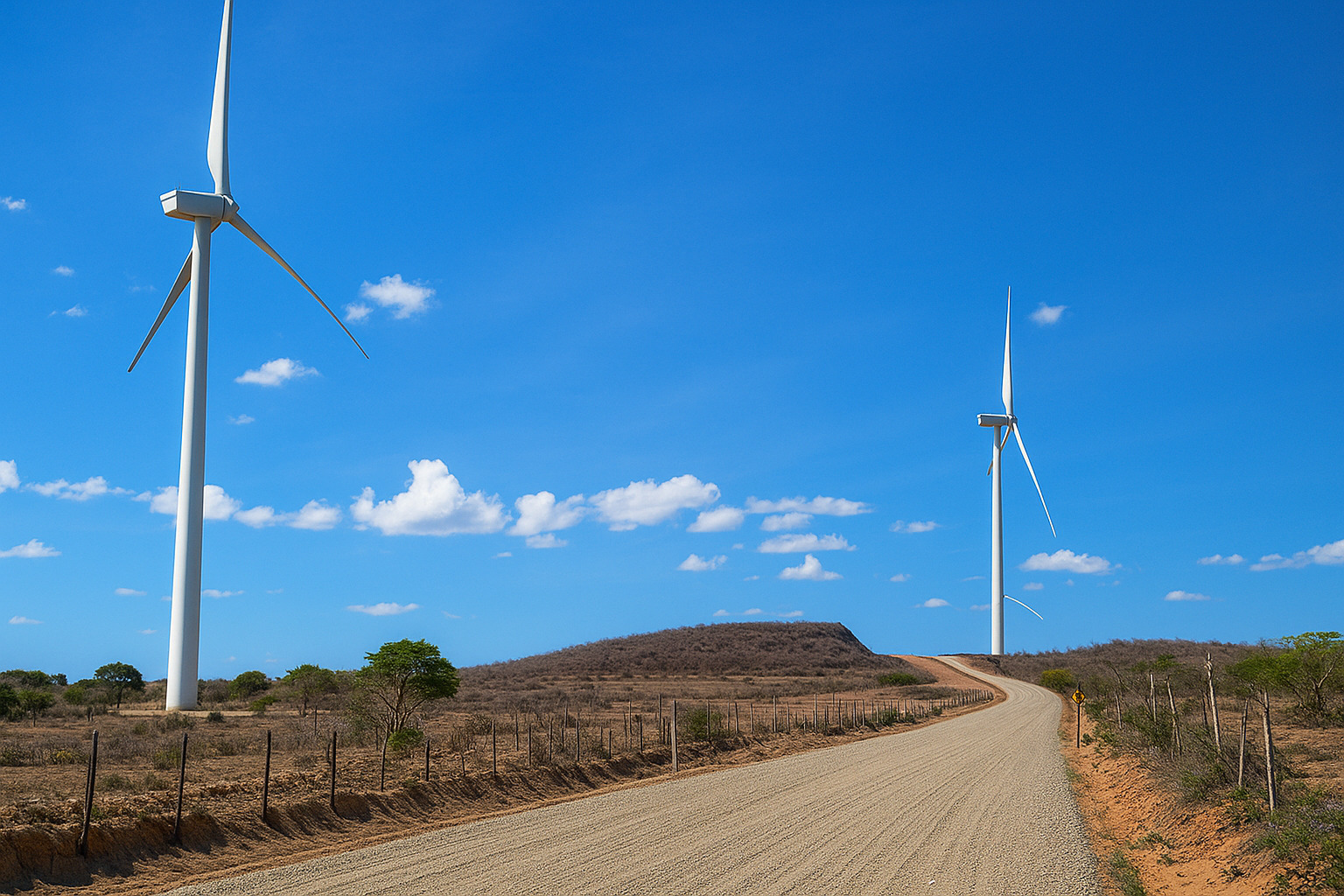
Analyze The Impacts Of The Costs Of Wind And Solar Energy On Consumers And The Brazilian Electric Sector.
Currently, the debate about the costs of wind and solar energy in Brazil has been gaining more and more attention. It reflects not only the growth of the renewable energy sector but also the complexities in the distribution and consumption of electricity.
Historically, the country has always relied on an energy matrix dominated by hydroelectric sources. With extensive rivers and abundant reservoirs, hydraulic energy has provided electricity for decades. However, due to economic expansion and the need for diversification of the energy matrix, new sources have emerged, such as wind and solar energy. These sources are now at the center of political and economic discussions.
In addition, the Brazilian Senate, through the Infrastructure Commission (CI), closely monitors the impacts that the introduction of these sources generates for consumers. Recently, during a meeting scheduled to discuss the costs of wind and solar energy, lawmakers addressed important issues related to the compensation mechanism for generators, technically known as constraint-off.
-
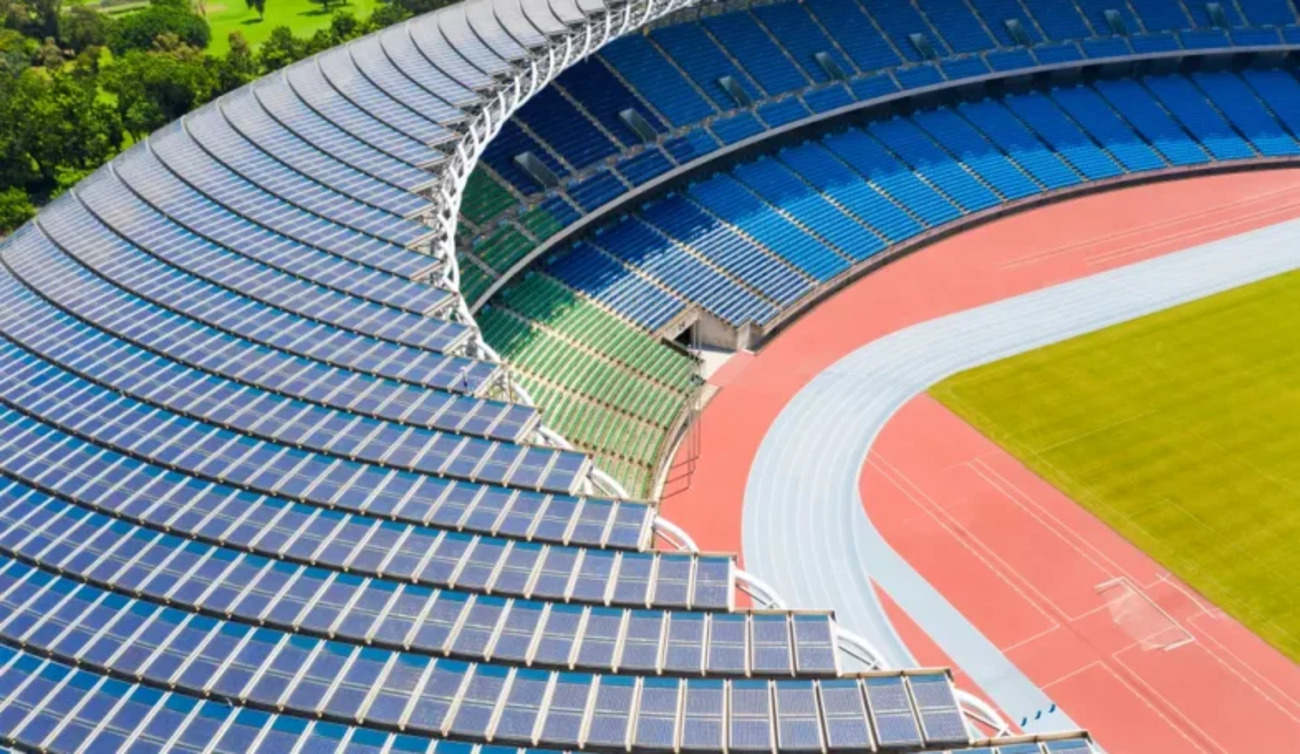
How green infrastructure and renewable energy at the World Cup transform the logistics of the largest sporting event on the planet in North America.
-
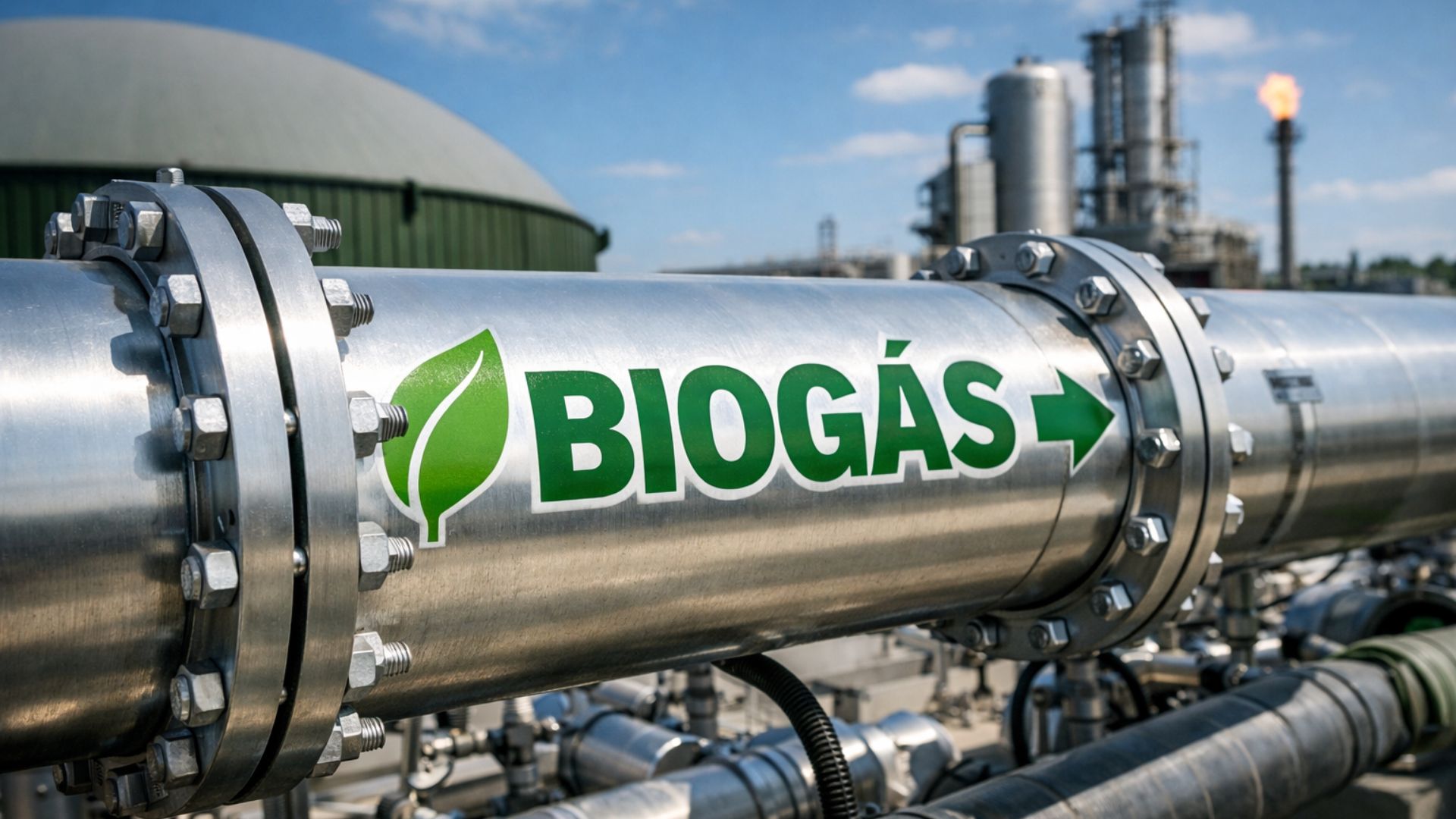
The Cagece and UFC project advances in sustainable innovation with biogas by converting waste into renewable energy, reducing environmental impacts, and increasing sanitation efficiency with concrete and measurable results.
-
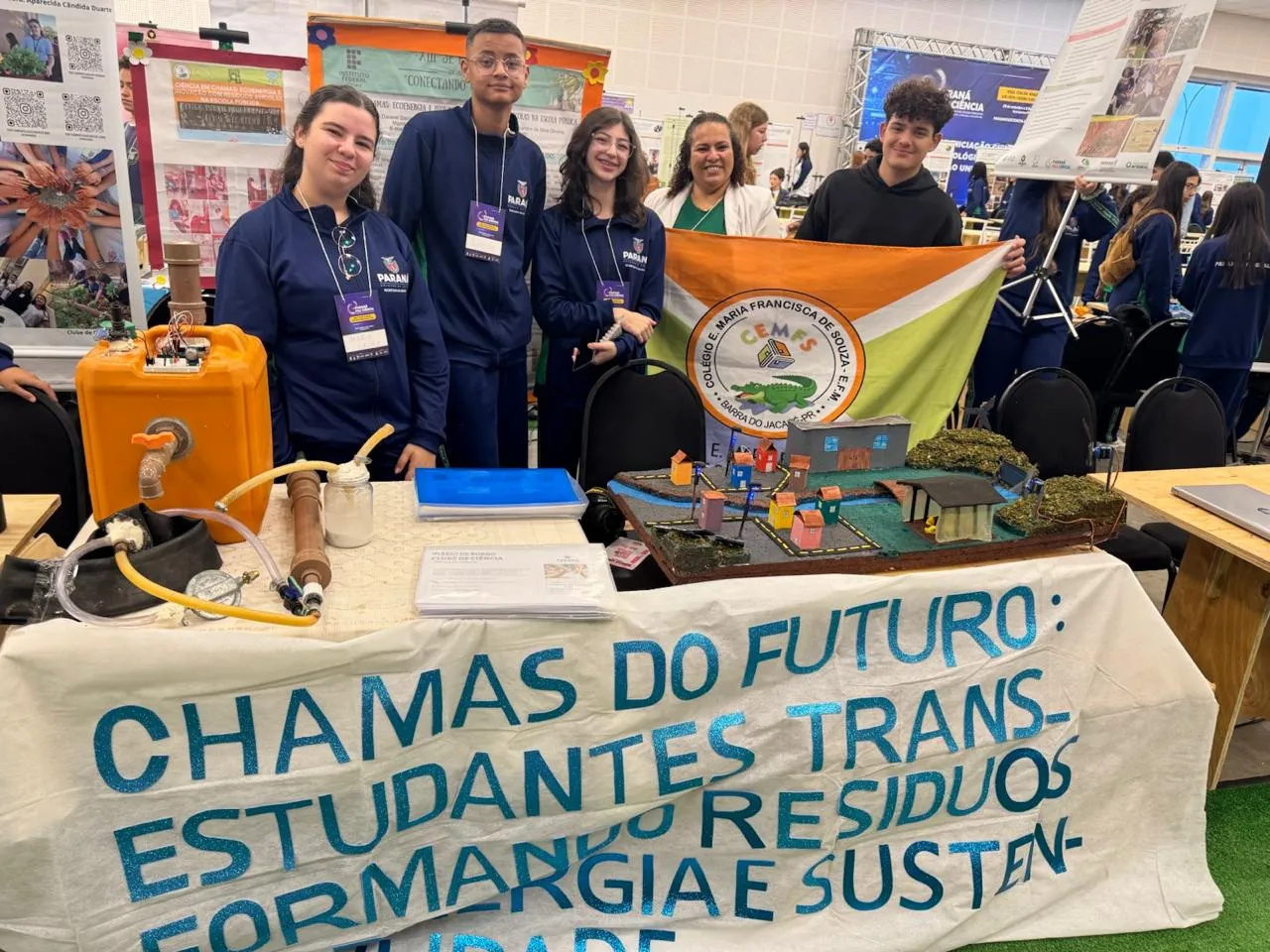
Paranaense students develop a system that transforms farm waste into clean energy and revolutionizes sustainable agribusiness.
-
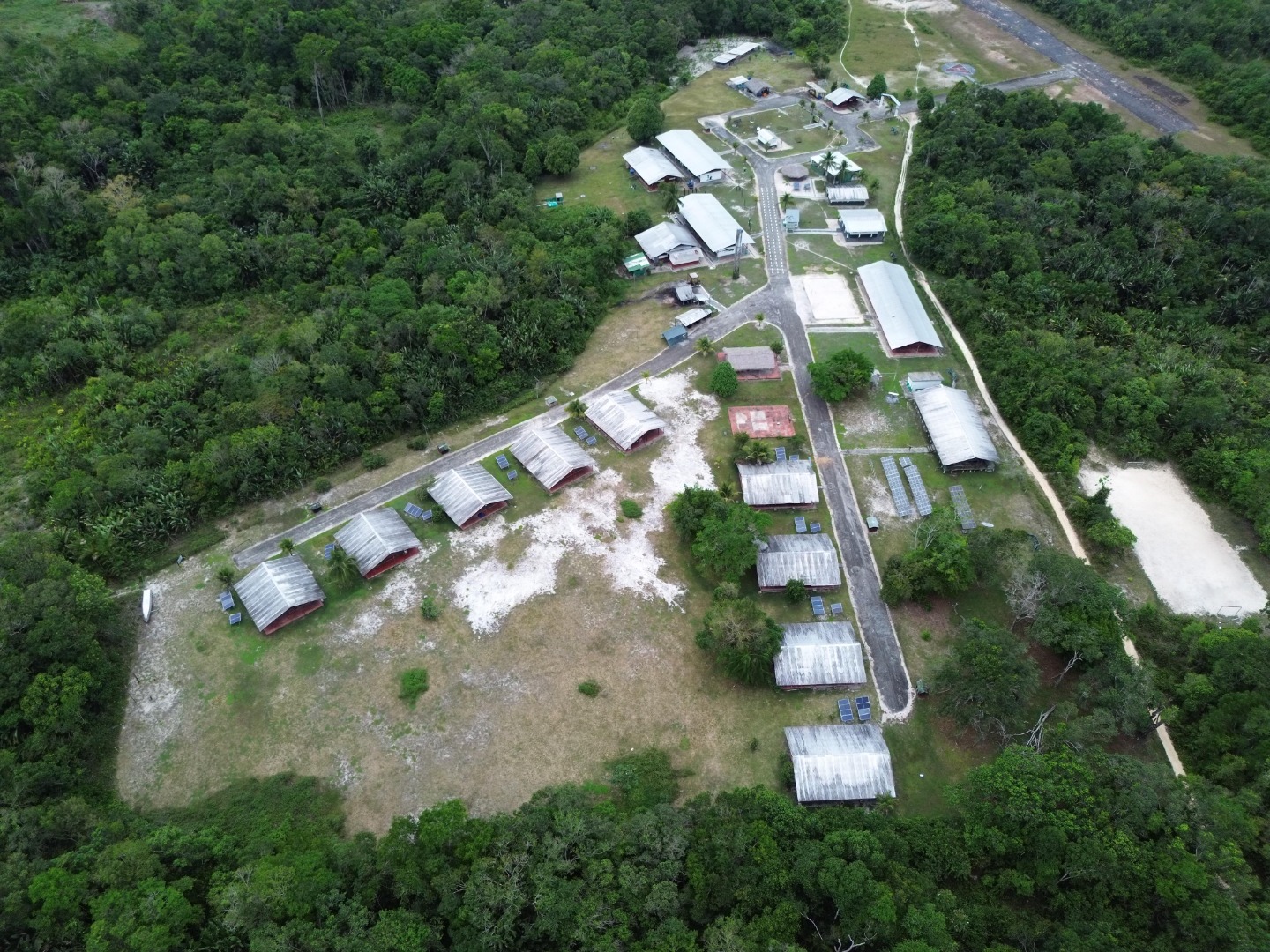
The Ministry of Defense installs a giant photovoltaic plant and ensures a stable supply of clean energy in Maturacá, in the Amazon.
This phenomenon occurs when a power plant is ready to generate electricity but cannot fully operate due to limitations in the electrical grid or low demand. Therefore, the need for investments in infrastructure and energy system planning is evident.
In recent years, the growth of solar and wind energy has accelerated significantly thanks to incentive policies, public auctions, and specific financing lines. Consequently, projects have become more financially viable, even in light of relatively high initial costs.
However, despite the advances, consumers may still feel the effects of production interruptions or the need for financial compensation. Thus, it is emphasized that understanding the mechanisms that regulate the sector is essential to avoid surprises and overloads in final costs.
Compensation Mechanisms And Impact On Consumers
The compensation mechanism seeks to financially compensate plants affected by production interruptions. That is, it ensures that generators do not incur losses when they cease to produce clean energy for reasons external to their operation.
However, in some situations, the compensation still does not fully cover the costs. Additionally, the related charges reach the consumer through the electricity bill, which raises debates about equity and tariff justice.
Therefore, experts and lawmakers stress that understanding the costs of wind and solar energy is essential to formulate appropriate public policies and minimize impacts on the population.
Since the early 2000s, Brazil has significantly expanded the participation of wind and solar energy in the electrical matrix. For example, wind energy primarily stood out in the Northeast, where constant winds provide ideal conditions for electricity generation.
Furthermore, solar energy, driven by the drop in the price of photovoltaic panels and increased technological efficiency, has rapidly expanded in various regions of the country, including the Southeast and the Midwest. These technological advancements, beneficial for the environment, bring the need to discuss the economic sustainability of these sources, especially in the context of the costs of wind and solar energy.
In addition, climatic variability directly influences the production of renewable energy. Indeed, wind intensity and solar radiation can change significantly throughout the year. This variation directly affects the amount of electricity generated and the economic viability of power plants.
Therefore, this uncertainty requires clear regulations and well-structured compensation mechanisms, avoiding financial losses for generators and overloads for consumers.
Political Evaluation And Social Participation
Senator Marcos Rogério, who chairs the Infrastructure Commission, highlighted the importance of evaluating the contractual and tariff impacts associated with renewable energy generation. Thus, consumers need to understand how and why the costs of wind and solar energy may be reflected in electricity bills.
Additionally, the hearing in the Senate will also hear from industry experts, representatives from associations such as the Brazilian Association of Electric Energy Generating Companies (Abrage) and the Brazilian Solar Photovoltaic Energy Association (Absolar), as well as interested citizens. This will enable an open dialogue about how Brazil organizes and remunerates the production of clean energy.
Thus, the debates in the Senate reinforce the transparency of the electric sector. Indeed, when citizens participate by sending questions and comments, they better understand how tariffs are formed and how investments in renewable energy impact their daily lives.
Consequently, this engagement strengthens the accountability of authorities and contributes to fairer and more balanced policies.
The discussion on the costs of wind and solar energy goes beyond the immediate financial aspect. Indeed, it connects to the sustainability of the Brazilian electric sector and the transition to less polluting energy sources.
Moreover, the generation of renewable energy, while reducing greenhouse gas emissions, requires substantial investments in technology, maintenance, and integration into the electrical grid. Therefore, understanding how these costs are calculated, distributed, and passed on to consumers is crucial to ensure that the expansion of clean energies is efficient and fair.
International Context And Historical Challenges
Countries that invested early in renewable energies faced similar challenges. For example, in Europe, the integration of wind and solar energy into the electrical matrix required regulatory reforms, creation of compensation mechanisms, and tariff adjustments.
Brazil, despite having a relatively clean matrix due to the predominance of hydroelectric energy, faces its own challenges. Additionally, the tropical climate, water variability, and unequal regional expansion of wind and solar energy make the planning and management of the electrical grid central to the economic balance of the sector.
Beyond the technical and economic aspects, the debates in the Senate have an important social character. Indeed, when citizens participate through the e-Citizenship Portal or the Senate Ombudsman, they better understand the costs of wind and solar energy and how these costs impact their household budget.
As a result, this interaction reinforces transparency and helps political and regulatory decisions consider not only economic viability but also societal interests.
Another relevant point involves public policies and tax incentives. For example, incentive programs for distributed generation and lines of credit for photovoltaic systems in homes and businesses have reduced the impact of the costs of wind and solar energy on the final consumer. Therefore, these mechanisms show that it is possible to combine technological development with economic and social balance.
Technology And The Future Of The Sector
The technological advancement in the renewable energy sector has significantly reduced production costs. However, these reductions do not always appear immediately in electricity bills. Indeed, limitations of the electrical grid, the need for financial compensations, and contractual variations influence the final price.
Thus, debates such as those promoted by the Senate clarify these relationships and help plan policies that encourage clean generation without burdening Brazilians.
In conclusion, the costs of wind and solar energy in Brazil involve history, technology, regulation, and social participation. Therefore, the discussion promoted by the Senate Infrastructure Commission enables a better understanding of the complexities of the electric sector and ensures that the expansion of renewable energies is sustainable, efficient, and beneficial for all.
Analyzing financial impacts, promoting transparency, and engaging society are essential steps for the country to advance towards a cleaner and balanced energy matrix without compromising accessibility and tariff justice.









Seja o primeiro a reagir!