





 Portuguese
  English
  Spanish
  3 min of reading
  0 comments


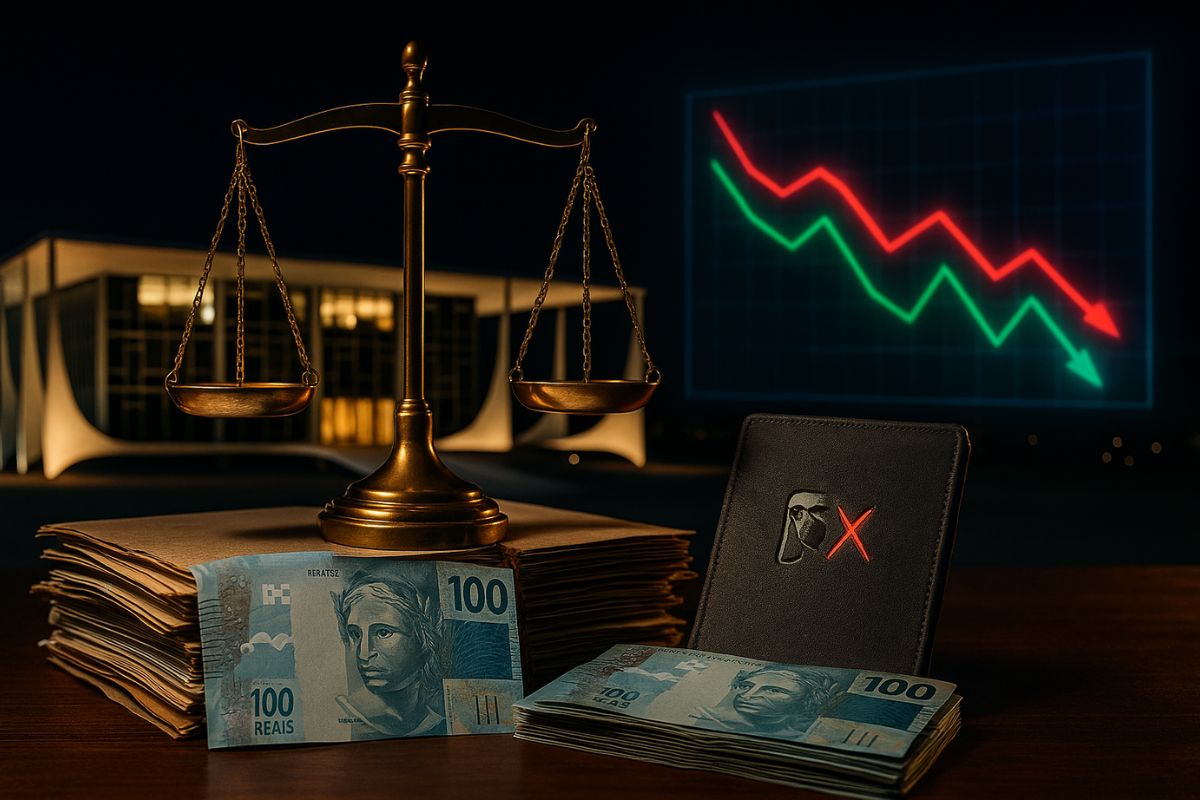
The Supreme Federal Court Decided That the Selic Will Be the Sole Index for Updating Civil Debts, a Measure That Brings Billion-Dollar Relief to Companies, but May Significantly Reduce Values Received by Workers and Accident Victims.
The STF’s decision, reported by Minister André Mendonça and unanimously confirmed, structurally alters the way indemnities and civil debts are corrected in Brazil. Previously, 1% interest per month plus monetary correction for inflation was applied, a formula that resulted in higher amounts for creditors. Now, the Selic will be the sole index, which creates predictability for companies but also heightens concern for those who depend on these indemnities to survive.
The case that brought the issue to the Court arose in 2013 when the domestic worker Zilda Ferreira, from São José do Rio Preto (SP), suffered an accident and legally charged the responsible bus company. Although she won the case in the first instance, the dispute over interest reached the STF, which established the Selic as the standard for all processes, including those prior to the new law.
Direct Impact of the Change
For companies, the decision represents billion-dollar relief.
-
BRICS is building its own payment system that could be operational by 2030, and experts say it could increase trade between the countries by up to 10% per year and add 3% to the GDP of each member of the bloc.

-
Government suspends over 3 million traffic fines in Brazil and drivers breathe a sigh of relief.

-
Iran has just approved toll charges for ships in the Strait of Hormuz and has completely prohibited the passage of vessels from the United States and Israel in the world’s most important maritime route for the global energy market.

-
Government cancels R$ 25 million “celebration” for Brasília’s anniversary and allocates funds to health.


The use of fixed interest of 1% per month could elevate debts to levels considered unpayable, especially in collective or long-term cases.
With the Selic, liabilities become more predictable and proportionate to the basic rate of the economy.
For workers and accident victims, the effect is the opposite.
Currently, the Selic is at 15% per year, but its variable nature can significantly reduce indemnities during periods of low interest.
In practice, those who wait years for a final decision may receive lower amounts than they would have been entitled to under the previous rule, especially if inflation exceeds the gains provided by the Selic.
The Weight of the Law and the Consolidation in the STF
In 2024, Law 14.905 had already established that the Selic would be the reference for new civil debts.
The STF ruling broadens this understanding and applies the rule also to old processes, creating a definitive landmark for the Judiciary.
Experts claim that this uniformity brings legal security but warn about the imbalances it may generate.
Divided Reactions Among Experts
Tax experts and businesspeople praised the decision, highlighting that it avoids an “unpayable liability” and creates a more favorable business environment.
Labor and civil lawyers, on the other hand, classify the measure as a setback in creditor protection, especially for workers and families who depend on indemnity to cover treatments, medications, or even survival after serious accidents.
According to critics, real inflation tends to erode part of the value of indemnities, which further weakens those who have already suffered losses or irreparable injuries.
For them, the decision shifts part of the burden of the country’s economic instability to the most vulnerable.
The Big Question: Stability or Injustice?
The consolidation of the Selic as the sole index for correcting civil debts brings clarity and predictability to the legal system, but also raises questions about its social justice.
While companies breathe easier with reduced liabilities, workers and victims may face smaller and insufficient indemnities to repair the damages suffered.
And you, do you believe that the STF’s decision to use the Selic as the sole index brings more stability to the system or increases the sense of injustice for those who depend on indemnities? Share your opinion in the comments — your perspective can enrich this debate.










Seja o primeiro a reagir!