





 Portuguese
  English
  Spanish
  4 min of reading
  0 comments


This Analysis Presents Verified Data and Contexts About the Role of OPEC and OPEC+ in the Oil Market and Its Influence in Brazil
Initially, it is important to highlight that, given the current global scenario, recent decisions made by the OPEC and OPEC+ have gained international prominence once again. At the same time, considering the economic impacts, the signal for reversing cuts and increasing production generated immediate attention in the international financial market. Furthermore, during the OPEC+ technical meeting in April 2024, the official announcements provoked swift and significant reactions in international markets. Consequently, as expected, Brent crude oil fell to US$ 58.50, the lowest level since February 2021, according to the IEA. These strategic measures, therefore, adopted by a group that represents 40% of global production, directly affect global energy prices and plans, including those of Brazil.
What Is OPEC and How Does It Regulate the Global Market
First and foremost, it is important to understand that OPEC plays an essential role in the dynamics of the international energy sector. Since its founding on September 14, 1960, OPEC has coordinated joint policies to ensure stability and control. Although it started with only five members, such as Iran and Venezuela, the organization has grown and currently includes 13 countries with similar economic interests. Therefore, by setting production quotas among its members, OPEC aims to strategically maintain global equilibrium between supply and demand. As a result, its decisions influence about 40% of global production and directly impact the prices and energy planning of various nations. Historical information has been confirmed based on records from OPEC itself.
OPEC+: An Expanded Alliance with Global Reach
Moreover, it is important to remember that OPEC+ was formalized in 2016 following an agreement between OPEC countries and other significant producers. For instance, this new alliance began to include Russia, Mexico, and Kazakhstan, strengthening joint and coordinated actions in the international market. Consequently, the enlarged coalition significantly increased the organization’s responsiveness to critical situations, such as the 2020 pandemic. Currently, as reported by analysts from Bloomberg and the IEA, OPEC+ decisions directly impact the global energy market, influencing prices and supply.
-
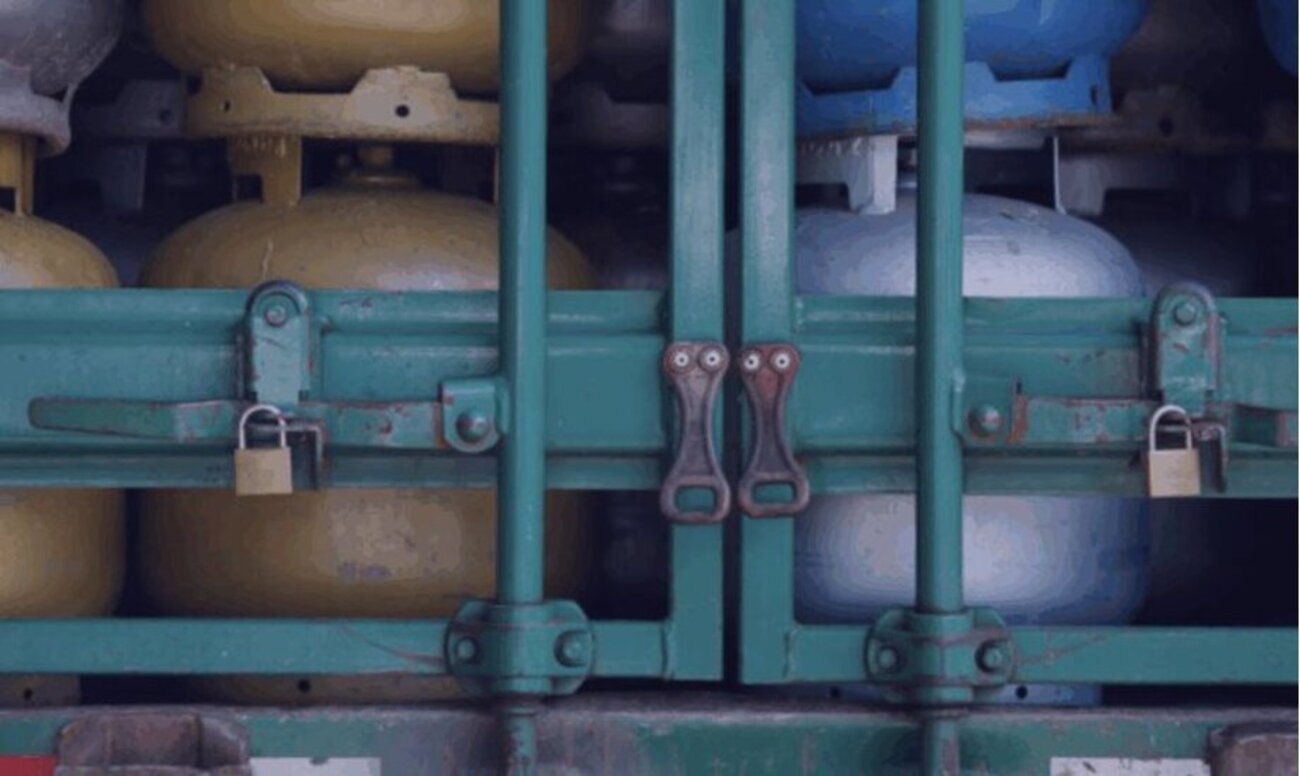
Petrobras evaluates suspension of sales to distributors and considers canceling the cooking gas auction following guidelines from the Federal Government.
-
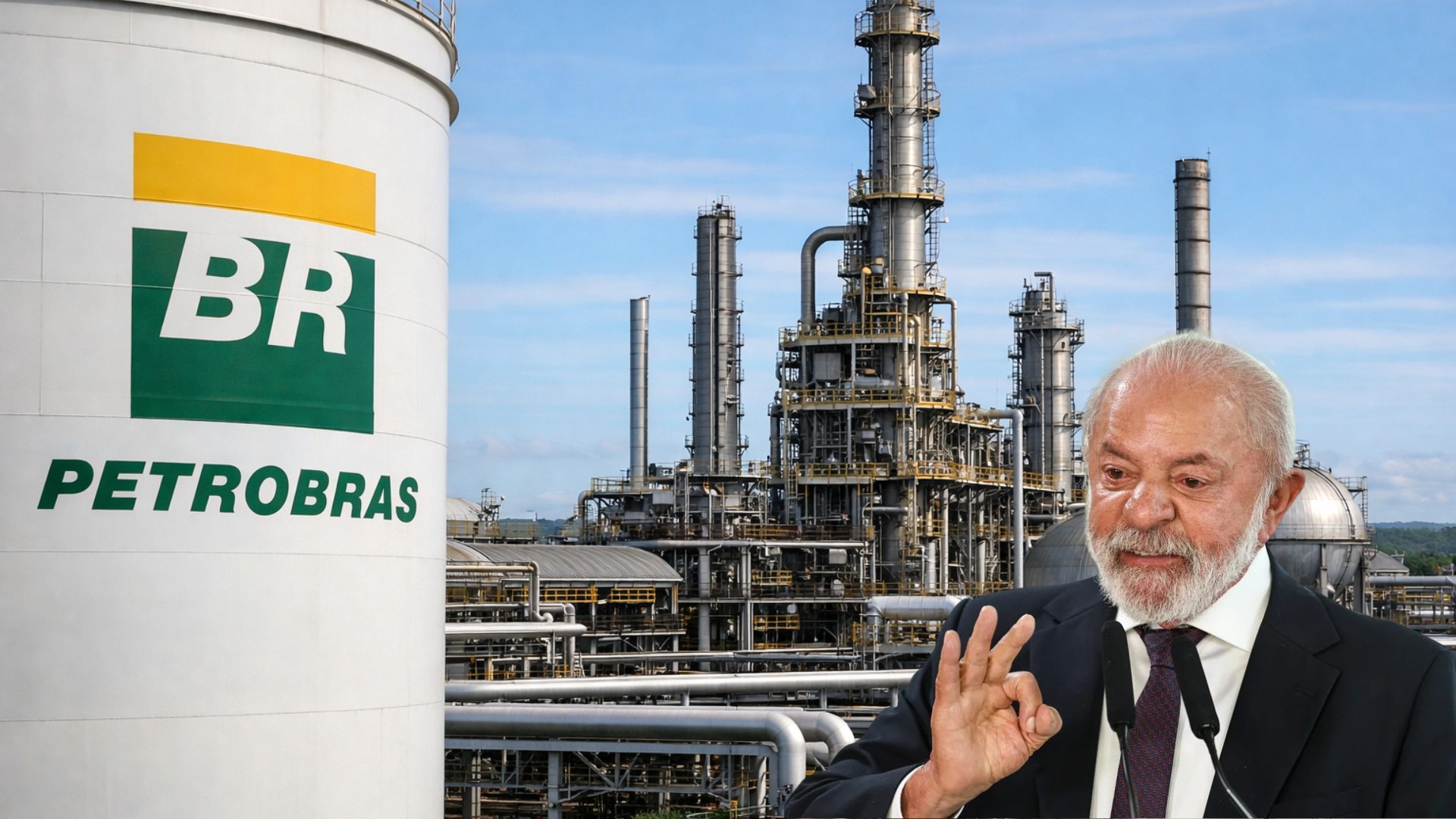
Lula reveals a masterstroke by Petrobras to undo a deal made by Bolsonaro, which involves the return of an important refinery that currently produces less than half of what was expected and makes Brazil dependent on international diesel.
-
A study confirms that the natural gas sector will reduce greenhouse gas emissions in Brazil by 0.5% and accelerate the energy transition by 2026.

-
Petrobras implements a severe adjustment and confirms a 55% increase in the price of aviation kerosene with a proposal for installment payments for the companies.


Brazil as an Observer Member of OPEC+: New Directions
Therefore, It Is Necessary to Understand That Brazil’s Participation in OPEC+ Represents a Relevant Geopolitical Step for the Country.
Notably, during COP28, held in Dubai in December 2023, Brazil was officially integrated as a member observer of OPEC+, as declared by the then Minister of Mines and Energy, Alexandre Silveira. This proximity, therefore, symbolizes a milestone in the country’s insertion into global energy decisions. According to President Luiz Inácio Lula da Silva, in a speech made on December 1, 2023, at COP28, this participation aims, first and foremost, to expand the dialogue on energy transition and strengthen the sustainability of the national sector.
Why Do OPEC+ Decisions Directly Affect Brazil
Consequently, it is evident that OPEC+’s actions have direct repercussions on the Brazilian energy and economic scenario. In fact, Brazil’s entry as an observer occurs at a crucial moment for defining its energy strategies, in light of the transition goals established in the National Energy Plan 2050, released in 2020 by the Energy Research Company (EPE). Companies such as Petrobras depend on predictability in international prices to plan, in a structured manner, long-term investments, especially in the offshore sector. Thus, any change in production quotas may directly impact exploration projects in the pre-salt area and in the Campos and Santos basins.
The Offshore Sector and the Need for Stability
In this sense, it becomes evident that stability in the oil market is essential for the success of the Brazilian offshore sector. Indeed, deepwater exploration projects require extremely high investments and a return forecast only in the long term. According to a 2023 report by the National Agency of Petroleum, Natural Gas and Biofuels (ANP), the offshore sector represents over 94% of national oil production. Therefore, price volatility directly affects the budgets of oil companies and public revenue in producing states, such as Rio de Janeiro and Espírito Santo.
Oil and Energy Transition: A Strategic Relationship
Despite this, it is essential to recognize that the discussion on energy transition must consider the current strategic importance of oil. Although there are increasing pressures for a cleaner energy matrix, oil remains irreplaceable in several key sectors of the global economy, as reported in the IEA’s World Energy Outlook 2023. It is fundamental for segments such as heavy transport, fertilizer production, and industrial processes, whose replacement still faces enormous technical and economic challenges. The energy transition is underway, but at the same time, oil will continue to play a central role in the coming decades, according to projections from the Organization of the Petroleum Exporting Countries (OPEC) for 2045.










Seja o primeiro a reagir!