





 Portuguese
  English
  Spanish
 3 min of reading


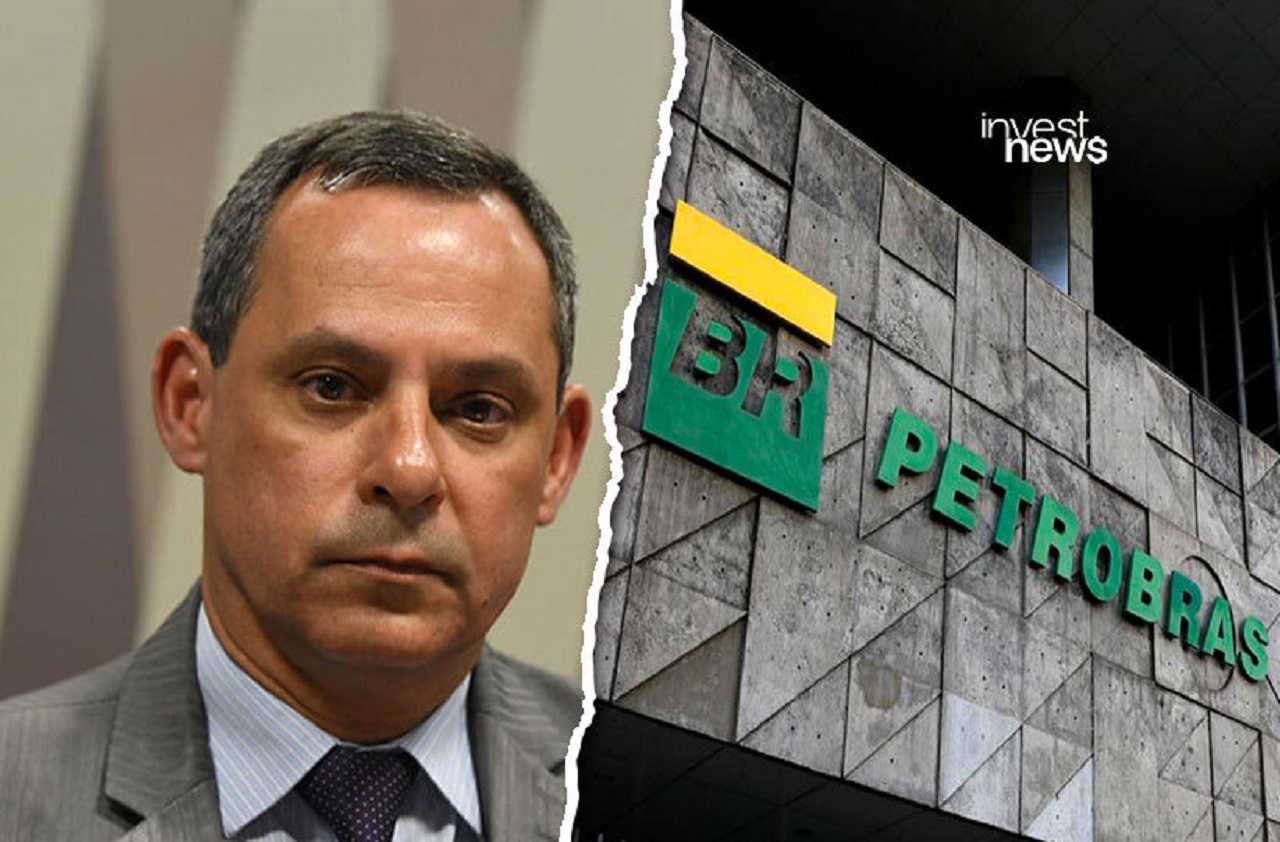
The Resignation of the President of Petrobras, José Mauro Coelho, Highlighted a Deeper Problem at Petrobras Related to Its Governance.
As the Federal Government holds most of the common shares, with voting rights, it maintains control over the company. However, what we have seen, with rising fuel prices, is a scenario of record profits for Petrobras – benefiting the Federal Government itself as its largest shareholder. But there is also a flood of criticism from public authorities, including the President of the Republic and the President of the Chamber of Deputies, regarding Petrobras’ pricing policy.
Despite the profits for the Federal Government, there are significant political losses due to rising fuel prices, which erode the income of families, including those without vehicles, given the increase in freight costs, which is a major concern for the federal Executive in an election year, as well as for the government’s allied base.
Is Petrobras Subordinated to the Executive or Not?
The question that confuses most people is, if the federal government owns the majority of the common shares, why doesn’t Petrobras do what the Planalto wants?
-
A new Brazilian shopping center worth R$ 400 million will be built in an area equivalent to more than 4 football fields, featuring 90 stores, 5 cinemas, a supermarket, a college, and parking for 1,700 cars, potentially generating 3,000 jobs.

-
Larger than entire cities in Brazil: BYD is building a 4.6 km² complex in Bahia with a capacity for 600,000 vehicles per year, but the discovery of 163 workers in conditions analogous to slavery has shaken the entire project.

-
With an investment of R$ 612 million, a capacity to process 1.2 million liters of milk per day, Piracanjuba inaugurates a mega cheese factory that increases national production, reduces dependence on imports, and repositions Brazil on the global dairy map.

-
Brazilian city gains industrial hub for 85 companies that is equivalent to 55 football fields.

The reason lies in fiduciary duty. According to Brazilian legislation – and that of nearly all Western countries – the members of a company’s Board of Directors and Executive Management must be guided by the interests of the company, not by those who appointed them.
Thus, even if a Petrobras administrator has been appointed by the government, they must seek to serve the company’s interests. As established in the iconic case of Dodge versus Ford, where the Dodge brothers sued Henry Ford for not distributing dividends to shareholders in order to reinvest in production (1919), the purpose of a company is to make a profit.
Therefore, between the government’s interest in reducing fuel prices and Petrobras’s interest in increasing its profits, the directors and advisors will always vote for the latter option, under the penalty of being held accountable by other shareholders, potentially even facing legal action.
Is Petrobras Really a Monopoly?
An additional consideration in Petrobras’s case is that it is a practical monopoly due to its dominant market position, such that if the company does not practice international pricing, since oil is a commodity, it will scare off other investors in the sector, which will maintain the monopoly. Strictly speaking, the lack of investments in refining means that Brazil needs to import oil from abroad, adding to the cost the freight and insurance, which makes fuels more expensive than they would be even if they maintained parity with the international market.
Of course, the government could also make a real intervention in Petrobras, tearing up the Corporate Law and State-Owned Enterprises Law, which would require finding people willing to face multimillion-dollar lawsuits from minority shareholders, including abroad, making this option practically impossible and creating the effect of scaring away necessary investments in the sector from other participants or entrants, in addition to annihilating the company’s market value.
The solution for the government, therefore, involves reducing its majority position in Petrobras, lessening public pressure to decrease fuel prices, as well as the impact of political statements on the company’s stock prices, or creating a more conducive environment for accelerated investments in refining. This would require tax and regulatory changes. Considering that the second alternative has never been attempted in the country, it is more likely that the government will carry out a sort of privatization of Petrobras.
➡Text by Emanuel Pessoa — Master of Law from Harvard Law School, Doctor of Economic Law from the University of São Paulo, Certificate in Innovation Business from Stanford Graduate School of Business, as well as being a Bachelor and Master of Law from the Federal University of Ceará.









Seja o primeiro a reagir!