





 Portuguese
  English
  Spanish
  5 min of reading
  0 comments


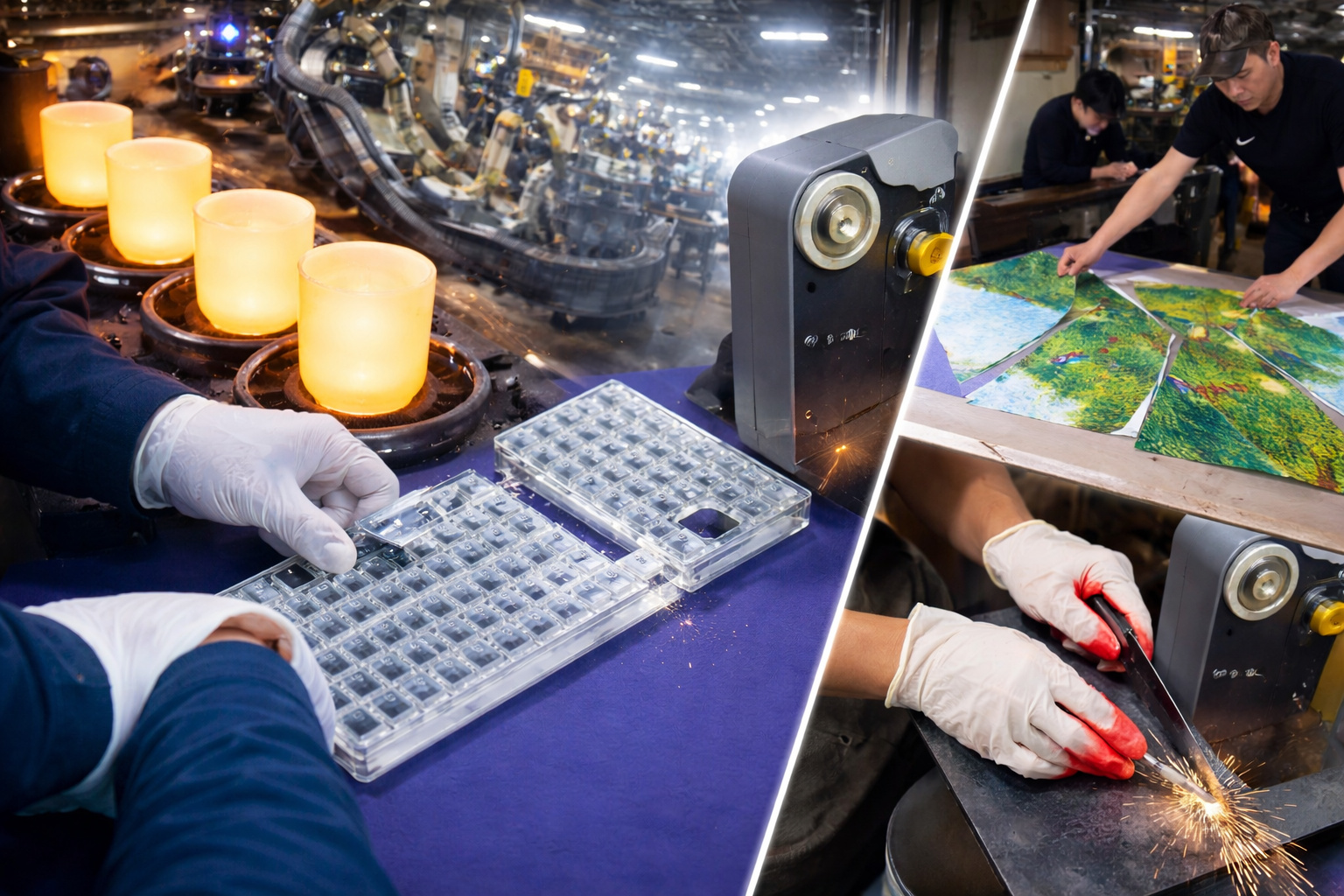
Between Heavy Automation And Traditional Techniques That Span Generations, South Korean Factories Show Industrial Processes Capable Of Impressing Even Experts, Revealing Little-Seen Behind-The-Scenes Of Technological Manufacturing That Sustains Part Of The Country’s Economy
Some industrial processes are so precise that they seem almost unreal when seen up close. In certain factories in South Korea, tons of recycled glass enter giant machines and a few minutes later emerge transformed into identical, shiny, and perfectly molded cups. Everything happens in a continuous sequence of extreme heat, pressure, and mechanical precision.
This type of mass production helps explain why the country has become a global reference in industrial engineering. And what happens inside these factories goes far beyond automated lines.
Between industrial robots and extremely trained human hands, there is a productive system that mixes tradition and technology in a way that even manufacturing experts find striking.
-
Historic bankruptcy of Centauro shocks the market, and the century-old company puts more than 500,000 products, machines, and complete infrastructure up for online auction.

-
New shoe factory in Ceará is expected to create 400 jobs and strengthen the local economy.
-
No one imagined it, but a mixture of sawdust with a mineral that fights fires surprises scientists with a result that changes the course of fire-resistant construction.
-
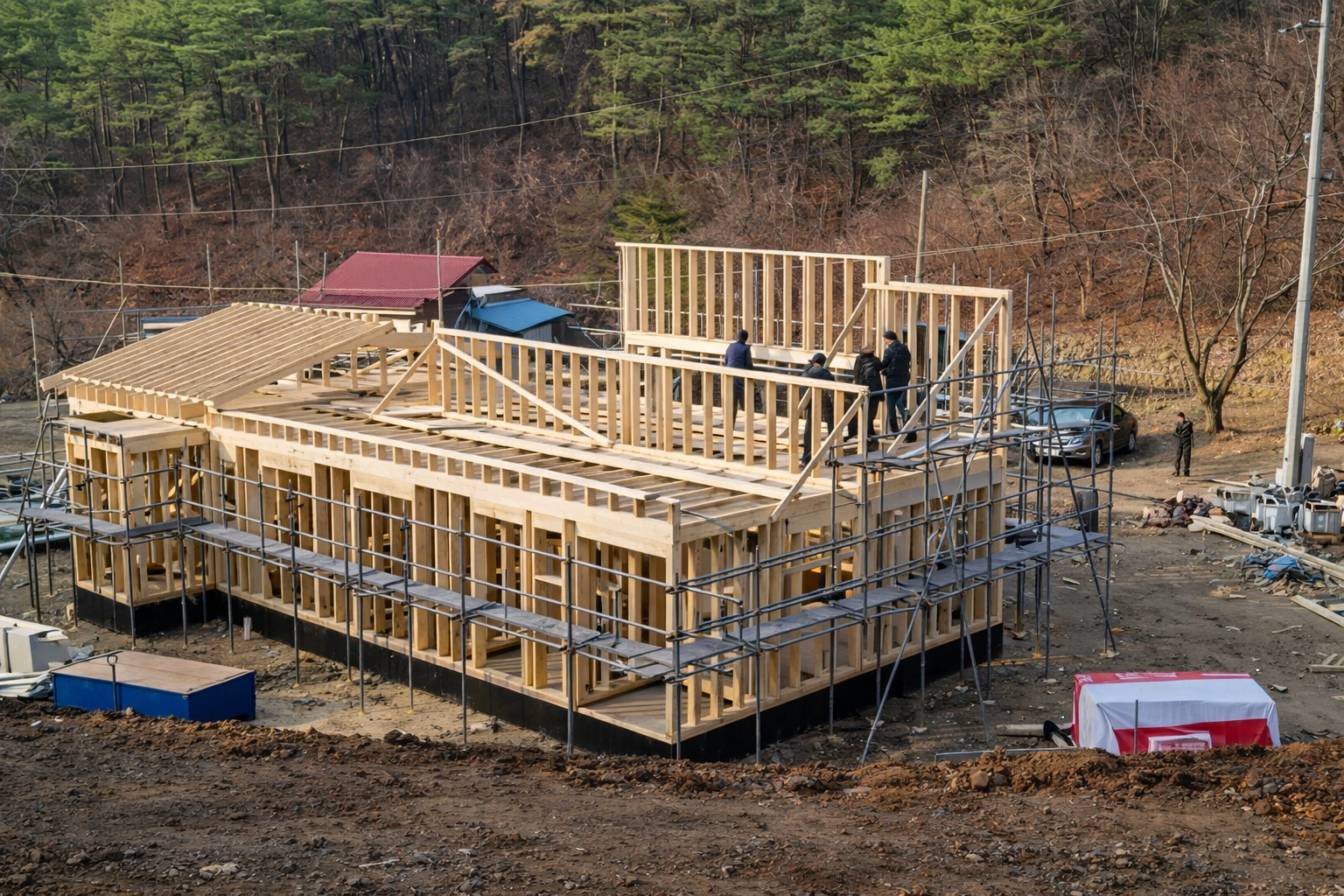
From empty land to a high-end house, wooden construction uses a lightweight system, metal structure for the foundation, ventilated ceramic cladding, and special windows to create an efficient and comfortable living space throughout the year.
The Impressive Industrial System That Transforms Recycled Glass Into Perfect Cups Inside South Korean Factories With Decades Of Experience
In a traditional glass factory with about 30 years of operation, the process starts with enormous quantities of recycled material.
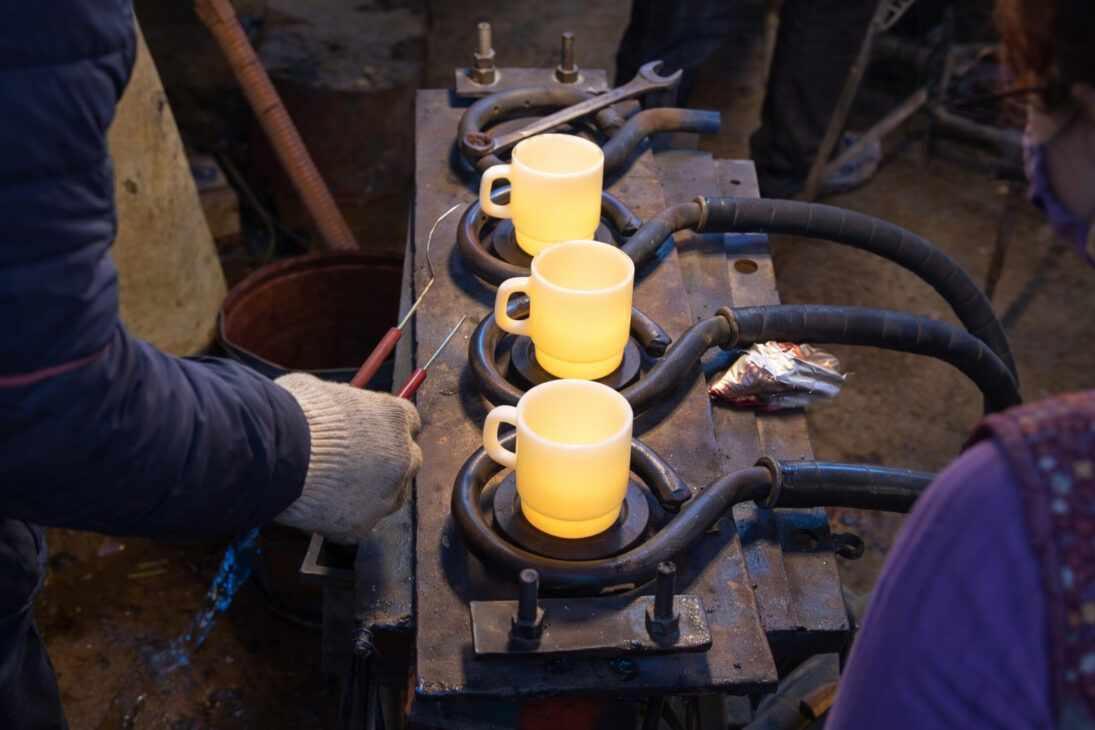
According to manufacturing specialists, glass recycling is one of the pillars of the industry in the country. Estimates indicate that billion tons of waste have been repurposed over the last few decades to feed industrial lines.
Inside the factory, crushed glass passes through industrial furnaces that reach extreme temperatures. The material transforms into an incandescent mass that moves to highly calibrated blowing machines.
These machines shape each piece in seconds.
The result impresses with its uniformity. Cups emerge from the lines with practically identical thickness and surfaces without visible imperfections. Sensors and inspection systems monitor each step to avoid microscopic defects.
To those observing the process, it seems simple. But the engineering behind it involves decades of refinement.
The Manufacturing Of Transparent Keyboards Reveals An Industrial Precision Level That Few Imagine Exists In The Peripherals Sector
Another segment that showcases the strength of Korean manufacturing is in the electronic equipment market.
Some specialized factories produce mechanical keyboards with translucent structures. At first glance, the product catches attention with its futuristic look. But the real challenge lies in the production process.
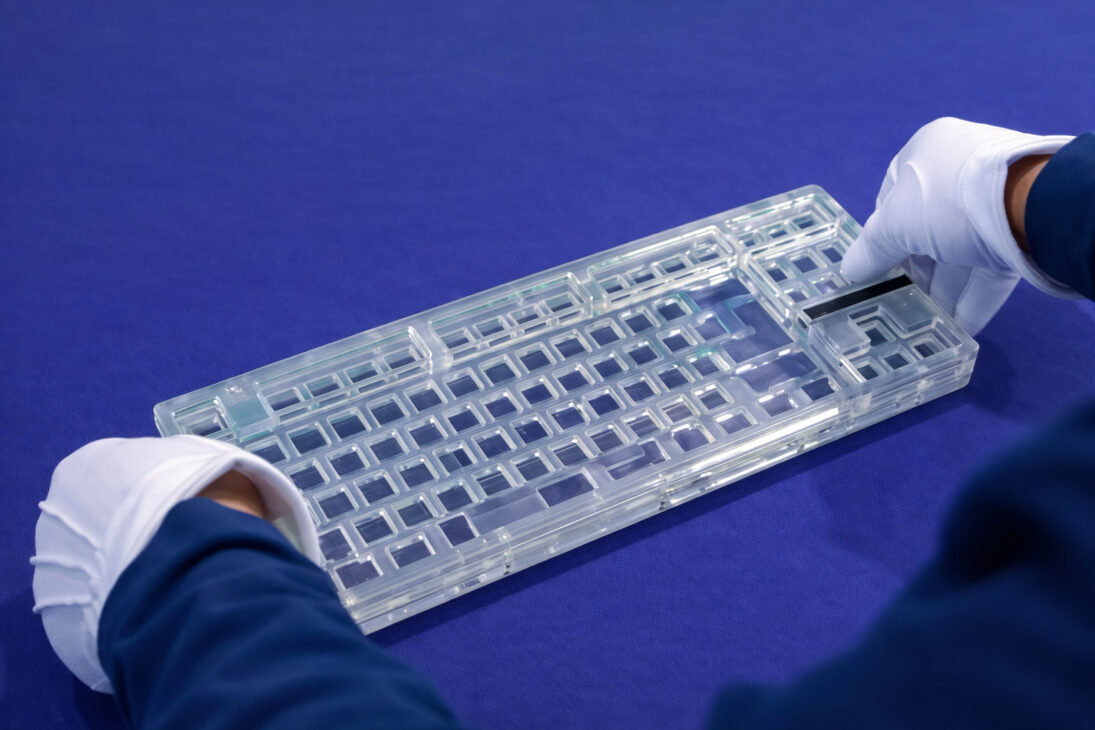
The keys are manufactured from transparent polycarbonate, a material that requires extreme control of temperature and pressure during molding.
After that, a quite delicate industrial process kicks in. The application of characters is done via UV printing, a technique that fixes the ink without compromising the material’s transparency.
Each component then proceeds to an extremely precise modular assembly. Circuits, mechanical switches, and internal boards must align perfectly to ensure quick response to touch.
In the gamer universe, this type of keyboard has become a symbol of quality and performance.
Korean Blacksmiths Maintain Ancestral Techniques While Producing Handmade Knives With Chains Integrated Into The Blade
Not everything in the South Korean industry depends on robots and automation.
In specialized workshops, some master blacksmiths maintain traditional techniques that span generations. The process resembles ancient practices from Asian metallurgy.
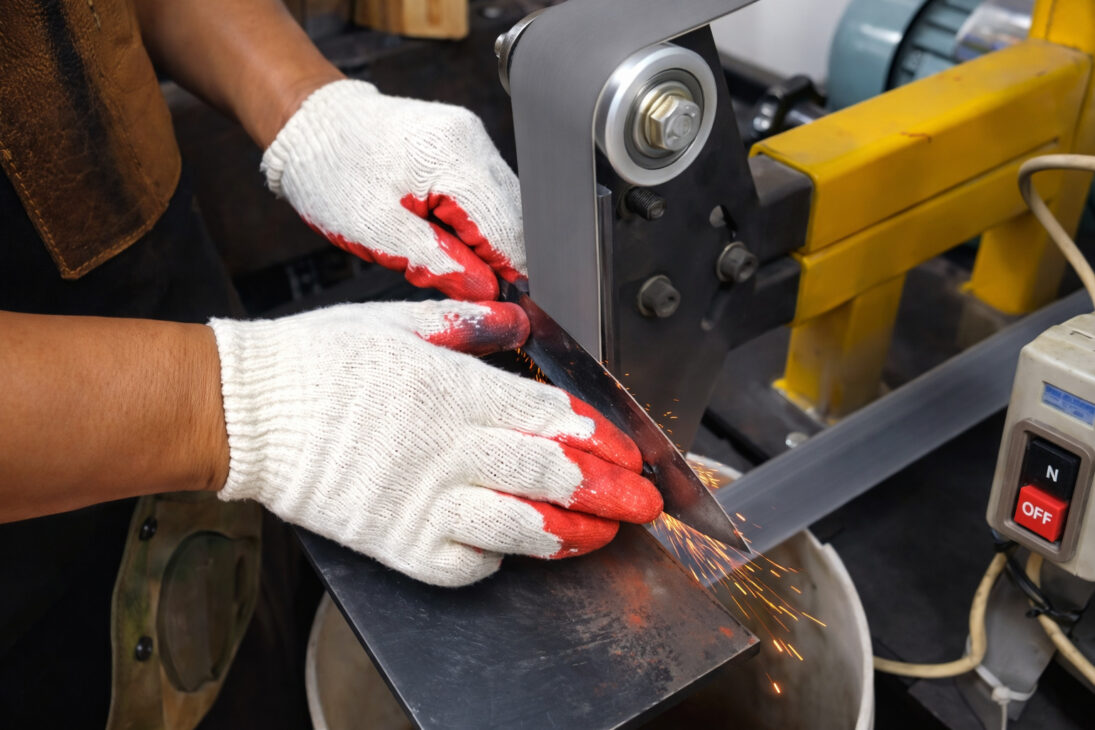
The production begins with steel bars heated until they become incandescent.
Using heavy hammers and extremely precise strikes, the metal is then molded repeatedly on the anvil. Each heating alters the material’s structure and increases the blade’s resistance.
The detail that draws the most attention is in the design.
Some artisans integrate metal chains directly into the knife structure, creating multifunctional pieces that blend aesthetics and functionality. This type of work demands absolute control of the metal at high temperatures.
Cutlery experts state that processes like this preserve a rare cultural heritage within a highly industrialized country.
The Engineering Behind Umbrellas Capable Of Withstanding Extreme Winds Shows Another Side Of Korean Innovation
Another curious example appears in factories specialized in producing high-resistance umbrellas.
While many common models have fewer ribs, certain South Korean manufacturers have developed structures with up to 60 metal spokes.
This configuration creates a frame that is much more stable against strong winds.
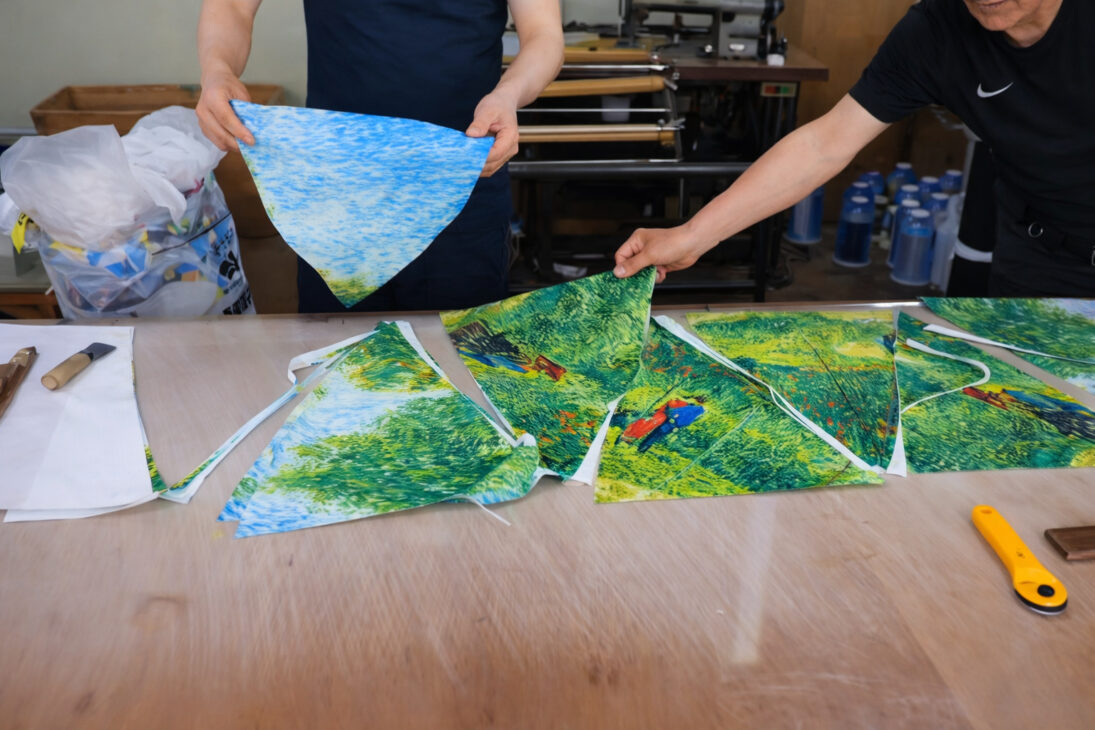
The waterproof fabric then goes through automated radial sewing processes. Machines align each segment with millimeter precision to prevent deformation when the umbrella is opened.
The result is products that can thus withstand intense gusts without breaking easily, something especially valued in coastal cities and regions with unstable weather.
According to industry specialists, this seemingly simple engineering requires enormous control over materials and assembly.
What This Manufacturing Model Reveals About South Korea’s Industrial Strategy
These processes help, therefore, to understand a concept that industrial analysts have come to call K manufacturing.
The idea represents the combination of highly automated mass production and artisanal techniques that continue to be present in specific niches.
While large industrial lines operate with advanced robotics, smaller workshops maintain traditional methods that add cultural and technical value to the products.
This blend creates a versatile production chain.
On one side, giant factories capable of producing millions of pieces with extreme precision. On the other, artisans who preserve centuries-old techniques and transform metal or steel into unique pieces.
For many experts, this balance helps explain why South Korea has been able to build such a strong global reputation in technology and manufacturing.
The combination of engineering, automation, and tradition continues to spark curiosity among those trying to understand how one of the most efficient industrial machines on the planet works from within.
This contrast between high-precision robots and hammers on glowing metal helps, therefore, to explain why the behind-the-scenes of the South Korean industry arouses so much curiosity around the world.
And you, did you already imagine that seemingly simple industrial processes hid so much engineering and tradition behind the factories of South Korea? Share your thoughts in the comments.









Seja o primeiro a reagir!