





 Portuguese
  English
  Spanish
  6 min of reading
  0 comments


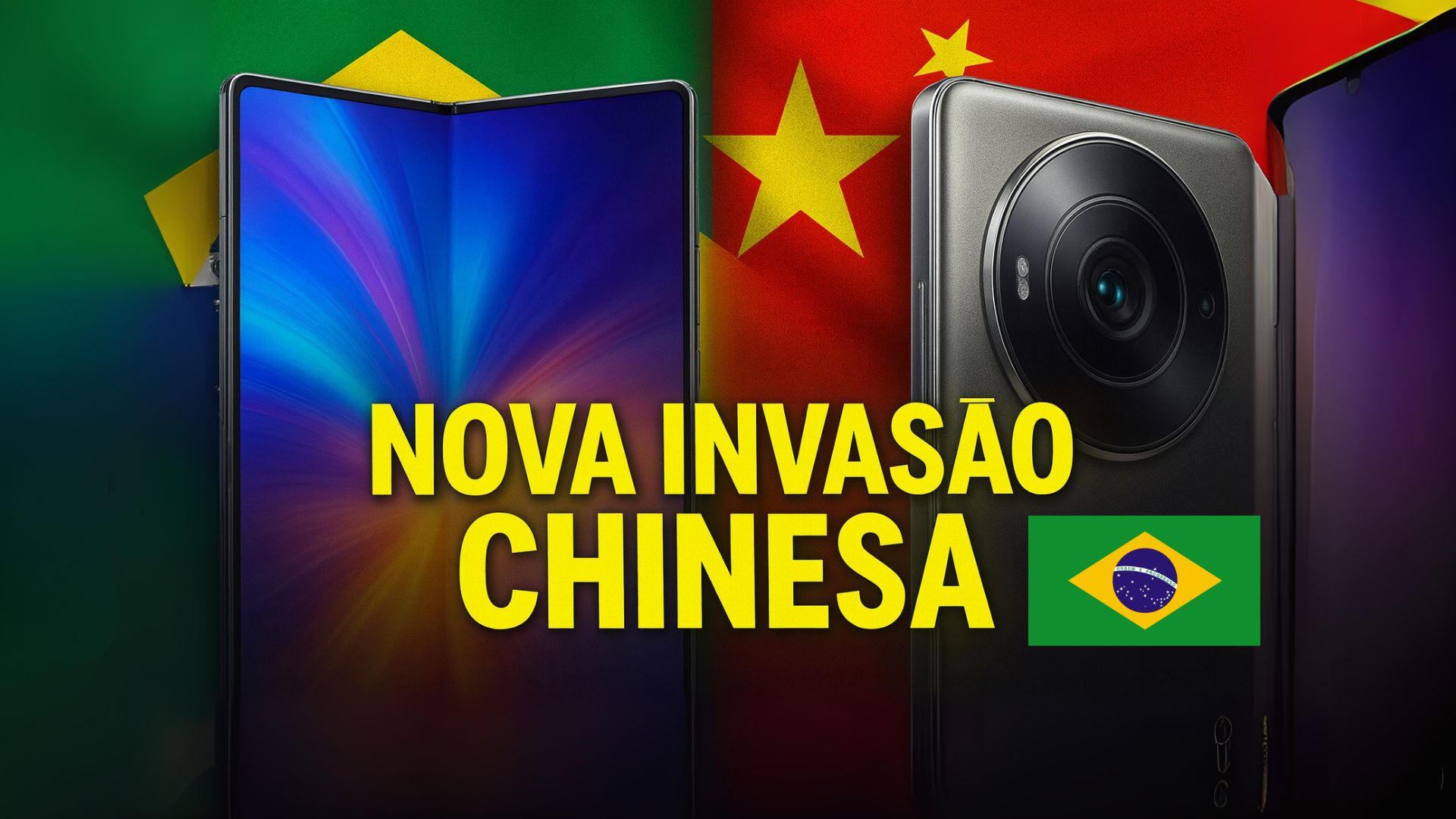
Chinese Manufacturers Accelerate In Brazil With Premium Smartphones, Bringing Foldable Screens, Powerful Batteries, And Unprecedented Prices, In A Direct Competition With Apple And Samsung That Promises To Transform The Smartphone Market In The Country.
Manufacturers Chinese open a new front in Brazil by competing for the top of the smartphone market.
Huawei has resumed selling devices in the country with the foldables Mate X6 and Mate XT, positioned in a super premium niche with prices reaching R$ 33 thousand.
At the same time, Jovi and Oppo strengthen their offering of advanced models for an audience seeking performance, design, and differentiated services.
-
While the world looks at oil, the war with Iran is already disrupting helium supply from Qatar, affecting car and iPhone chips, threatening AI expansion, and putting pressure on aluminum packaging at the highest value in four years.

-
Global warming will expose a treasure hidden under the ice of Antarctica and may spark an international dispute over gold and valuable minerals.

-
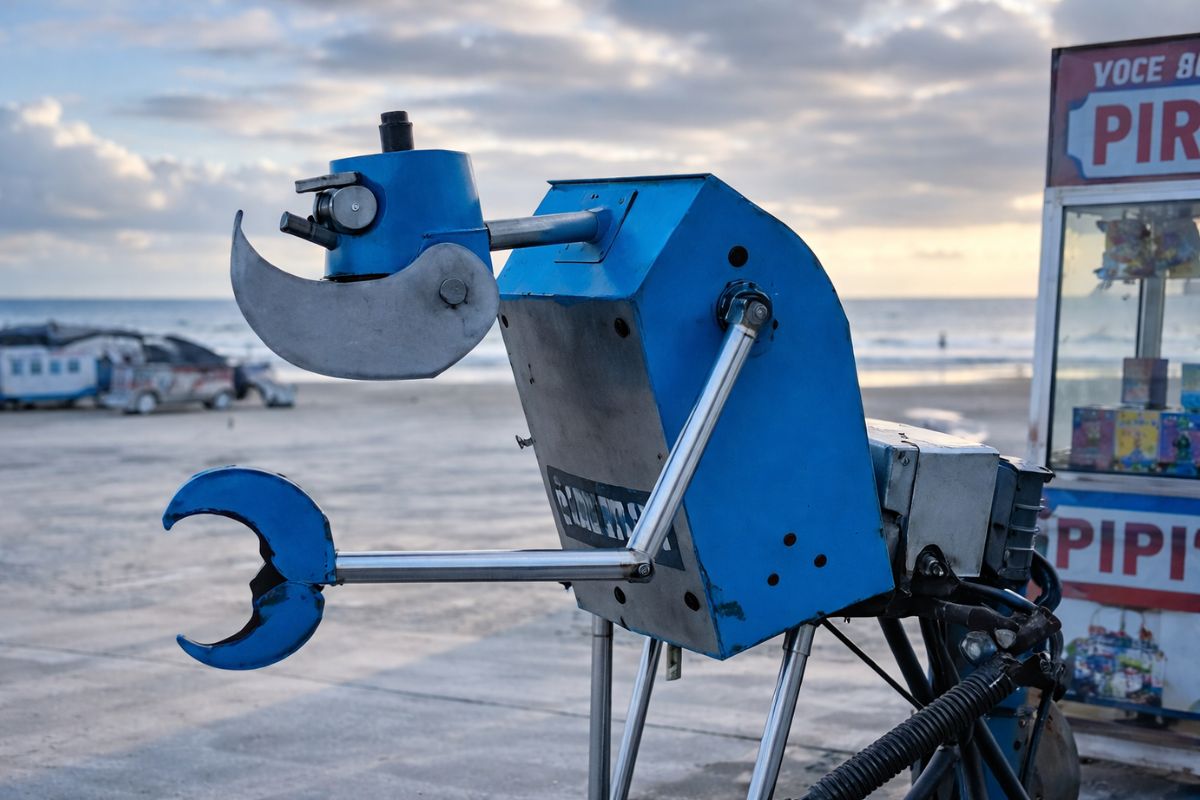
A street vendor from Praia Grande built a robot made of scrap from scooters and washing machines that pulls his popcorn cart on the beach, emits sounds, and interacts with customers, becoming an attraction on the coast of São Paulo.
-
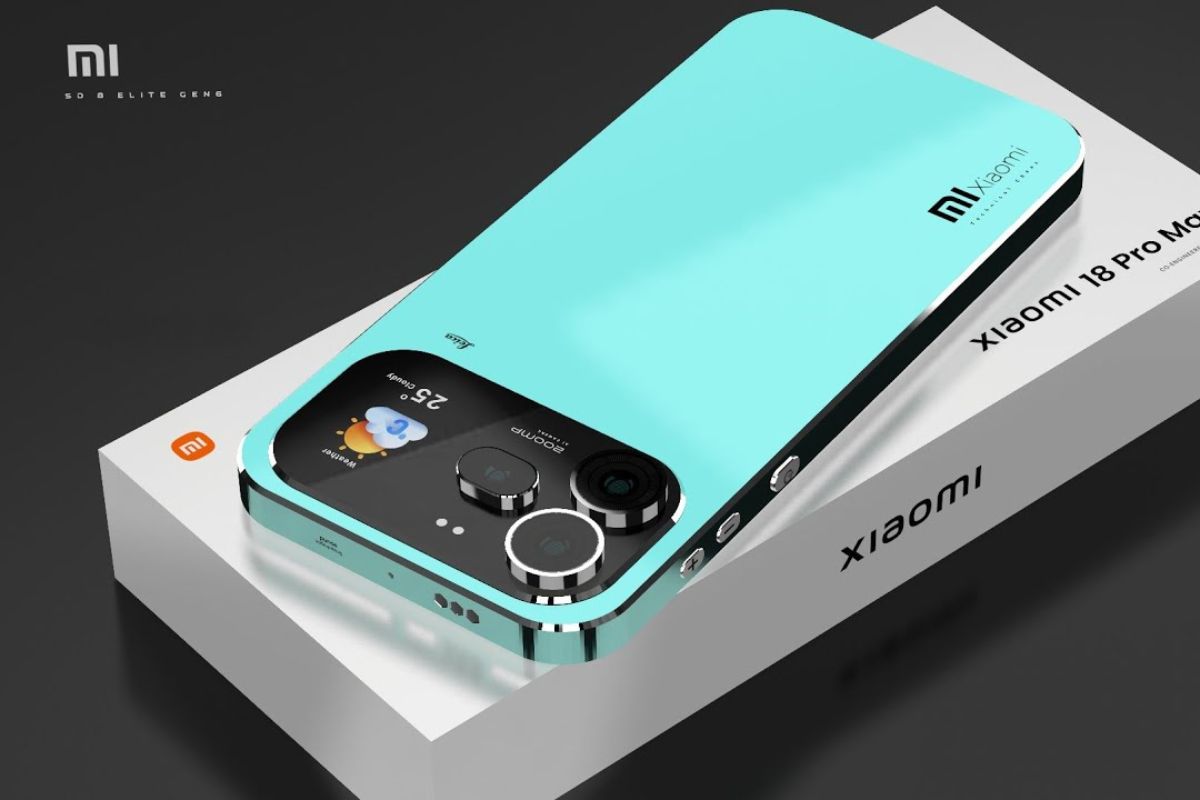
The specifications of the Xiaomi 18 Pro Max have been leaked, and the highlight is a dual 200 MP camera with a new 22-nanometer technology that promises to consume less energy and capture details in shadows and bright areas using LOFIC HDR.

The move marks the transition from a strategy focused on volume and low cost to another based on brand aspiration.
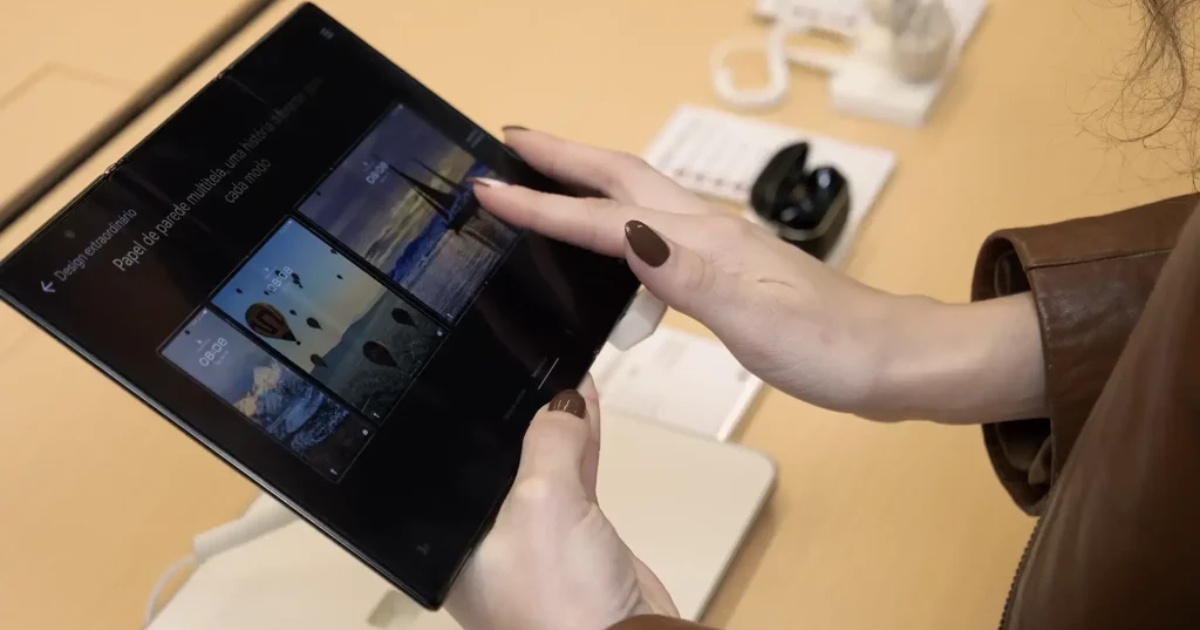
Huawei Bets On High-Value Foldable Phones
Huawei’s return to Brazilian retail began in June with the sale of the Mate X6 and Mate XT models.
The company targets consumers willing to pay more for innovative formats.
The X6, according to the manufacturer, combines a main screen with two others inside, folded into the device, which unfold into a larger panel.
The XT expands the concept: when fully opened, it forms a 10.2 inch display, closely resembling a foldable tablet.
The price positioning highlights the pursuit of differentiation.
The Mate X6 starts at R$ 22 thousand, while the Mate XT reaches R$ 33 thousand. The comparison with the top-of-the-line iPhone — the iPhone 16 Pro Max with 1 TB, priced around R$ 15.5 thousand — helps to illustrate the leap in value that the Chinese company aims to capture.
The bet is to occupy a space previously dominated by Apple and Samsung among devices that also serve as objects of desire.
In addition to hardware, Huawei is working with its own ecosystem. Due to restrictions imposed in the United States, the brand operates without Android and utilizes HarmonyOS on its smartphones.
The return to the country started with a pop-up store at Shopping Cidade São Paulo, opened this month, with a concept store planned for 2025.
Online, the company sells on its own website and in marketplaces like Amazon, Shopee, Mercado Livre, and TikTok Shop.
Strategy Shifts: From Low Cost To Brand Building
The turn resembles the recent trajectory of Chinese automakers in Brazil. Initially, the competition occurred among the cheaper options.
Subsequently, brands elevated the bar, transforming hybrid SUVs into prestige products while advancing on segments of BMW, Mercedes, and Porsche — as seen with Zeekr.
BYD, currently the leader among Chinese brands in the country, has reinforced this ambition with marketing presence in TV productions.
The logic now reaches smartphones. “To achieve relevant reputation, you have to build a brand,” says Diego Marcel, Huawei’s public relations manager for the consumer business in Brazil.
He describes the offering of extremely high-priced devices as a signal that the company intends to be aspirational.
The strategy, he says, paves the way for a second phase, with the introduction of models in broader price ranges to seek market share.
Jovi Debuts Targeting Luxury And Prepares Expansion
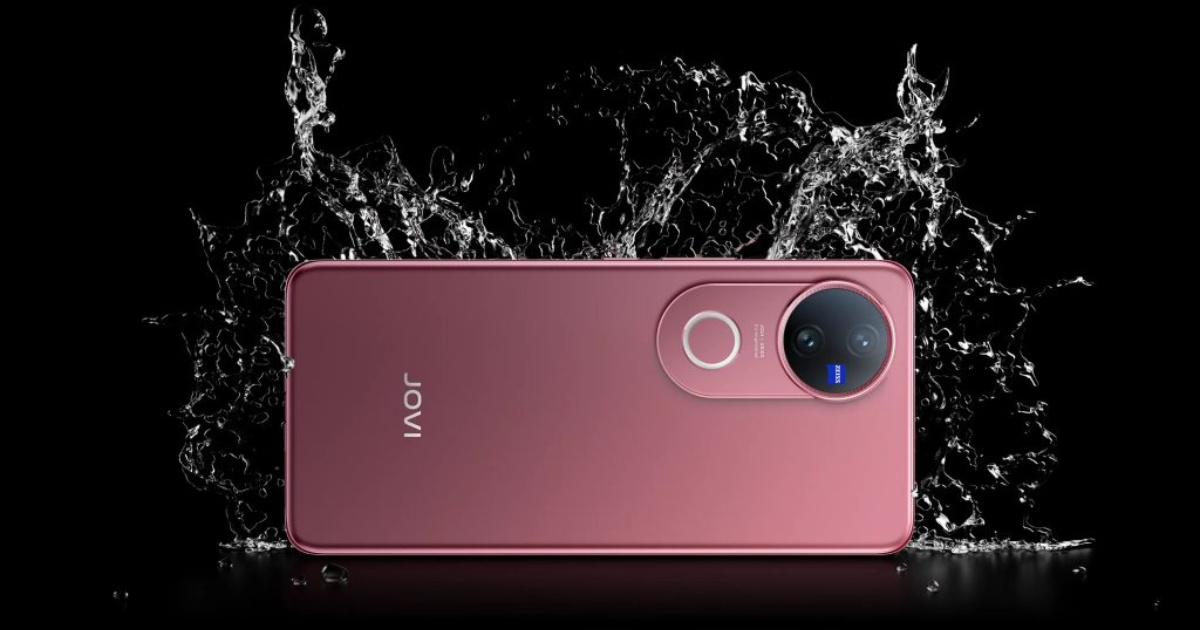
Another newcomer in 2025 is Jovi, the name chosen in Brazil by the Chinese Vivo to avoid confusion with the similarly named operator.
The company set up production lines in the Free Trade Zone of Manaus, in partnership with GBR, and launched four models in two segments.
At the higher end, the V50 is available for R$ 4.5 thousand with ultra-thin design, long-lasting battery, and camera with Zeiss lenses, a traditional German brand in photography.
The brand is also preparing to gain scale with the Y line, an entry-level range priced between R$ 1.4 thousand and R$ 1.8 thousand.
Despite the lower ticket, the devices retain clear differentiators, such as a 6,500 mAh battery — about 40% above the capacity of the iPhone 16 Pro Max — and military certification for drop and crack resistance, offering robustness similar to reinforced cases.
Nothing was decided by chance, according to the company.
“Many said they had no battery problems, but were often plugged into outlets or power banks. It was also common to find phones with cracked screens,” reports André Varga, product director at Jovi and former executive of Samsung in Brazil.
Based on this diagnosis, the company adapted its portfolio to the local reality.
To reduce replacement barriers, Jovi bets on service.
Each device comes from the factory with the 5-Star Benefits package, which includes one year of screen break protection, two years of warranty against defects, four years for the battery, and five years of free annual inspection.
“Our investment is long term. Those who set up factories in Brazil and offer this level of service are showing they want to genuinely compete for space,” says Varga. The goal is to rank among the five largest brands in the country in the medium term.
Oppo Grows In The Premium Midrange
Oppo arrived a year earlier and also produces in Manaus, in partnership with Multi (formerly Multilaser). The focus is on advanced mid-range devices, with the Reno 13F as a showcase.
The model combines a main camera of 50 megapixels and Google AI (Gemini) features, priced around R$ 3 thousand at major retailers.
According to retail sources consulted by InvestNews, the brand has already achieved double-digit market share in smartphone sales at one of the country’s largest chains, indicating that the strategy is beginning to gain traction.
Brazilian Market: Numbers And Expansion Potential
The backdrop is a market of 138 million smartphone users, projected to reach 178 million by 2029, according to Statista.
The size and pace of equipment renewal make Brazil a fertile ground for new brands — although the barrier of 80% currently concentrated by Samsung, Apple, and Motorola remains difficult to overcome.
In the world of electronics, the Chinese advance is already reflected in the average ticket.
Data from NielsenIQ indicate that Chinese brands account for 14% of sales in volume in Brazil, but 21% of revenue, reflecting the shift to more expensive models.
“Growth is consistent. In 2019, the share was 16%. Today, with the average ticket considerably higher, it exceeds 21%, and everything indicates it will continue increasing,” says Érica Andrade, manager for Audio and Video categories at the consultancy.
The movement is not limited to Brazil. “When we look at countries like Chile and Peru, we see participation above 25% in some categories,” observes Mateus Rabelo, senior manager for Tech & Durables at NielsenIQ.
For him, the expansion tends toward consolidation: “This does not seem like a flash in the pan. There is already established investment, manufacturing in operation, and a consistent strategy.”
Sales Channels And Next Steps For Chinese Brands
While solidifying its physical presence, Huawei reinforces digital sales in marketplaces and through its own channel, a common practice among new entrants.
The company’s plan is to bring lines closer in price to iPhone and Galaxy S, to align Brazil with the international launch calendar.
All production will continue to be imported from China at this stage. Local manufacturing will only be discussed if sales gain scale.
The advancement of Jovi and Oppo through manufacturing in Manaus points to another possible route: reducing taxes, accelerating logistics, and creating a closer post-sale.
In both cases, the ambition is the same — to compete for brand value in a segment so far dominated by two companies.
It remains to be seen how Brazilian consumers will react to foldable formats, long-lasting batteries, and service packages as differentiators in the purchasing decision.
Given this new landscape, the question is straightforward: Would you trade an iPhone or Galaxy for a super premium foldable or a turbocharged mid-range device from China, even paying more for innovation, battery, and services?







Seja o primeiro a reagir!