





 English
  Francês
  Alemão
  Italiano
  Japonês
  Norueguês
  Portuguese
  Spanish
  3 min of reading


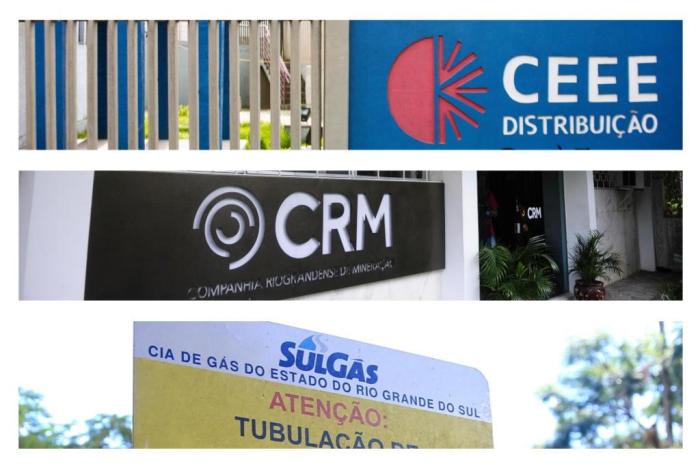
The Authorizations for the Privatizations of the State Electricity Company (CEEE) and the Rio Grande do Sul Mining Company (CRM) Were Approved on Tuesday Night (2) at the Legislative Assembly of Rio Grande do Sul.
On Tuesday night, July 2, Governor Eduardo Leite fulfilled an essential step toward adherence to the Fiscal Recovery Regime (RRF) by obtaining approval from the Legislative Assembly to privatize CEEE and the Rio Grande do Sul Mining Company (CRM). The first two projects for the sale of the state-owned companies were approved by the deputies with 40 votes in favor and 14 against. The sale of Sulgás was approved by 39 votes to 14 – the only difference was Deputy Tiago Simon (MDB), who abstained.
The sale of the energy companies is the final measure to be fulfilled by the State in the list of seven requirements from the federal government for entry into the RRF. All other measures had already been executed, most of them during the administration of Governor José Ivo Sartori. The session began at 2 p.m.
-
Government unlocks R$ 554 million for a highway that has been requested for decades and accelerates the duplication of BR.
-
Without bricks, without cement, and without endless construction: the cardboard house that is assembled in modules and can be moved.

-
Billions of barrels on the equatorial margin could lead Amapá to double its oil production in Brazil — the state aims to enter the route of companies in the Campos Basin, attract investments, and boost jobs and businesses in the oil and gas sector.

-
Without bricks, without cement, and without endless construction: the cardboard house that is assembled in modules and can be moved.
With the approval of the matters in the Assembly, Piratini expects to advance negotiations with the economic team, granting BNDES a license to formulate the privatization model, with a minimum price and payment conditions. By formalizing adherence to the RRF, the State guarantees a suspension of debt payments to the Union for three years, extendable for another three.
The government will also be able to anticipate revenues, contracting loans in the same scale as the resources that will be obtained from the privatizations. Estimates from the Secretary of Finance point to financing in the order of R$ 3 billion. The idea is to use the resources to settle liabilities, such as health debts with municipalities and hospitals and to pay remaining installments of the 13th salary from 2018 for public servants.
Despite the controversy surrounding the sale of the companies, there were no large crowds at Praça da Matriz, nor inside the Assembly, where there were more people linked to the government than to opposition parties. “The people threw in the towel,” said Deputy Fernando Marroni (PT), when the government approved the withdrawal of the plebiscite (in April), it was clear that privatization would not be avoidable.
In the chamber, it was no different. With a base formed by 41 deputies, the proposals to allow the sale of the companies faced opposition from the left and some opponents on the right, but Leite did not encounter difficulties. By prioritizing the original text, the government managed to eliminate suggestions from the deputies.
Among the measures was a proposal from the opposition that ensured job stability for two years for state employees from the moment of privatization and another from the allied base that mandated the buyer to assume the companies’ liabilities.
Mandatory Measures for Adherence to the Fiscal Recovery Regime
Authorization for privatization of companies
Amendment of pension rules (LC 15.142/18, art. 12)
Reduction of tax incentives of at least 10% per year (LC 15.138/18)
State Fiscal Responsibility Law (LC 14.836/16)
Establishment of the Complementary Pension Regime (LC 14.750/15)
Prohibition of withdrawals from judicial deposit accounts (LC 15.138/18)
Authorization to conduct payment auctions (LC 15.138/18)








Seja o primeiro a reagir!