





 English
  Francês
  Alemão
  Italiano
  Japonês
  Norueguês
  Portuguese
  Spanish
  3 min of reading
  0 comments



The Covid-19 Pandemic, High Interest Rates, Persistent Inflation, and Changes in Production Chains Shape the Current Economic Scenario. Understand How These Factors Affect Global Growth:
According to estimates from the World Bank, the global economy is expected to grow 2.8% in 2025, maintaining a similar pace to 2024. However, this rate remains below the average recorded between 2010 and 2019, which was 3.2% per year. Thus, the slowdown reflects structural challenges that persist in the post-pandemic scenario. Furthermore, global interest rates are expected to remain around 4% in the coming years, twice the average of the previous two decades. As a consequence, the cost of credit remains high, directly impacting investments and consumption, according to an analysis by the IMF (International Monetary Fund) released in January 2024.
Restructuring Production Chains and Its Impact on the Economy
One of the main economic legacies of the pandemic was the relocation of supply chains. Companies, previously dependent on a few global suppliers, began adopting strategies such as onshoring, transferring production within their own country. Additionally, nearshoring was expanded, moving manufacturing to nearby nations, such as Mexico, which became a substitute for China. According to the United Nations Conference on Trade and Development (UNCTAD) report of 2023, these changes ensured greater security but also raised logistics costs and raw material prices, making products more expensive for consumers.
How Was Global Inflation Impacted?
In addition to changes in production chains, another factor boosted global inflation: the modification of stock models by companies. Previously, the “just in time” policy prevailed, where stocks were minimal and depended on immediate replenishment. However, due to the uncertainties created by the pandemic and subsequent wars, many companies started to maintain larger stocks to ensure continuous supply. According to the European Central Bank (ECB) report of December 2023, this change increased operational costs, requiring more working capital. As a result, final prices of products and services were significantly impacted.
-
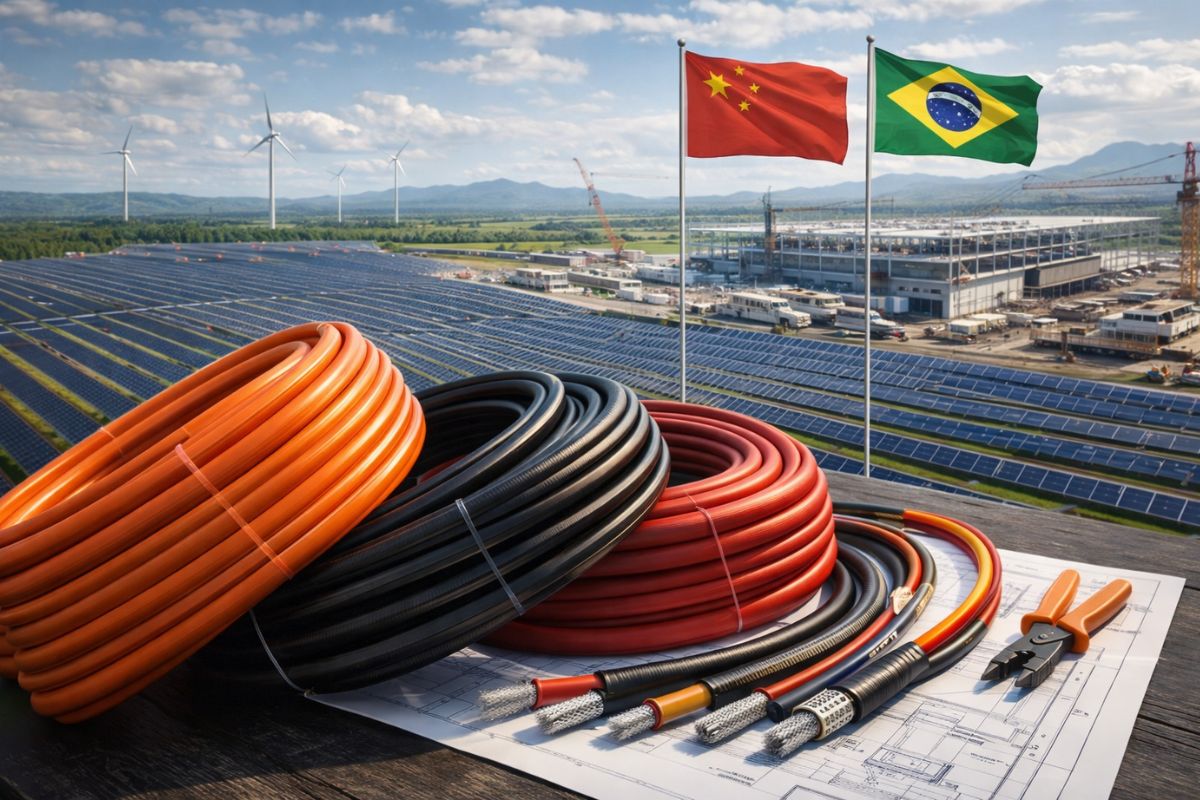
Chinese giant worth nearly R$ 4 billion that manufactures cables for electric cars, solar energy, and robotics wants to open a factory in SC.
-
Many employers do not know, but the law guarantees domestic workers a 25% increase in salary during trips, 50% for overtime, 20% for night shifts, and 17 additional benefits that can lead to labor lawsuits if not paid.

-
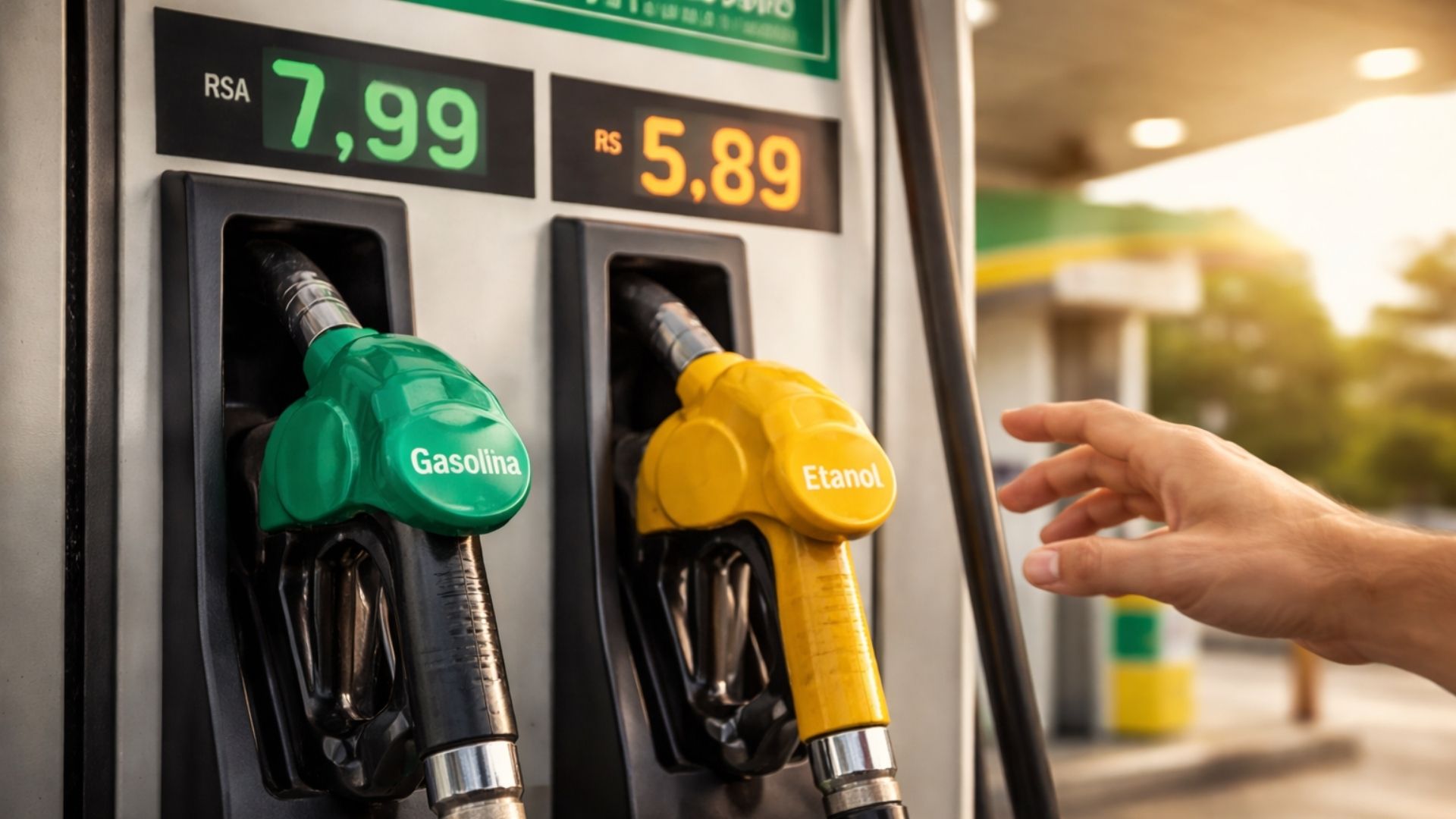
Gasoline prices soar and the question arises: is ethanol more advantageous? The 70% rule reveals the limit with gasoline.
-
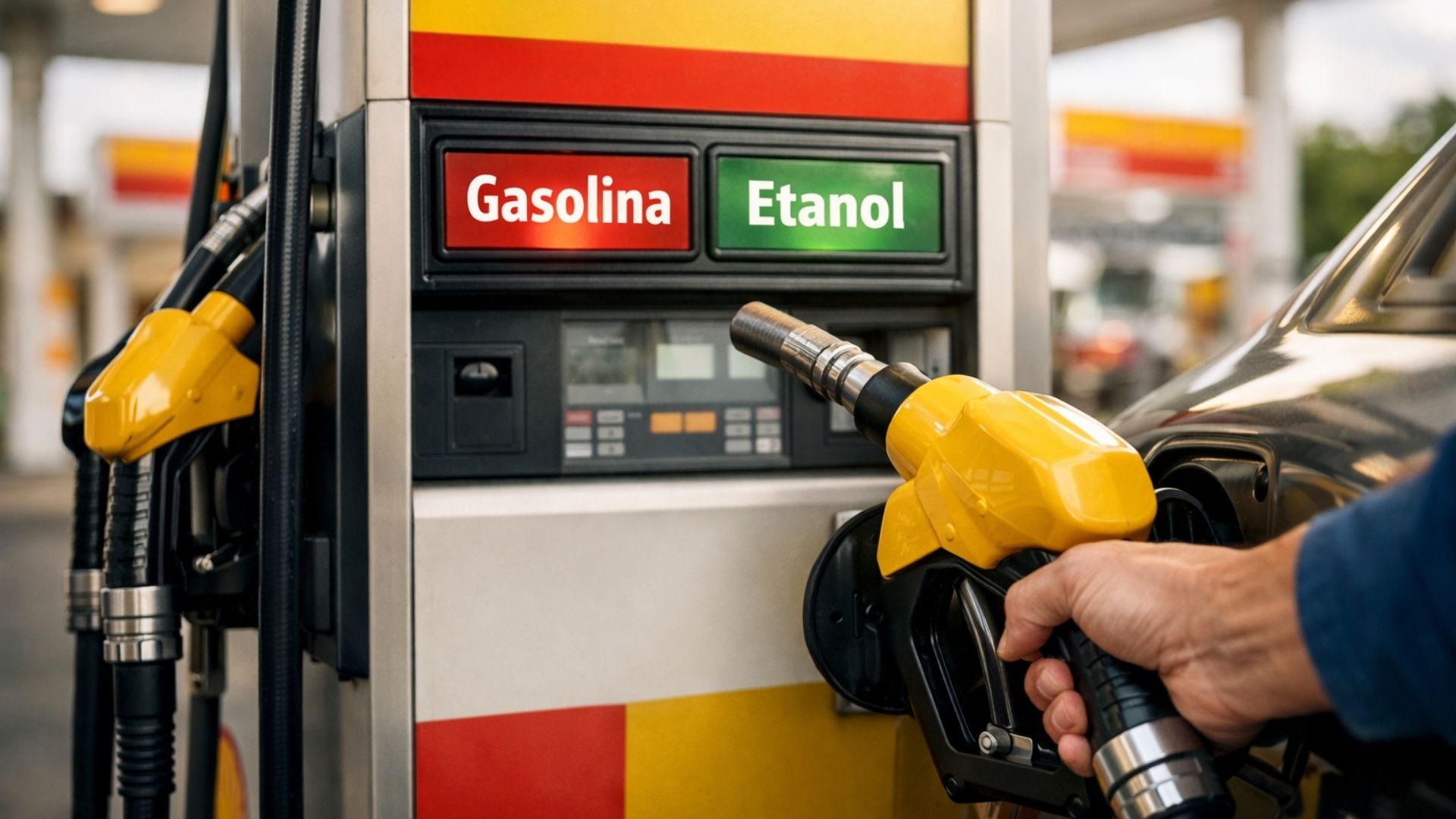
The government has made a decision and is starting a test with more ethanol in gasoline, anticipating a mixture of up to 35%, diesel with 25% biodiesel, and a study to assess the impacts on engines.

The Effects of Wars on the Global Economy
In addition to the health crisis, geopolitical conflicts further exacerbated the global economic scenario. The invasion of Ukraine by Russia in February 2022 disrupted supply chains for grains and energy, putting additional pressure on global inflation. Consequently, the cost of food and fuel skyrocketed, increasing the challenges of food security, according to data from the Food and Agriculture Organization of the United Nations (FAO). Similarly, the conflict in the Middle East, which intensified in October 2023, raised oil prices, directly impacting the cost of transportation and production. Thus, the global logistics chain was severely affected, keeping fuel prices high. Moreover, volatility in financial markets significantly intensified, according to a report from the International Energy Agency (IEA) published in February 2024.
Expectations for the Coming Years
In light of this context, experts believe that the global economy is likely to continue growing at a moderate pace. However, persistent challenges still need to be addressed. The Federal Reserve of the United States indicated in January 2024 that it is necessary to adjust the expansionary fiscal policy widely used after the pandemic, without completely compromising economic incentives. Additionally, decarbonization and the energy transition are becoming increasingly urgent, directly impacting sectors such as oil and gas. According to projections from the International Energy Agency (IEA), by 2030, renewable energy sources will account for 70% of the global energy matrix. Meanwhile, emerging markets, such as China, India, and Brazil, are expected to play a crucial role in the global recovery, according to a report from the IMF in February 2024. Thus, countries may redefine the global economic balance in the coming years.
The global economy is facing a transition period, in which the effects of the pandemic, wars, and structural changes continue to shape the future. Businesses and governments need to be prepared for a scenario of high interest rates, persistent inflation, and deep changes in production chains. Thus, adapting to this new reality will be essential to ensure sustainable growth and economic stability in the coming years. Therefore, well-planned strategies will make all the difference in building a more solid and resilient economic future.







Seja o primeiro a reagir!