





 Portuguese
  English
  Spanish
  5 min of reading
  0 comments


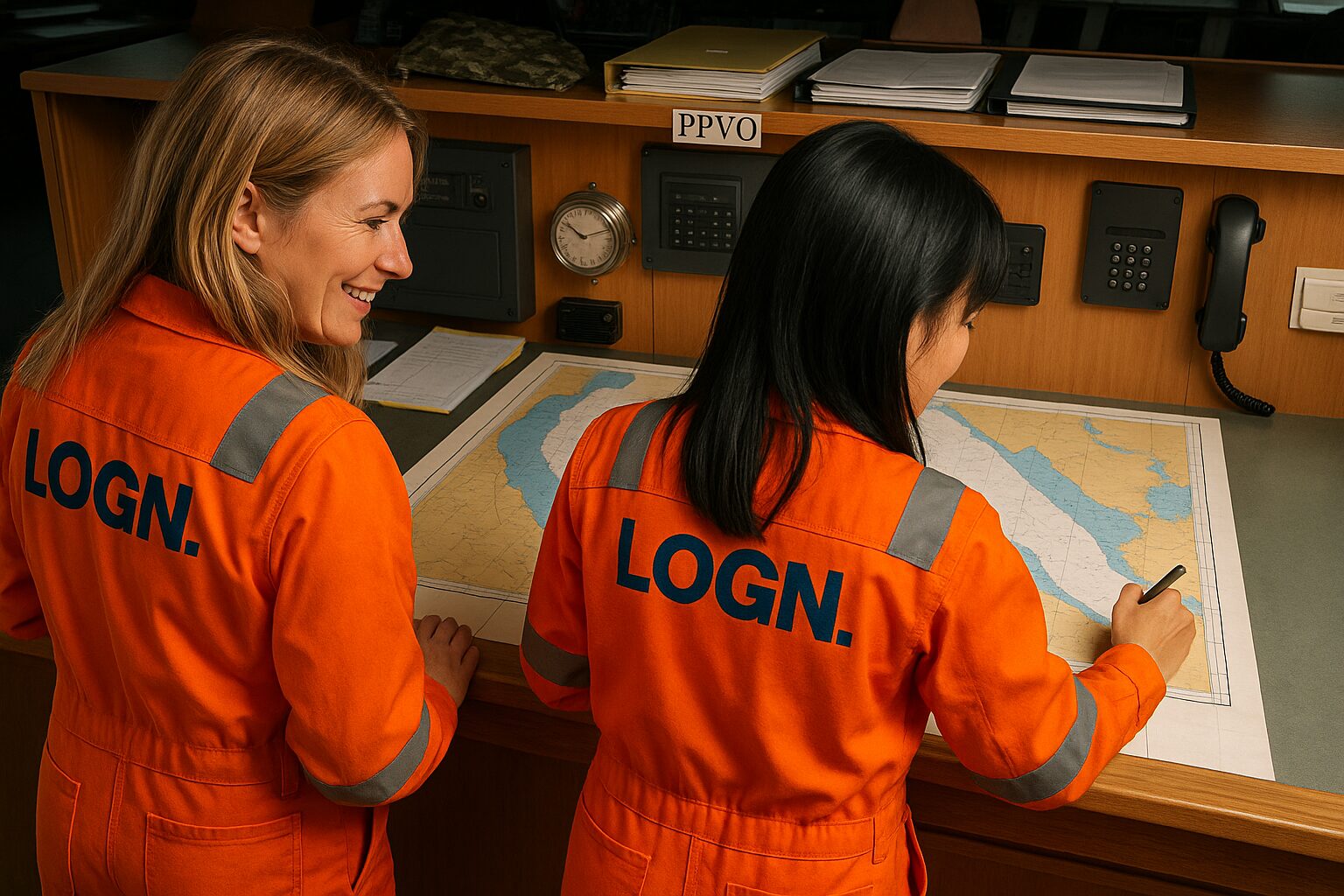
Maritime Shortage and Poor Training Challenge Cabotage in the Logistics and Maritime Ecosystem, Impacting Its Resilience and Growth.
Cabotage has played a vital role in coastal navigation, connecting ports along the coast and boosting the maritime mode of transport. This type of transport, which is primarily conducted via barges, is experiencing significant growth due to its efficiency and sustainability. Barges are particularly well-suited for bulky and low-value cargo, characteristics that make them ideal for this modality. Since 2015, significant investments have been observed in the sector, aiming to modernize the fleet and expand the routes covered by cabotage.
As interest in this mode grows, new challenges emerge in the training of Merchant Marine officers. The training of adequate professionals is essential to ensure that cabotage continues to play its crucial role in national logistics. In 2020, the Brazilian government launched initiatives to increase the number of spots in maritime academies, focusing on improving the sector’s resilience: Sector Resilience. These efforts aim to compensate for the current shortage of qualified crew, which threatens to delay the progress and robust growth observed in recent years.
The Post-2020 Transformation in Brazilian Cabotage
Since 2021, Brazilian cabotage has benefited from tax incentive and infrastructure policies that have revitalized the modality. These actions have helped expand port capacity and optimize logistics operations. Studies by the Ministry of Transport show that the measures implemented by 2022 have already led to a reduction in operational costs, making cabotage an increasingly attractive alternative compared to other modes.
-
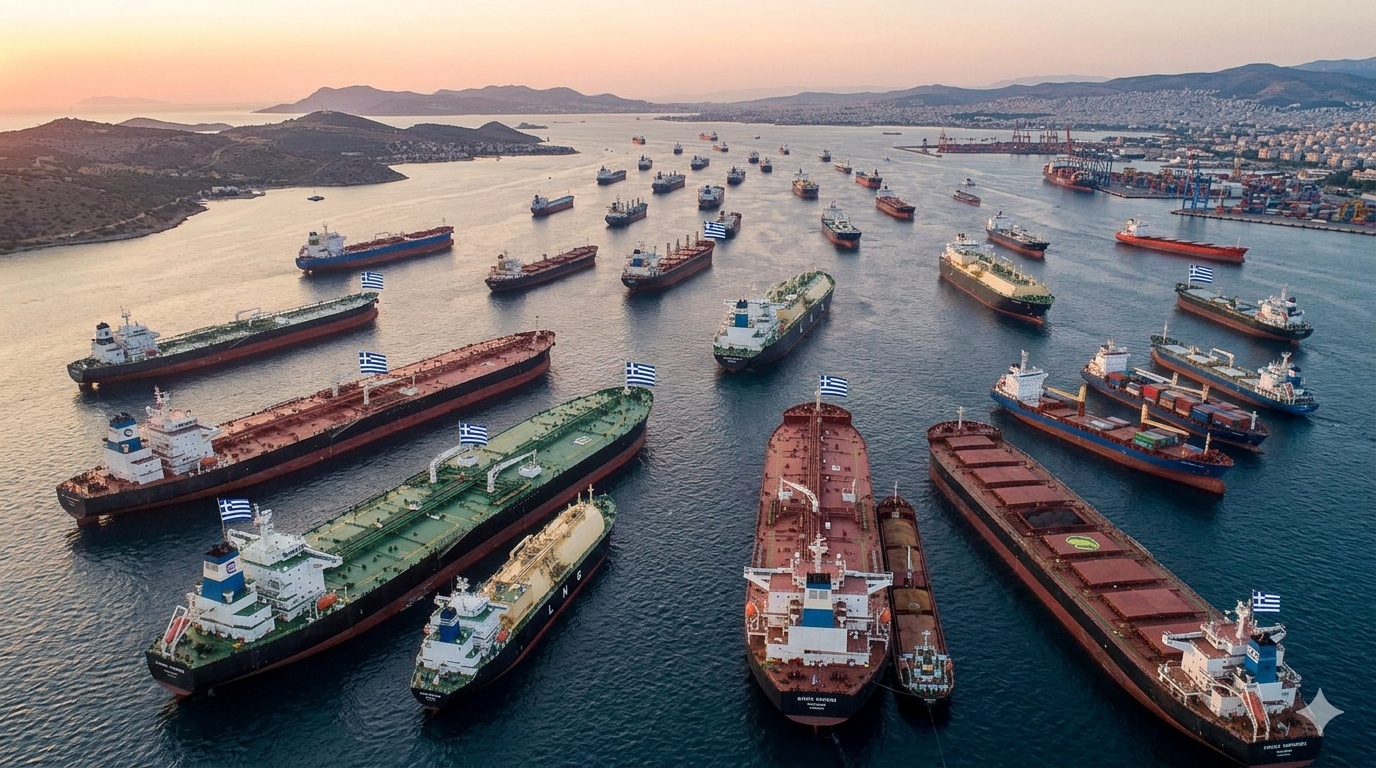
Neither the USA nor China: a small European nation has become one of the largest maritime powers on the planet, controlling one of the largest merchant fleets in the world with thousands of ships and dominating the global transportation of oil and strategic cargo.
-
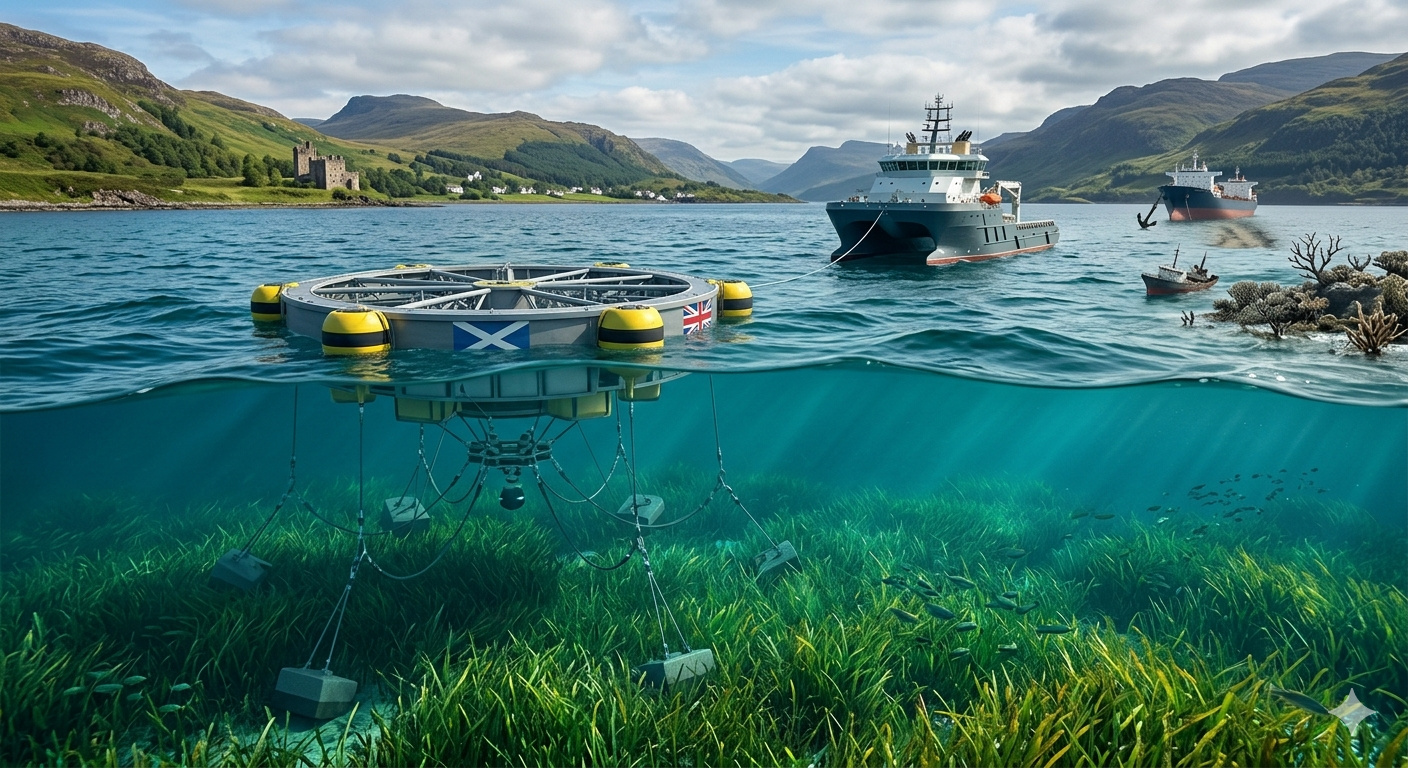
Scotland and the United Kingdom have created a new anchoring system that floats in the water without touching the seabed, after discovering that the current from a conventional anchor destroys up to 50 m² of seagrass meadow per event and that ship-damaged reefs showed no signs of recovery even ten years later.
-
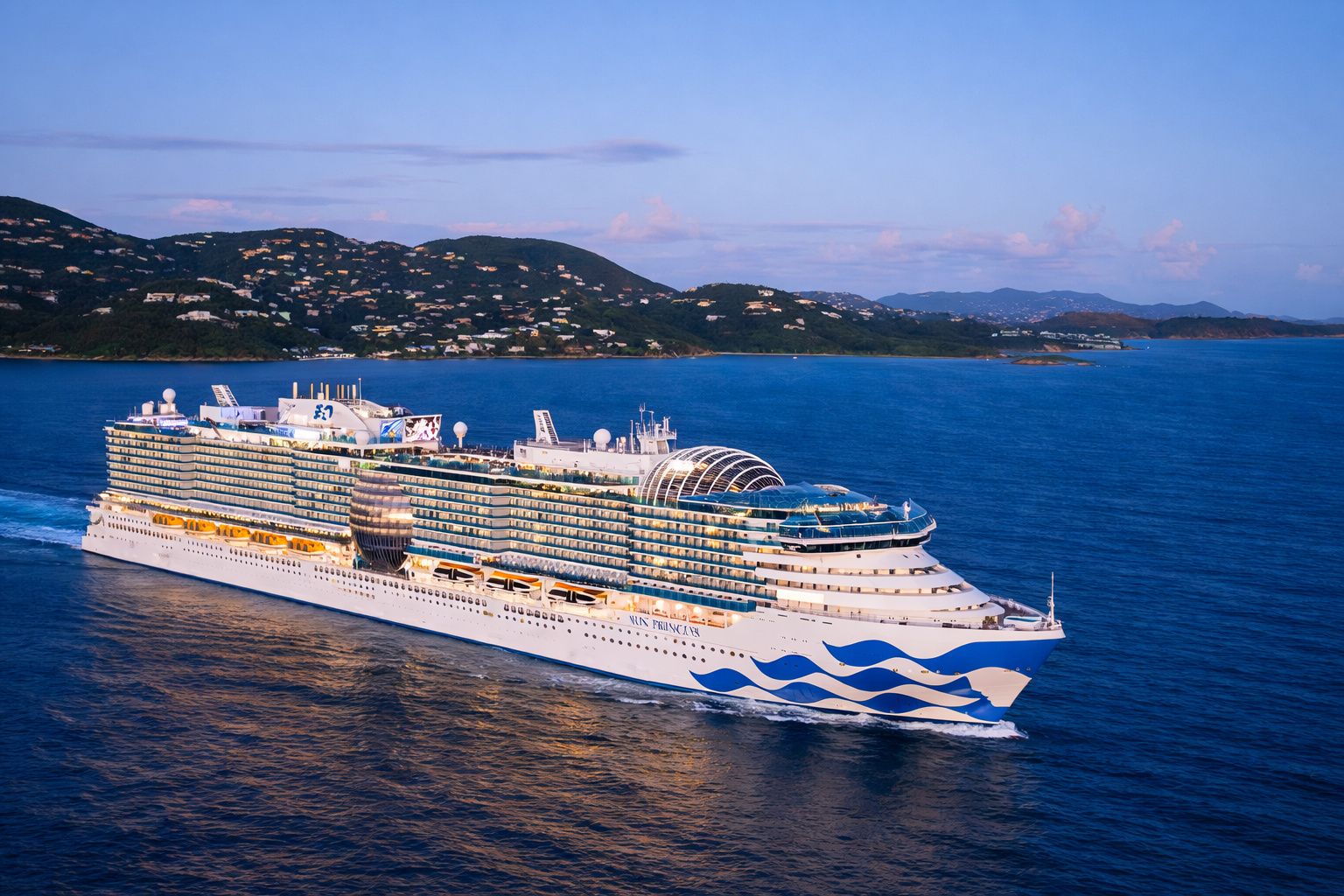
Weighing 175,500 Tons, Measuring 345 Meters Long, and With Capacity for Over 4,300 Passengers, the Sun Princess Becomes the Largest Ship Ever Built by Princess Cruises and Attracts Global Attention for Its Huge Glass Dome Inspired by Santorini’s Architecture Installed on Top of the Vessel
-
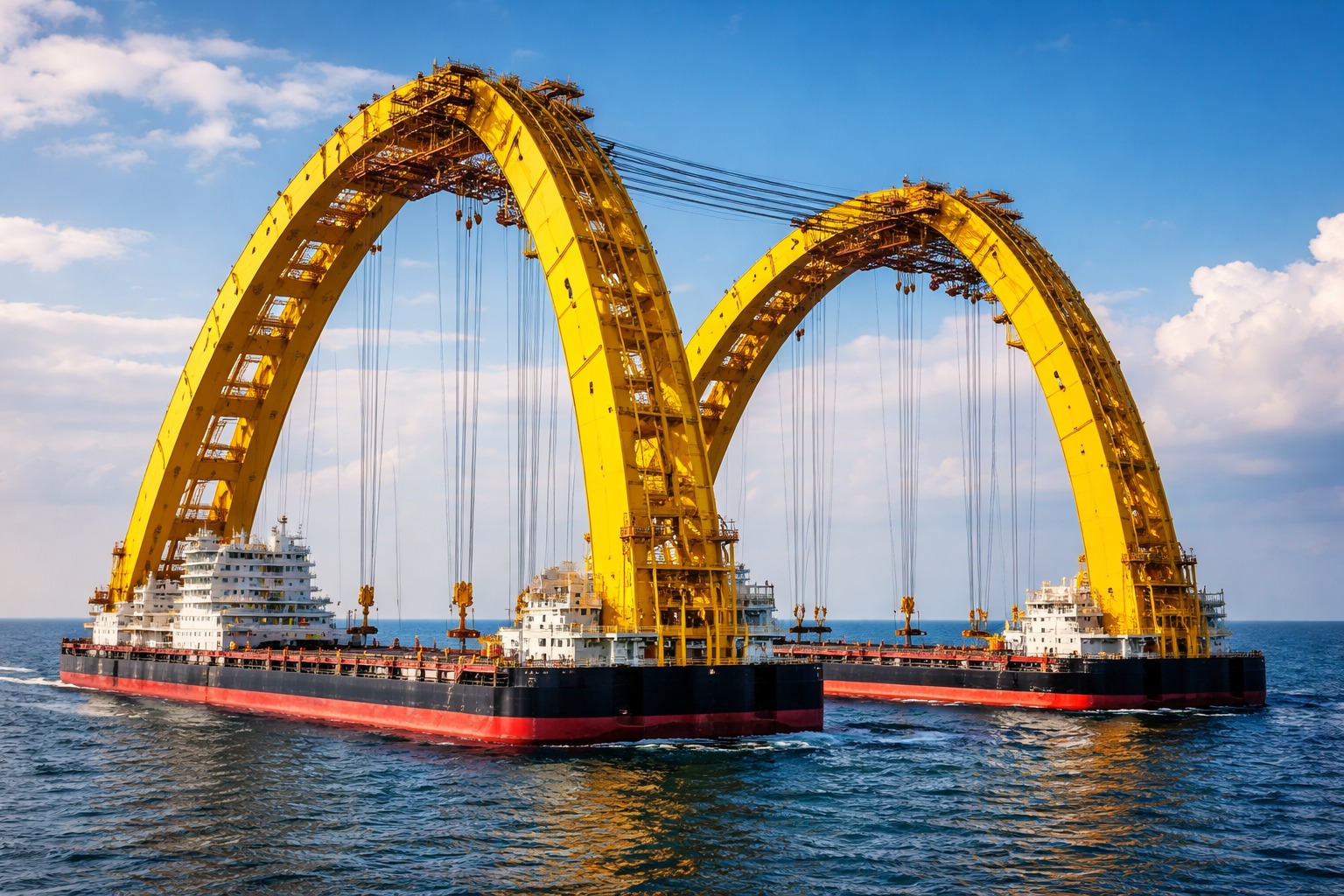
TX-10, The Colossus of The Sea: Largest Lifter Ship in The U.S., With Two Giant Barges, 73-Meter Tall Structure, and Strength to Raise 7,500 Tons of Sunken Oil Rigs

In the context of trade relations, cabotage has become essential for the distribution of agricultural and industrial products, having a direct impact on the national economy. The 2020 pandemic highlighted the need for more flexible and secure means of transport, and cabotage proved to be an effective response to this growing demand for logistical resilience. In 2022, the Brazilian Institute of Geography and Statistics (IBGE) recorded a 15% increase in volumes transported via inland waterways, consolidating this modality as one of the significant winners in the post-crisis economic recovery.
Looking ahead, cabotage is expected to continue to expand, with forecasts of increased routes and operational efficiency. Its ability to unite sustainable development with economic growth makes it not only a current trend but a fundamental pillar for
the Brazilian economy.
Cabotage in Expansion: Challenges and Projections
In 2024, the cabotage sector moved a remarkable 1.5 million TEUs, according to data provided by the Brazilian Association of Cabotage Shipowners (ABAC). This represents an increase of 19.8% compared to the previous year, demonstrating substantial growth. Since 2008, the volume transported by this maritime modality has nearly doubled, highlighting the relevance of cabotage. This advancement reflects not only the resilience of the sector, but also ongoing efforts to modernize the fleet and meet the growing demand for sustainable logistical solutions. However, the accelerated growth of cabotage faces significant structural challenges, especially regarding the training and availability of qualified labor, crucial for the advancement of barge transport and coastal navigation.
Training and Challenges in the Merchant Marine
Currently, the training of Merchant Marine officers is concentrated in two main institutions: the Admiral Graça Aranha Instruction Center (CIAGA), located in Rio de Janeiro (RJ), and the Admiral Braz de Aguiar Instruction Center (CIABA), in Belém (PA). Together, these schools manage to train just under 300 new officers annually, according to the number of spots available for 2024, which is still insufficient to meet the growing demand of the segment. A study conducted by the Vanzolini Foundation, in partnership with the Logistics and Port Infrastructure Innovation Center of USP (CILIP), projects that around 4,000 professionals will be needed by 2030 to meet the current demand.
Resilience and Need for Reformulation
The shortage of qualified labor in cabotage is not only quantitative but also qualitative. The current training model faces a gap in relation to modern operational requirements. Although it provides a solid technical base, there is still a lack of content addressing management, leadership, organizational safety, business understanding, and the use of technology in onboard routines. This educational gap forces professionals to seek supplementation, often through MBAs, specializations, or corporate programs, creating a competitive environment where only the most well-prepared stand out.
Turnover in the Sector: A Chronic Challenge
The high turnover of crew members in the cabotage sector is another critical challenge, as the turnover rate reaches about 20% per year. In practical terms, this means that for every five crew members, one is replaced annually. Such a factor compromises operational predictability and presents ongoing challenges for people management onboard. Competition with the offshore sector, especially in the oil and gas industry, which offers more attractive compensation and desirable work schedules, frequently attracts professionals, creating gaps in the coastal navigation sector. This movement has significant impacts.
Impact on Management and Operability
Each crew member’s departure not only incurs administrative and operational costs but also necessitates careful logistical replanning. In more critical scenarios, it may even result in the temporary suspension of routes due to the lack of qualified crew. Additionally, frequent turnover in teams hinders the development of interpersonal bonds and the consolidation of collaborative practices, essential elements for good performance onboard. Cabotage companies often need to restart the onboarding process for new professionals, creating a burden for onboard leadership and hindering the establishment of a solid organizational culture.
Paths to Overcome Obstacles
In a technical and highly complex environment such as the logistics and maritime ecosystem, turnover impacts operational risks, loss of efficiency, and ultimately, a reduction in the sector’s competitiveness. Reversing this scenario requires structural actions and coordinated collaboration among the various actors in this ecosystem. At the institutional level, it is crucial to consider accrediting new training entities, with appropriate technical supervision, to expand the course offerings and modernize teaching methodologies. Furthermore, a review of certification criteria, even on an emergency basis, could help mitigate the effects of the labor shortage.
Perspectives for Sustainable Cabotage
Coastal shipping companies can play a prominent role in retaining and valuing their professionals by investing in internal development programs, transparent career plans, structured performance assessments, and ensuring favorable working conditions in the maritime modal. In a highly competitive market, the organizational environment can be just as decisive as compensation. It is vital to consider that many maritime professionals take pride in their careers, and preserving this sense of belonging, as well as projecting a promising future for newcomers, requires clear policies and a collective effort.
Cabotage has the potential to grow sustainably, but its progress will largely depend on the sector’s ability to train, attract, and retain the professionals who will ensure the continuity and efficiency of operations in the coming years.
Written by: Andréa Simões – Director of People, Culture, and Digital Transformation of Information at Log-In Integrated Logistics, a logistics solutions group, port movement, cabotage navigation, and Mercosur, also active in the trucking segment.
Source: © rafaela.araujo@epr.com.br









Seja o primeiro a reagir!