





 Portuguese
  English
  Spanish
  2 min of reading
  0 comments


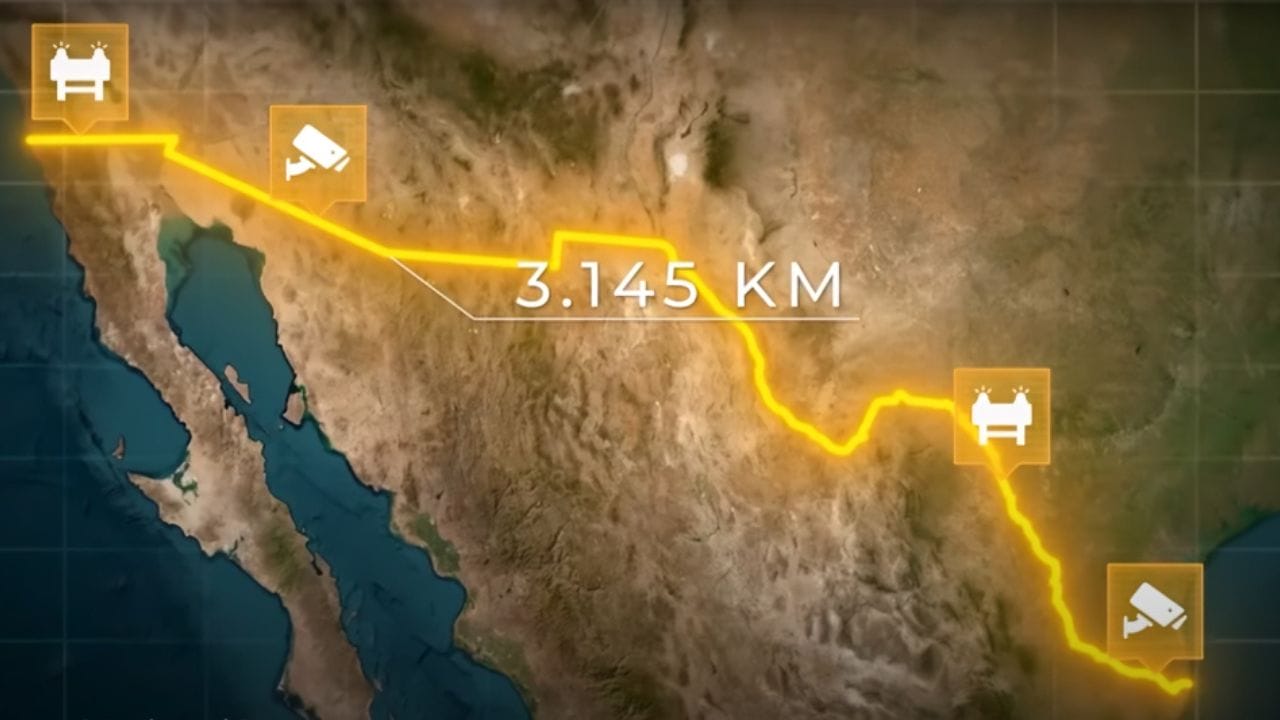
The 3,145 km Border Between Mexico and the United States Represents More Than a Geographical Division, It Symbolizes a Path Filled With Challenges and Dangers for Thousands of Immigrants Seeking a Better Life in the United States.
The border between Mexico and the United States, one of the longest and most monitored in the world, is a true labyrinth of physical barriers and logistical challenges for immigrants. The starting point of this arduous journey is often the El Muro region in La Playa, where a 9-meter-high wall extends 60 meters into the sea.
The journey begins in Tijuana, the second largest city in Mexico, located in the state of Baja California. Many immigrants attempt to cross the wall at the beach, as despite the barriers, it is one of the most accessible routes. However, the task is complicated by barbed wire and intense surveillance. In addition to the physical wall, immigrants face other barriers, such as inhospitable deserts and challenging mountains.
Geographical and Natural Barriers
The region of the Sonoran Desert and the Great Chihuahuan Desert, for example, are places where natural conditions act as geographical barriers. In contrast, in areas like the Rio Grande, which divides the cities of El Paso in the United States and Juarez in Mexico, the challenge is different. Here, immigration is controlled by intensive patrols and obstacles placed in the river, such as buoys and barbed wire.
-
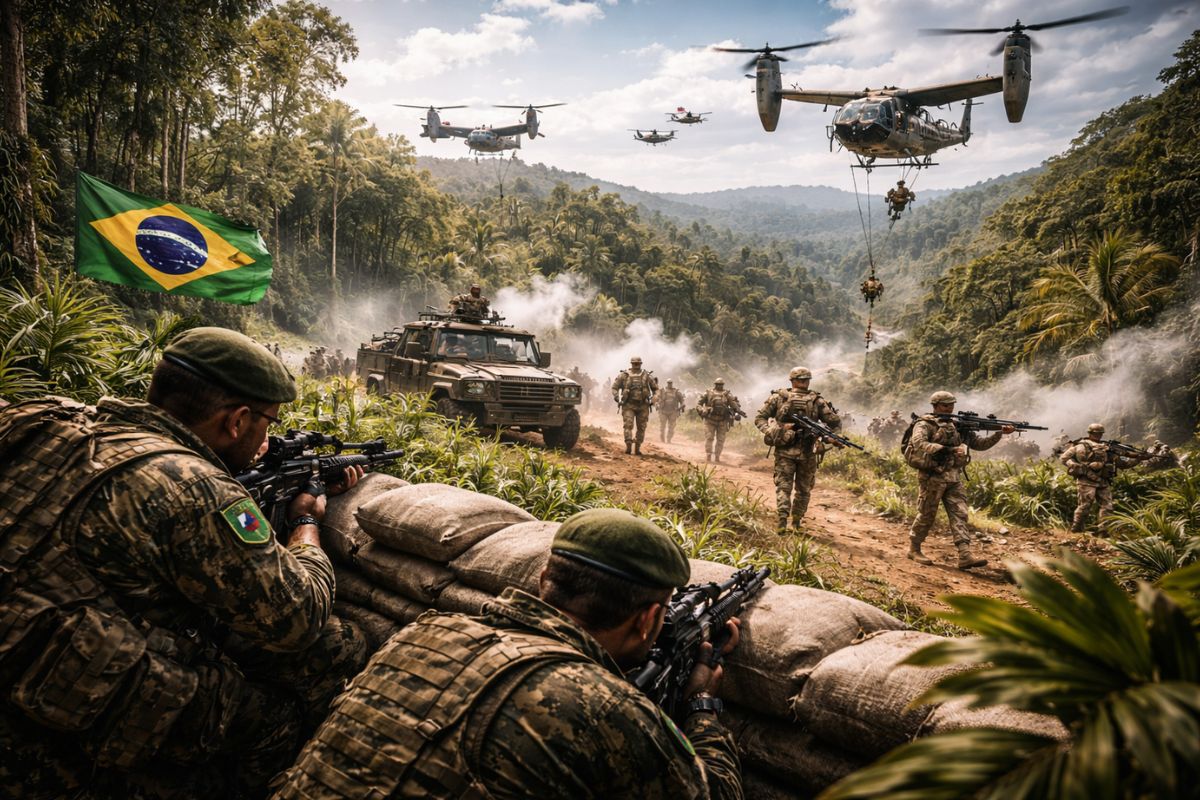
If the USA were to go to war with Brazil, Washington’s greatest fear would not be the attack itself, but facing a vast territory, prolonged resistance, and a costly, chaotic, and unpredictable occupation.
-
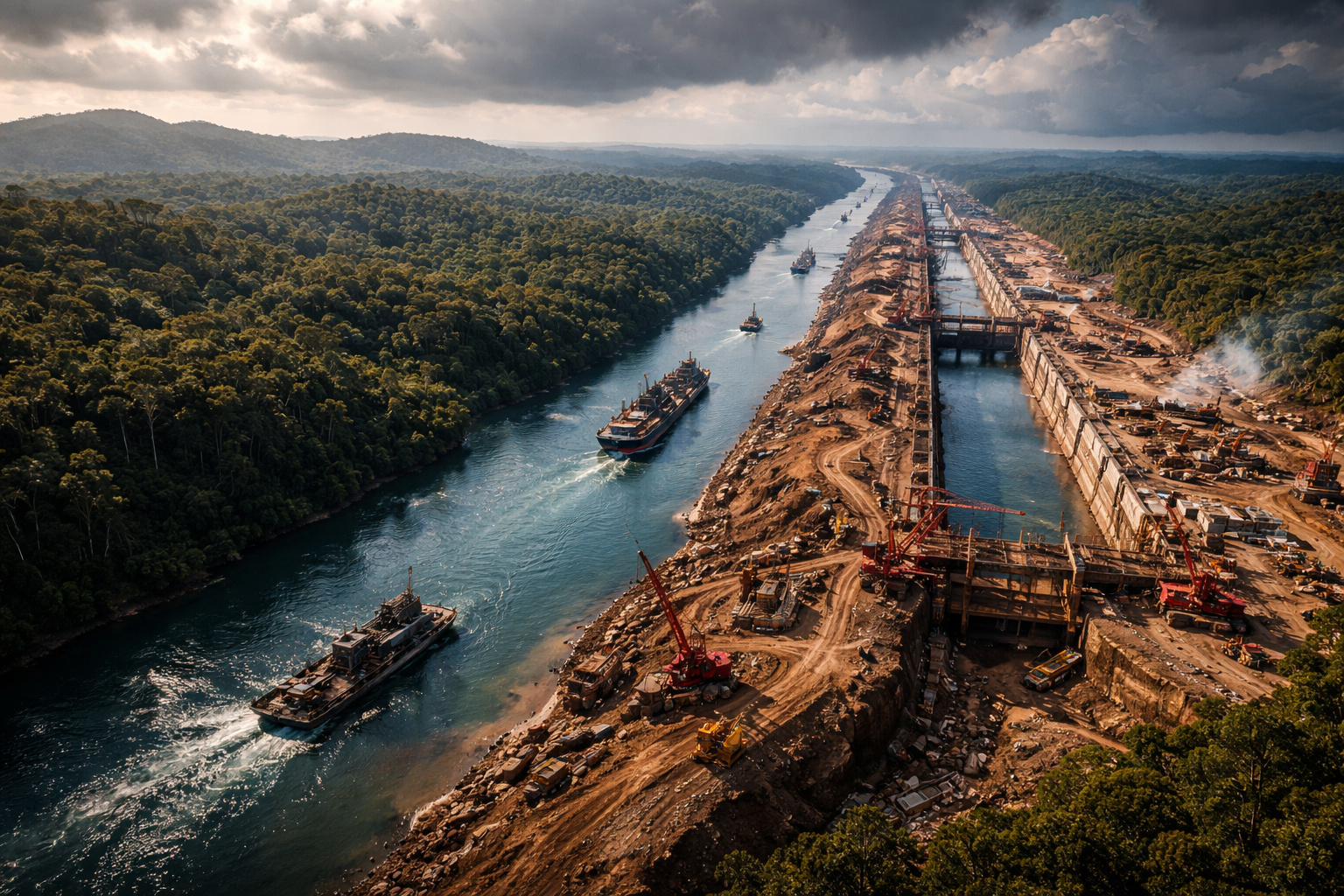
In 2013, Nicaragua sold the concession for a canal to rival Panama to a Chinese billionaire who lost 85% of his fortune, disappeared, and was declared bankrupt. Now the project resurfaces with a new route, a new Chinese partner, and a cost of $64.5 billion.
-
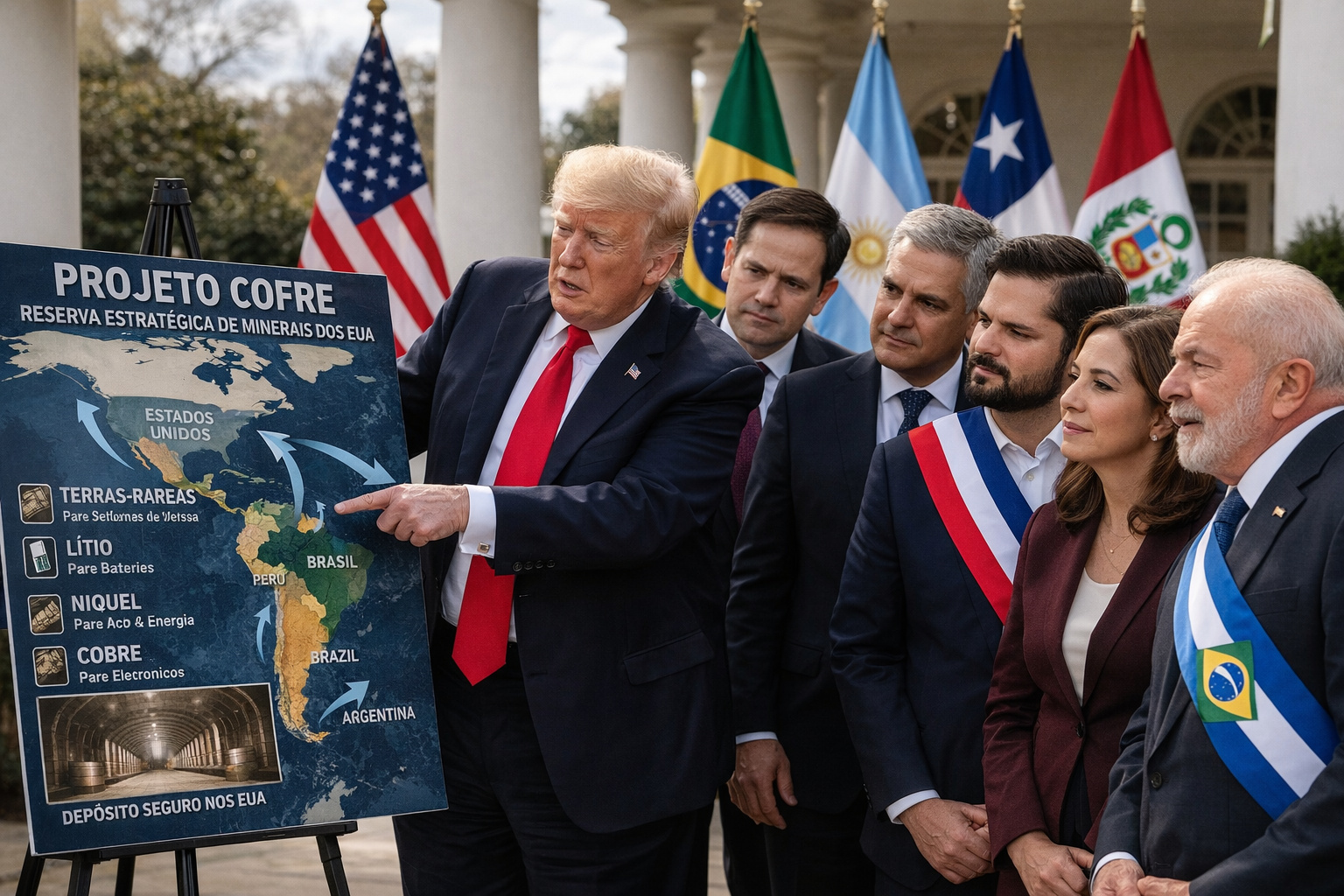
The USA announces a mysterious billion-dollar vault project to store critical minerals, but what intrigues experts is not just the plan itself, but why Latin America, including Brazil, has entered the center of this global dispute against China.
-
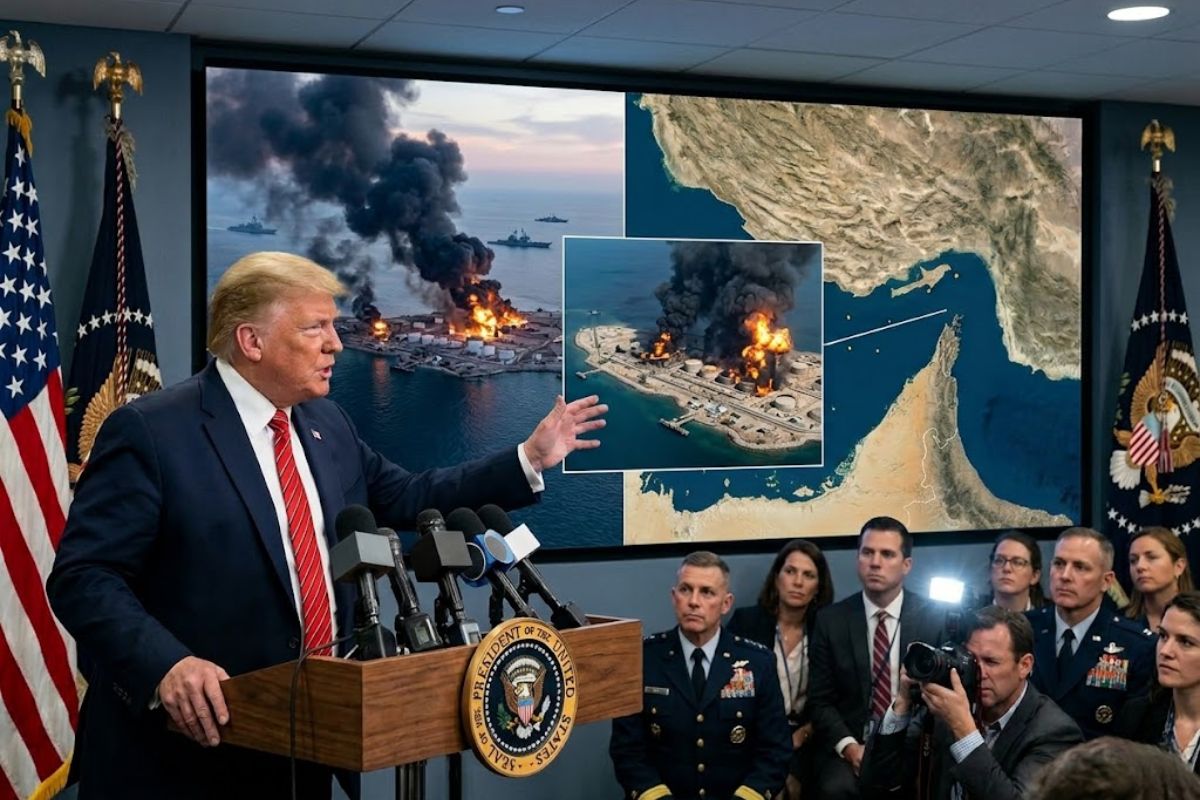
Trump Announces Bombing of U.S. Military Targets on Iranian Island Responsible for About 90% of Iran’s Oil Exports, Warns of Further Attacks if Navigation in Strategic Strait of Hormuz Is Threatened

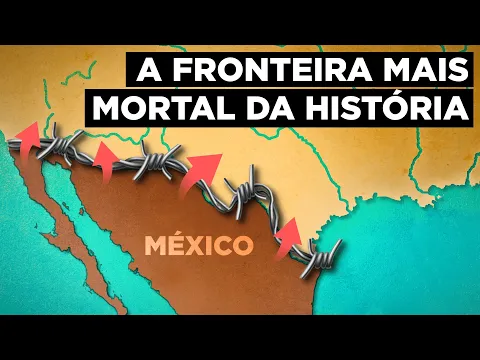

An intriguing aspect of this border is the alternation between heavily patrolled regions and inhospitable areas where hostile nature serves as a natural barrier. For example, the Texas Circle is a region of national parks and wild areas that, due to its arid nature and lack of inhabitants, discourages illegal crossing.
Immigration x Difficulties
Throughout the nearly 2,000 km that the Rio Grande traverses the two countries, immigrants face various difficulties, from flooded areas to considerable width ports. These natural challenges, combined with intensified security measures, make the Mexico-United States border one of the most dangerous and complex in the world for immigration.
The search for a better life in the United States is a journey filled with risks and uncertainties for many Latin American immigrants. The difficulties faced along this border are a testament to the adversities they are willing to confront in pursuit of a better future. This reality highlights the urgent need for humanitarian and effective solutions to the phenomenon of immigration in the region.








Seja o primeiro a reagir!