





 Portuguese
  English
  Spanish
  3 min of reading
  0 comments


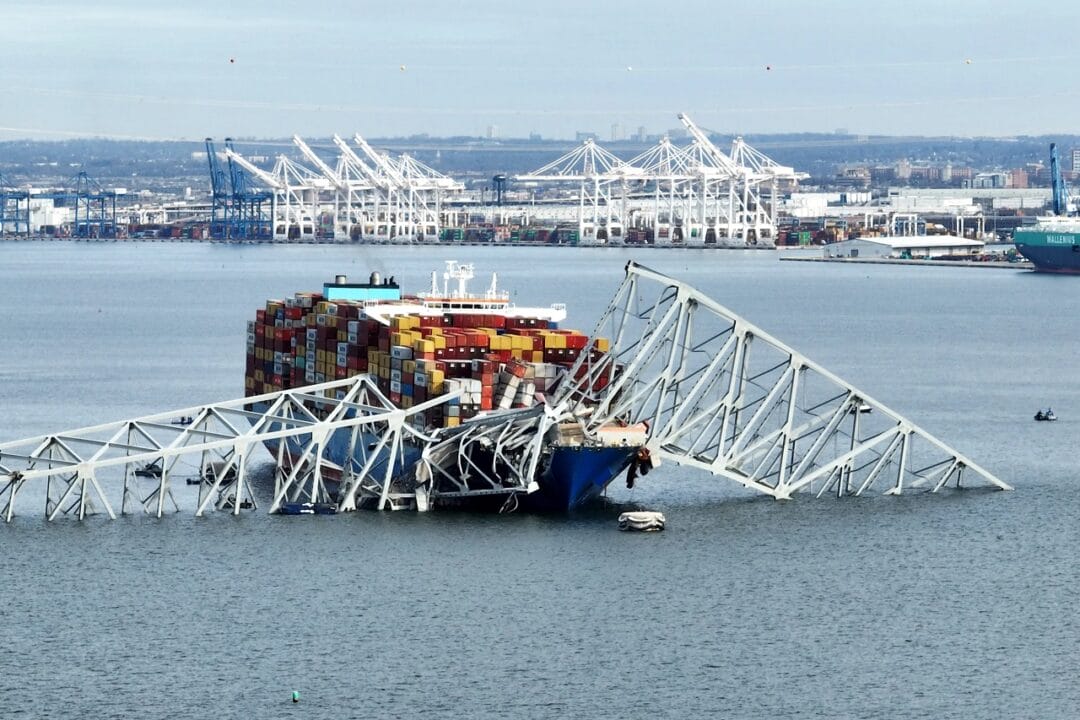
Bridge Collapses in Baltimore, USA: Cargo Ship Collision Causes Impressive Disaster, Diesel Spill Threatens the Environment
In a dramatic twist of events that captured global attention, the Francis Scott Key Bridge, an iconic landmark of Baltimore, Maryland, met its fate in the early hours of an otherwise ordinary Tuesday.
The collapse, caused by a collision with a cargo ship, is not just news; it is a story that speaks of resilience, danger, and the unexpected fragility of the infrastructure we take for granted.
The Shock: When the Bridge and the Cargo Ship Met
Everything happened so quickly, yet the impact will resonate for a long time. Around 1:30 AM local time, the calm of Baltimore was shattered. The bridge, that giant of steel and concrete serving as a vital artery of connection, was struck by a cargo ship – the Dali, coming from Singapore, bound for Sri Lanka. This collision not only challenged the physical integrity of the bridge but also our perception of safety and stability.
-
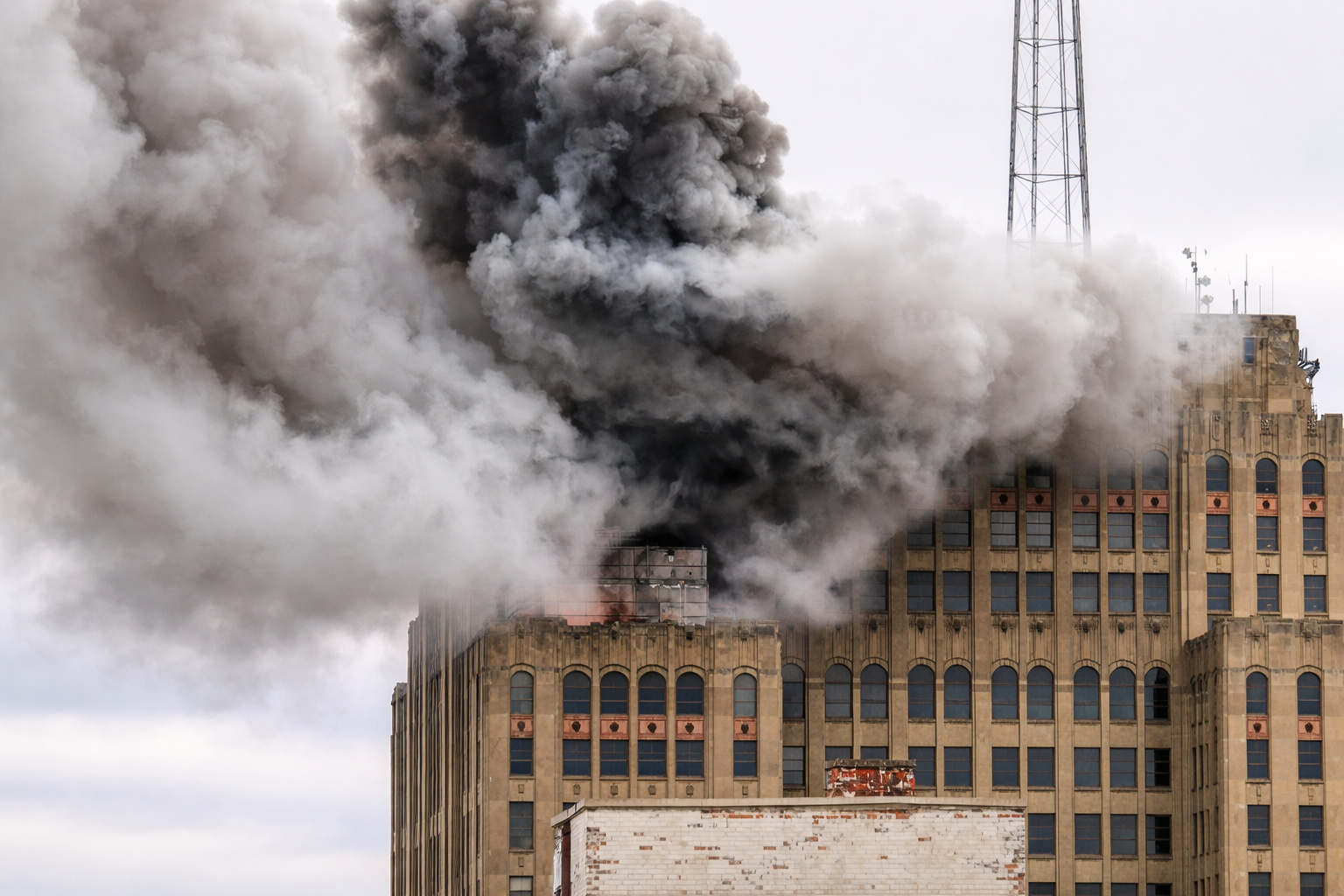
Historic building in the United States reports electrical fire, calls firefighters, and exposes an issue with an appliance that most Brazilians also have at home.
-
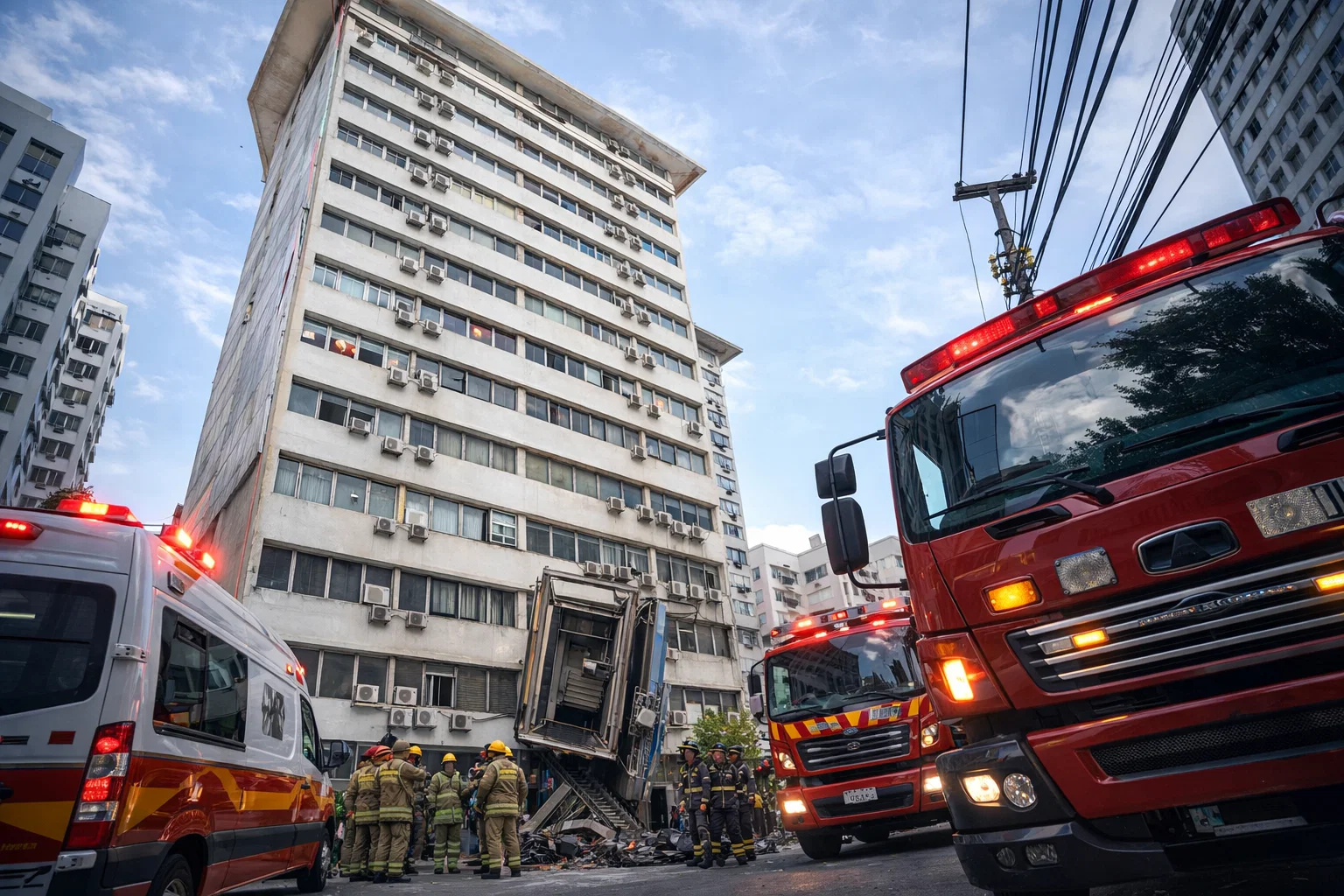
Elevator Plummets From Tenth Floor in Commercial Building in Recife, Raising Concerns About Safety and Engineering of Vertical Transport Systems Used Daily in Urban Buildings
-
Cyclist Hit by Car in Sobradinho, DF Is Rescued After Traffic Accident This Sunday

-
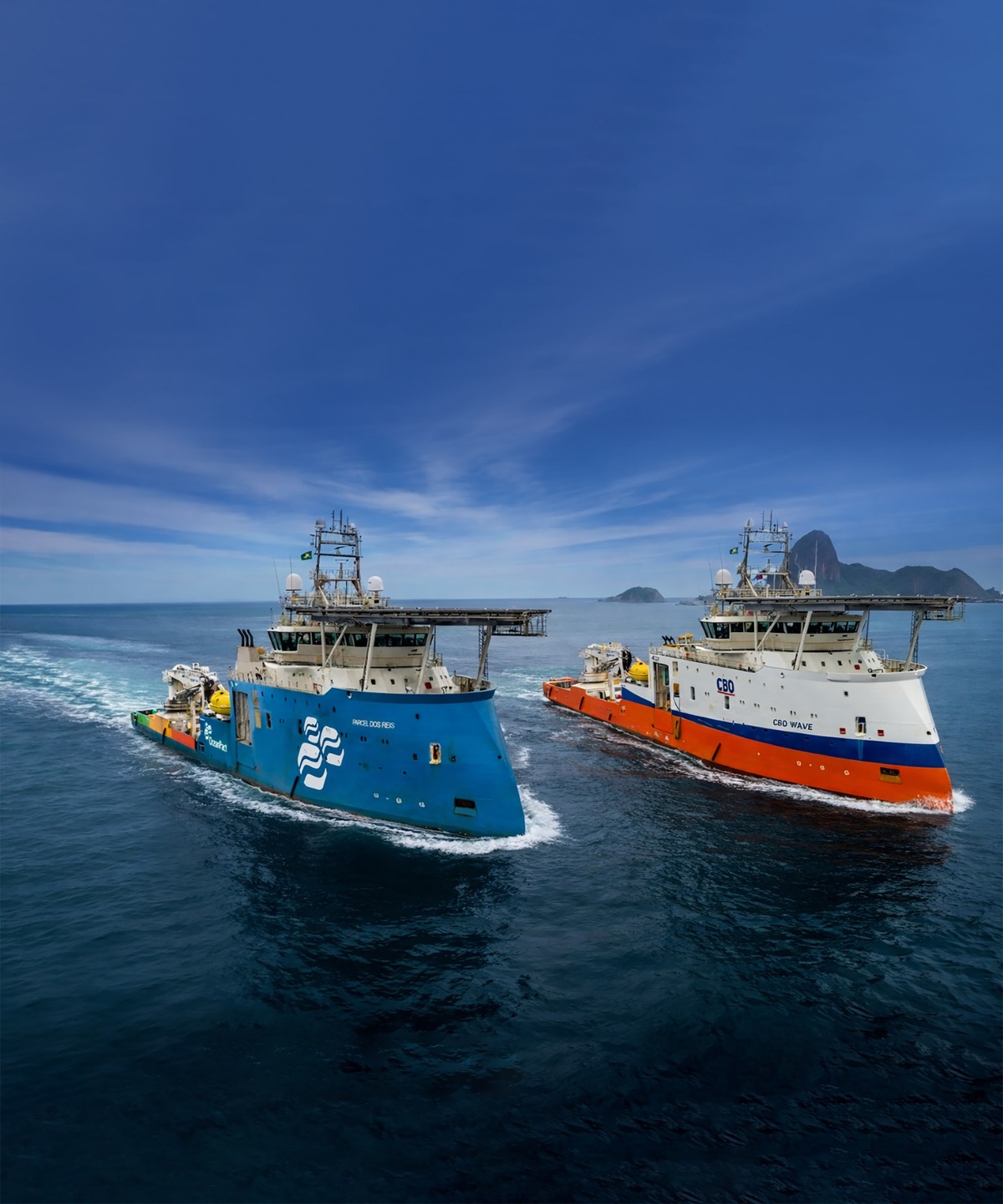
OceanPact Announces Acquisition of CBO and Creates One of Brazil’s Largest Maritime Support Structures with 73 Vessels, Annual Revenue Above R$ 4 Billion and R$ 14 Billion Backlog



The Moment of Terror: The Bridge Collapses
Captured live by a YouTube broadcast from StreamTime Live, the bridge’s collapse was not only visually stunning; it was a silent scream that echoed through the city and the world. The fall of at least 20 people and several vehicles into the cold Patapsco River was a grim testament to the unexpected, leaving all of us with our hearts in our throats.
The Race Against Time: Rescue and Resilience
Emergency teams, anonymous heroes of the night, were quickly mobilized. The dangerously low water temperature, around 9ºC, added a layer of urgency to the rescue. The risk of hypothermia was real, pressuring divers and rescue teams to act with speed and precision. Meanwhile, the presence of diesel in the water, leaking from the ship, painted a concerning picture for the environment.
Ongoing Investigations: Seeking Answers
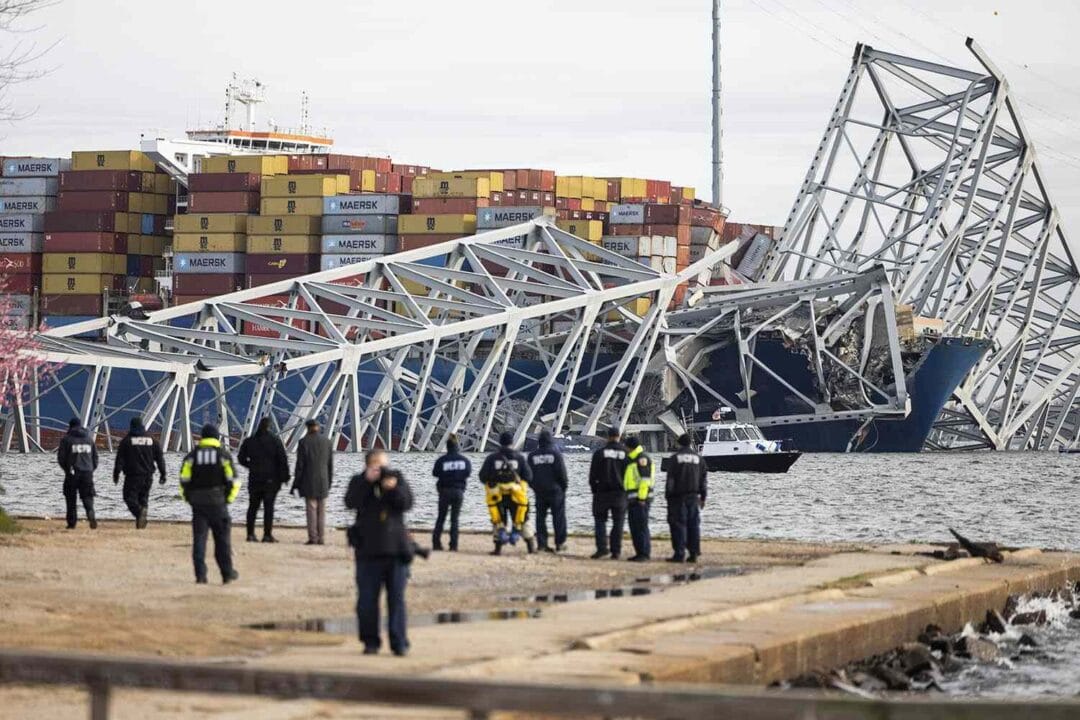
The Synergy Marine Group, responsible for the Dali ship, along with local authorities, has embarked on a detailed investigation. The goal? To understand the circumstances that led to this tragic event. All crew members have been located and are safe, a small relief amid the chaos. But the questions remain: How could this happen? And how can we prevent it from happening again?
Social media has become a sea of videos and speculations, ranging from informative to theoretical. Baltimore, and by extension, the world, paused to observe, reflect, and inevitably question. Among conspiracy theories and witness accounts, one truth remains: the bridge we knew no longer exists.
Looking to the Future: What Have We Learned?
This event, though tragic, offers us a learning opportunity. The infrastructure that supports our daily lives is not infallible. The need for maintenance, vigilance, and above all, respect for the power of nature has never been so evident.
The collapse of the Francis Scott Key Bridge is a cautionary tale, but also one of hope. In the debris, we find the strength to rebuild, not just concrete and steel bridges, but also the trust in safety and care we must have for one another. As Baltimore rises from the waters of the Patapsco River, the spirit of community and determination has never been stronger. This is not just the end of a bridge; it is the beginning of a new journey, together.









Seja o primeiro a reagir!