





 Portuguese
  English
  Spanish
  4 min of reading
  0 comments



Explorer Discovers Tons Of Rare Cars Still Scattered Across The Fukushima Exclusion Zone, Years After The Fukushima Nuclear Disaster
The tragedy of the Fukushima nuclear disaster, which shook Japan in 2011, left a deep mark not only on human lives but also on the cultural and even automotive landscape of the region. The story of the exclusion zone surrounding the nuclear plant is marked by tales of abandonment and deterioration.
Among the forgotten objects, a collection of high-performance Japanese cars, known as JDM (Japanese Domestic Market), rests as a silent memorial. These iconic vehicles, once symbols of speed and innovation, are now at the mercy of nature, in a relentless process of decay.
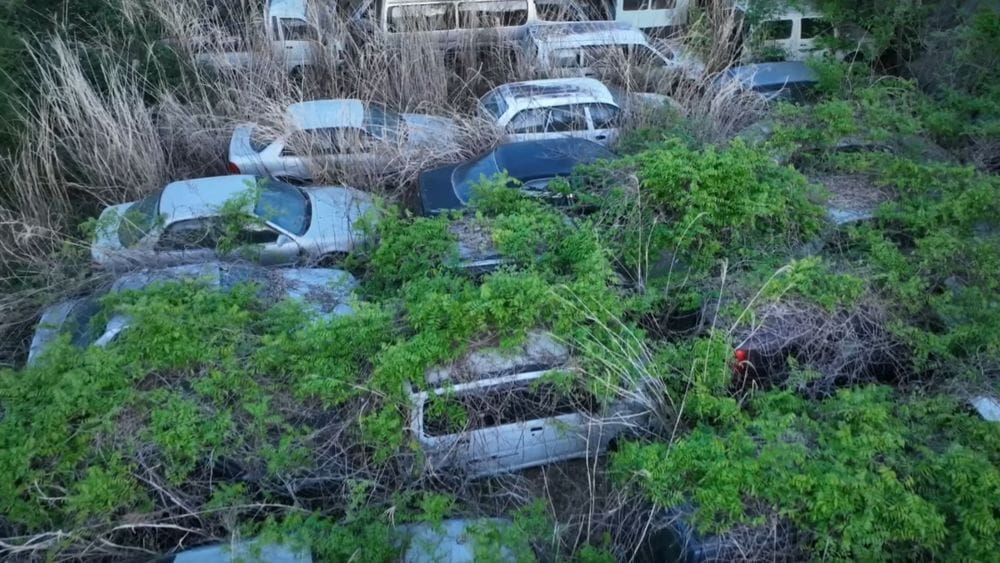
For automotive enthusiasts, these cars represent much more than mere machines. They are true relics of a culture passionate about performance and cutting-edge engineering. Legendary models like the Nissan Skyline and the Mitsubishi Evo VII, which once roared through the streets, are now covered in rust and ensnared in vegetation driven by the Fukushima nuclear disaster.
-
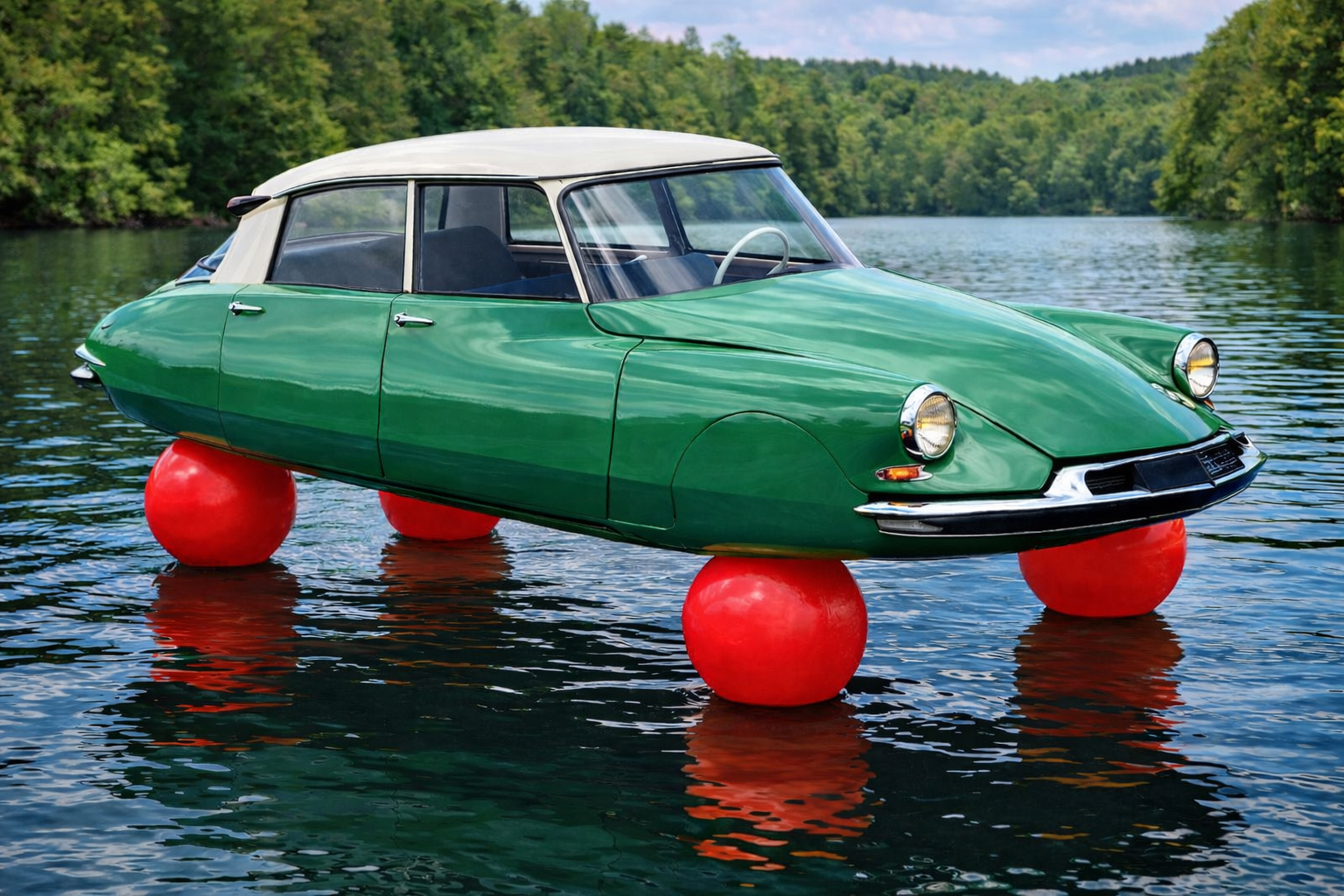
A French brand placed a car on four huge red balloons to prove that its suspension made the vehicle “float,” and the surreal scene became one of the most iconic and unusual images in automotive history.
-
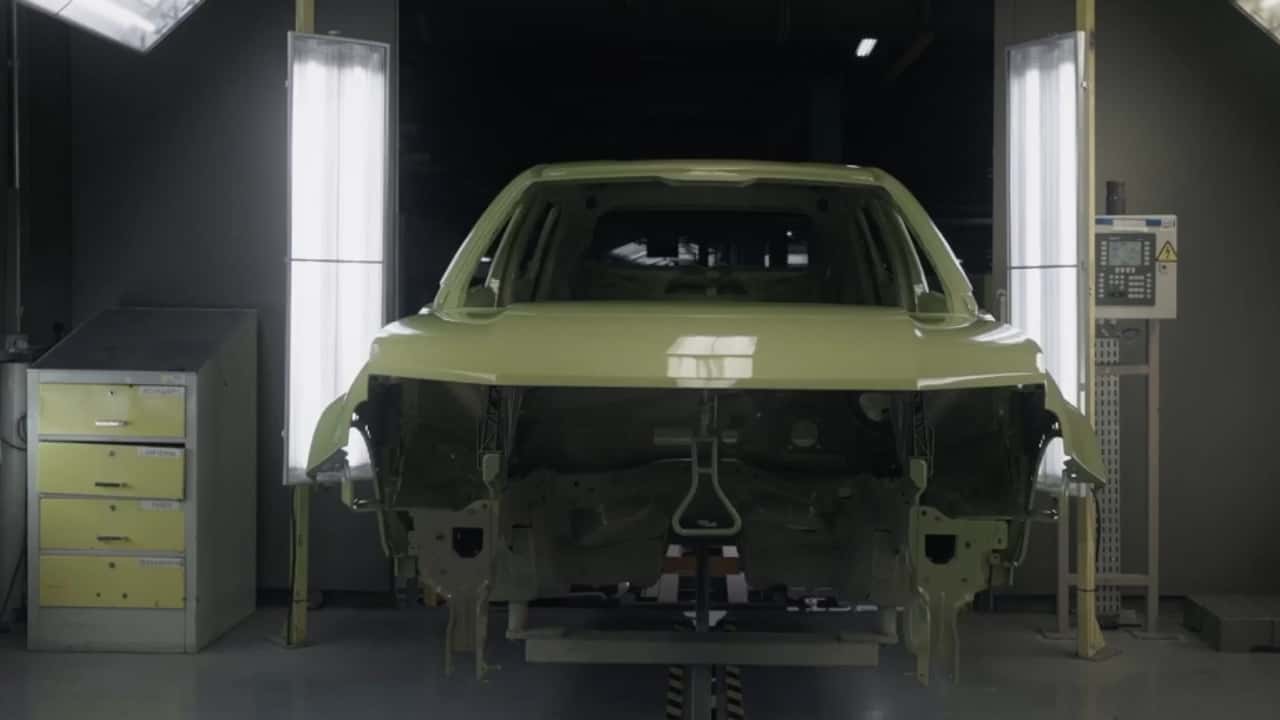
Jeep Avenger begins production in Brazil, debuting as the brand’s new entry-level SUV and inaugurating an unprecedented phase by becoming the first national Jeep manufactured outside of Goiana, as part of a R$ 3 billion plan.
-
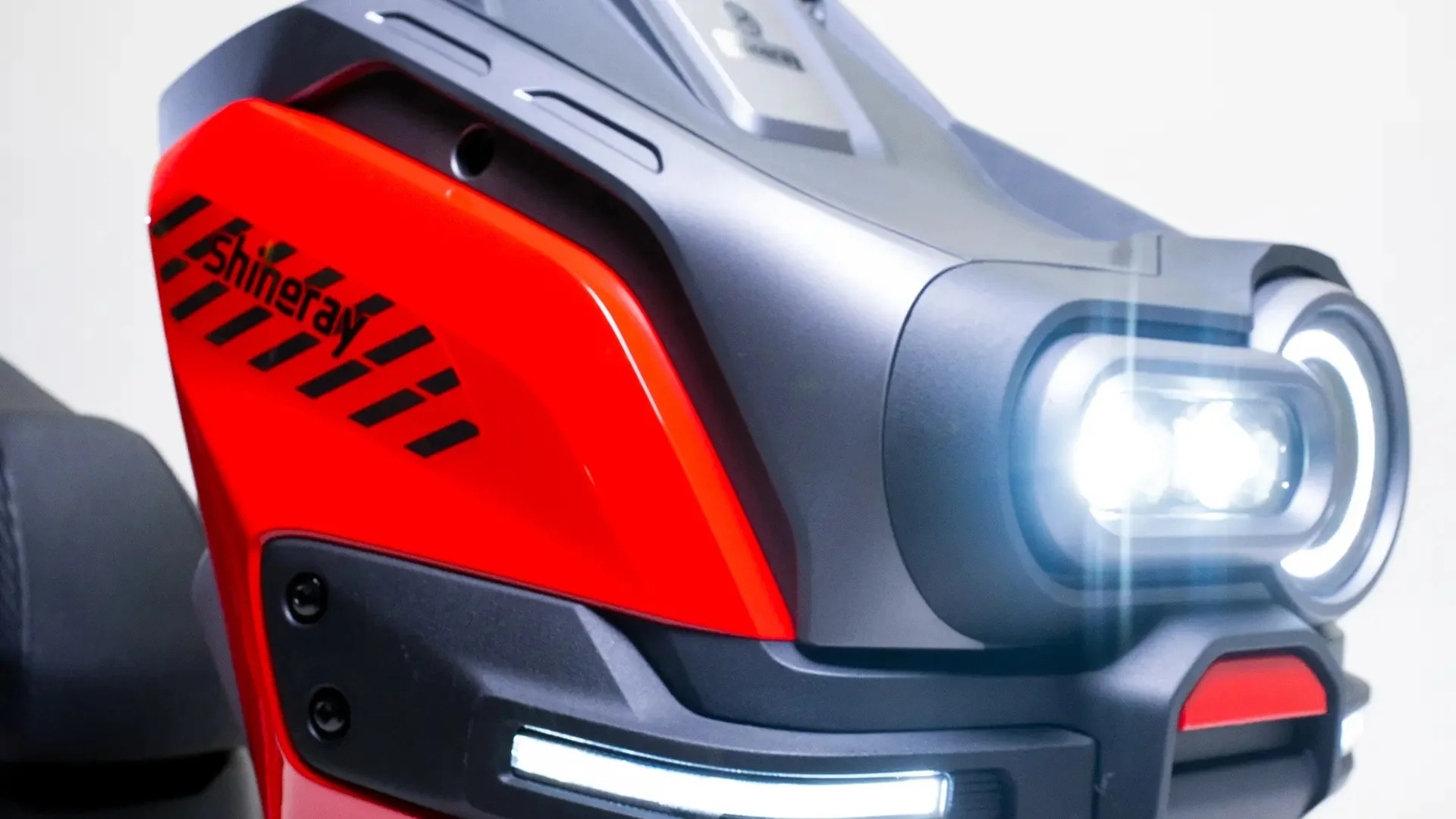
Costing R$ 12,490, the new Shineray Urban Lite 150 “cheap one” arrives in Brazil with a CVT transmission, digital dashboard, and LED lights, making it more affordable than the Biz and targeting those who want to abandon the bus.
-
Ducati brings to Brazil the Superleggera V4 Centenario: 228 hp that become 247 with a track kit, carbon fiber and carbon-ceramic brakes, estimated price between R$ 1.5 and 2 million, deliveries only in 2027.


Urban explorers and YouTubers, such as the channel “Exploring with Fighters“, revisit these areas of the Fukushima nuclear disaster to document the condition of these cars, revealing a disturbing view of how time and nature can transform what was once grand into mere shadows of what it used to be.
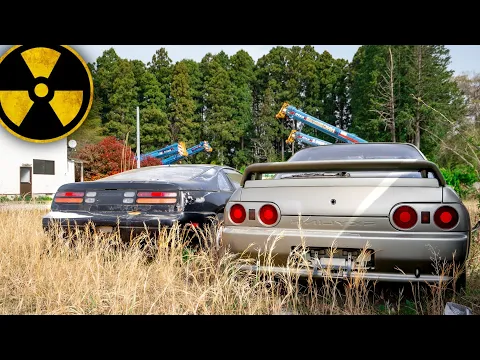

The Surreal View Of The Fukushima Nuclear Disaster
On a recent exploration of the exclusion zone, a group of enthusiasts found Japanese vehicles and even abandoned European luxury cars, creating an almost surreal scene. Imagine finding a red Honda S2000, a coveted sports car, stranded, slowly engulfed by vegetation.
Nearby, a Mitsubishi Evo VII disappears among the tall grass, its body consumed by corrosion. For car lovers, the scene is heartbreaking.
The presence of these abandoned vehicles becomes even more significant when we notice their diversity. In addition to Japanese models, there are also European luxury vehicles and even a military fire truck from the USA, reflecting the international presence during the disaster.
These vehicles, left to their own devices, have become a poignant reminder of how negligence and the relentless power of nature can destroy what was once a source of pride.
Abandoned Cars And The Challenges Of Radiation
For those wondering why no one has retrieved and restored these cars, there are several reasons for this situation. One is the radiation itself. Vehicles exposed to radiation can become radioactive, and any attempt to export them faces legal and safety barriers.
The Japanese customs, for example, require that vehicles emit a radiation level below 0.3 microsieverts to be exported. In some cases, cars in Fukushima exceed this limit, becoming true health hazards.
This level of contamination creates a phenomenon called radiation hardening, where certain metals exposed to radioactive material become harder while simultaneously more brittle.
This process leads to cracks and deformations over time, further compromising the integrity of the vehicles. Thus, even if there were means to remove these rare cars from the exclusion zone, their current condition would hinder restoration efforts.
Sinister Tourist Attraction
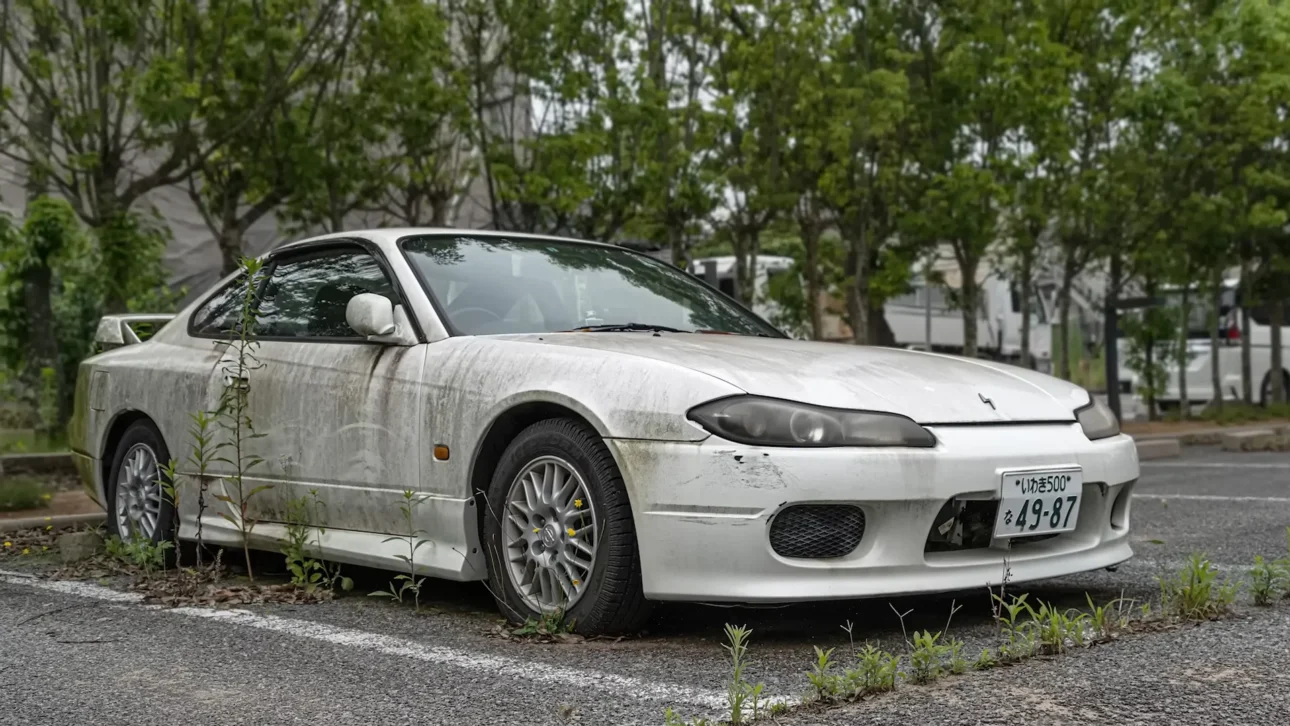
Despite the risks, the Fukushima exclusion zone has become a destination for urban explorers and automotive enthusiasts seeking to witness this scene of abandonment firsthand.
The channel “Exploring the Unbeaten Path” recently shared a visit to the area, showcasing to the international audience a collection of rare cars that will inevitably succumb to the elements or be destroyed.
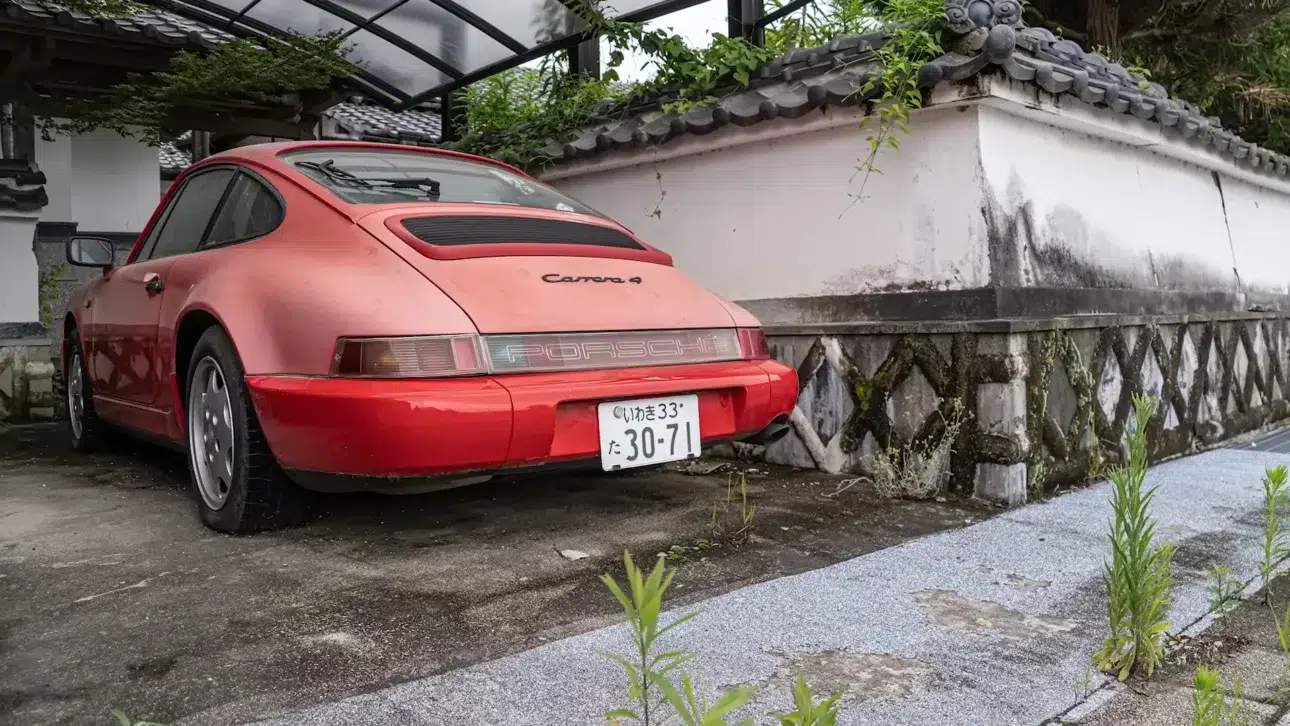
The explorers’ adventure revealed vehicles such as the Toyota Crown Comfort, Suzuki Jimny, Mitsubishi Evo VII, R32 Skyline, Z33 Nissan 300ZX, S15 Nissan Silvia, MK4 Toyota Supra, Mazda P600 Carol, AW11 Toyota MR2, among other models beloved by fans of rare JDM cars.
For any automobile lover, seeing these vehicles left outdoors, amid tall grass and dirt, is a simultaneously fascinating and painful experience.
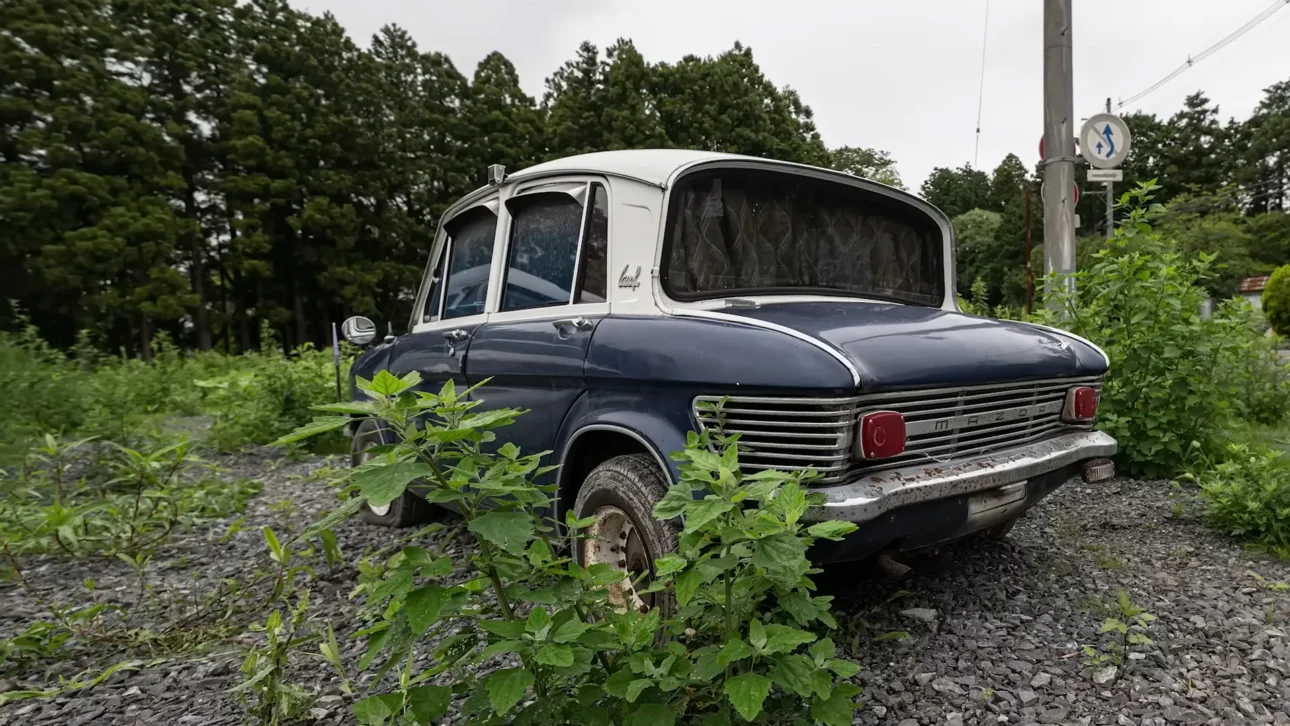
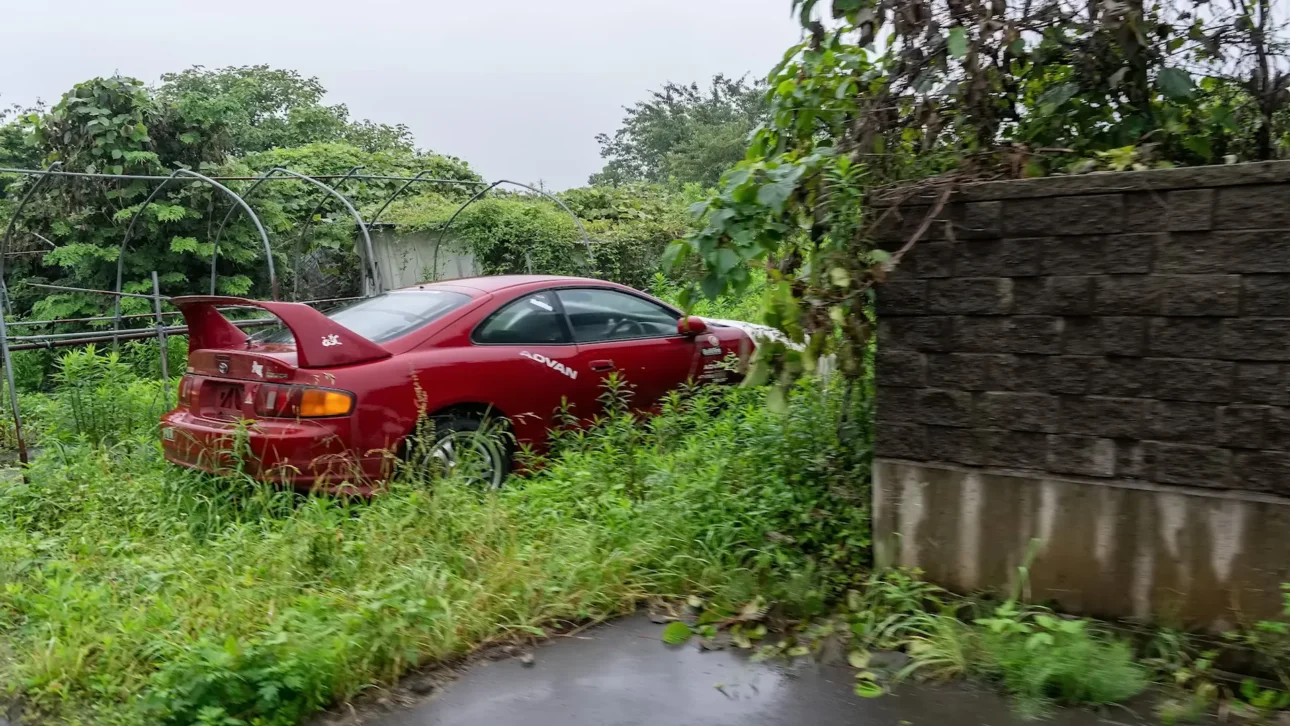
Fukushima And The Symbolic Value Of Abandoned Cars
These vehicles are not just forgotten machines; they are witnesses to a tragedy. Each car tells a story of pride and passion for speed. They were admired and cared for by their owners, who drove them through the streets with enthusiasm. Now, these vehicles find themselves in a corner of Japan, awaiting an uncertain fate.
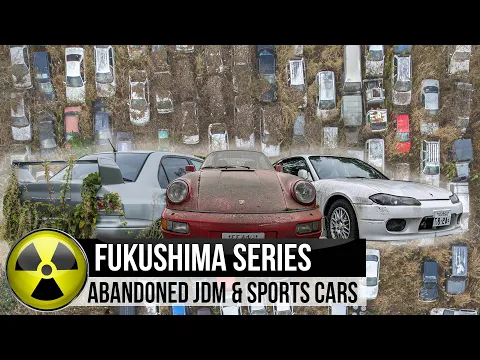
These abandoned vehicles will continue to deteriorate, slowly transforming into mere rusted shells. But for those who have the chance to visit them or see the images that urban explorers share, they will remain as a silent testament to a glorious era that has passed.
More than any lesson, they remind us of how essential it is to recognize our own vulnerability and responsibility, not only in the field of technology but in our relationship with the world around us.
Thus, by seeing these relics, we can learn something valuable about our own condition: what we build may be extraordinary, but it will never be beyond the reach of time, nature, and the consequences of our own actions.










Seja o primeiro a reagir!