





 Portuguese
  English
  Spanish
  4 min of reading
  1 comment


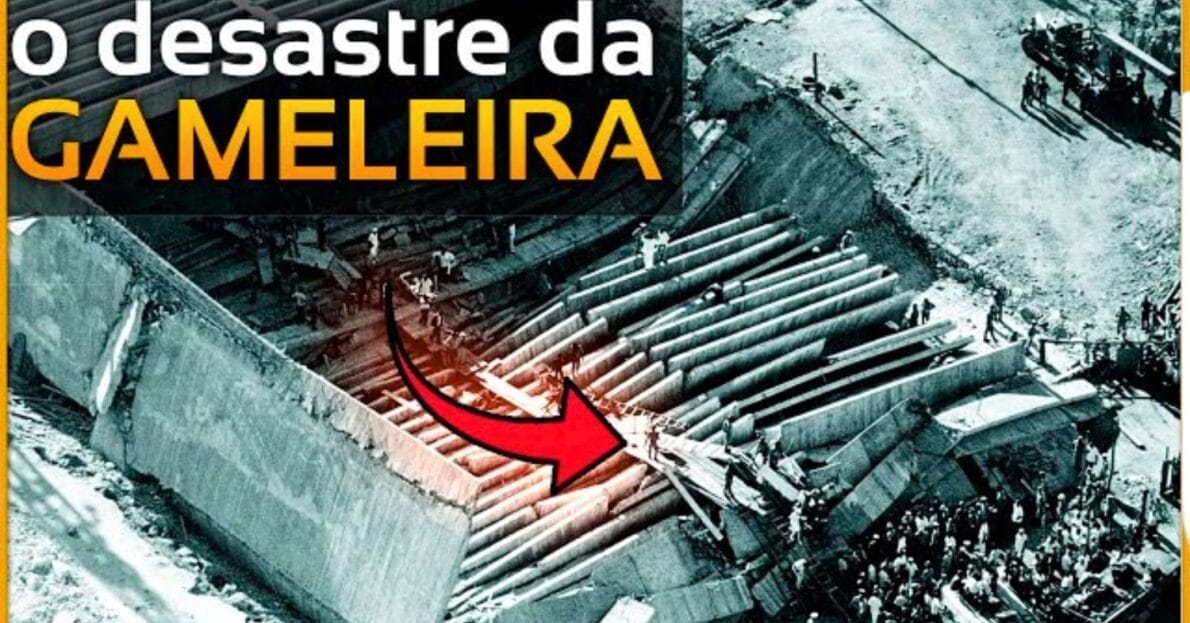


Tragedy That Marked History: Collapse of the Gameleira Pavilion Leaves 69 Dead and 119 Buried, Redefining Safety Standards in Brazilian Civil Construction.
The biggest tragedy in civil construction in Brazil. In 1971, a devastating collapse shook the and generated the GAMELEIRA disaster in Belo Horizonte, designed by the famous Oscar Niemeyer and engineer Joaquim Cardoso. 119 people buried. 69 died. The accident forced a radical change in construction standards, resulting in the NBR6118 – one of the safest in the world. The story reveals the crucial importance of work safety and technical knowledge.
Oscar Niemeyer’s Projects and the Biggest Tragedy in Civil Construction in Brazil
Oscar Niemeyer’s projects are spread throughout the country and have entered history, but today we will talk about a work that he surely wanted to forget. The Gameleira Pavilion in Belo Horizonte, Minas Gerais, which for many years was considered the biggest tragedy in civil construction in Brazil. Want to understand what happened with this project? After all, what were the causes of this collapse that claimed the lives of dozens of people?
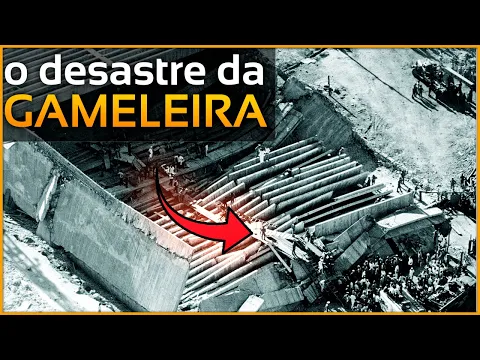

The Project of the Exhibition Palace and the GAMELEIRA Disaster
In 1971, a reinforced concrete project caught the attention of the entire country. The work, named Exhibition Palace, would be the largest of its kind in Latin America, with over 7,300 square meters of built area.
-
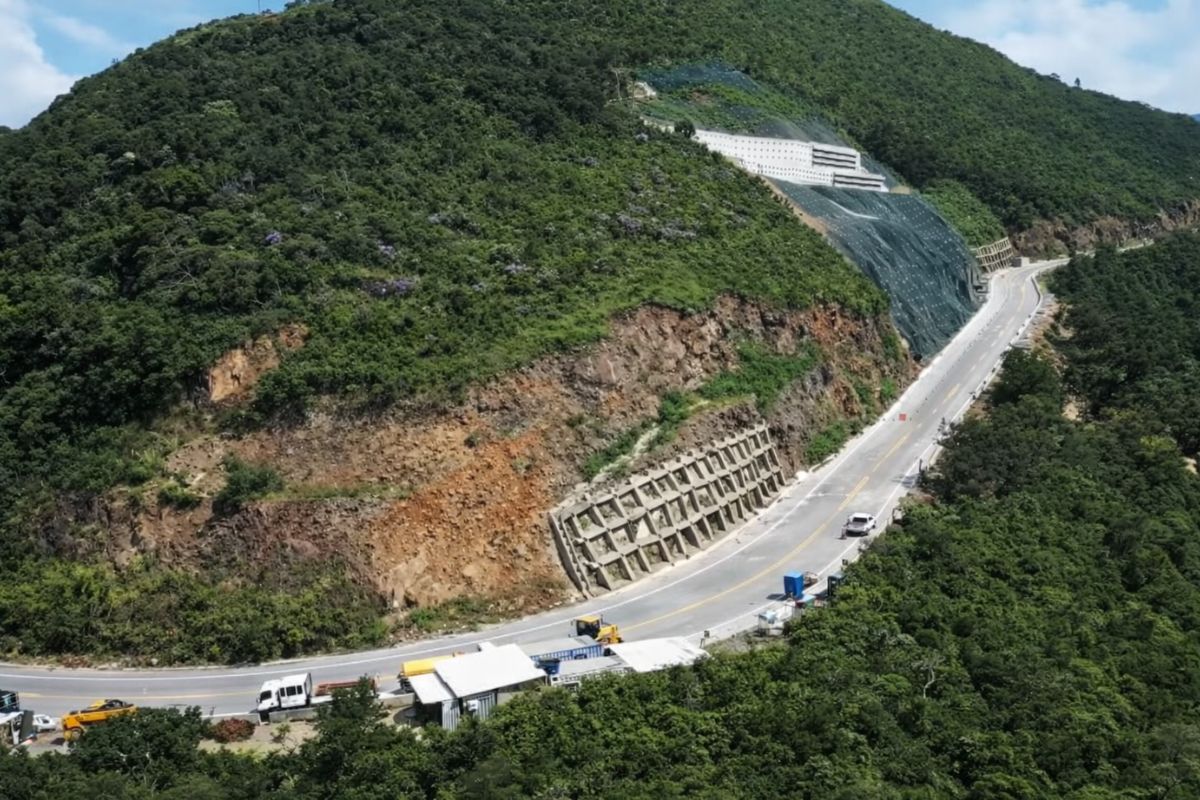
The section of Serra da Rocinha on BR-285 is now open in Timbé do Sul: 50 m tensioned curtains and top-down technique stabilize the slope, with a stairway duct controlling the water.
-
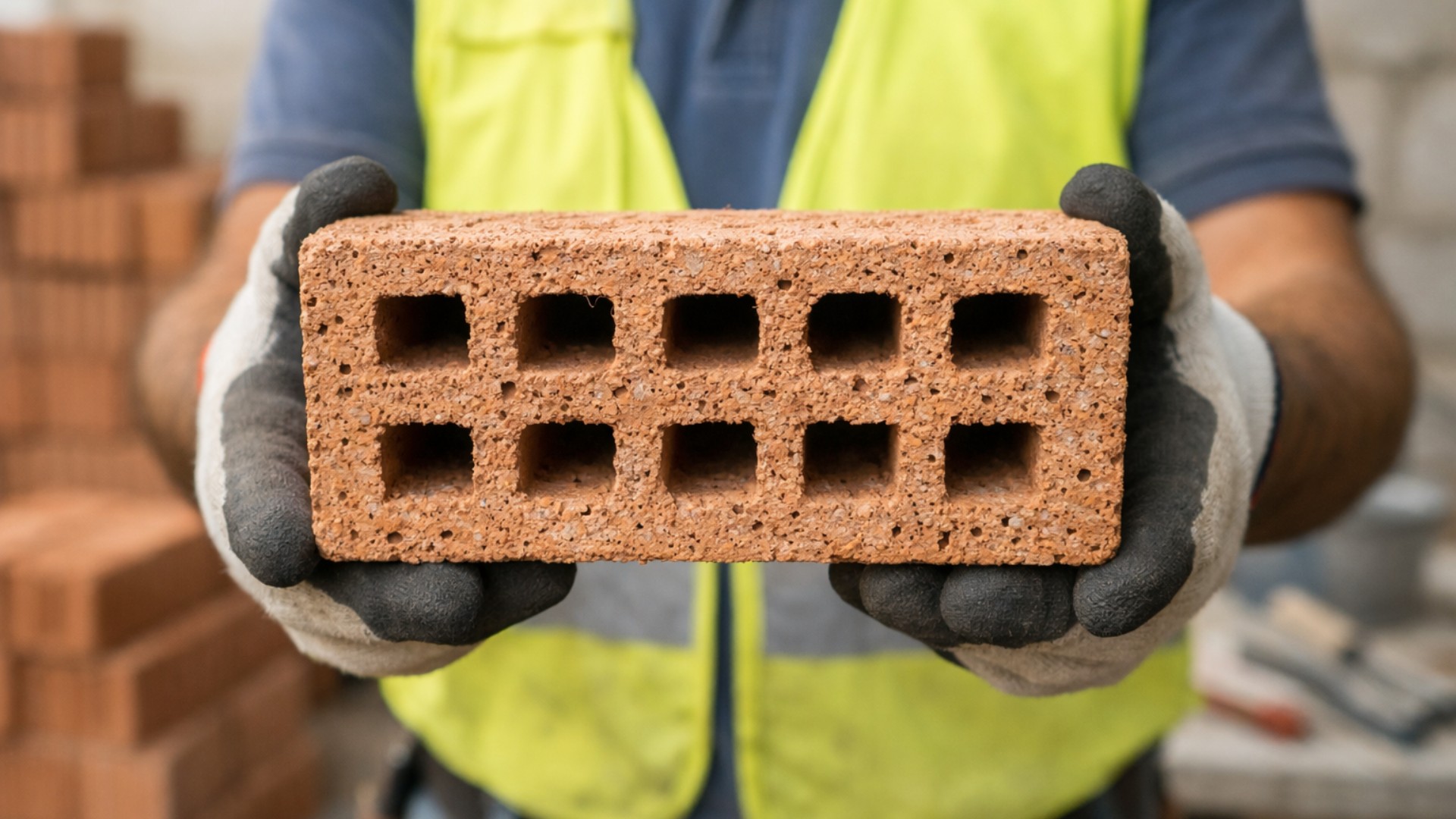
Scientists use sawdust mixed with clay to create a lighter brick, promising efficient thermal insulation and impressing by transforming waste into a solution for construction.
-
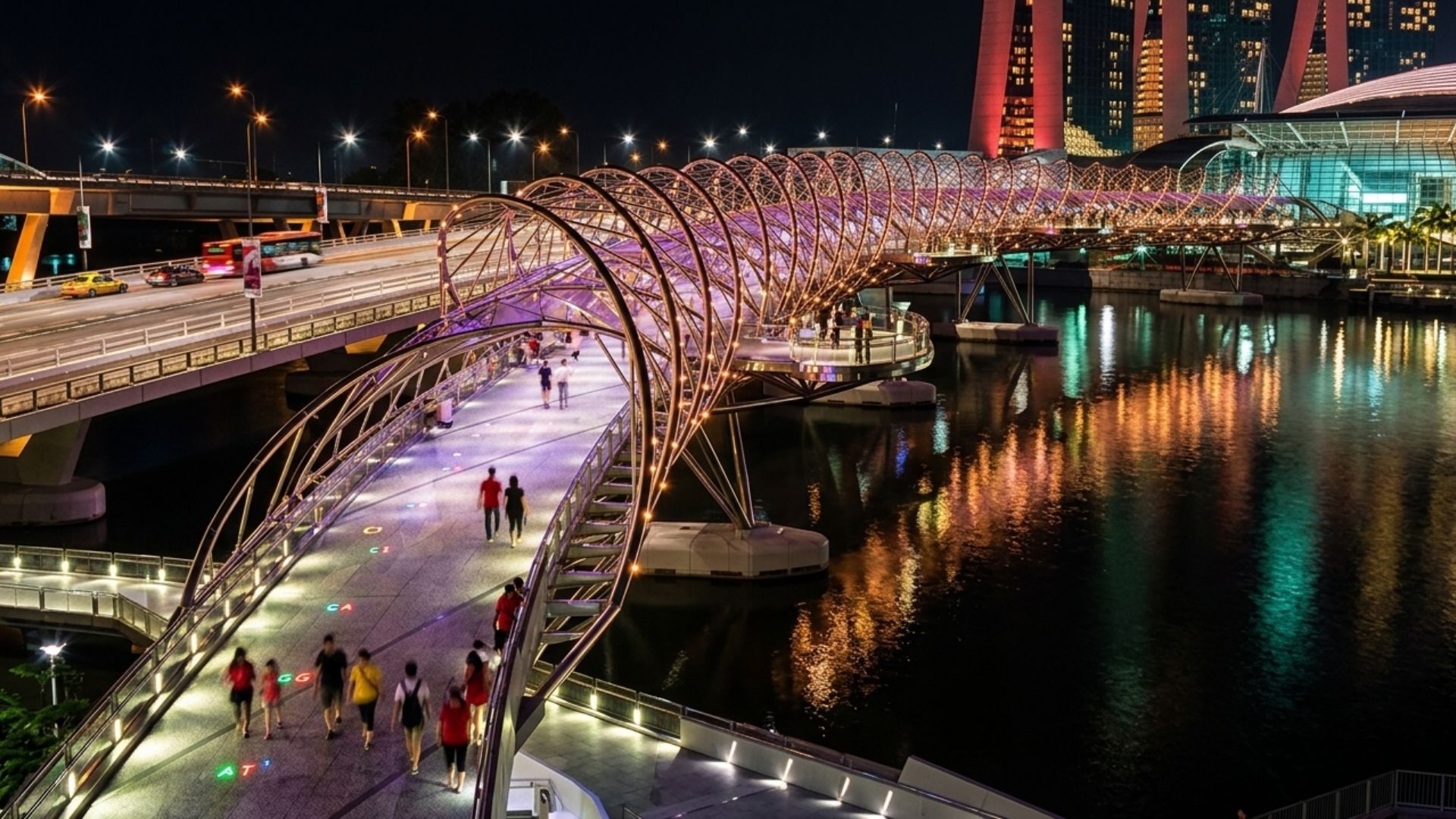
With a DNA shape, this bridge in Singapore draws attention in modern architecture and surprises tourists by transforming a simple crossing into an unforgettable visual experience in the urban heart.
-
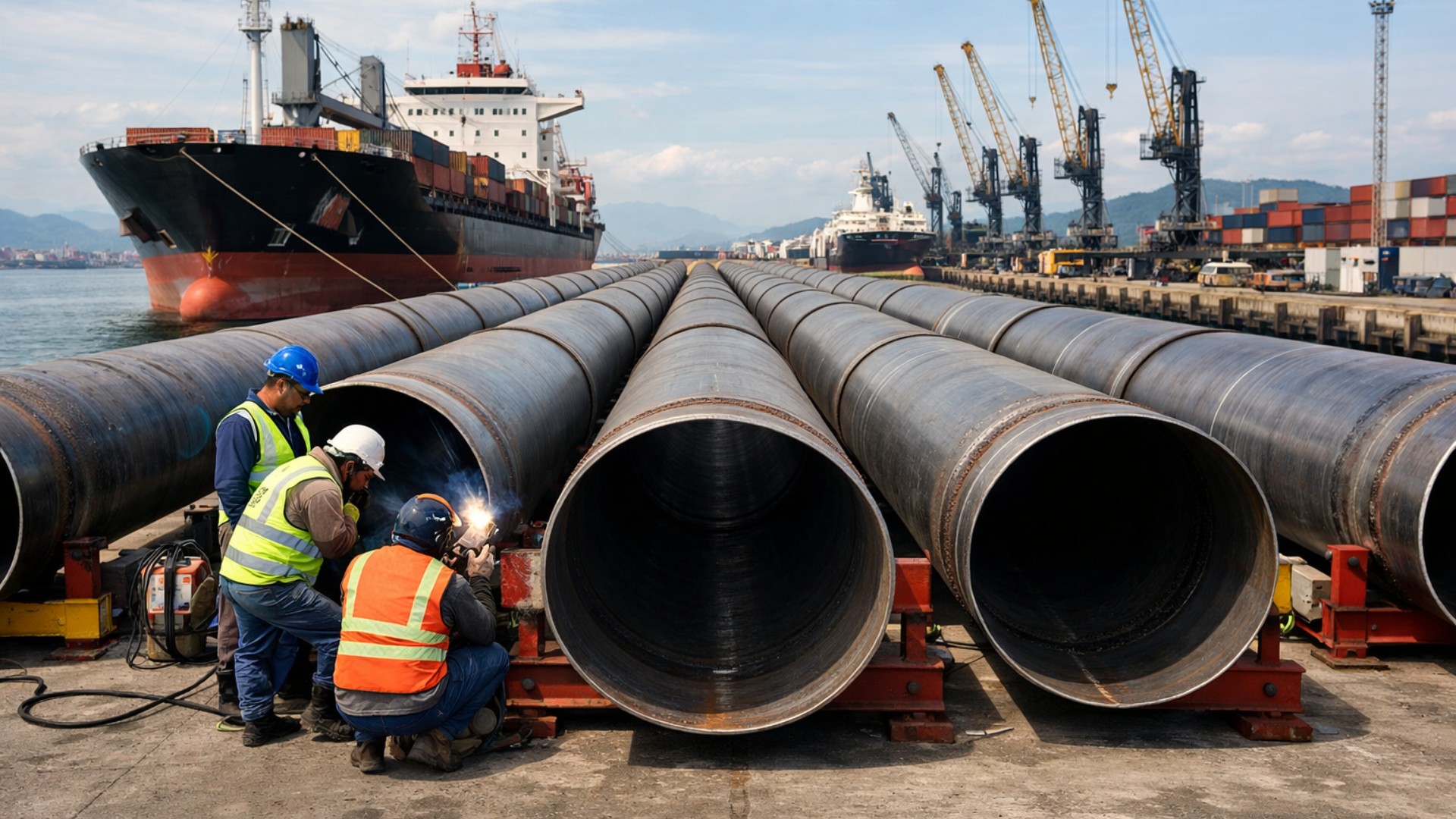
Giant underwater pipeline begins to take shape with a R$ 134.7 million project at the Port of Santos: the 1.7 km structure uses 12-meter and 700 mm pipes to supply water to 450,000 people in Guarujá.

The project was bold. Completely designed in reinforced concrete, it had free spans of 65 meters and wall beams of 9.80 meters high in the longitudinal direction and spans of 30 meters in the transversal. All of this on just ten pillars, five on each side of the structure. The project was signed by Niemeyer and calculated by engineer Joaquim Cardoso.
The work gained even more notoriety on February 4, 1971, when an entire session of the pavilion collapsed, burying 119 people, of which 69 died. The tragedy was considered the biggest workplace accident in terms of victims until the events of Brumadinho, in 2019. But after all, what could have happened for a work of this magnitude to collapse like that? More than 50 years later, there is still much controversy.
The Causes of the GAMELEIRA Disaster – The Biggest Tragedy in Brazilian Civil Construction
There are specialists who say that the causes were due to settlements in the foundations, executed with compressed air caissons, where the largest load exceeded 2,800 tons. But today, the engineering community agrees that the foundations or soil were not responsible for this tragedy.
Could it then be the project? Although this event ended the career of engineer Joaquim Cardoso, it has been proven that the structural designs he developed were 100% correct and had nothing to do with the collapse. Completely shaken, he ended his career after the tragedy and died shortly afterward.
Errors in the Execution of the Gameleira Project
Stricter analyses revealed several errors in the execution of the project, which in the final report was cited as a probable cause for the events. Various changes to the project, such as concrete strengths and a change in the type of steel, from CA50 calculated in the project to CA25, with half the strength, were fundamental factors for the events of 1971.
In addition to a sudden change in the Gameleira construction schedule, where in an attempt to hasten the inauguration, the removal of the formwork from the slabs and beams began before the complete curing of the concrete, and the removal was done in the reverse order to what was recommended, from the supports towards the center, when the correct method is from the center towards the supports, to avoid high tensions at the center of the span.
The Attempt at Compensation and Its Effects
In an attempt to compensate for the reduction in the strength of the steel, the construction company doubled the number of bars, leaving little space for the concrete, where in various photos it is possible to see that the connection between the pillars and beams lacks adhesion between the concrete and the steel bars, which was certainly one of the main factors that led to the collapse of the structure.
These events were responsible for a true turning point in the Brazilian engineering community. From then on, the first national standard for concrete works, NB01, was completely reformed, considered the mother standard of reinforced concrete, now replaced by NBR6118, which establishes clear rules for works of this type, recognized as one of the most comprehensive and safe in the world.
The Importance of Following the Project to the Letter
This accident could have been avoided if the executors had followed the project to the letter. It is crucial for engineers to closely monitor the works and possess a deep knowledge of safety standards to prevent this kind of tragedy.
Frequently, pressure for deadlines leads to decisions that compromise quality and safety. Professionals should not give in to external pressures that may put lives at risk. Excellence in construction does not end with placing the last stone; it continues with regular maintenance and inspection of the structures.
Your Opinion Matters
But what about you, did you know this work? Do you agree with the reasons pointed out by the reports? Leave your opinion in the comments.









As obras públicas são as obras que mais acontecem problemas, porque existe a corrupção de quem contrata e também da empresa que executa a obra, tudo para poderem ganhar mais ou favorecer algum politico. Quanto a obra do pavilhão da gameleira, foi mais erro de execução, geralmente quem projeta uma obra desta responsabilidade sabe o que está fazendo.