





 Portuguese
  English
  Spanish
  3 min of reading
  0 comments


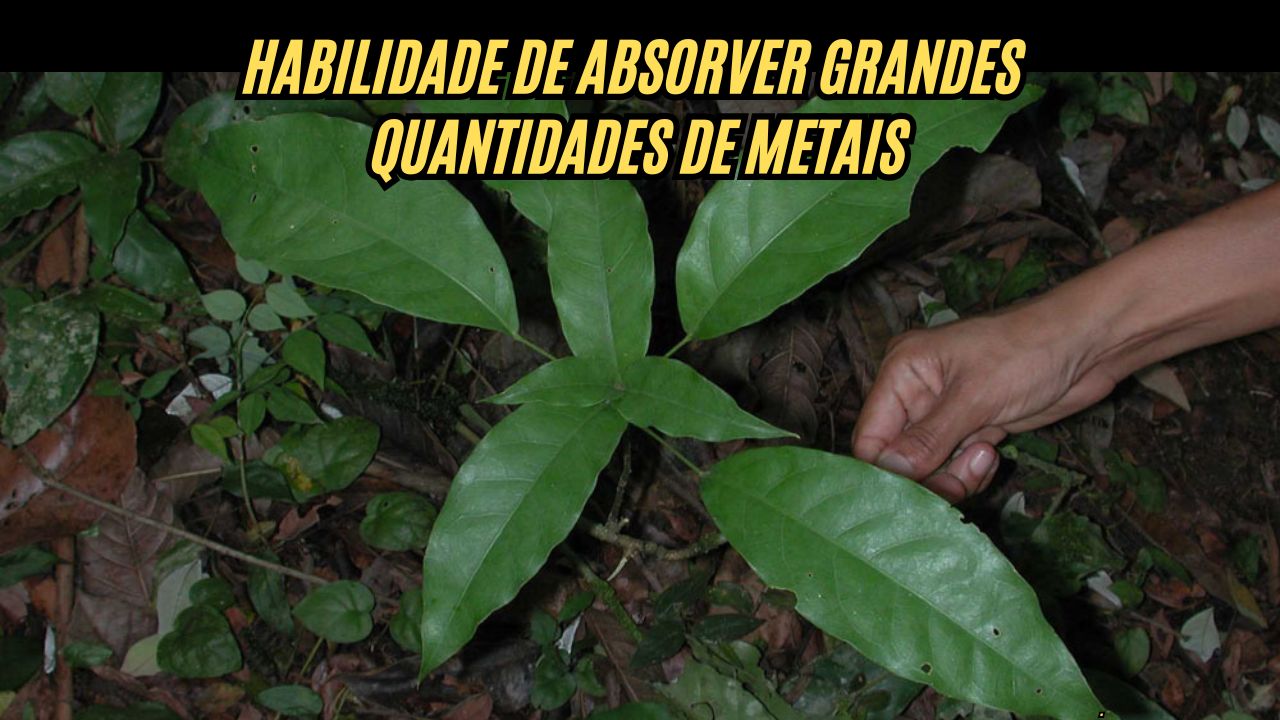
Researchers from UFRPE Identify Sustainable Potential of Capparidastrum Frondosum to Clean Contaminated Areas and Recover Metals for Reuse. Understand About the Plant Capable of Removing Heavy Metals from Soil.
A new ally in the fight against soil pollution emerges directly from the Pernambuco forest: a plant capable of removing heavy metals from the soil has been identified by scientists from the Federal Rural University of Pernambuco (UFRPE). The species Capparidastrum frondosum, known as black wild bean or tough leaf, has shown to be a “hyper accumulator,” with the ability to absorb large amounts of metals, such as zinc, in a sustainable and promising manner for future uses.
The discovery was made at the Tapacurá Ecological Station, located in Chã de Alegria, North Zona da Mata of Pernambuco. Although the study started in 2020, it was only recently that the researchers identified the potential of the plant capable of removing heavy metals from the soil. Until then, similar initiatives were carried out in other countries, such as the Netherlands and France. Now, Brazil is at the forefront with a pioneering study in the region.
According to Professor Clístenes Nascimento from UFRPE, Capparidastrum frondosum not only detoxifies the soil but also offers the possibility of reusing the zinc accumulated in its leaves and branches, bringing benefits to the mining industry. “This plant, despite being known in botany, had never been recorded as capable of hyper accumulating zinc. This opens many doors for the recovery of contaminated soils and for the sustainable reuse of metals,” highlighted Nascimento.
-
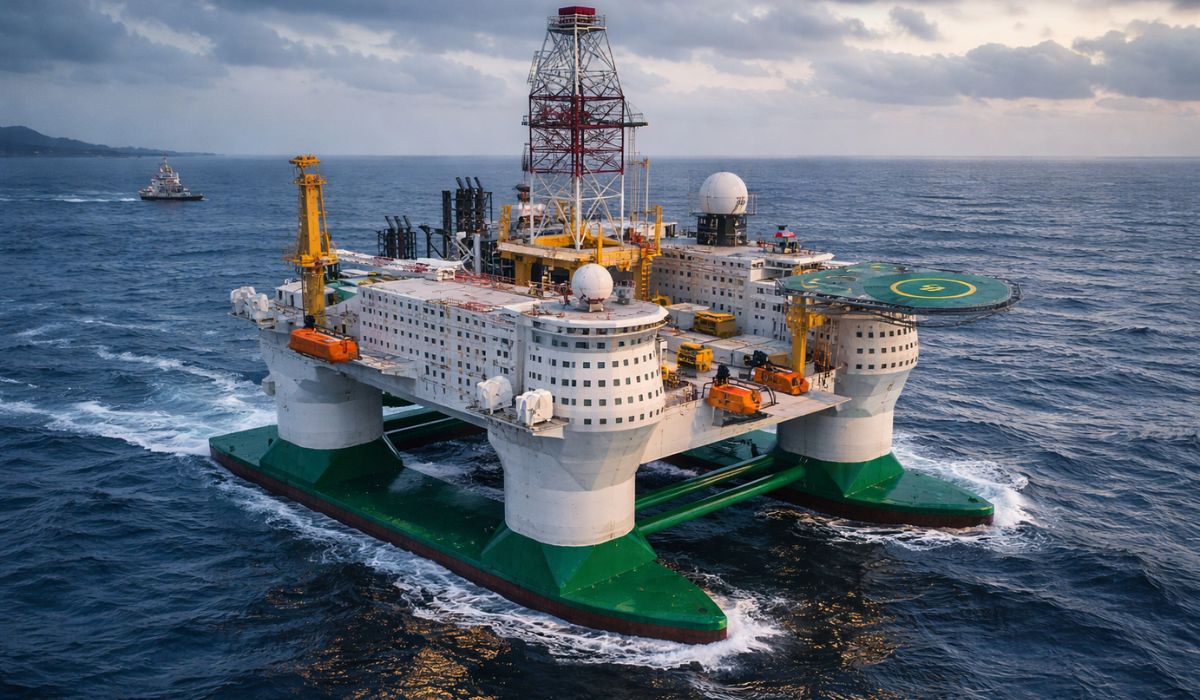
China has launched the world’s first floating artificial island, a scientific structure designed to face open seas, test equipment weighing hundreds of tons, and reach depths of 10,000 meters.
-
China accelerates global science and may surpass the United States in 2 years with increased public investment, continuous growth, and direct impact on the global technological competition.
-
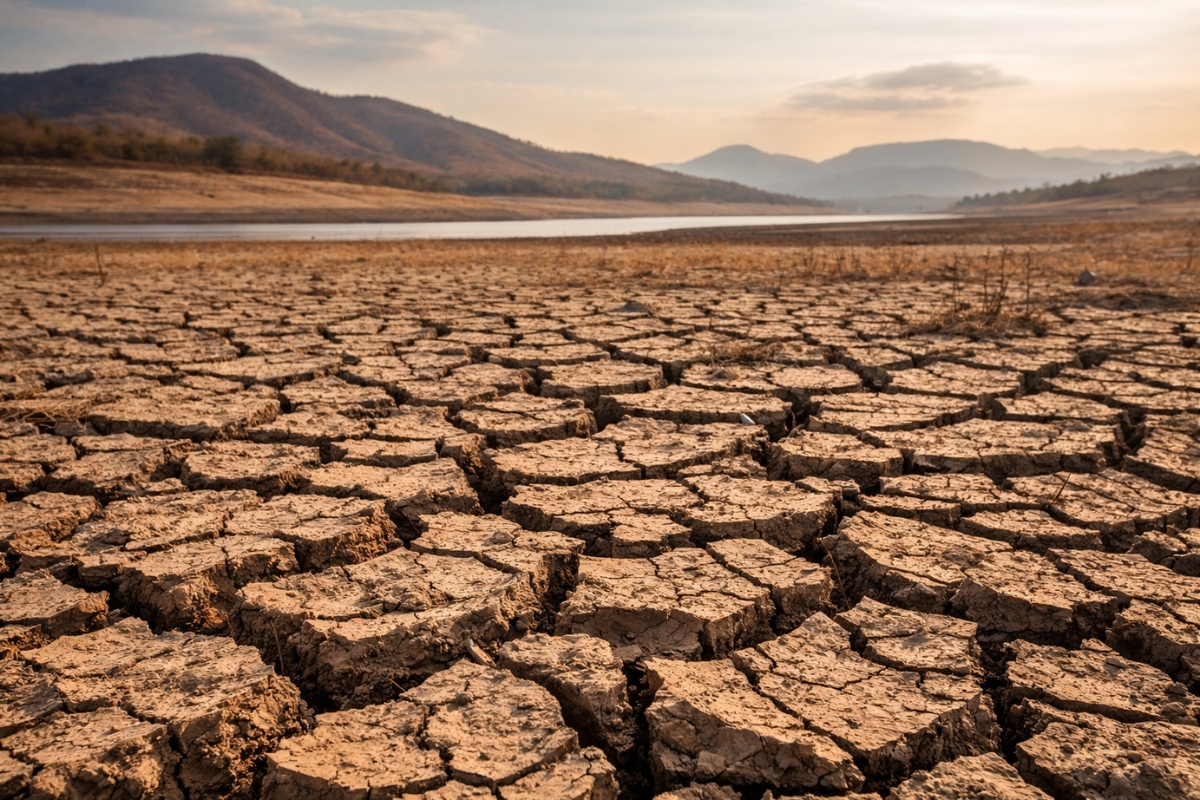
Scientific studies indicate that drought may be strengthening a much greater silent threat: more resistant superbugs.
-
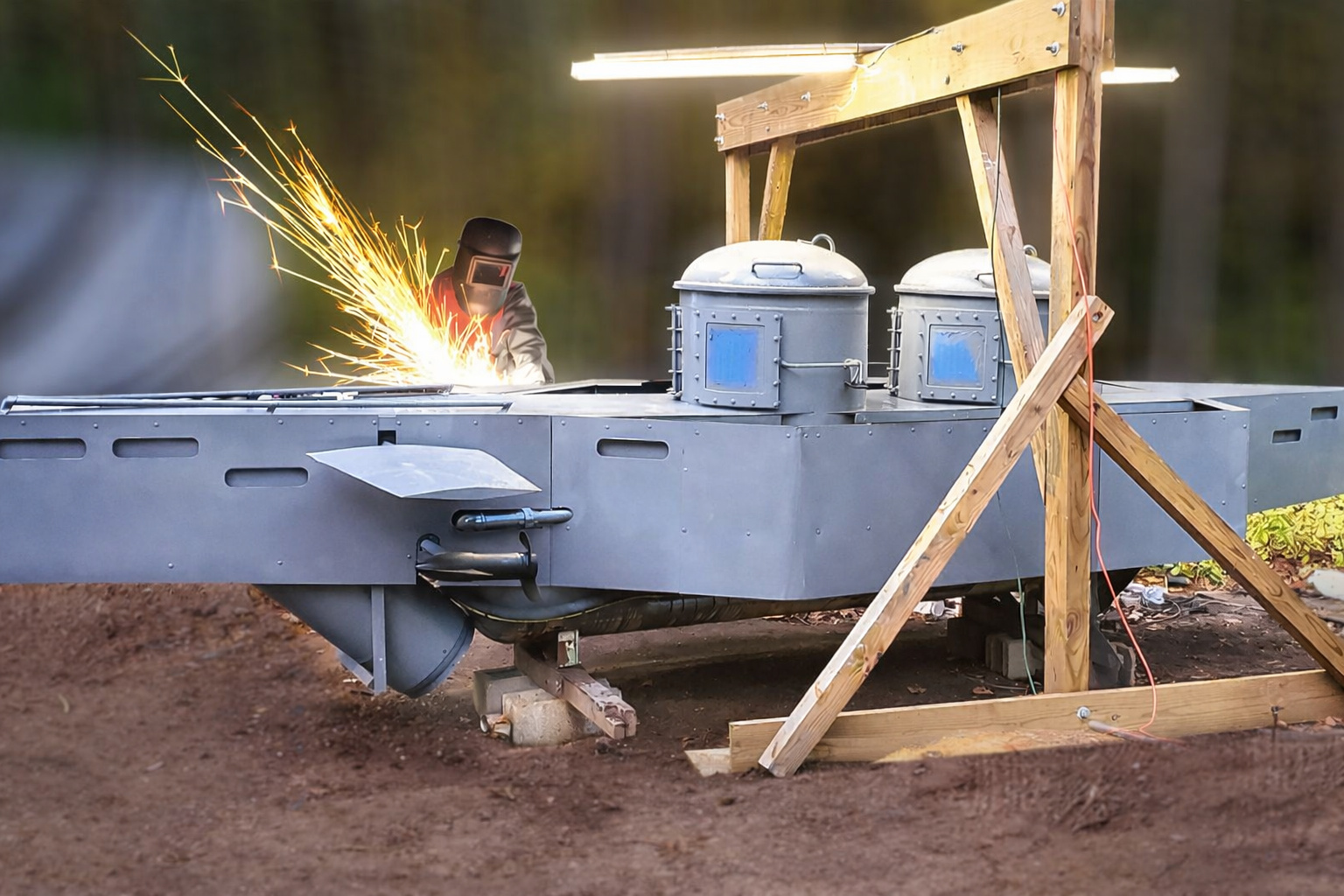
Man builds functional 5-meter submarine in his garage using gas cylinders, PVC pipes, and a refrigerator motor, and navigates with the vessel on a lake in Colombia.

Sustainability and Economy Go Hand in Hand
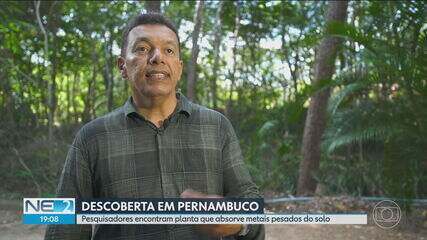
Agricultural engineer Luiz Henrique Lima, a soil engineering specialist, emphasizes the positive economic impact of the discovery. “The soil remediation techniques currently available are expensive and often harmful to the environment. With hyper-accumulating plants like this one, we have a low-cost, sustainable alternative with potential for large-scale application,” he stated. Lima explained that the next step is to test large-scale crops and apply propagation techniques for the plant.
In addition to detoxifying the soil, scientists are studying how this approach can benefit areas affected by industrial activities, such as battery recycling and mining. “These plants can recover heavy metals from industrial waste, reintegrating them into the production cycle and generating additional profit for mining companies,” added Clístenes Nascimento.
From Forest to Laboratory
At the Soil Fertility Laboratory of UFRPE, samples of the plant undergo detailed analyses. After processes such as drying, weighing, and measuring metal concentration, scientists calculate how much each plant is capable of removing from the soil. This step is essential to determine the feasibility of using the plant in different contamination scenarios.
“Brazil has great potential to benefit from this technology, especially in areas impacted by clandestine companies or by mining,” commented Lima. According to him, the research also aims to assess how the plant can be cultivated in controlled environments and on a large scale, providing natural solutions to environmental and economic problems.
A Cleaner and Sustainable Future with the Plant Capable of Removing Heavy Metals from Soil
The plant capable of removing heavy metals from the soil represents an innovation for Brazil and the world, uniting science, sustainability, and economy. With advancements in research, the prospects are optimistic for the use of Capparidastrum frondosum as an effective tool in the recovery of contaminated areas and in the reuse of accumulated metals.
Pernambuco scientists continue seeking ways to apply this discovery on a large scale, helping to transform degraded regions into clean and productive spaces, while positioning Brazil as a global reference in phytotechnology.






-

Uma pessoa reagiu a isso.