





 Portuguese
  English
  Spanish
  4 min of reading
  0 comments


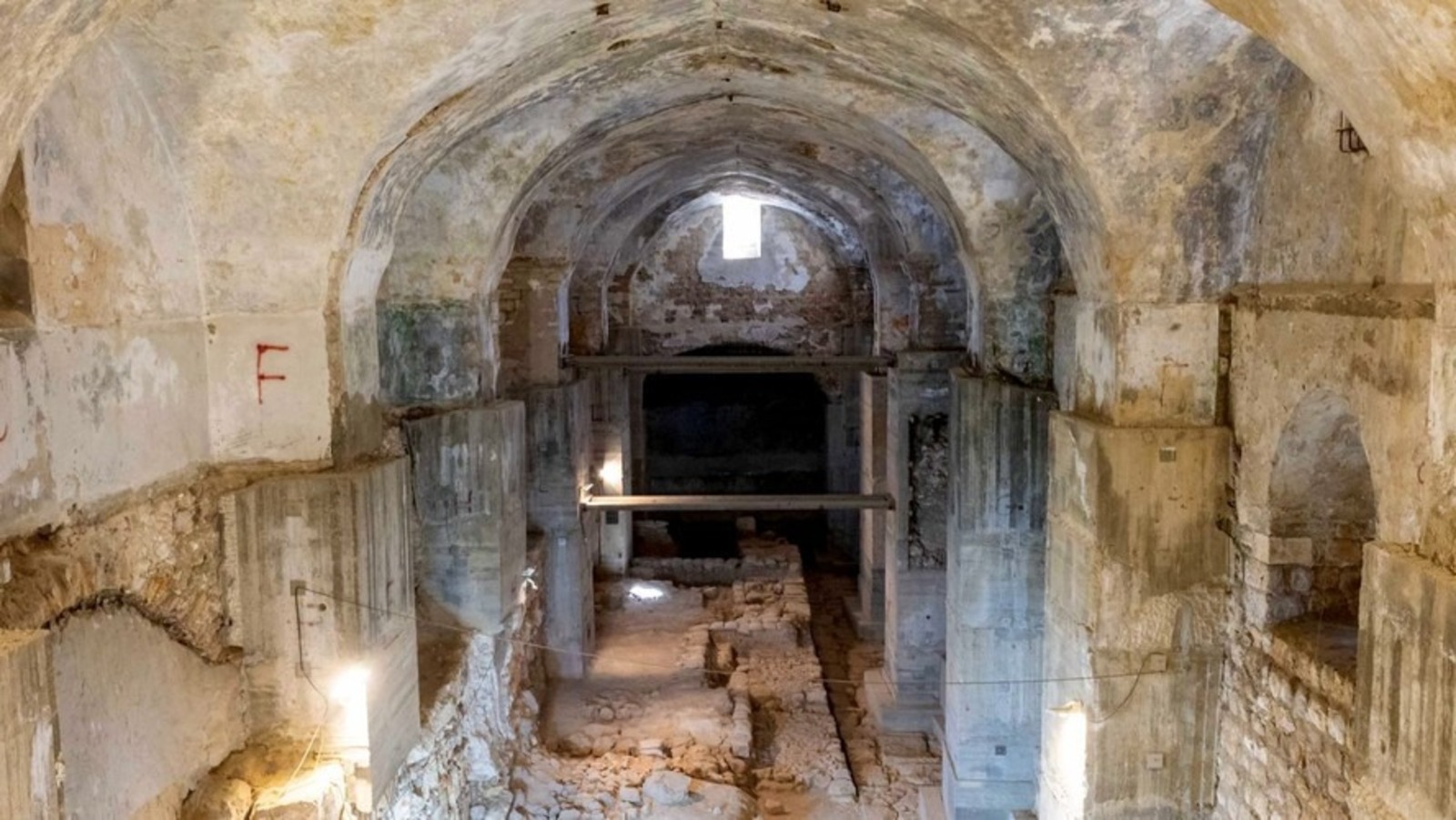
Discovery at the Tower of David Reveals 40-Meter Hasmonean Wall, Intentionally Buried, Linking Antiochus VII, Herod, and Disputes That Shaped Jerusalem Between the 2nd Century BCE and 1st Century BCE.
One of the largest preserved sections of the ancient wall of Jerusalem, approximately 2,100 years old, was identified in the Tower of David complex in the Old City during recent work, reigniting the historical debate about who ordered its systematic destruction and why this matters for understanding power in ancient Judea.
The find was announced on Monday (8) by the Israel Antiquities Authority (IAA), during interventions for the installation of the new Schulich Wing of Archaeology, Art, and Innovation, in the Kishle complex, an area that functioned as a prison during the British Mandate period.
According to archaeologists Amit Re’im and Marion Zindel, the discovered structure measures over 40 meters in length, about 5 meters in width, and features carved stones with typical Hasmonean architectural relief, with an estimated original height of over ten meters.
-
A 19-year-old created a portable energy system in his garage that promises to compete with Tesla at half the price and keep his refrigerator running for days during power outages.

-
The tractor that never stops? German engineers create super technological wheels that store hydrogen and ensure that the machine works all day in the field without needing to stop even once to refuel.

-
Aviation fuel could become much cheaper after advancements in the U.S.: a new catalyst reduces steps, converts ethanol in one go, and also paves the way to increase the supply of SAF in a market pressured by high costs.

-
According to scientists, colonists born on Mars may develop immunity different from that of Earth and have a higher risk of infections when coming into contact with humans from Earth.

Despite its original grandeur, only the stump of the wall remains preserved, the result of deliberate destruction identified through archaeological layers that indicate careful removal of the fortification down to ground level, ruling out hypotheses of natural collapse.
The wall corresponds to the layout of the so-called First Wall, described by Flavius Josephus, the main historical source of the Second Temple period, as an impregnable fortification surrounding Jerusalem and including the area of Mount Zion.
Josephus reports that the First Wall was reinforced by dozens of towers and gates, playing a central role in the urban defense of the city during the Hasmonean period, before subsequent political and architectural transformations.

Two Hypotheses for the Destruction
The evidence of intentional destruction led researchers to consider two main explanations for the disappearance of the wall, both associated with decisive moments in the political history of Jerusalem in the 2nd century BCE and in the following decades.
The first hypothesis refers to the siege imposed by Antiochus VII Sidetes between 134 and 132 BCE, when John Hyrcanus I may have agreed to dismantle the city’s defenses as part of a military agreement, including the payment of 3,000 talents of gold.
According to this interpretation, the documented destruction would correspond to the literal fulfillment of this agreement, considered humiliating, in which the Hasmoneans would have removed their own fortifications to ensure immediate political survival.
The second hypothesis involves Herod, who decades later built his palace precisely on the site of the wall, possibly deliberately burying the structure as a political gesture of symbolic erasure of the Hasmonean dynasty.
According to Amit Re’em, in an interview with The Times of Israel, the destruction was not random, indicating a planned action with a clear objective, reinforcing the thesis that the burial may have been part of a strategy for legitimizing power.
Visible Link to Ancient Jerusalem
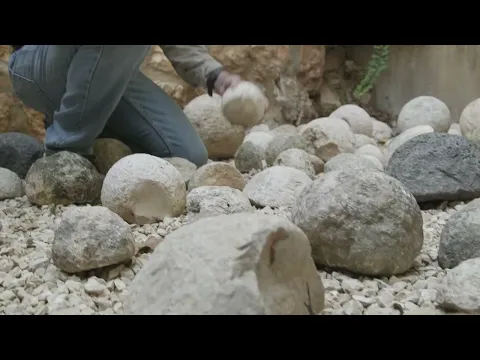
The discovery resonates with excavations conducted in the 1980s by Renée Sivan and Giora Solar, who identified hundreds of Hellenistic projectiles accumulated at the foot of the wall, including catapult stones and sling bullets.
At that time, the artifacts were interpreted as remnants of the siege by Antiochus VII, suggesting that the fortification withstood the attacks, allowing for the accumulation of weapons at the base, some of which are now part of the collection at the Tower of David Museum.
The new exhibition of the wall also provides access to its inner face, a rare condition in Jerusalem, as well as fragments of pottery and coins reinforcing the Hasmonean dating, although the absence of mortar prevents radiocarbon analysis.
The construction technique observed, with large dry-stacked blocks, corresponds to the pattern of the Maccabean fortifications, strengthening the chronological attribution, despite some small uncertainties still under analysis.
During the excavations, traces of an even older wall, possibly from the First Temple period, between the 10th and 6th centuries BCE, were identified, with samples still under study.
For Eilat Lieber, director of the Tower of David Museum, the new wing will allow visitors to walk on transparent flooring installed above the wall, integrating archaeology, technology, and contemporary art in the reading of urban history.
The Israeli Minister of Heritage, Rabbi Amichai Eliyahu, highlighted in the IAA statement the symbolism of the discovery during the Hanukkah period, asserting that the structure evidences the power and importance of Jerusalem during the Hasmonean period.
With information from Galileu Magazine.







-

-

4 pessoas reagiram a isso.