





 Portuguese
  English
  Spanish
  3 min of reading
  1 comment


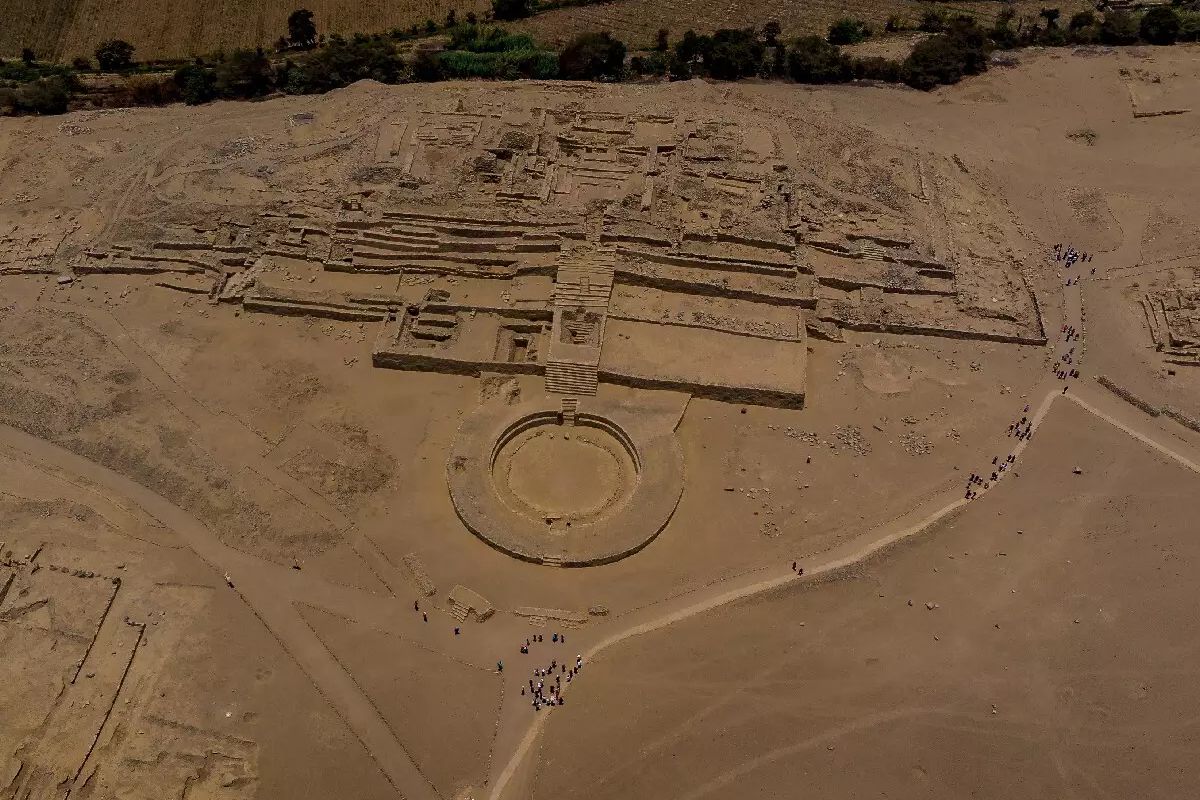


Archeologists Found In The Supe Valley The City Of Peñico, Built By The Caral Civilization, Regarded As The Oldest In The Americas And Marked By Peace And Culture Instead Of Wars.
A discovery in the desert of Peru is transforming the understanding of the origins of civilizations in the Americas. In July this year, archaeologist Ruth Shady revealed the existence of the city of Peñico, erected almost 4,000 years ago by the Caral civilization, considered to predate empires such as the Incas, Mayans, and Aztecs.
According to the Xataka portal, the new city was located just 11 km from the archaeological site of Caral, and provides unprecedented clues about how an ancient people survived climate changes, kept their culture alive, and organized themselves without records of wars or defensive walls.
Peñico: A City Buried By Time
Peñico remained hidden for centuries beneath the sand of the Supe valley, four hours from Lima. Excavations revealed temples, houses, and preserved objects that prove the strength of a structured and resilient society.
-
Spain surprises the world by erecting 62 artificial dunes, mixing sand with natural remains of posidonia, and causing the structure to lose only 1.4% of its volume in 1 year.

-
With 16 Bulava missiles, improvements in acoustic stealth, and a design focused on silent patrols, Russia’s nuclear submarine was born to ensure Moscow’s invisible retaliation and has become one of the pillars of its maritime strength.

-
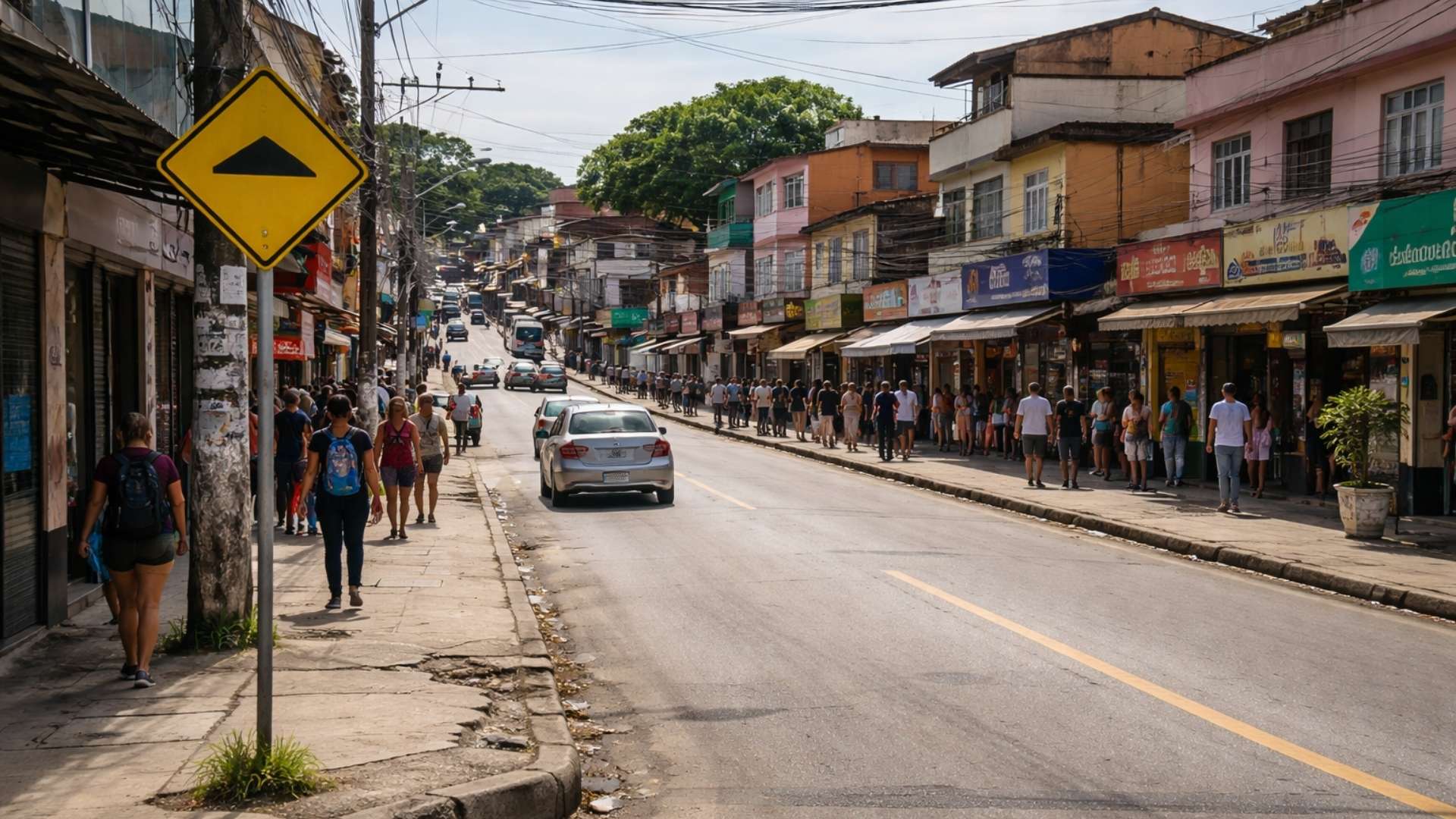
‘Populous’ city in Rio among the worst in Brazil in national ranking and exposes silent development crisis.
-
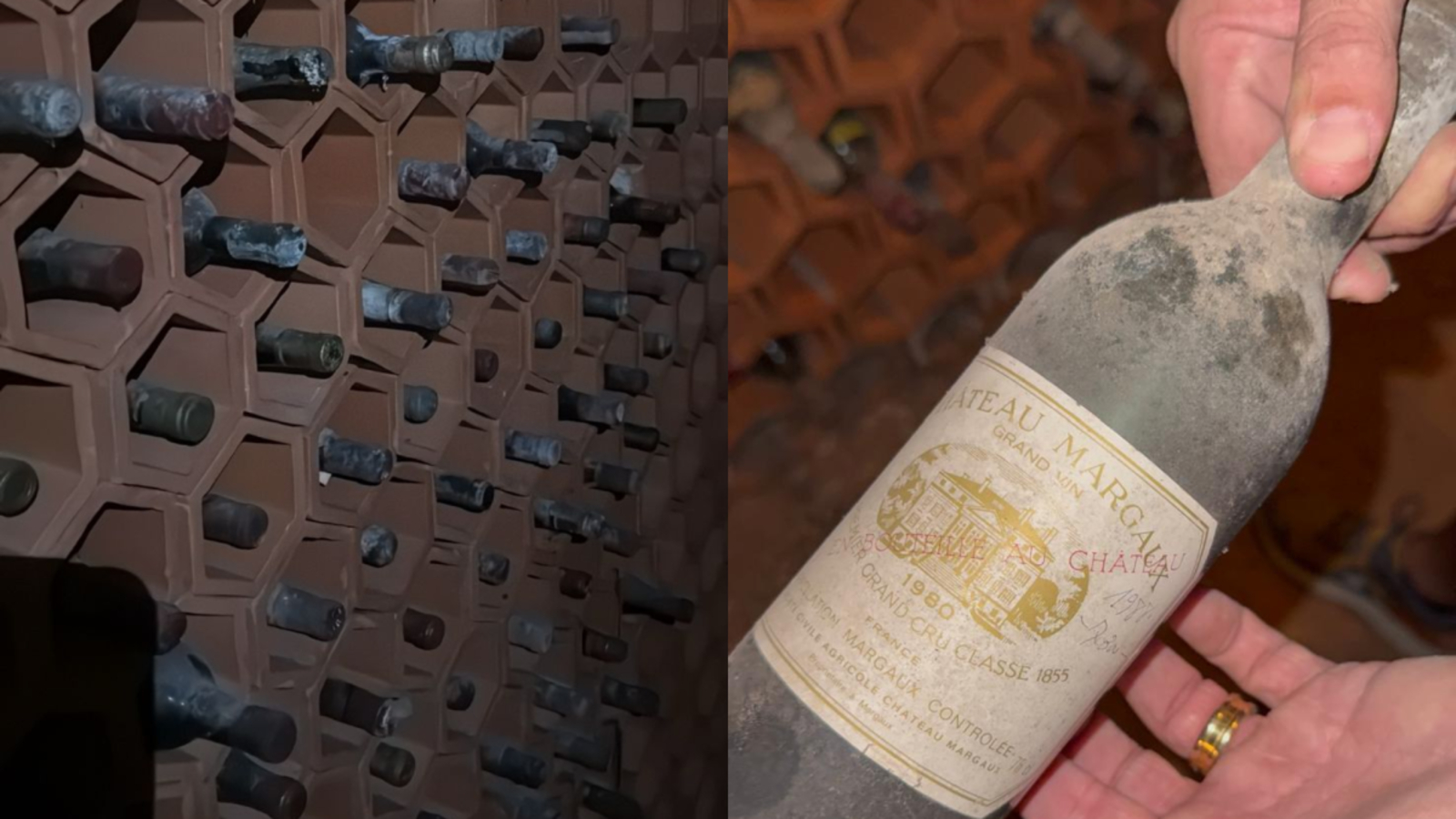
Couple buys house in the South Zone of São Paulo, opens a hidden door in the garage, and finds a secret wine cellar with dozens of old wines forgotten since the 1970s.

The most impressive thing is that, unlike other ancient civilizations marked by military disputes, no weapons or signs of fortifications were found.
What prevails are elements related to art, religion, and community living. This suggests that the Caral civilization managed to prosper through cooperation, even in the face of long periods of drought.
The Legacy Of The Caral Civilization
Before the Incas, Mayans, and Aztecs, the Caral people had already consolidated their presence on the arid coast of Peru between 3000 BC and 1800 BC.
The strategic location, near the Pacific and fertile lands of the Andes, allowed the integration of several cities connected by trade and cultural exchange.
Excavations in Caral and now in Peñico reveal amphitheaters, circular plazas, and musical instruments, such as flutes made from bird bones, which reinforce the centrality of music and religious rituals in social life.
This cultural trait contrasts with the militaristic dynamics that marked later civilizations.
A Model Of A Peaceful Society
According to Ruth Shady, who has been responsible for the research since 1994, the case of Peñico teaches that it was possible to face climate crises without resorting to violence.
The migration to found the city occurred in response to a prolonged drought, but instead of wars over resources, the population sought alternatives for survival and social reorganization.
This aspect makes the Caral civilization a rare example: a people that prioritized culture, religion, and science, enduring for centuries without leaving records of battles.
For archaeologists, it represents a model of organization that still inspires reflections in the present.
Archaeological Tourism And Local Valorization
Currently, both Caral and Peñico are open to visitation. Local guides, trained by the research team, accompany visitors, explaining details about religion, agriculture, astronomy, and politics of the time.
Strolling Among The Clay Pyramids And Circular Plazas is, according to reports, like returning thousands of years in time.
In addition to strengthening Peruvian cultural identity, the discovery also boosts sustainable tourism in the region, benefiting local communities and promoting the preservation of historical heritage.
The discovery in the desert of Peru goes beyond archaeology: it reveals that four thousand years ago a society managed to prosper without war, valuing culture and cooperation.
Peñico and Caral not only expand historical knowledge but also raise questions about the paths that modern societies are taking in the face of global crises.
And you, do you believe that the Caral civilization can be an example of how to face current challenges without violence? Do you think the modern world has something to learn from this ancient people? Leave your opinion in the comments — your perspective can enrich this historical debate.








Exemplo com certeza: PAZ !!!