





 Portuguese
  English
  Spanish
  6 min of reading
  0 comments


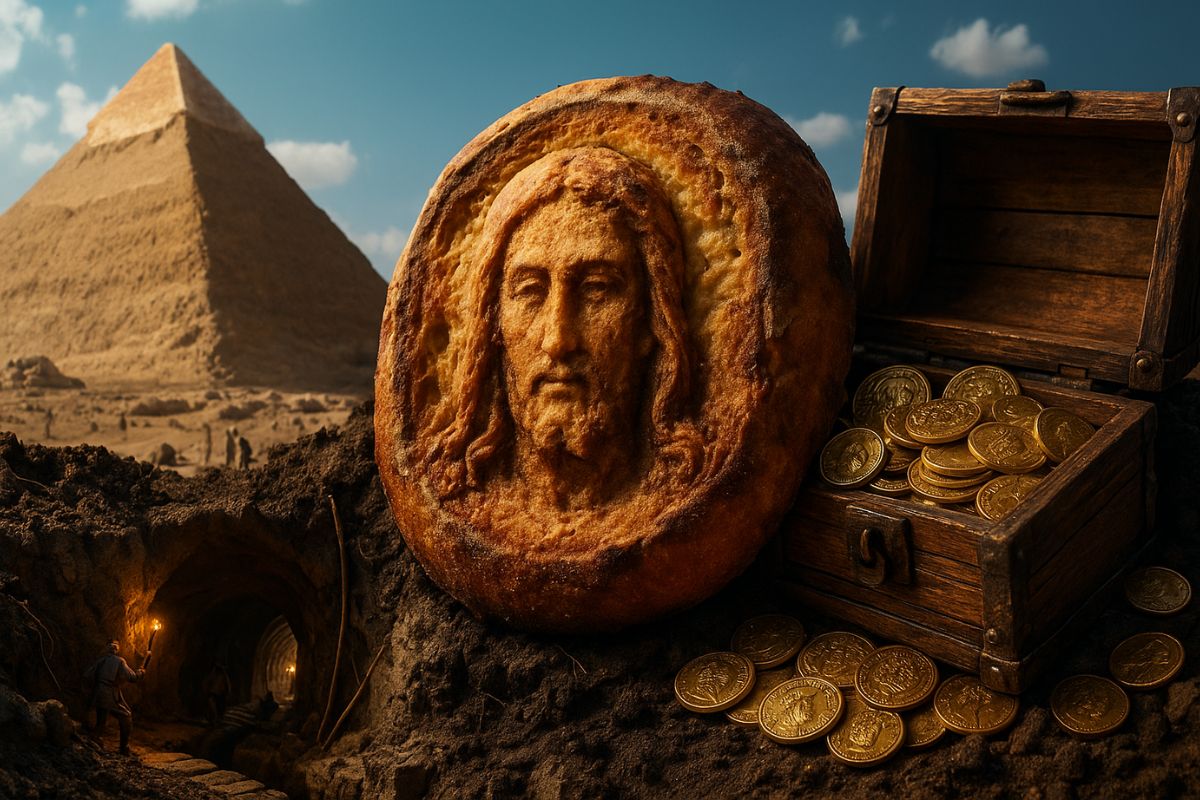
Recent Archaeological Discoveries Expose Finds Ranging from a Byzantine Bread Depicting Jesus to a Roman Treasure with Over 450 Coins and Even an Underground Network Beneath the Pyramids of Egypt, Reinforcing How Archaeology Still Reveals Unknown Layers of the Past
Archaeological discoveries continue to show that human history is more complex, ritualized, and technically advanced than previously thought. According to the portal Adventures in History, in just a few days, researchers revealed findings that not only expand the understanding of wealth circulation during the Roman period but also reveal elements of everyday religiosity in the Byzantine Empire and, importantly, hidden structures around the pyramids that could change the understanding of architectural planning in Ancient Egypt. Each of these finds connects to a different line of investigation, but they all share the fact that they were found in good preservation and with defined archaeological context.
The collection of these archaeological discoveries helps reinforce that archaeology does not only work with great monuments. It is also interested in everyday objects, functional structures, and remnants that survive thanks to very specific soil conditions. It is the combination of unexpected finds in swamps, ancient cities, and monumental plateaus that allows for the reconstruction of habits, beliefs, and technologies used by peoples who lived millennia ago.
Prehistoric Time Capsule in Sweden
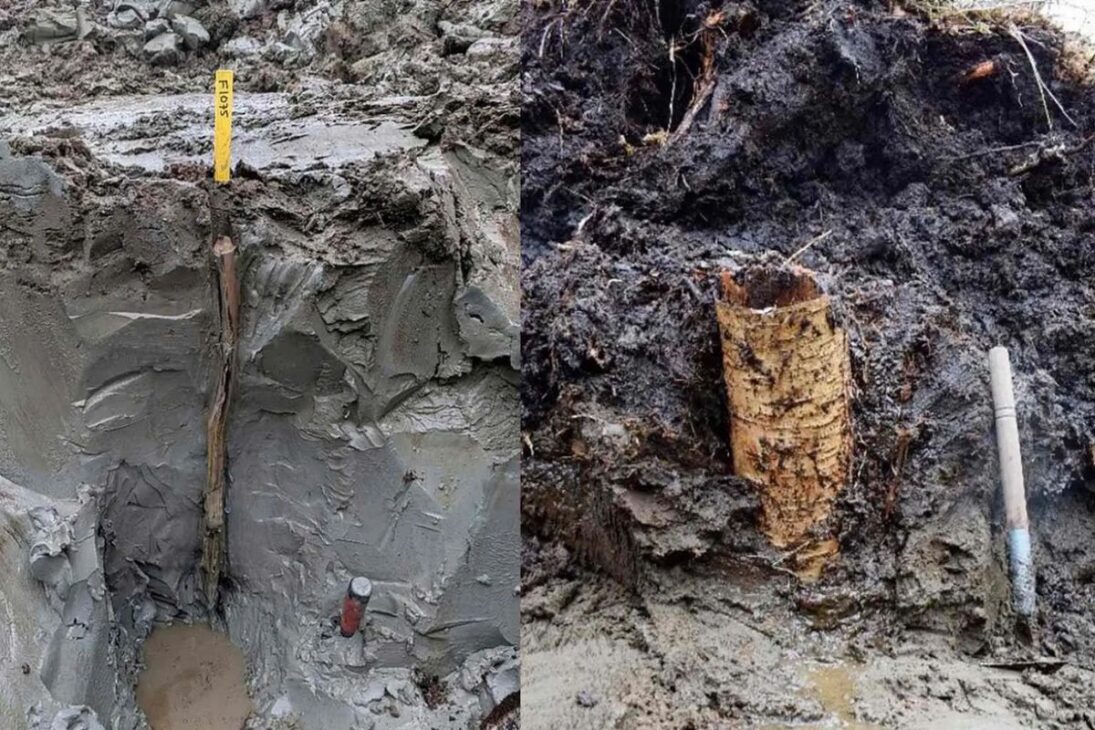
One of the most intriguing archaeological discoveries was recorded in Gerstaberg, Sweden, where archaeologists located a series of exceptionally preserved wooden structures in a swamp area.
-
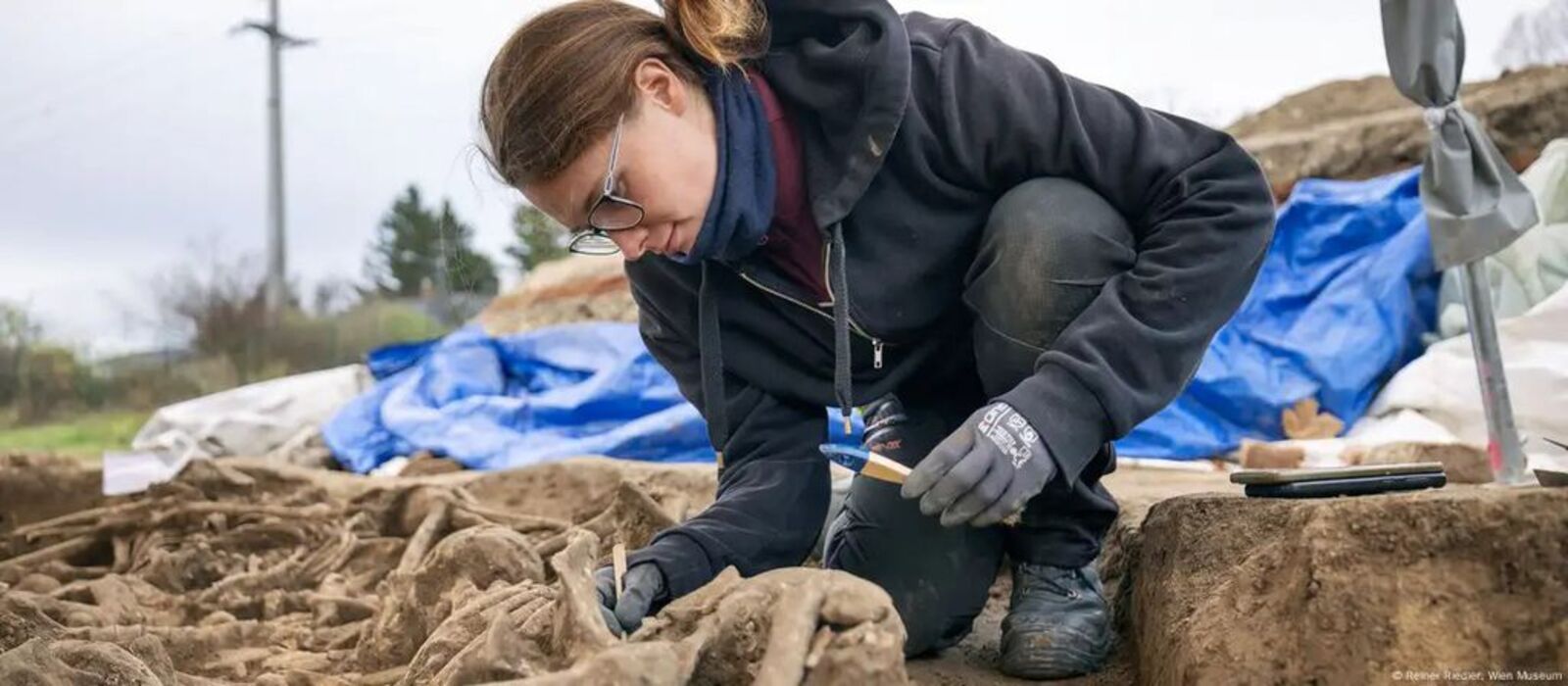
Remains with battle wounds of over 100 soldiers from the Roman Empire are found beneath a football field in Vienna, leaving everyone surprised.
-
Elon Musk notes Brazil and lowers the price of his internet, Starlink, promising to connect all corners of the country with affordable plans, 10,000 satellites, and 1 million active users in the national territory!

-
Man creates an infinite source of FREE electricity at home with a PVC wind turbine using a repurposed motor.

-
An aquatic seed consumed for centuries in Asia is going viral in the West after studies highlighted its antioxidant compounds and potential anti-inflammatory properties. It pops like popcorn, has low fat content, and is already being called the new functional snack.


This type of environment, with low oxygen levels, creates what specialists call an anaerobic preservation context, in which organic materials that would normally degrade end up surviving for thousands of years. Hence, the find has been described as a kind of time capsule.
The structures, made with logs and woven willow, indicate that Neolithic groups likely built a passage or bridge to cross a flooded area over 5,000 years ago.
Even without conclusive identification of which specific culture used that location, the indications seem to be close to groups that operated in southern Scandinavia between 3,500 B.C. and 2,300 B.C.
The value of this archaeological discovery lies in showing spatial organization and mastery of construction techniques in a wet environment, something that requires collective planning.
Roman Treasure with 450 Coins
Another archaeological discovery that gained attention was the resumption of excavations in Borsum, Lower Saxony, Germany, where an impressive set of Roman silver coins was brought to light, accompanied by gold pieces and silver bars.
The area had already been recorded as a find since 2017, but the recent investigation increased the total number of coins to about 450, making the collection one of the largest in the region.
The historical context is significant. The coins date from the early Roman imperial period, when the Empire interacted with and confronted Germanic tribes situated beyond its borders. The presence of such a robust treasure in this contact zone may indicate payment, trade, tribute, or even an attempt to conceal wealth during a time of instability.
Archaeological discoveries like this allow for mapping routes of circulation of precious metals, border policy, and even the economic reach of Rome in territories not fully controlled.
Roman Writing Tablets in France
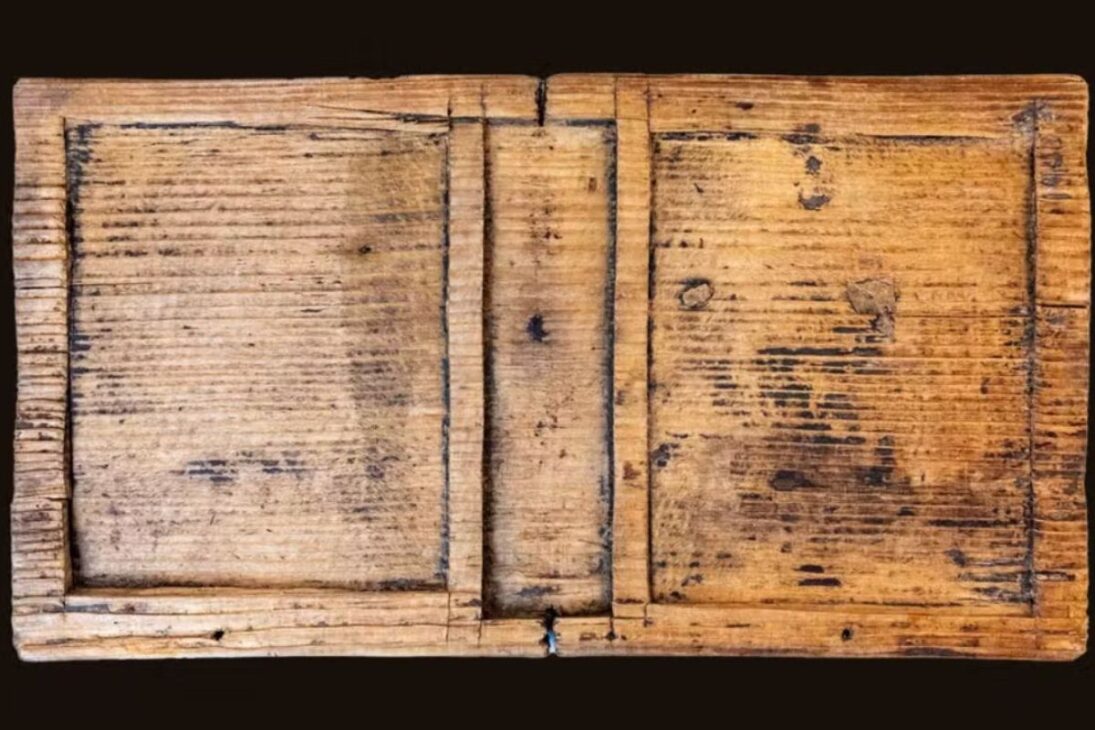
During excavations in Izernore, in eastern France, archaeologists found 15 wooden tablets with inscriptions, as well as small everyday objects like combs and wooden soles. Although these may seem simple items, these finds showcase a rare facet of Roman life outside the major centers.
The tablets functioned as reusable notebooks used for communication, teaching, or administrative records.
The most interesting detail is that some of these tablets preserved words and lines written in ink, allowing the identification of names or notes. This means there was an active writing culture in the region and that local residents had access to basic recording instruments.
Archaeological discoveries of this type are valuable because they document practical literacy and everyday bureaucracy, which are not always reflected in monuments or official inscriptions. When displayed in a museum, they help bring the public closer to common life 2,000 years ago.
Underground Network Beneath the Giza Plateau
One of the most impactful archaeological discoveries of the period was the identification of three underground wells around the pyramids of Khufu and Khafre in Egypt. These wells were found with great geometric precision and presented walls with very uniform finishing, indicating intentional design rather than simple functional excavation.
The fact that they have resisted beneath layers of sand and still maintained alignment reinforces that they were part of a larger architectural planning.
There is still no consensus on the purpose of these structures. Initial hypotheses point to ceremonial chambers, drainage systems with symbolic value, or connecting corridors associated with rites of passage.
What makes this archaeological discovery special is that it suggests the existence of a level of underground infrastructure as elaborate as the already known monumental level of the pyramids. This reopens the debate about how Egyptians in the Old Kingdom organized the underground of the plateau and whether there were restricted-use circuits for priests and members of the elite.
Byzantine Breads Depicting Jesus
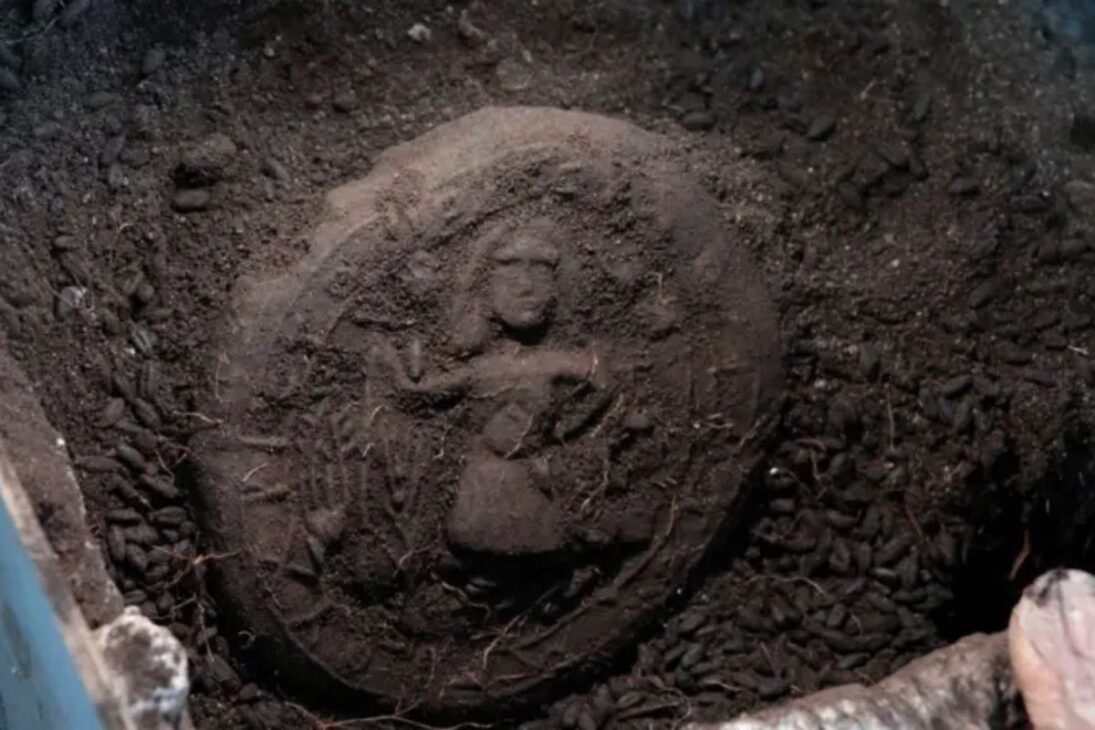
In ancient Eirenopolis, in present-day Turkey, archaeologists discovered five charred loaves of bread approximately 1,300 years old, all preserved in the context of Byzantine ruins. Four of these loaves had crosses engraved on the surface, and the fifth depicted Jesus in a sower’s pose, accompanied by a Greek inscription interpreted as a thanksgiving to Christ.
For archaeology, this type of find is powerful because it combines food, devotion, and everyday life in a single artifact.
These breads indicate that Christian religious practices of the 7th or 8th century were not restricted to churches and liturgical objects but also appeared in common table elements. They may have been used in rituals of gratitude or celebrations related to the harvest.
Such archaeological discoveries show that Christian iconography was incorporated into daily life and that food could serve as a means of devotion and memory, especially in communities wanting to reaffirm their faith amid political changes.
What these Discoveries Reveal About the Past
The collection of these archaeological discoveries shows that field research continues to uncover remnants in very different areas, from Nordic swamps to desert plateaus and Mediterranean cities. It also highlights that preservation largely depends on the environment. Wood and bread survive when there is burning or lack of oxygen.
Egyptian subterranean structures survive because they were buried for millennia. Treasures survive because they were hidden and forgotten. This combination of random factors and modern excavation techniques allows the 21st century to still reveal new pieces about very ancient societies.
Another important point is that many of these archaeological discoveries are linked to routines, movements, and rituals of groups that left no large written texts.
Therefore, each object that emerges fills gaps about who passed through a particular region, what the level of organization was, which symbols were most used, and how people related to the sacred, the economy, and architecture.
The archaeological discoveries of recent days prove that there is still much hidden beneath layers of sand, mud, and ruins, and that small objects can tell stories as rich as large monuments.
From bread with an image of Jesus to underground wells aligned in Egypt, the past continues to reveal practices, beliefs, and technologies that surprise researchers.
Now tell us in the comments which of these discoveries you found most surprising and which archaeological mystery you would like to see resolved first?




Seja o primeiro a reagir!