





 Portuguese
  English
  Spanish
  4 min of reading
  13 comments


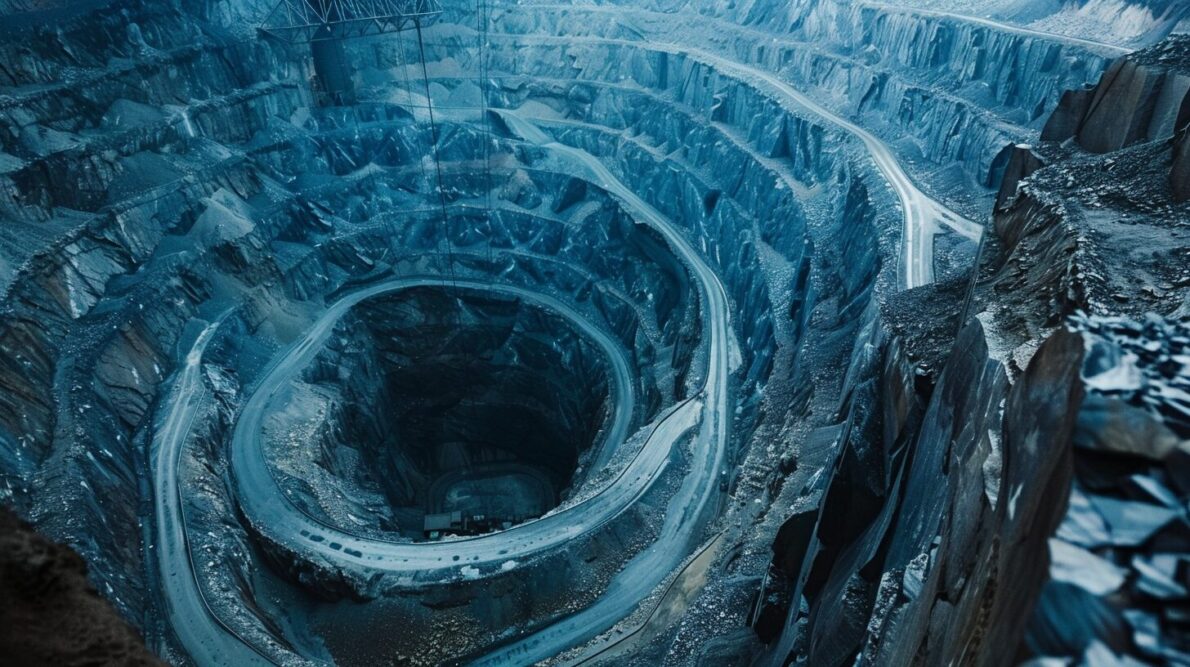


New Technologies Can Emerge in Various Sectors with the Exploration of Cobalt. Understand the Importance of “Blue Gold” and How Brazil Stands Out in This Market.
Known as “blue gold“, cobalt plays an essential role in the modern world. From the creation of new technologies to the transition to clean energy. Cobalt is found in lithium batteries and is a key element in them. Additionally, it is also used to make airbags, diamond tools, paints, high-speed steel, magnets, and much more. There are various applications, both commercial and industrial and military.
Demand for Cobalt Is Growing Rapidly


The search for cobalt has grown intensely in recent years. According to statistics, the demand, which was 71,000 tons in 2017, is expected to reach 222,000 tons by 2025, mainly due to the rising popularity of electric vehicles and the global transition to “cleaner” energy sources.
The European Union aims to end the sale of new gasoline and diesel vehicles by 2035. This means more electric cars, which means a higher demand for cobalt to advance technologies. The global demand for cobalt in the electric vehicle market increased by 60% just in 2022. Cobalt is strategic for the future of low-carbon economies.
-
Historic bankruptcy of Centauro shocks the market, and the century-old company puts more than 500,000 products, machines, and complete infrastructure up for online auction.
-
Brazil extracts 26.3 million tons of ore from what was previously treated as waste, transforming residues into wealth, producing over 3 million tons of sand, and demonstrating how national mining is relearning to generate value.
-
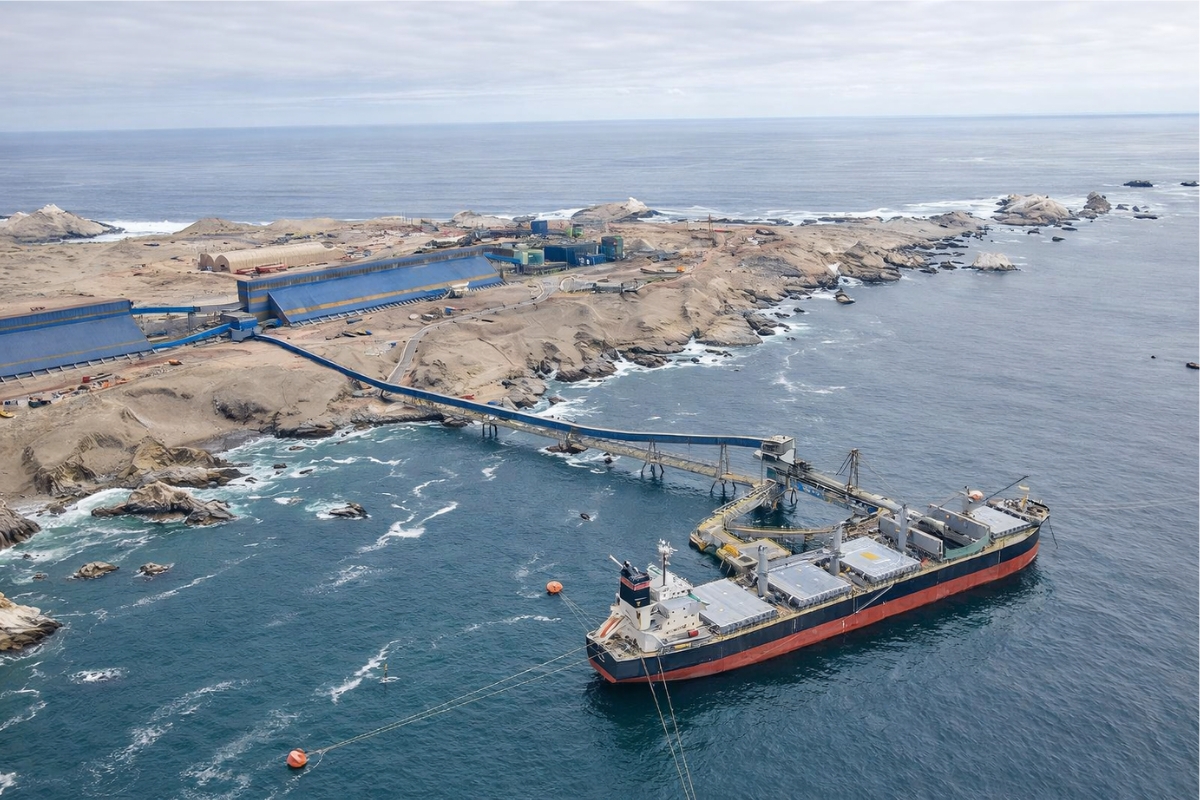
A $3.5 billion megaproject in Latin America pumps desalinated seawater at 1,050 liters per second over 194 km to keep a copper supermine in the Andes operational for another 20 years.
-
New shoe factory in Ceará is expected to create 400 jobs and strengthen the local economy.

This situation would not be a problem if the mining process for “blue gold” were not so controversial, due to issues related to pollution, forced labor, and the exploitation of minors. And there is also an irreparable problem: the demand is growing, but the resource is finite.
Even though the world still has significant amounts of known oil reserves, these reserves are continuously discovered, explored, and refined to meet the global demand for energy. In this cobalt issue, Brazil can help, as it has large reserves.
Companies Plan to Invest in Brazil for Cobalt Exploration
Recently, Brazil has stood out as an important player in the global cobalt market. Geological studies have revealed the presence of large deposits of ‘blue gold’ in several regions of the country. These discoveries are transforming us into an alternative source of the metal, giving a bit of hope to those concerned about limited reserves that could impact technologies.
In 2023, the U.S. Under Secretary of State for Economic Growth, Energy, and the Environment, José Fernandez, announced that the country intends to invest in certain sectors in Brazil, including the extraction of critical minerals like cobalt. According to Fernandez, expanding the exploration of the metal here is one of the goals of the Biden administration, as 80% of it is concentrated in autocracies like China.
China is also a concern for the United States when it comes to cobalt. The dominant position that the Asian country has established in the supply of this mineral leaves many countries at its mercy, which can pose a significant threat to the competitiveness of the American industry.
In Brazil, China already has two electric car manufacturers established, BYD and Great Wall Motors. However, the United States is not wasting time, and TechMet is one of the Brazilian companies that has already received American money.
The company, located in the interior of Piauí, received a funding of 25 million dollars from the American government agency Development Finance Corporation in 2020 for the exploration of nickel and cobalt, which could generate new technologies.
Understand How Brazil Can Contribute to the ‘Blue Gold’ Rush
According to Secretary José Fernandez, Brazil has large reserves of critical minerals, only lacking the capital for exploration. He also stated that the United States is ready to encourage Brazilian companies that operate responsibly, respecting labor rights and the environment.
In 2023, British company Brazilian Nickel announced an investment plan of 6 billion dollars for the development of a nickel and cobalt project in Piauí.
Today, the company has a unit in another region of the state, where it produces 600 tons of nickel per month. But the idea is for the new facility to produce 25,000 tons of nickel per year starting in 2026 and 800 tons of cobalt per year starting in 2027.
Australian Jervois Global also plans to invest in Brazil. The company’s efforts are aimed at reopening an existing refinery located in São Miguel Paulista in São Paulo. The plan is for the refinery to initially produce 10,000 metric tons of nickel per year and 2,000 tons of blue gold. Or rather








Infelizmente quem deveria explorar todo esse ouro azul é o Brasil mas o governo atual só pensa em cultura.
OS ESTADOS BRASILEIROS PRECISAM ENTENDER QUE O BRASIL NECESSITA REJEITAR INVESTIMENTOS ORIUNDOS DO GOVERNO NORTE AMERICANO.
NOS ESTAMOS FOCADOS NA “”DESDOLARIZACAO GLOBAL””
PARA ALCANCARMOS ESTE OBJETIVO VITAL, PRECISAMOS ISOLAR OS ESTADOS UNIDOS E SEUS ALIADOS.
A UNIAO DE PAISES DOS CINCO CONTINENTES, ACABA COM O DOMINIO, A SOBERBA E O AUTORITARISMO DOS ESTADOS UNIDOS.
NOSSOS MINERIOS NAO ESTAO A VENDA.
SAO INEGOCIAVEIS.
PARA ISSO, DEVEMOS EXPLORA- LOS POR CONTA PROPRIA, ALGO QUE NOS SERIA POSSIVEL, CASO O GOVERNO DE FERNANDO HENRIQUE CARDOSO DO PSDB PAULISTA, NAO TIVESSE VENDIDO A NOSSA MINERADORA
“” VALE DO RIO DOCE.””
ESTA VENDA CARACTERIZOU- SE POR CRIME LESA PATRIA, POIS A ESTATAL ERA LUCRATIVA, ANUALMENTE.
ATUALMENTE, OS MINERIOS MAIS COBICADOS SAO LITIO, COBALTO E NIOBIO VISANDO A TRANSICAO DE ENERGIA FOSSIL PARA ENERGIA LIMPA E REDUCAO DAS EMISSOES DE GASES.
MONICA SEIXAS
RIO DE JANEIRO- RJ
Por que a rede com notícias falsas não coloca estes bunecos? A notícia do site é boa mas faltou dizer o percentual em relação aos demais produtores