





 Português
  Inglês
  Espanhol
  3 min de leitura
  2 comentários


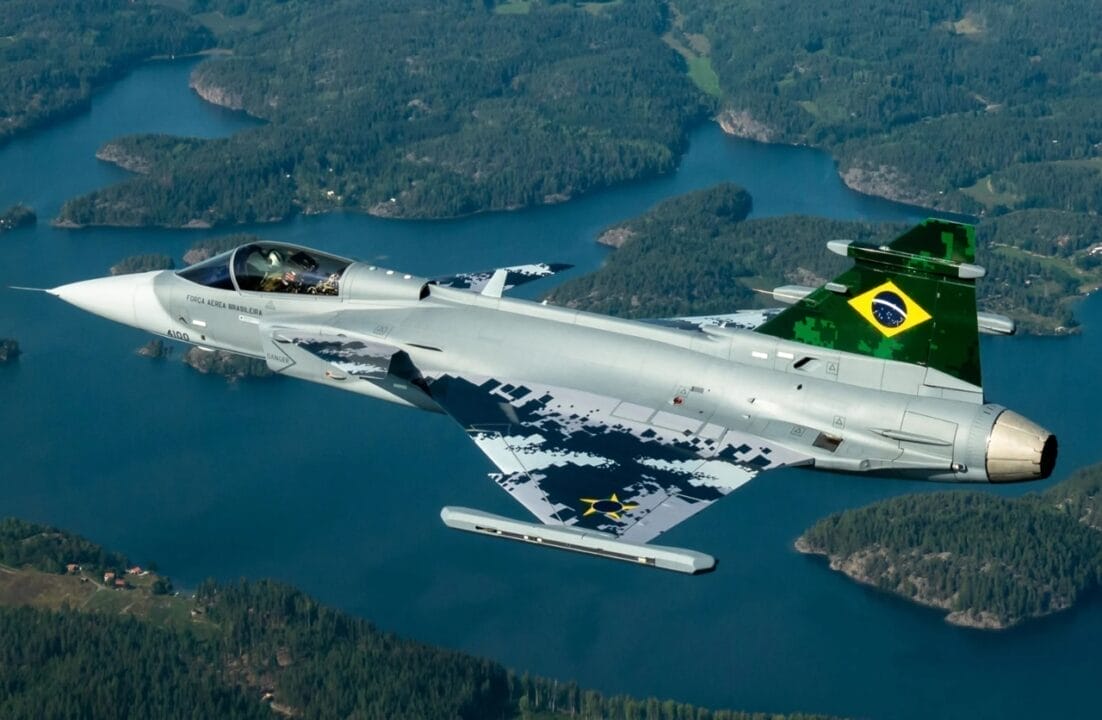

Brazilian Air Force Stands Out Globally. Check the Impact of the New F-39 Gripen and the Diversity of the Fleet
Brazil solidifies its position as a global air power, according to the latest survey by Global Fire Power. With an impressive fleet of 628 aircraft, Brazil ranks as the 17th largest air force in the world, a notable achievement on the international stage.
This ranking, which evaluates 145 countries with military considered fleets, places Brazil ahead of many of its contemporaries in air capacity and technology.


Diversity and Power: The Composition of the Brazilian Air Fleet
The Brazilian air fleet is diverse and robust, with 195 helicopters, 46 fighters, 206 training aircraft, 111 transport aircraft, 72 attack aircraft, 24 special mission aircraft, and two tanker aircraft. This multifaceted composition allows Brazil to maintain a versatile posture ready for different types of military and peace missions. The ability to adapt quickly to operational and tactical needs is a significant advantage in the global arena.
-
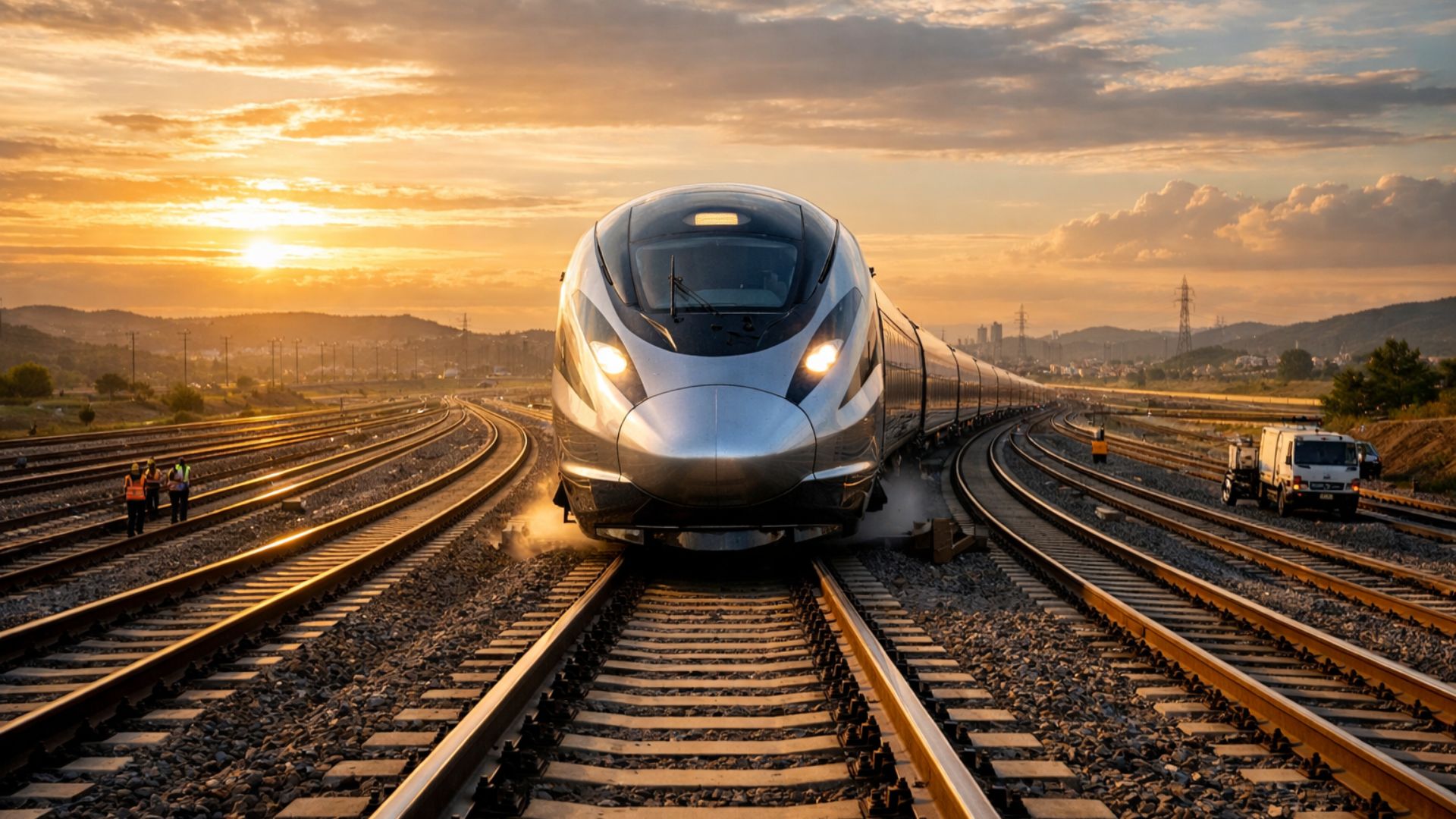
São Paulo surprises the world with a colossal railway network project that promises over 1,000 km of tracks, R$ 194 billion in investments, and 40 projects connecting the capital to the interior with fast and sustainable trains.
-
The world’s largest escalator, measuring 905 meters in China, reduces urban travel time from 1 hour to about 20 minutes and transforms mobility in mountainous regions with an engineering solution adapted to the terrain.

-
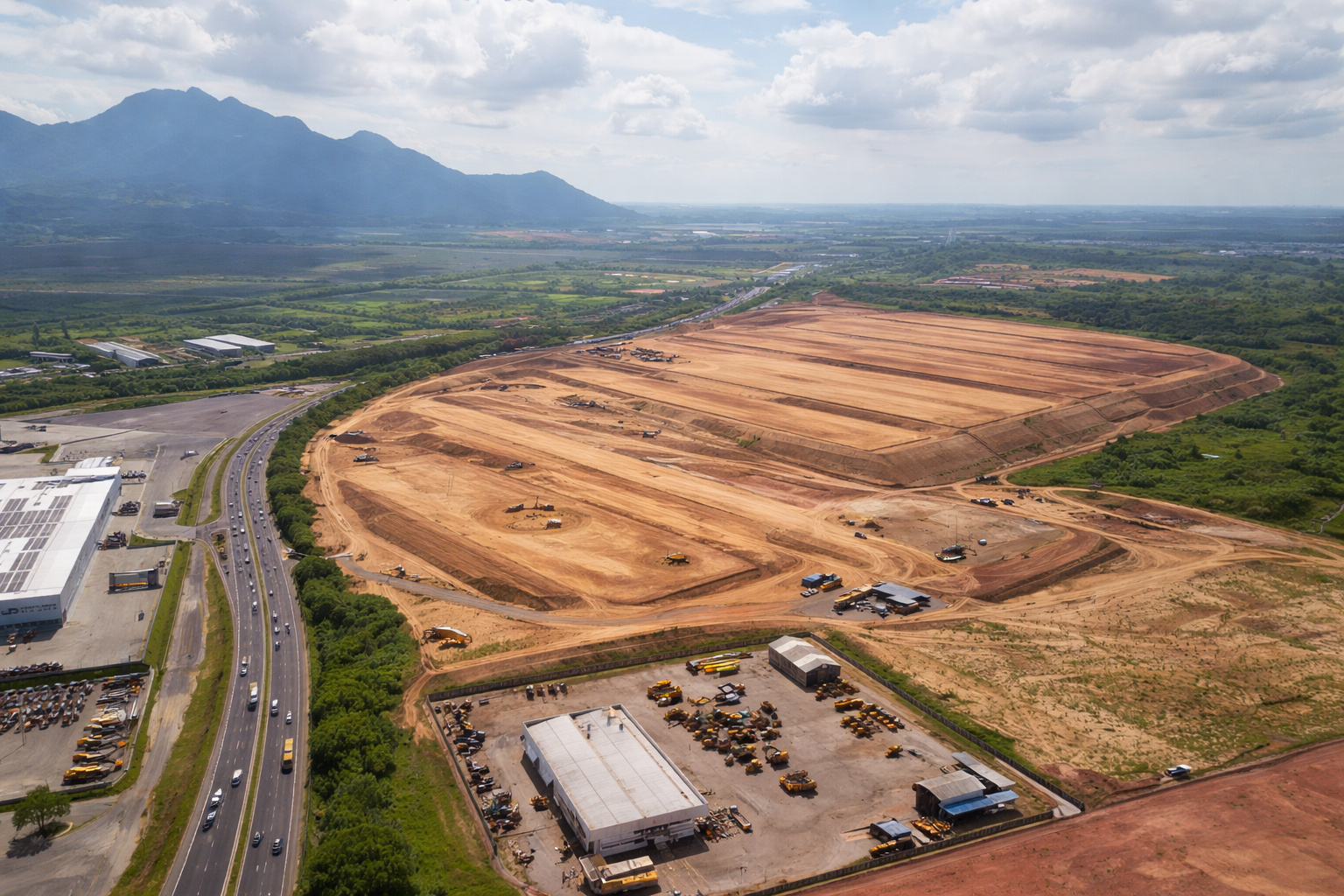
A R$ 300 million logistics giant is taking shape in Serra with over 100,000 m² and raises a question: how can this transform e-commerce and distribution in the state?
-
Could Uber Rides Lose Minimum Fare? Understand What’s Happening!


World Leaders: International Comparison
The United States leads the ranking with an impressive arsenal of 13,209 aircraft, followed by Russia and China with 4,255 and 3,304 aircraft, respectively. These nations, along with India and South Korea, make up the top five, highlighting the strategic importance and ongoing investment in air power. Global Firepower considers over 60 individual factors, from natural resources to military technology, to compile this annual ranking.
Modernization and Advancement: The Impact of the F-39 Gripen on the Brazilian Air Force
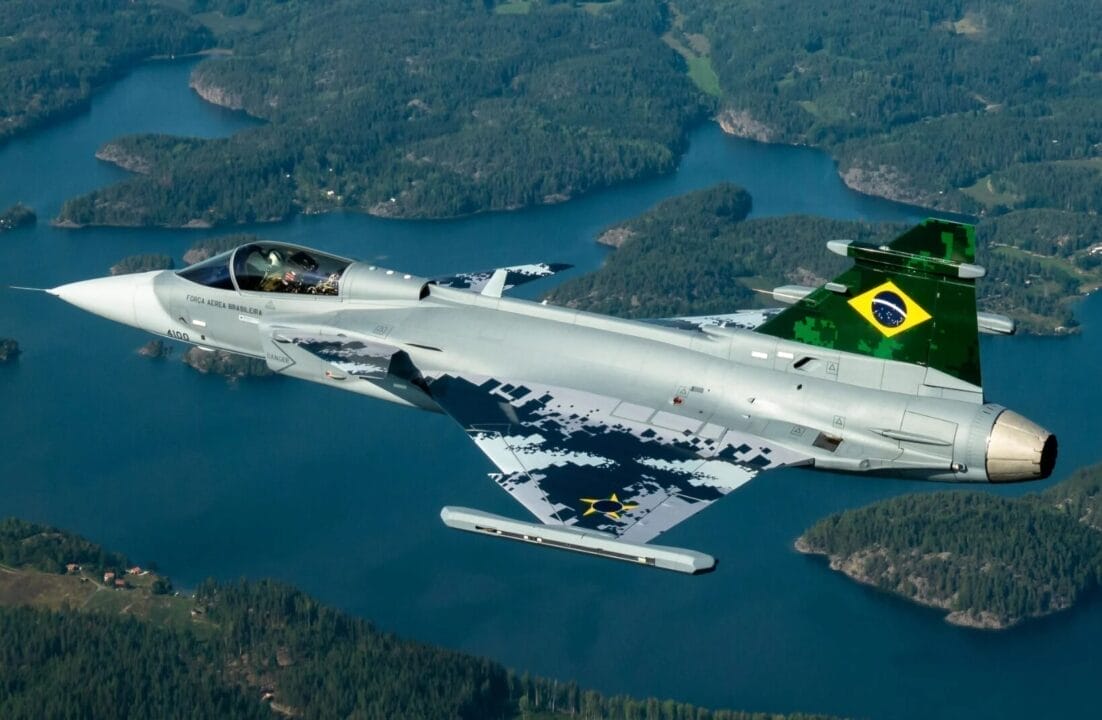
One of the recent milestones in the history of the Brazilian Air Force is the incorporation of the supersonic F-39 Gripen fighters. Designed and manufactured by the renowned Swedish company Saab, these fighters represent a qualitative leap for Brazil. The F-39 Gripen began to replace the F-5M, which were upgraded by Embraer until 2020. With the expectation that the full fleet of 36 fighters will be operational by 2027, the Gripen symbolizes the future of Brazilian air defense.
Exceptional Capabilities: The Gripen in Detail
The F-39 Gripen is a true marvel of aeronautical engineering. Capable of reaching altitudes of up to 16,000 meters and maximum speeds of 2,400 km/h, these fighters are equipped with the most advanced technology in radar and target detection systems. At an average speed of 2,100 km/h, the Gripen can cover the distance between Rio de Janeiro and São Paulo in just 12 minutes, demonstrating not only its speed but also its efficiency in rapid defense and attack missions.
Armaments and Strategy: The Versatility of the Gripen
Equipped to tackle challenges on land and at sea, the Gripen can be armed with short- and long-range air-to-air missiles, air-to-surface missiles, and laser or GPS-guided bombs. Its ability to take off with a maximum weight of 16.5 tons allows it to execute air defense missions, attack, and reconnaissance without the need to return to base for reconfiguration. This multifunctional capacity ensures that the Gripen is always ready to respond to any challenge that may arise.
The Promising Future of the Brazilian Air Force
With ongoing investments in modernization and the integration of cutting-edge technologies like the Gripen, the Brazilian Air Force is well-positioned to continue its upward trajectory in the global military hierarchy. Brazil’s growing capabilities in the air domain not only strengthen its national security but also enhance its influence as a global power. The journey to becoming one of the top air forces in the world is complex and challenging, but Brazil is clearly on the right path to achieving and possibly surpassing its strategic objectives.









Potência? O Brasil não consegue nem lidar com uma enchente, imagina uma guerra, até tomarem alguma decisão o inimigo já comeu todos.
Para atacar cidadãos do bem, patriotas, aposentados e velhinhas pedindo proteção contra um ****?