





 Portuguese
  English
  Spanish
  4 min of reading
  0 comments


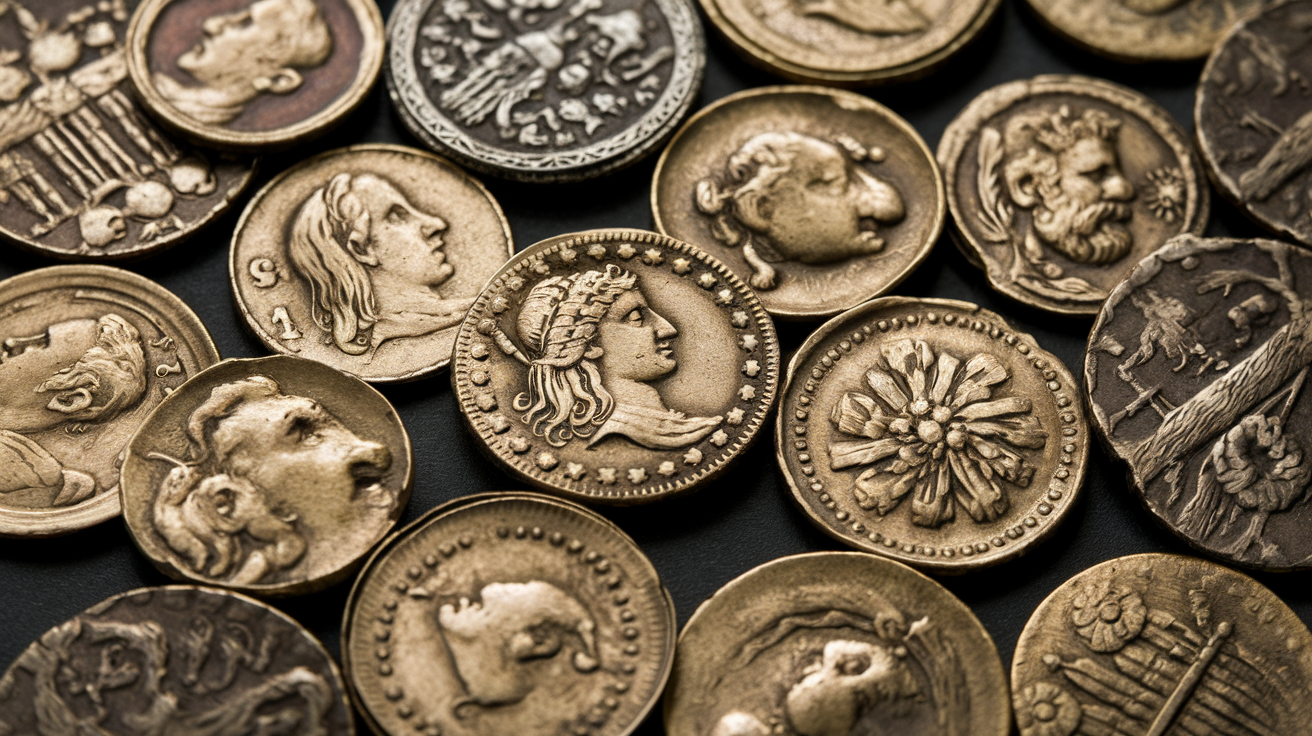
Orichalcum: The Precious Metal That Enchanted Ancient Civilizations, Is One of the Most Precious Metals Mentioned in History and Still Intrigues Archaeologists With Its Secrets Hidden in the Depths of the Past!
Precious metal orichalcum? When it comes to mystery and fascination, few topics rival orichalcum, one of the most precious metals of Antiquity, shrouded in legends and historical references. From the descriptions of philosopher Plato to recent archaeological finds, orichalcum continues to awaken the interest of researchers, historians, and the curious. Let’s explore the details of one of the most precious metals in the world and the metallic enigma that mixes history, mythology, and science.
Precious Metal Orichalcum – What Is Orichalcum?
The name orichalcum comes from ancient Greek and can be translated as “metal of the mountain” or “copper of the mountain.” According to historical records, it was considered the second most precious metal of the time, surpassed only by gold. Its characteristics made it special: a reddish-golden color and properties that made it ideal for adorning temples and minting coins.


Orichalcum was mentioned for the first time by Plato in the dialogue Critias, in which he describes the mythical island of Atlantis. According to the philosopher, the metal was extracted abundantly on the island and used to cover walls, pillars, and even the famous Temple of Poseidon, which “shone with the red light of orichalcum.” Its rarity and beauty made it a symbol of power and wealth.
-
Historic bankruptcy of Centauro shocks the market, and the century-old company puts more than 500,000 products, machines, and complete infrastructure up for online auction.

-
New shoe factory in Ceará is expected to create 400 jobs and strengthen the local economy.

-
No one imagined it, but a mixture of sawdust with a mineral that fights fires surprises scientists with a result that changes the course of fire-resistant construction.
-
From empty land to a high-end house, wooden construction uses a lightweight system, metal structure for the foundation, ventilated ceramic cladding, and special windows to create an efficient and comfortable living space throughout the year.


Orichalcum in History: Fact or Fiction – Is It One of the Most Precious Metals in the World?
Although it is widely mentioned in Greek and Roman literature, there is still no consensus on the real existence of orichalcum. For some, it is nothing more than a legend or metaphor used by Plato in his philosophical texts. Others believe that the metal did indeed exist, but that knowledge about its composition and manufacture was lost over time.
In Ancient Rome, orichalcum also appears in records, such as in the work De Officiis by Cicero, which describes it as being so similar to gold that it was often confused with it. However, after the 1st century, references to the metal practically disappeared.
Modern Discoveries: Is Orichalcum Real?
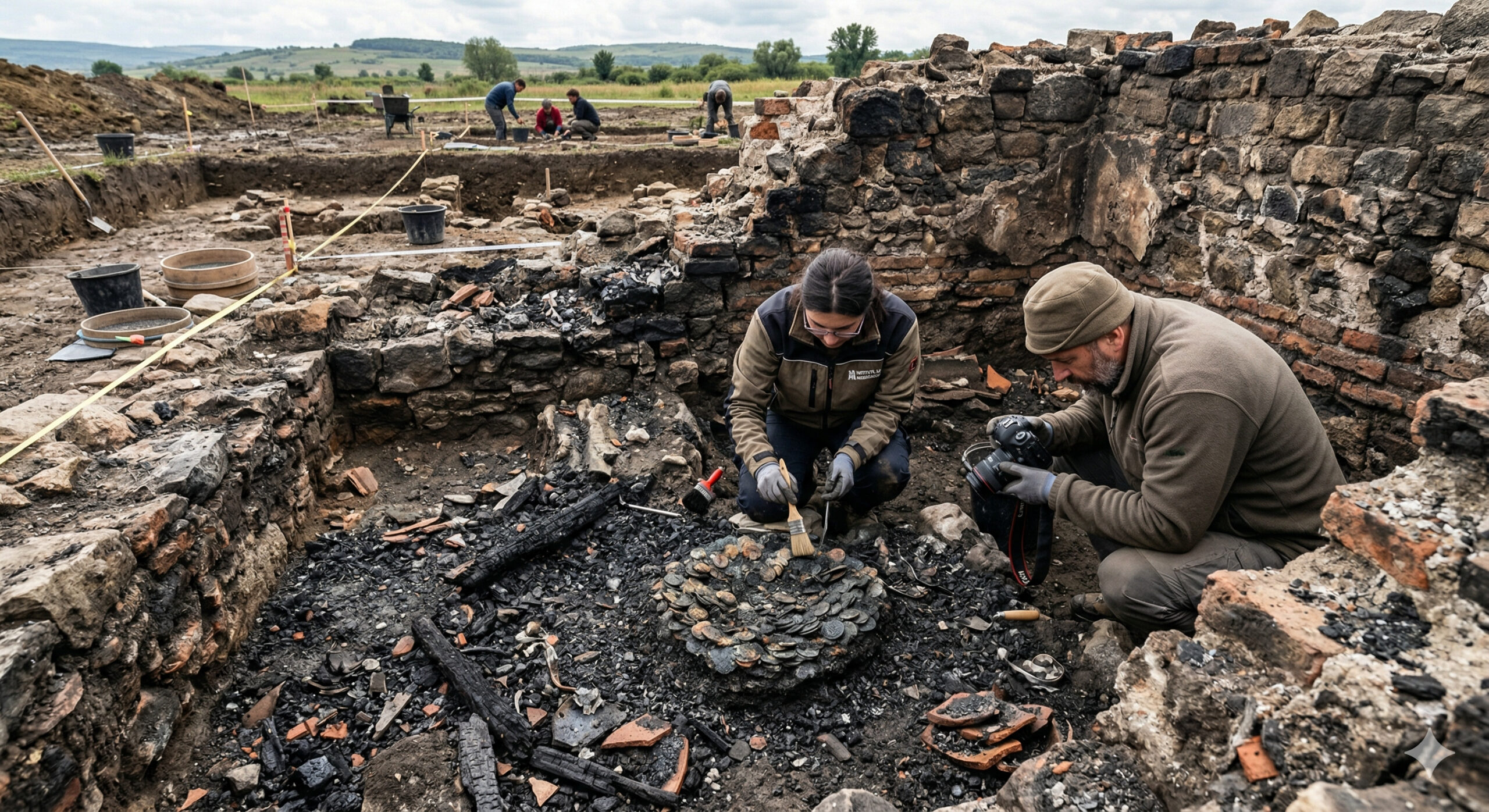
The mystery surrounding orichalcum gained new contours in 2015 when researchers found metal blocks in a shipwreck over 2,600 years old off the coast of Sicily.
Chemical analysis revealed that the ingots were made of an alloy of copper and zinc, similar to brass, also containing small amounts of nickel, lead, and iron. Although the material resembles what Plato described, there is still no conclusive evidence that it is the orichalcum mentioned in the legends.
Other archaeological finds indicate that the Romans minted coins using a similar alloy, but it is still unclear whether these coins were made from the same metal described by the Greeks and Romans.
Atlantis: The Lost Island and Its Precious Treasure
Orichalcum is closely linked to the legend of Atlantis, the island described by Plato as a rich and advanced empire that was said to have been destroyed by its arrogance. For many scholars, Atlantis was nothing more than a metaphor created by Plato to criticize the greed and corruption of nations. However, there are theorists who believe that the island may have actually existed.
In Plato’s descriptions, the wealth of Atlantis largely came from its abundance of orichalcum. He mentions that the metal was extracted in various parts of the island and used to cover buildings and sacred objects. The supposed existence of such a precious material reinforces the fascination surrounding Atlantis, fueling theories that the metal could be the key to locating the lost city.
Why Is Orichalcum So Fascinating?
In addition to its connection to Atlantis, orichalcum arouses curiosity as a symbol of power, wealth, and mystery. The possibility that it was a real metal, used by ancient civilizations, inspires not only scientific research but also works of fiction and conspiracy theories.
For some, orichalcum represents the lost knowledge of advanced civilizations. For others, it is merely an allegory about the transience of power and wealth. In any case, its story continues to intrigue.
Orichalcum and the Future of Research
Despite recent discoveries, orichalcum is still surrounded by uncertainties. Science has advanced in identifying ancient materials, but the exact composition of this metal and its historical relevance remain open to interpretations. Are the ingots found in Sicily truly orichalcum or just a primitive version of brass? And what role did this metal play in Greek and Roman cultures?
While these questions remain unanswered, orichalcum remains one of the greatest mysteries in history, a lost link between reality and mythology that continues to inspire the imagination of those who encounter its story.
Orichalcum is more than just a simple metal: it is a symbol of an era when mythology and reality intertwined. Whether real or a product of the imagination of philosophers and poets, it invites us to explore the past with a curious and questioning gaze. After all, the story of orichalcum is not just about a precious material, but also about humanity’s relentless quest to understand its mysteries and legends.







-

-

3 pessoas reagiram a isso.