





 Português
  Inglês
  Espanhol
  4 min de leitura
  0 comentários


Nickel Mining and Indigenous People at Risk: Understand How the Search for Nickel for Electric Cars Is Destroying Forests and Communities
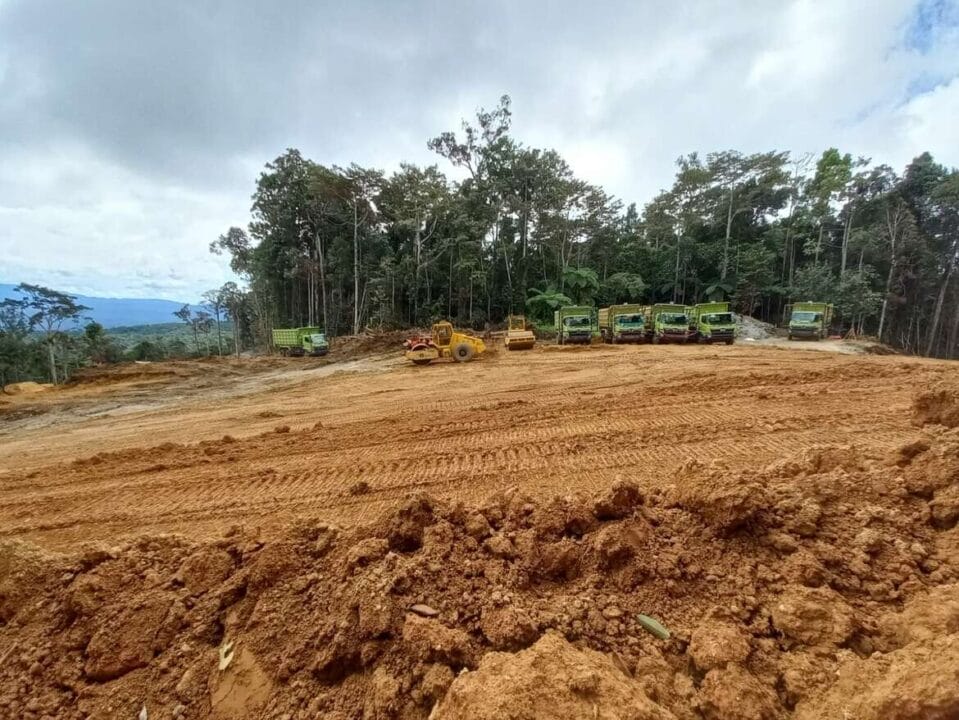
Last year, the images went viral. At that time, the green light was given for logging and mining operations in Indonesia, penetrating the rainforest of the isolated Hongana Manyawa people. What impacted was not so much the arrival of the machines, but the apparent struggle of two indigenous individuals with the excavator, waving their weapons to express that their presence was unwelcome. The latest images generated more controversy about the situation in the region. In the background: the search for nickel.
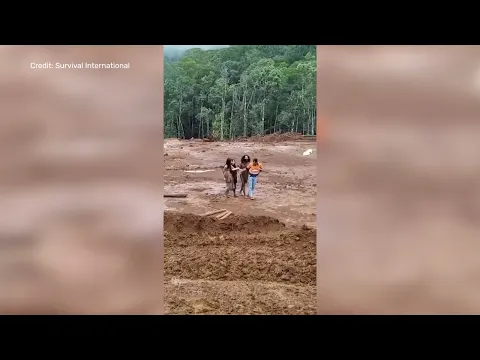
The images show an isolated tribe in Indonesia asking for help from miners who are destroying their land to obtain nickel for electric cars.
The Tribe Asks for Help
The clip shows several Hongana Manyawa approaching the miners who are deforesting their land. In this case, not to stop them, but to ask for help. According to Survival International, the NGO that shared the video, they were asking for food. “We do not know if they will survive after the encounter, nor for how long. They may have contracted any number of diseases that could be fatal for them. Or they may die of hunger; the reason they left their territory is that their increasingly shrunk territory can no longer feed them,” the NGO states.
-
Historic bankruptcy of Centauro shocks the market, and the century-old company puts more than 500,000 products, machines, and complete infrastructure up for online auction.

-
Brazil extracts 26.3 million tons of ore from what was previously treated as waste, transforming residues into wealth, producing over 3 million tons of sand, and demonstrating how national mining is relearning to generate value.
-
A $3.5 billion megaproject in Latin America pumps desalinated seawater at 1,050 liters per second over 194 km to keep a copper supermine in the Andes operational for another 20 years.
-
New shoe factory in Ceará is expected to create 400 jobs and strengthen the local economy.

In fact, Survival claims to have contacted a person from the Hongana Manyawa who expressed that their people are dying of hunger as a result of mining and deforestation of their ancestral rainforest.
The Hongana Manyawa
Until recently, they were one of the few isolated tribes. They live on the island of Halmahera and are one of the last nomadic tribes of hunter-gatherers in Indonesia. It is estimated that there are between 300 and 500 members isolated by their own choice, as well as 3,000 Hongana Manyawa who were contacted in the 1980s and maintain some contact with the outside world.
The Problem: Nickel Mining
The arrival of machines and different mining companies to the region is no surprise. The site sits atop one of the largest nickel reserves in the world, and in recent years, the demand for the mineral has skyrocketed due to its use in electric car batteries, attracting the attention of international mining corporations to the island.
It is one of the key companies in the region. A company partially owned by the French mining company Eramet that began mining operations on the island in 2019 and has significant plans to intensify its efforts in the coming decades. According to Survival, the German chemical company BASF seeks to partner with them in Halmahera to conduct a major smelting project in the region. Essentially, turning nickel into a grade that can be used for electric car batteries.
In turn, Weda Bay Nickel argues that its mining concessions are not near the lands inhabited by isolated peoples. However, Survival states that leaked internal documents indicate that the company hired anthropologists who warned about the presence of the isolated Hongana Manyawa people in the area and surroundings.

Tesla and Its Investment in Mining in the Region
The company has invested 5 billion dollars with the Indonesian government so far, in addition to partnering with several companies connected to the Weda Bay mining company located on the island. Musk’s company’s agreement is to purchase nickel and cobalt, although, when questioned about the situation, the response refers to the internal code of conduct, which establishes guarantees that are not always fulfilled for the extraction and processing of the raw materials for their products. After all, nickel is essential for battery production.
In any case, Tesla has expressed that it “expects” its mining industry suppliers to “commit to the legitimate representatives of indigenous communities and include the right to free, prior, and informed consent in their operations.” Still, the American company is also associated with business with other less “dialogue-oriented” companies on the island, such as the Chinese Huayou Cobalt or CNGR Advanced Material.
The Key, A Concession
If you are wondering how it all started, we must go back to 1998 when approximately 45,000 hectares were granted to Weda Bay Nickel by the then-military dictator of Indonesia, Suharto. For several years, due to the decline in the nickel market, the project was stalled, but it was resumed with intensity after the Chinese conglomerate Tsingshan Holding Group joined with a majority stake through a subsidiary in 2017.
The Paradox of “Sustainable” Cars
Although it is believed that electric car consumption is better for the planet than internal combustion vehicles, there are still externalities, hence paradoxes occur such as the supply chain leading to a scarcity of materials and ending up somehow associated with the destruction of forests and indigenous peoples.
For Survival, “it is also not respectful to the climate to destroy the Hongana Manyawa jungle, devastating vast forest areas in the interior of Halmahera by companies seeking to project an ecological image and claiming to defend a sustainable lifestyle for people living thousands of miles away,” they conclude.
Image | Survival









Seja o primeiro a reagir!