





 Portuguese
  English
  Spanish
  3 min of reading
  0 comments


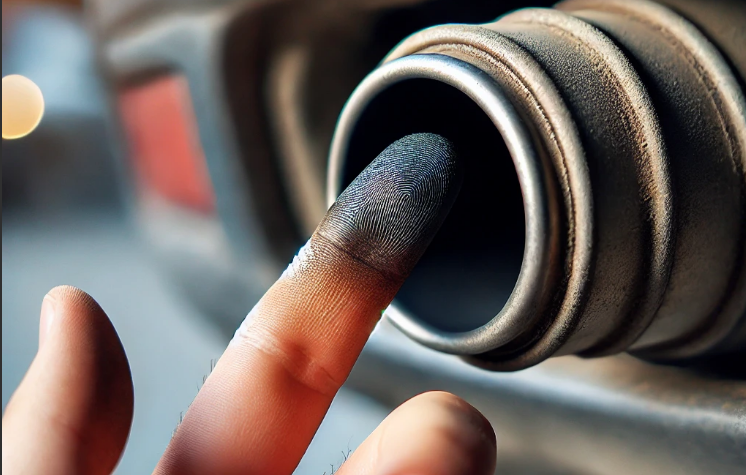
A Practical And Quick Method: Learn How The Touch Test On The Exhaust Can Identify Engine Problems And Ensure The Good Functioning Of Your Car
Taking care of your car goes beyond changing the oil or inflating the tires. Just as the famous touch test helps in the early detection of prostate issues, a simple diagnosis done directly on the exhaust of the vehicle can reveal important engine failures and prevent more costly repairs. The so-called “automotive touch test” is a simple yet effective practice that any driver can perform.
With just a touch on the exhaust, it is possible to identify everything from minor leaks to serious failures. The secret lies in the residues left on your fingertips after the test. Below, see how to interpret the signs and take better care of your car.
What To Observe During The Test
- Oil Residue: If you notice oil on the exhaust, this may indicate problems with the piston rings, the cylinder head seal, or the turbocharger shaft if the engine is supercharged. These components, when worn out, compromise the engine’s sealing, allowing oil to enter the combustion chambers.
- Soot: A dirty finger with carbon particles indicates that the engine is burning excess fuel. This may be caused by misadjusted fuel injectors or inefficient spark plugs. Both situations affect performance and increase fuel consumption.
- Presence Of Water: If you find water in the exhaust while the engine is still warming up, don’t worry. This is normal and occurs due to natural condensation in the exhaust system. However, if the water persists even after the engine reaches the ideal temperature, there may be an issue with the cylinder head or its gasket. Cracks or burns on this part allow coolant to leak into the combustion chamber, which requires immediate attention.
Smoke
In addition to touch, observing the smoke expelled from the exhaust is an efficient way to detect failures. Each color of smoke indicates a specific problem:
-
A French brand placed a car on four huge red balloons to prove that its suspension made the vehicle “float,” and the surreal scene became one of the most iconic and unusual images in automotive history.

-
Jeep Avenger begins production in Brazil, debuting as the brand’s new entry-level SUV and inaugurating an unprecedented phase by becoming the first national Jeep manufactured outside of Goiana, as part of a R$ 3 billion plan.
-
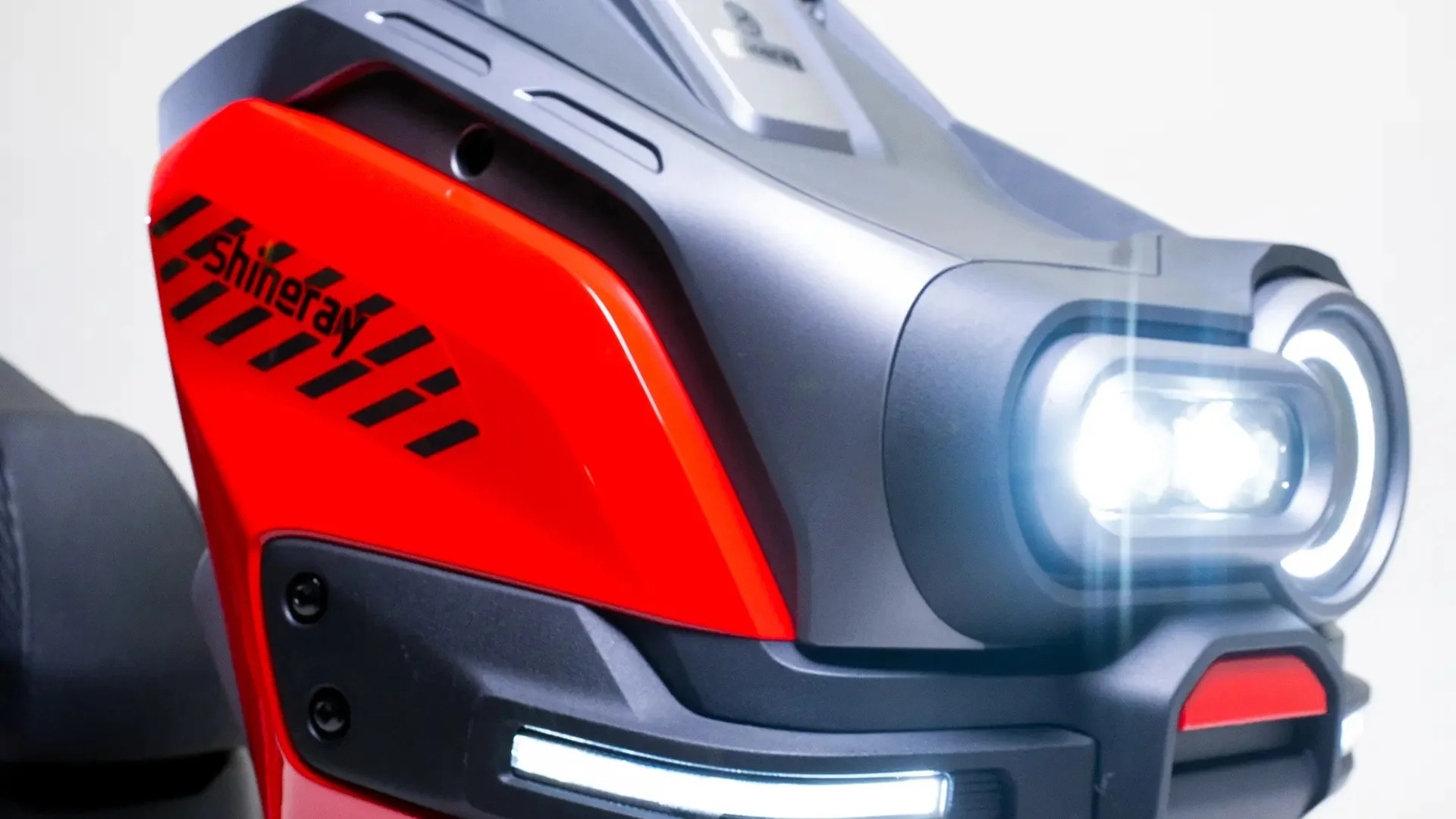
Costing R$ 12,490, the new Shineray Urban Lite 150 “cheap one” arrives in Brazil with a CVT transmission, digital dashboard, and LED lights, making it more affordable than the Biz and targeting those who want to abandon the bus.
-
Ducati brings to Brazil the Superleggera V4 Centenario: 228 hp that become 247 with a track kit, carbon fiber and carbon-ceramic brakes, estimated price between R$ 1.5 and 2 million, deliveries only in 2027.


- Black Smoke: This is a sign of excess fuel. The engine is working inefficiently, burning more than it should.
- Blue Smoke: Indicates the burning of lubricating oil. This may be a consequence of wear on the seals or the sealing rings, similar to the issues detected by the oil residue in the touch test.
- White Smoke: If the engine is already warmed up and the smoke remains white, there is excess water being vaporized. Like the presence of water in the touch test, the problem may be related to the cylinder head or a damaged gasket.
The Exam As Prevention
Practicing the “automotive touch test” regularly helps identify warning signs before they turn into bigger problems. It is a simple and economical measure, but it requires attention to detail, and if anything unusual is identified, consulting a trusted mechanic is essential.
Although many people still view automotive maintenance as secondary, practices like this show that small cares make all the difference. After all, early diagnosis prevents unpleasant surprises and keeps the car functioning efficiently and safely.
Get your hands dirty – or rather, on the exhaust – and discover how your vehicle’s health is. After all, prevention is always the best path, whether for the body or for the car.










Seja o primeiro a reagir!