





 Portuguese
  English
  Spanish
  4 min of reading
  0 comments


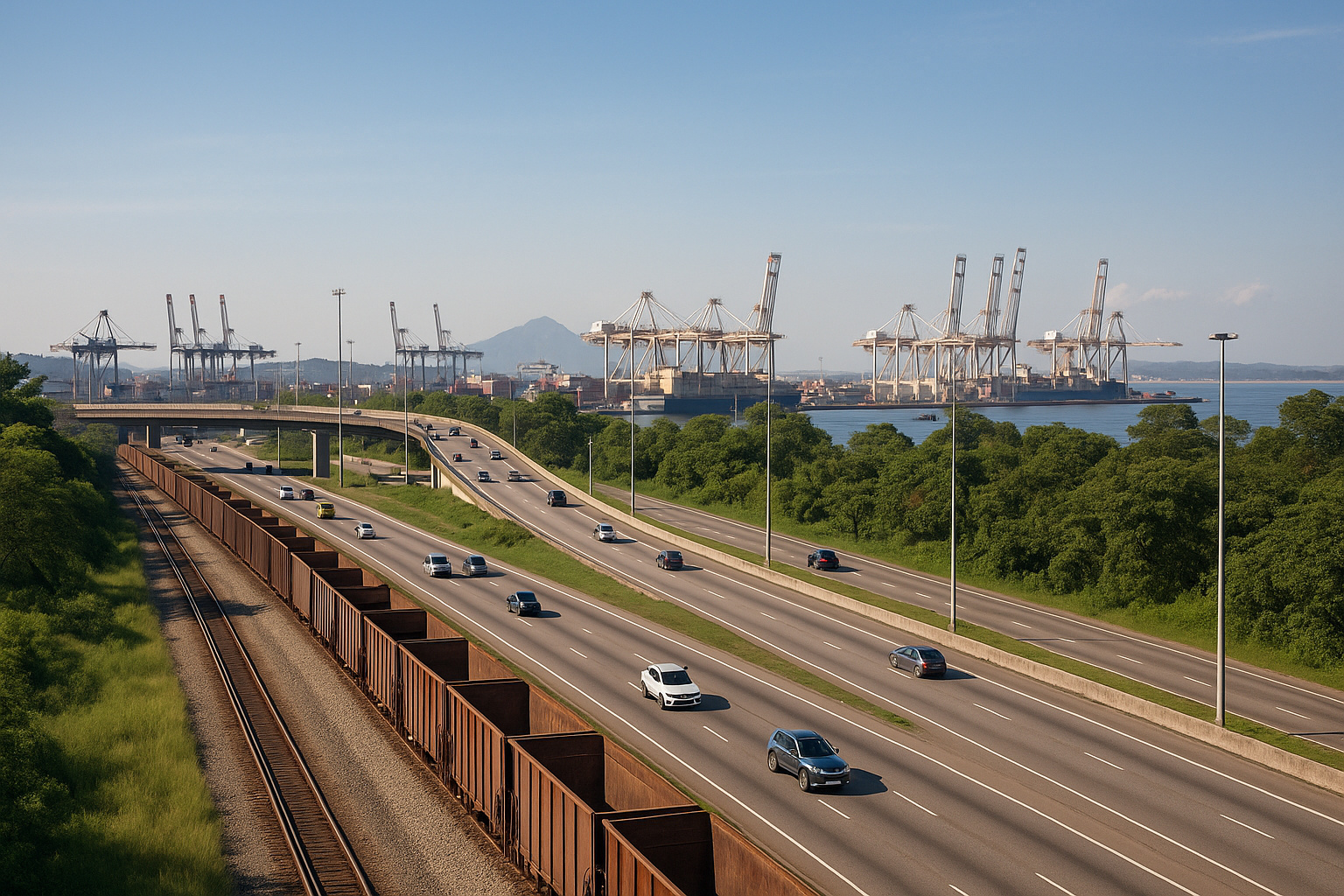
Understand How Infrastructure in Brazil Impacts Economic Growth, Logistics, and Market Performance Directly and Enduringly.
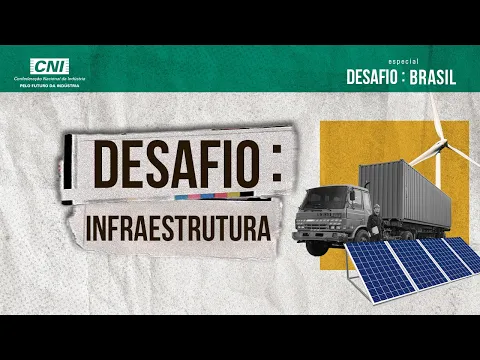
The infrastructure in Brazil underpins the country’s economic growth and social development.
Although it often gains attention only in crises or election campaigns, it permeates almost every aspect of daily life and, consequently, directly influences market performance, both internally and externally.
Through it, products and services reach consumers, industries operate, and the economy connects with the world.
-
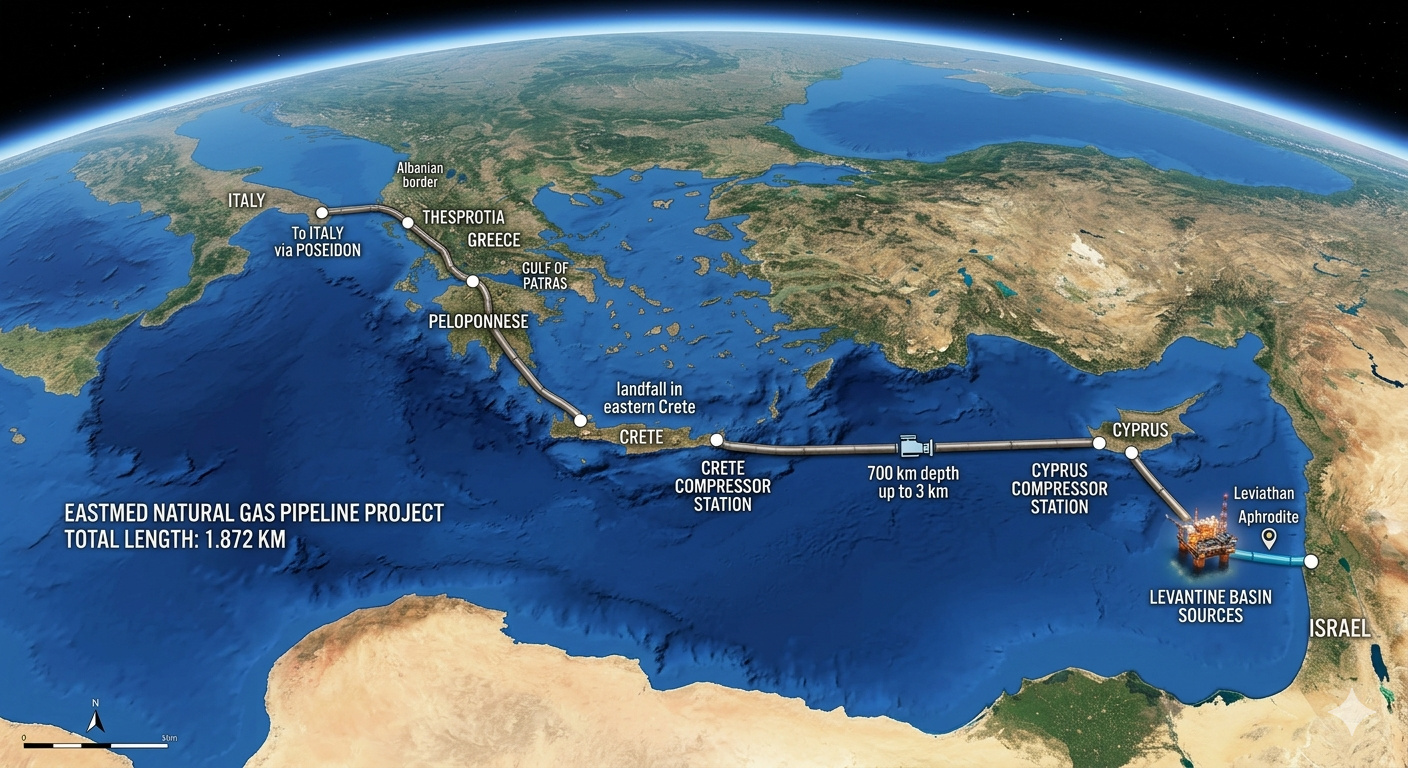
Israel, Greece, and Cyprus signed an agreement in 2020 to transport gas from the Mediterranean to Europe via a 1,872 km pipeline, but Turkey claimed sovereignty over part of the maritime route, and the project never materialized.
-
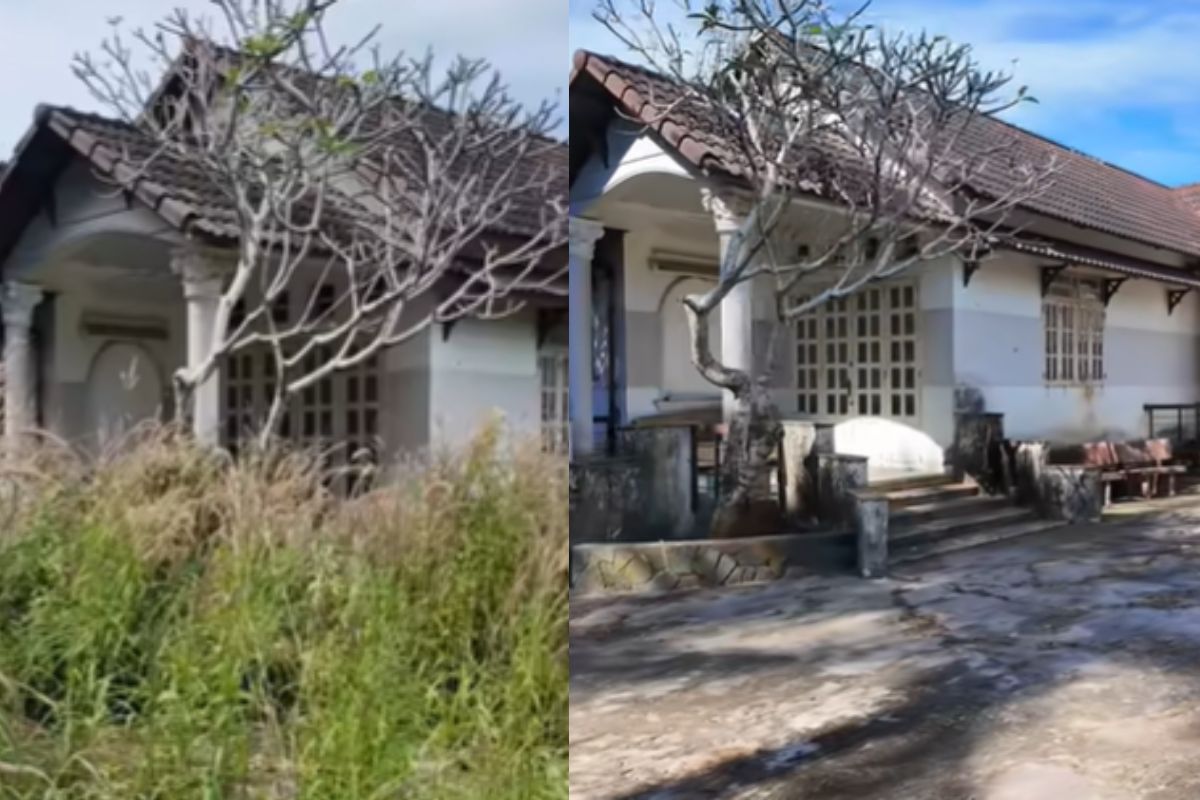
Abandoned house for 15 years disappears in the woods, shocks owner with unrecognizable scenery and is reborn in an intense transformation after almost 90 hours of work in just 10 days.
-
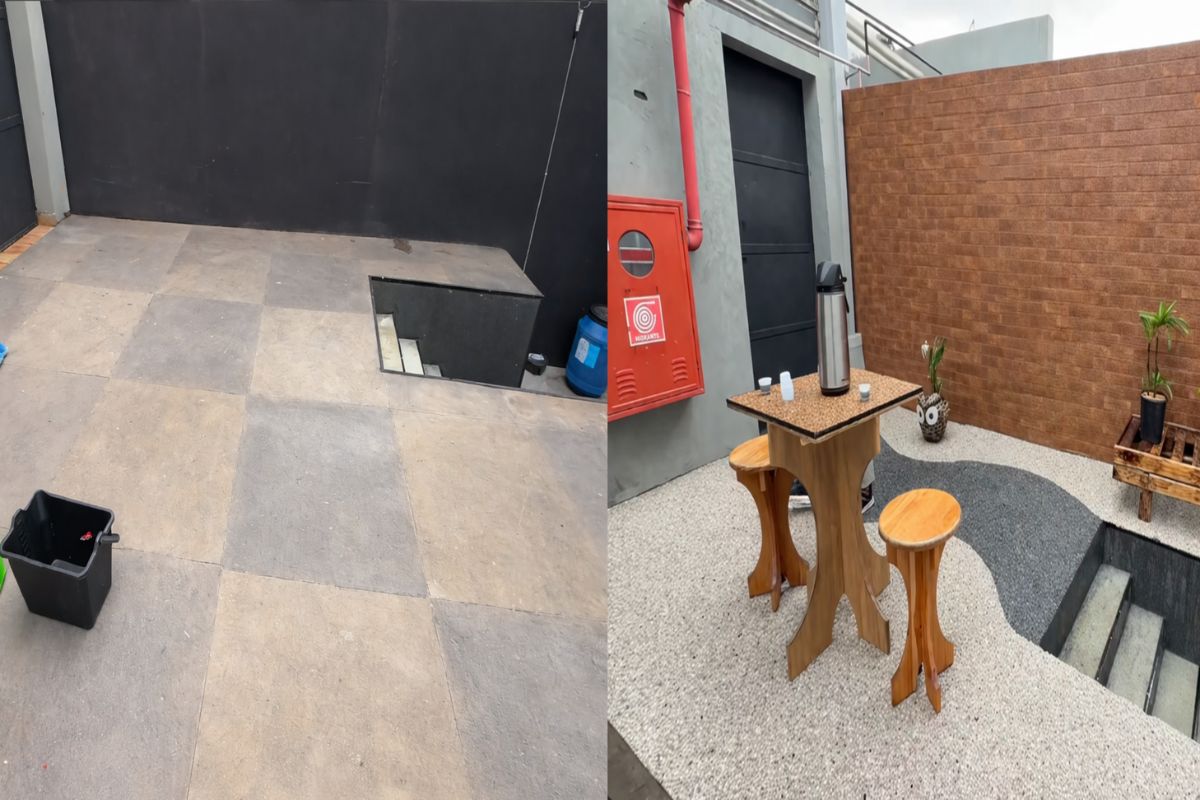
In just three hours, a natural stone floor transforms the entrance of the house with an organic effect, immediate drainage, and a sophisticated non-slip finish that doesn’t puddle water, dries quickly, and impresses with the final result.
-
‘Interlocking brick’ made of earth arrives in the construction industry with cost reductions of up to 40% on the project.
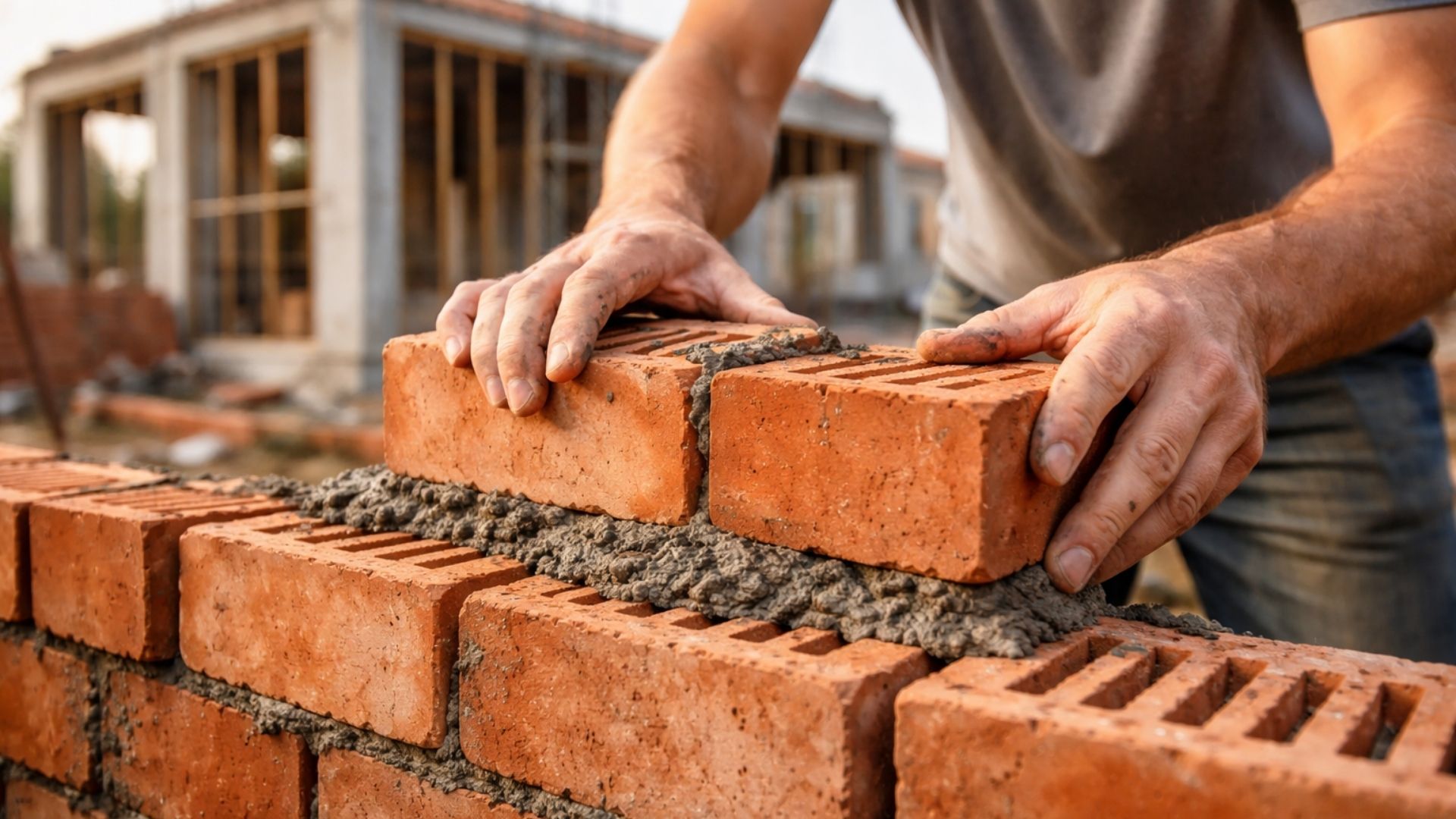

Throughout Brazil’s history, the development of infrastructure has faced ups and downs. In fact, there have always been challenges related to territorial extent, regional inequality, and financial limitations.
During the colonial period, which extends from the 16th century to the early 19th century, the focus was on extracting natural wealth, primarily gold, sugar, and coffee.
According to the Brazilian Institute of Geography and Statistics (IBGE), the roads built during this period served to transport these riches to the ports, which contributed to the colony’s economic development but not to territorial and social integration.
With the coffee cycle in the 19th century, private entrepreneurs, according to records from the Museum of the Republic, created the first railways to facilitate transportation of production to the ports, especially in the Southeast.
These railways significantly increased agricultural transport capacity, consolidating the export economy.
In the 20th century, especially from the 1950s onward, the federal government, according to data from the Ministry of Infrastructure, intensified industrialization and urbanization, which increased the demand for transportation, energy, and communication to sustain the expanding internal market.
The Dependency on Road Transportation and Its Impacts
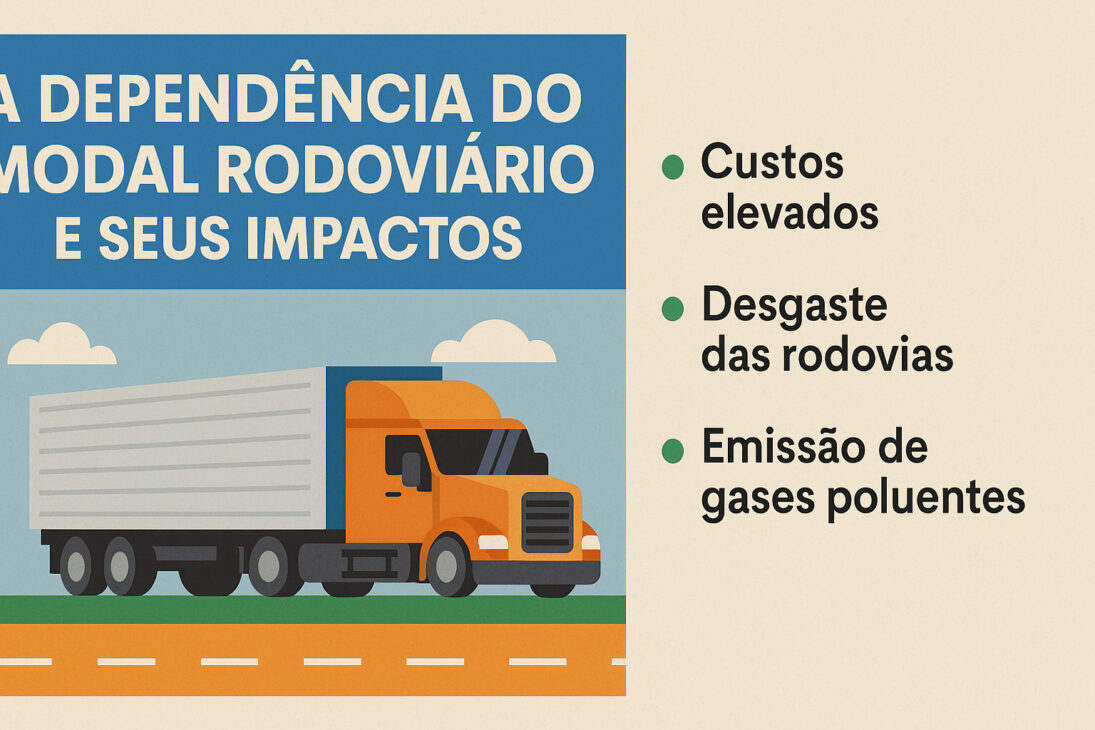
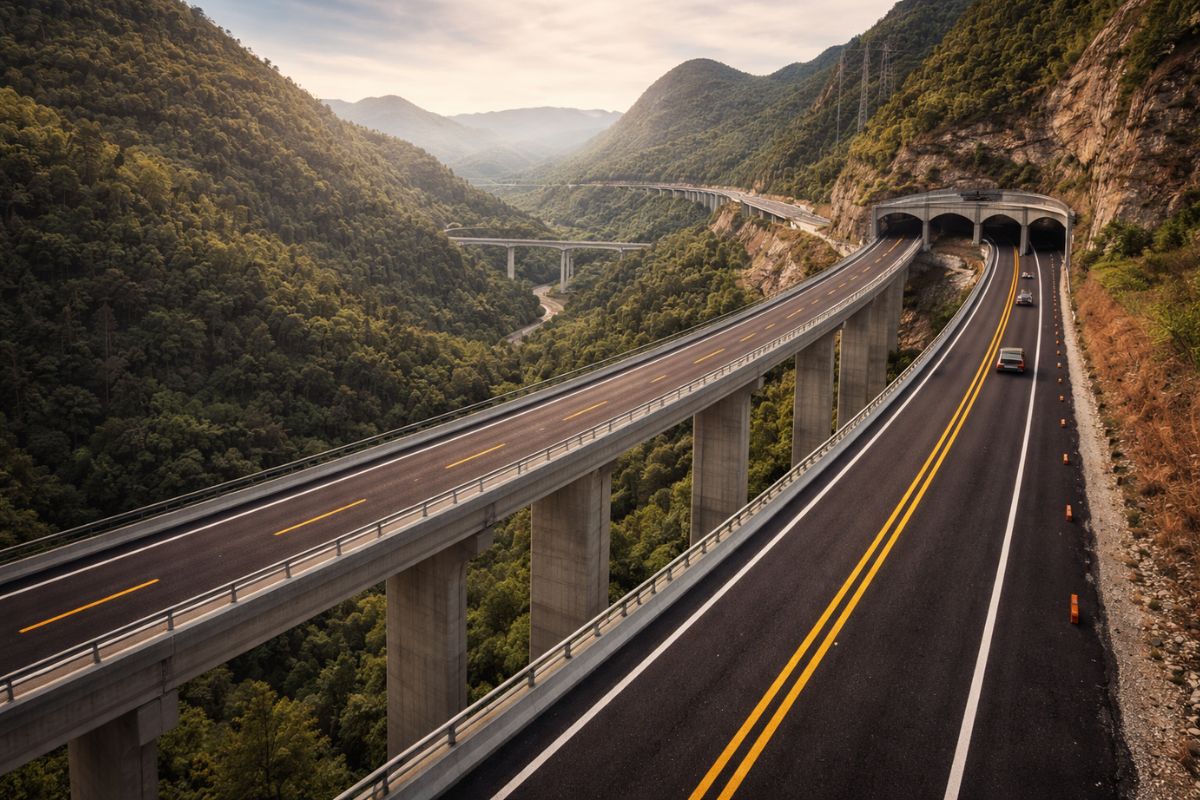
During the government of Juscelino Kubitschek in the 1950s, the policy known as “fifty years in five” prioritized the construction of highways.
According to the National Department of Transport Infrastructure (DNIT), this decision consolidated the dependence on road transportation in Brazil.
Leading to today over 60% of cargo being transported by roads.
The Annual Transport Report from IBGE, in 2023, indicates that this strong dependence results in high costs, wear of highways, and vulnerability to accidents that directly impact logistics and the competitiveness of companies.
Moreover, the National Institute of Meteorology (INMET) warns that the increase in pollutant emissions due to road transportation compromises sustainable development, aggravating environmental problems.
Although road transportation offers flexibility, the lack of investment and maintenance leaves many roads in poor condition.
Raising operational costs and risks, harming the productive chain.
Ports and Railways: Bottlenecks and Opportunities
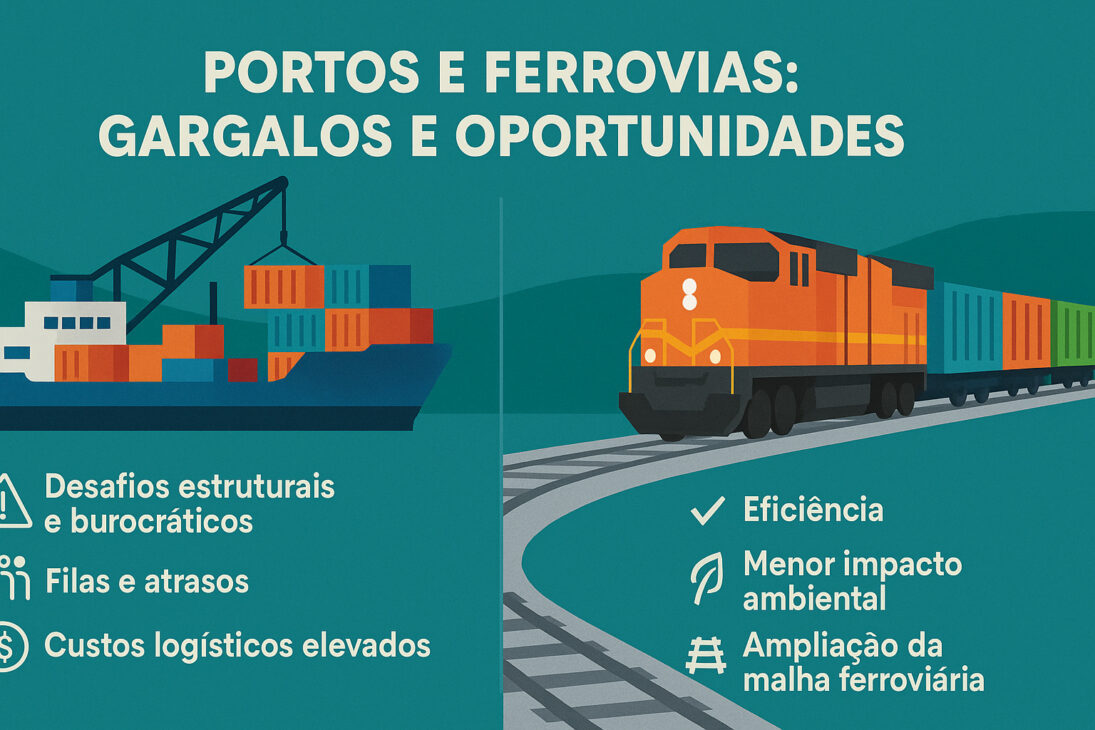
According to the National Waterway Transportation Agency (ANTAQ), Brazilian ports face structural and bureaucratic challenges that create queues and delays in loading and unloading.
This increases logistics costs and hampers the export of commodities, especially agricultural and mineral products.
Railways, although efficient, do not have a sufficiently developed or distributed rail network.
According to data from the Ministry of Infrastructure in 2023, many sections are deactivated or poorly maintained, limiting internal transport.
The potential of railways, recognized in studies by the National Confederation of Industry (CNI), is significant, as they consume less energy and have a lower environmental impact compared to road transportation.
Therefore, public policies and partnerships are essential to expand the railway network and reduce logistical costs.
Energy and Sanitation: Basic Infrastructure Remains a Challenge
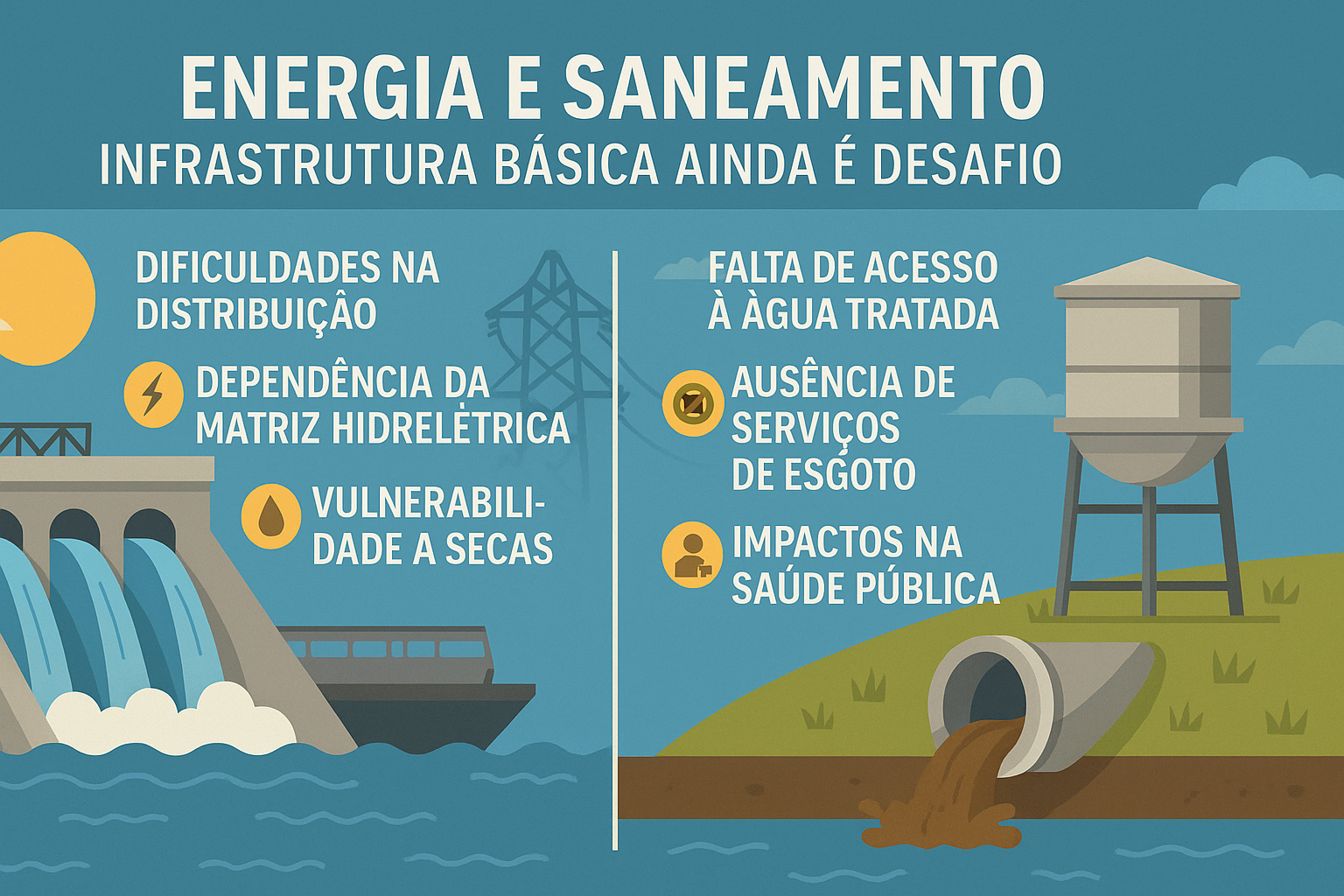
According to the National Electric System Operator (ONS), despite advances in renewable energy:
Brazil still faces difficulties in energy distribution and access in remote areas, affecting industrial production and investor confidence.
The dependency on the hydroelectric matrix, vulnerable to droughts, is identified as a critical factor by the National Institute for Space Research (INPE), which monitors climate change.
In sanitation, the National Sanitation Information System (SNIS) from 2023 reveals that millions of Brazilians still live without adequate access to treated water and sewage, which limits local development and generates costs for the public health system.
Private Initiative and Sustainability as Paths to Progress
In recent years, private sector participation through concessions and public-private partnerships (PPPs), according to data from the National Land Transportation Agency (ANTT), has accelerated the modernization of infrastructure.
Moreover, the Ministry of the Environment highlights that sustainable growth depends on a balance between economic development and environmental preservation, promoting green infrastructure and smart cities.
The use of technologies for emission reduction and environmental conservation is also essential for the future of infrastructure in the country.
Infrastructure in Brazil as a Foundation for Development
For the market, efficient infrastructure means reduction of costs, increase in productivity, agility in deliveries, and opening up for new business.
Regions with better infrastructure attract more companies, create jobs, and offer better living conditions, as shown by studies from the National Confederation of Commerce (CNC).
On the other hand, areas with poor infrastructure face economic stagnation and lower competitiveness.
Therefore, strategically planning, ensuring continuity of public policies, and fostering public-private partnerships are essential actions to transform infrastructure in Brazil, according to recommendations from the Ministry of Economy.
In summary, infrastructure in Brazil goes beyond physical works. It is the foundation of the country’s economic, social, and environmental development.
Its influence on the market occurs directly, affecting everything from the price of a product to the ability of a small entrepreneur to grow.
Thus, improving this infrastructure is a crucial step to build a more competitive, balanced, and sustainable future for all Brazilians.





Seja o primeiro a reagir!