





 Portuguese
  English
  Spanish
  5 min of reading
  0 comments


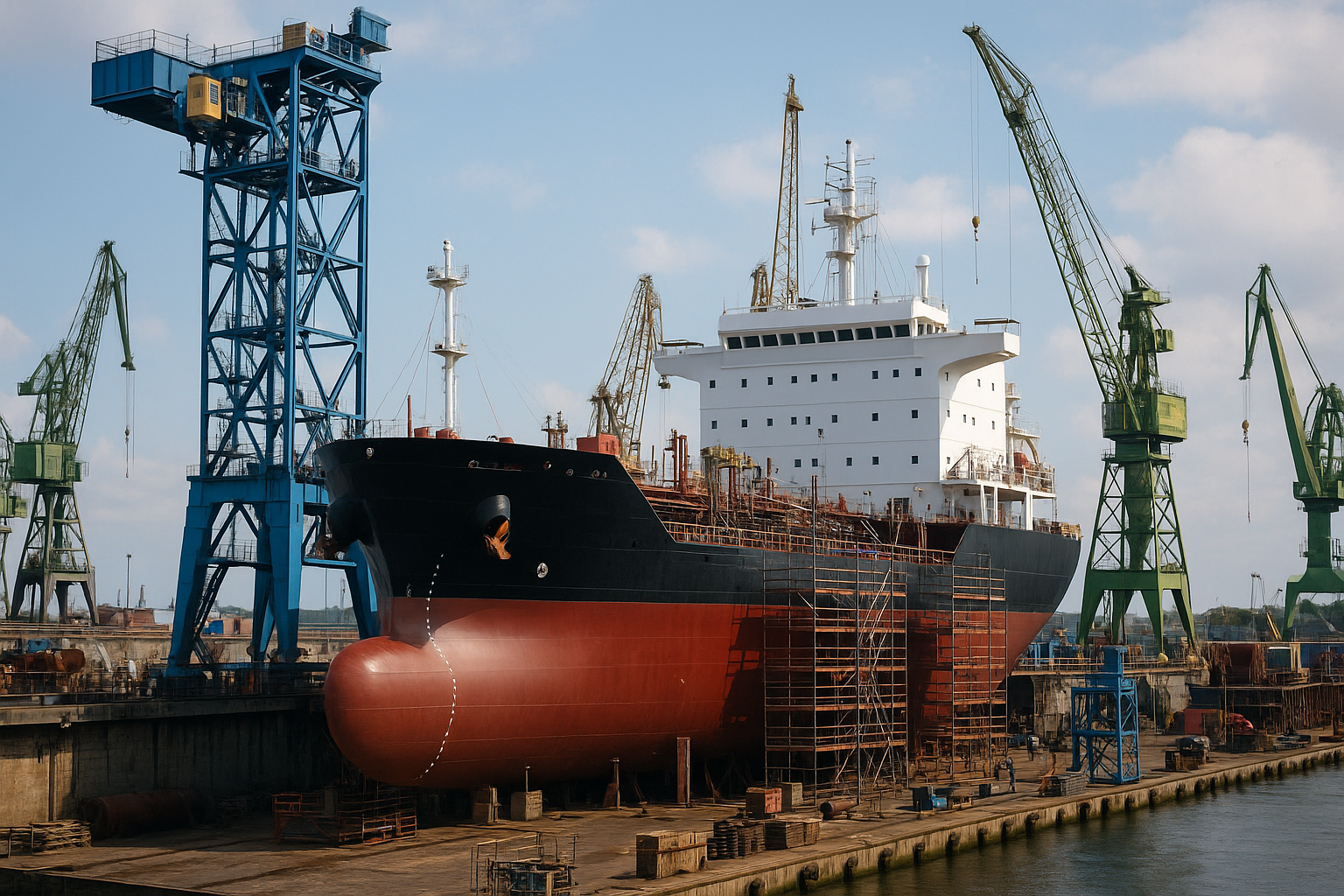
Understand How Investments in the Naval Industry Drive the Economy, Strengthen Trade, and Shape the Development of Diverse Sectors Around the World.
The naval industry has always played an essential role in economic development in many countries.
From the Age of Exploration, through the Industrial Revolution to the present day, investments in the naval industry have shaped not only international trade but also geopolitics, job generation, and technological innovation.
Thus, understanding how these investments work and their impacts on the market helps to better understand the paths of the global economy and the sectors that benefit from this production chain.
-
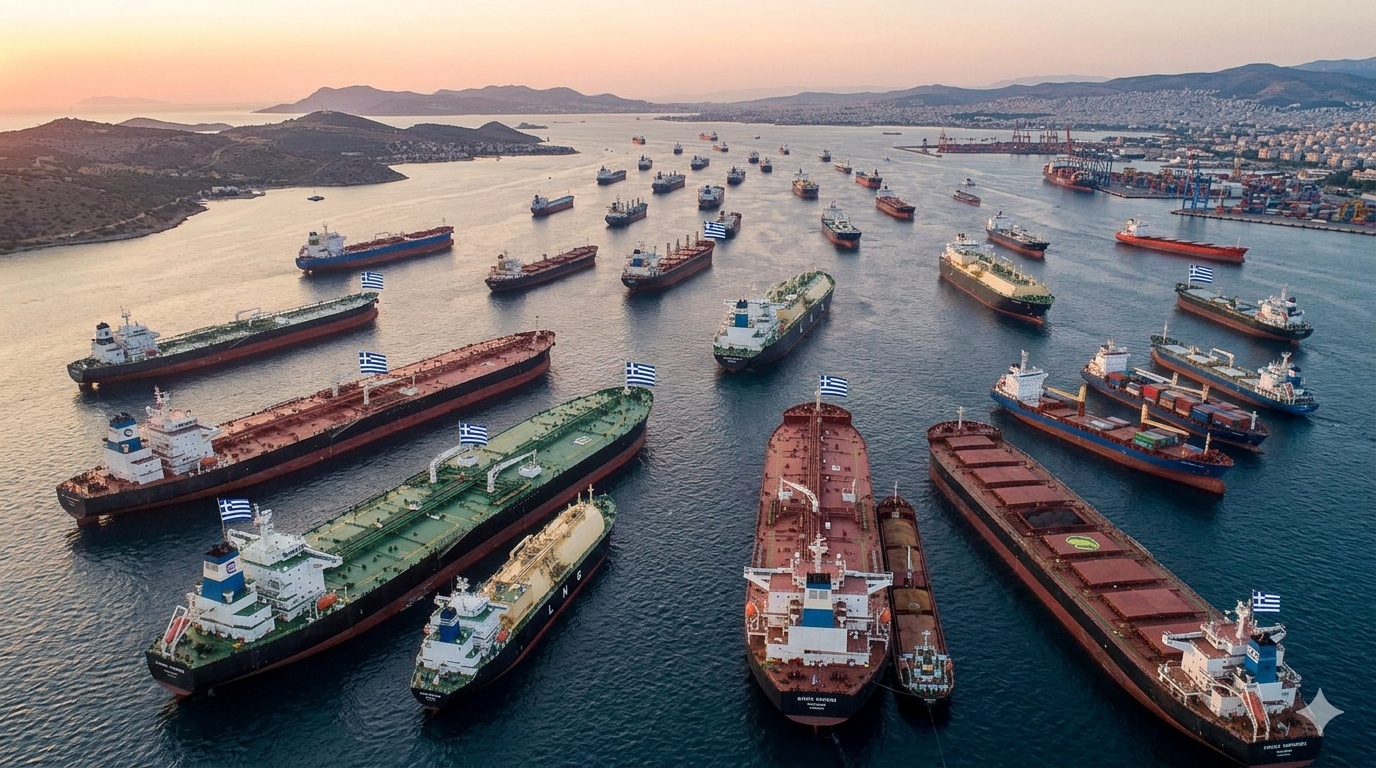
Neither the USA nor China: a small European nation has become one of the largest maritime powers on the planet, controlling one of the largest merchant fleets in the world with thousands of ships and dominating the global transportation of oil and strategic cargo.
-
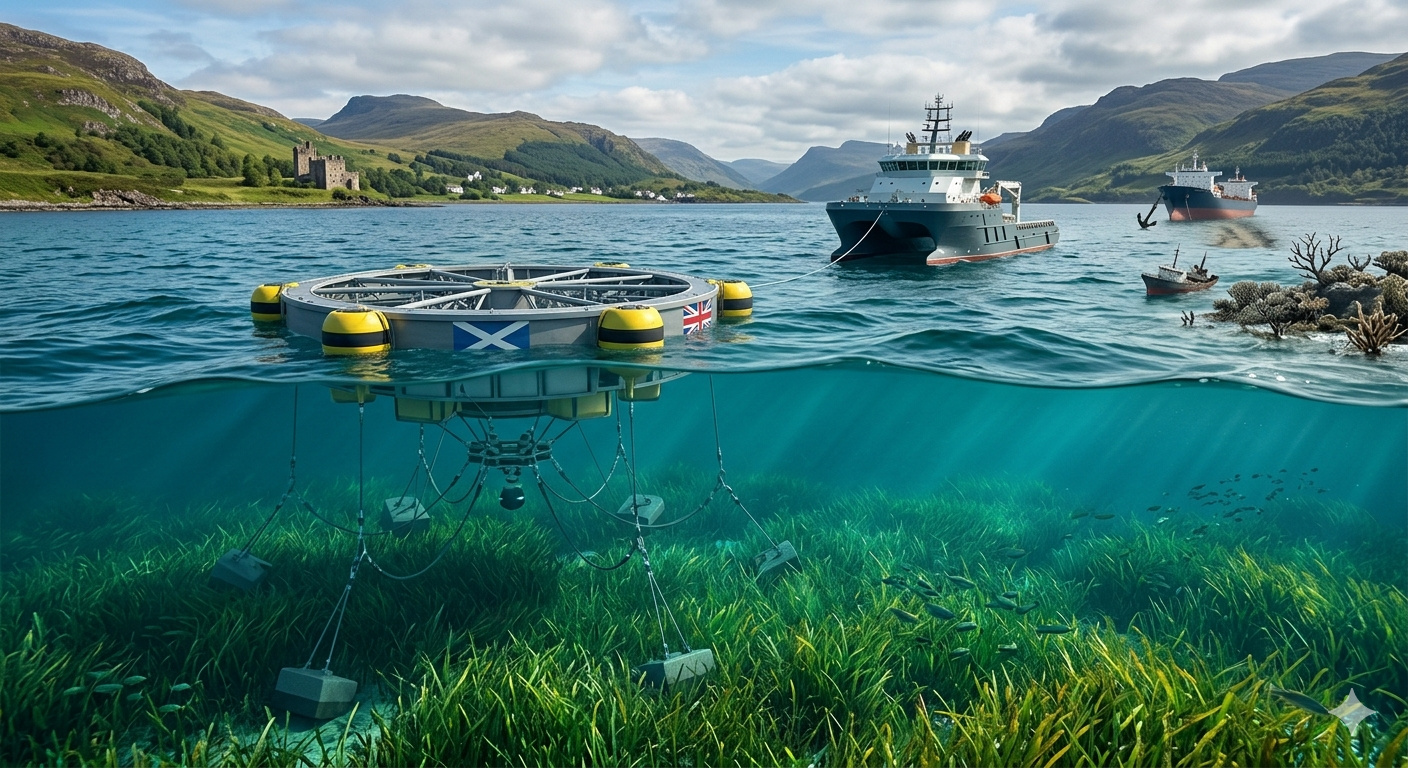
Scotland and the United Kingdom have created a new anchoring system that floats in the water without touching the seabed, after discovering that the current from a conventional anchor destroys up to 50 m² of seagrass meadow per event and that ship-damaged reefs showed no signs of recovery even ten years later.
-
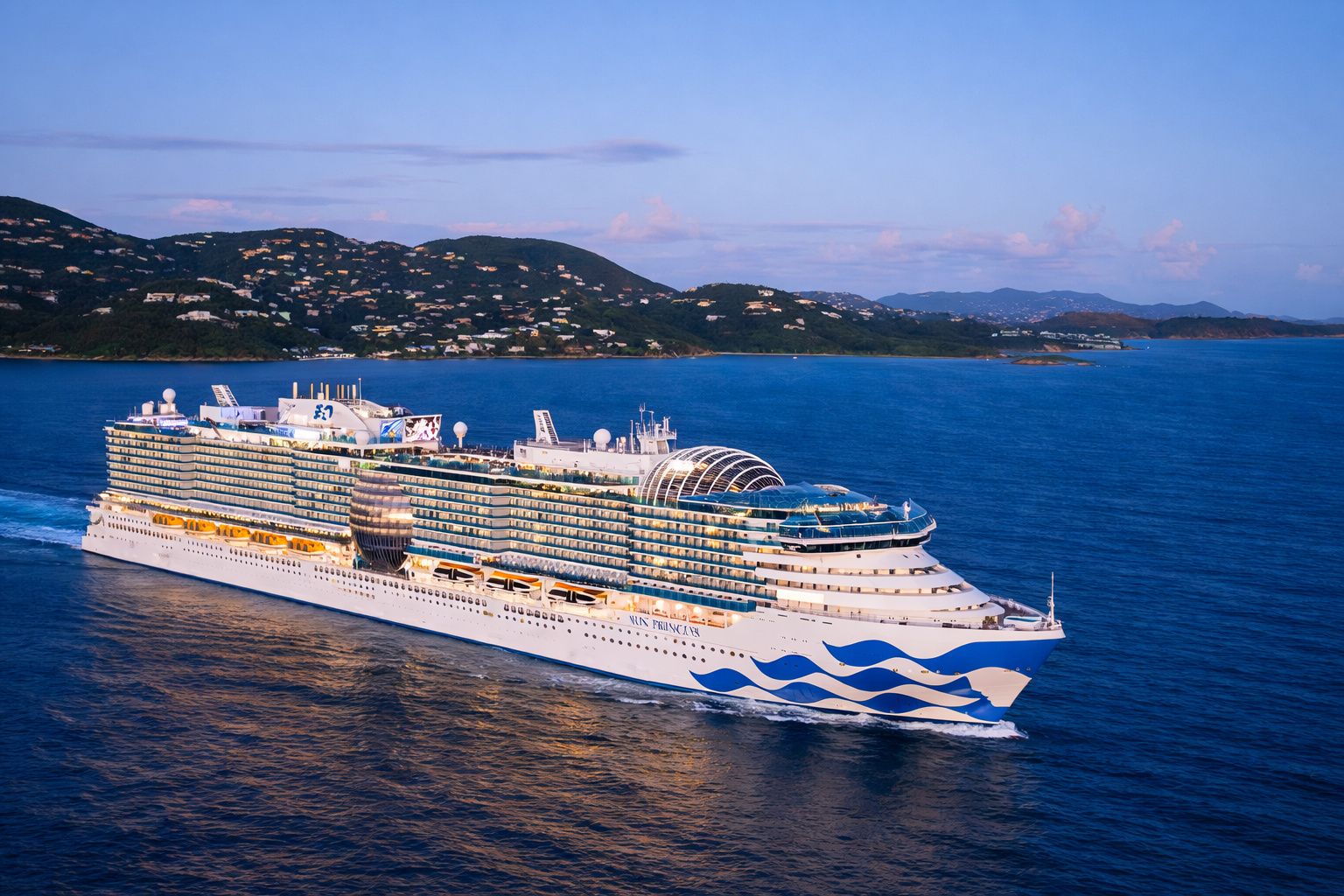
Weighing 175,500 Tons, Measuring 345 Meters Long, and With Capacity for Over 4,300 Passengers, the Sun Princess Becomes the Largest Ship Ever Built by Princess Cruises and Attracts Global Attention for Its Huge Glass Dome Inspired by Santorini’s Architecture Installed on Top of the Vessel
-
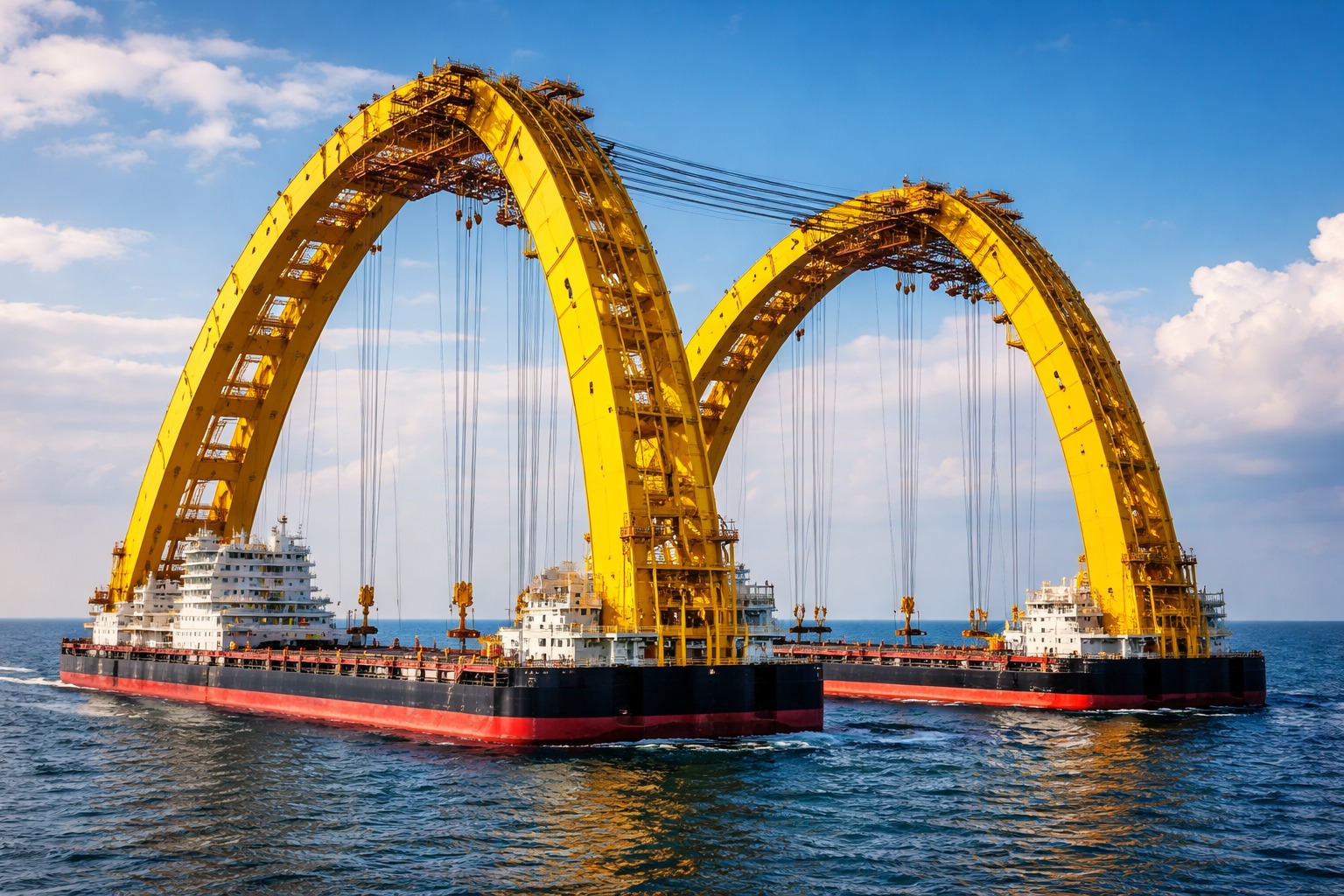
TX-10, The Colossus of The Sea: Largest Lifter Ship in The U.S., With Two Giant Barges, 73-Meter Tall Structure, and Strength to Raise 7,500 Tons of Sunken Oil Rigs

Historically, the earliest ship constructions date back to ancient civilizations, such as the Egyptians, Phoenicians, and Greeks, who already used vessels for trade, war, and exploration.
However, the naval sector gained worldwide prominence during the Age of Exploration, between the 15th and 17th centuries.
For instance, countries like Portugal, Spain, and England invested heavily in shipbuilding, which allowed for maritime expansion, colonization of new lands, and control of trade routes.
These investments, therefore, brought wealth and established the power of these nations over the seas.
At that time, ship construction required intense artisanal work and specialized knowledge.
Thus, each vessel represented a high-risk and costly investment, but one that could ensure extraordinary returns with the trade of spices, gold, and other valuable products.
Additionally, the naval industry contributed to the creation of several port cities that are still important economic centers today.
The Advancement of the Naval Industry and Its Economic Impact
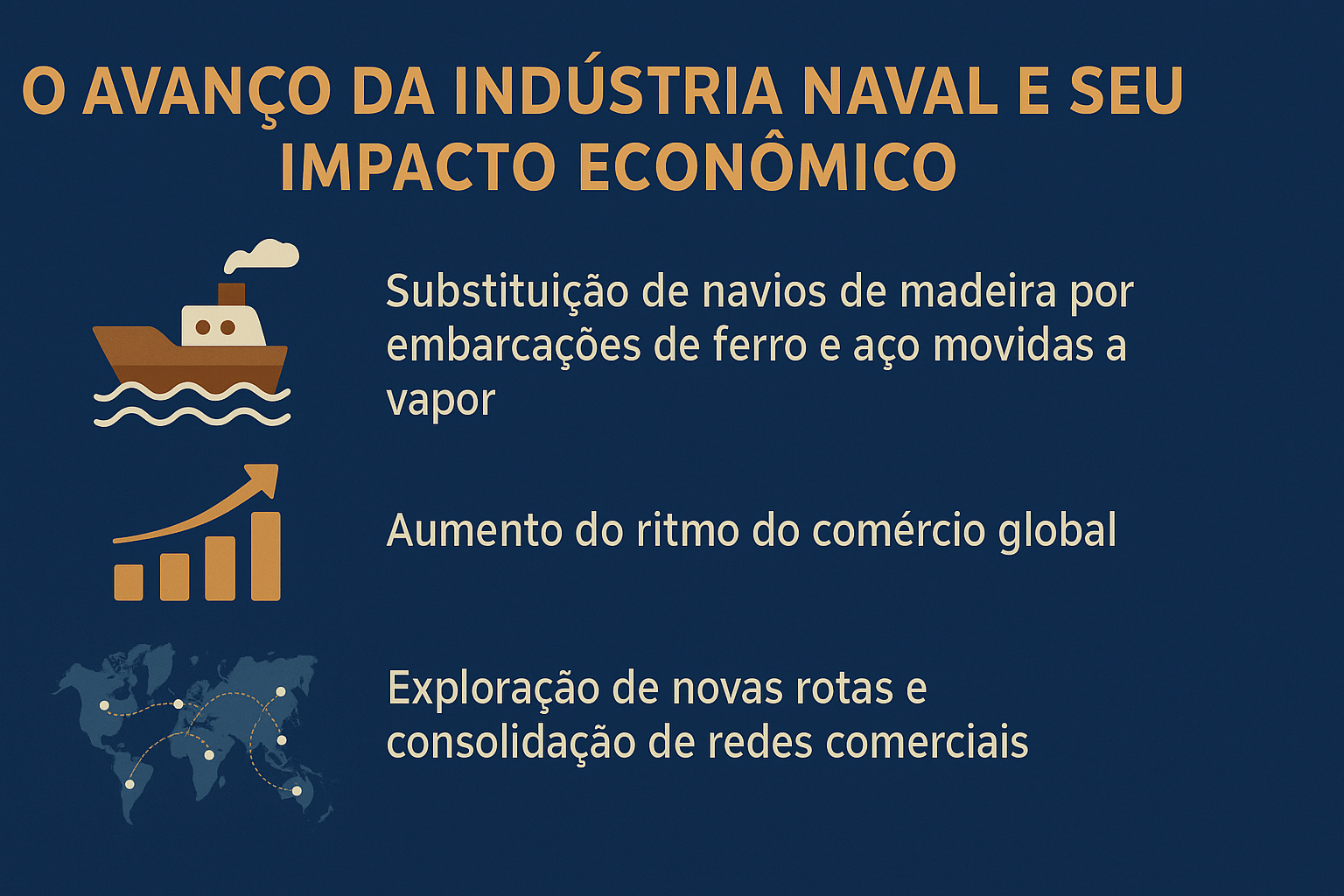
With the arrival of the Industrial Revolution, between the 18th and 19th centuries, the naval industry underwent significant transformations.
In this way, builders began to replace wooden ships with iron and steel vessels powered by steam.
Thus, the production chain of the naval industry expanded and directly influenced other segments of the economy.
This technological advancement accelerated the pace of global trade and allowed for the transportation of goods in larger volumes and more quickly.
Therefore, the ability to build larger and more resilient ships opened doors for the exploration of new maritime routes and the consolidation of more complex trade networks.
Thus, the naval industry came to occupy a central position in the economic structure of industrialized nations.
According to a report by the International Maritime Organization (IMO), maritime transport is responsible for over 80% of global trade.
The need to transport large volumes of cargo and connect continents made maritime transport the primary means of moving goods.
In this context, investments in port infrastructure, construction of cargo and tanker ships, as well as fleet modernization, proved essential to meet new global demands.
In Brazil, investments in the naval industry gained strength especially in the 1950s and 1970s, when the government encouraged the creation of shipyards and the nationalization of production.
During certain periods, the Brazilian naval industry employed hundreds of thousands of people, driving sectors such as metallurgy, engineering, and logistics.
Despite economic fluctuations and specific crises, the naval industry has shown the capacity to reinvent and adapt to market needs.
Today, the integration of technology, innovation, and investments is even stronger, creating opportunities for sustainable growth and strengthening international competitiveness.
Challenges and Long-Term Opportunities
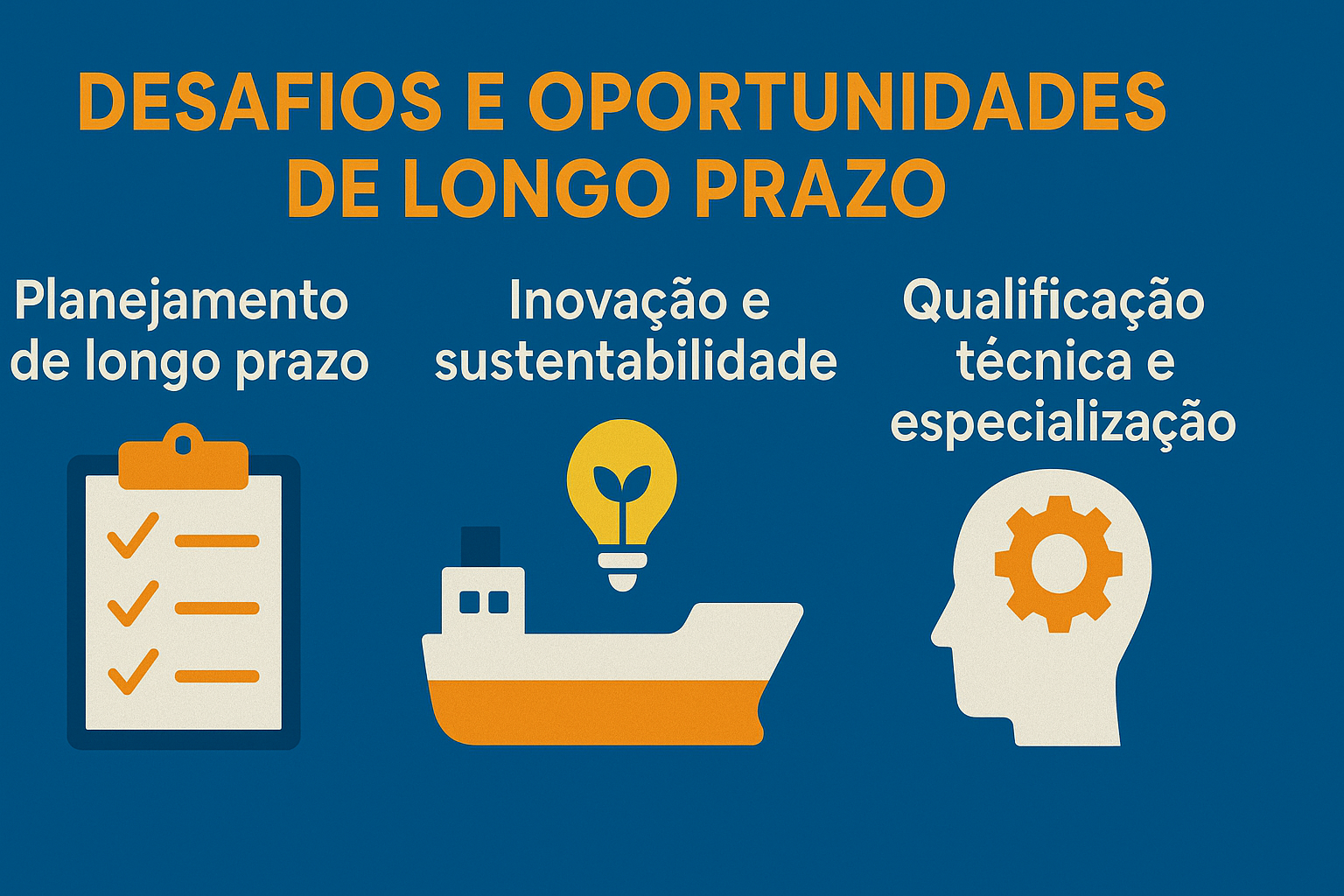
Investing in the naval industry requires long-term planning, significant resources, and political and economic stability.
Indeed, the sector often suffers impacts from economic crises, changes in government, and fluctuations in commodity prices.
Nevertheless, when structured correctly, investment in the naval industry represents a significant competitive advantage for countries, enabling strategic autonomy, increased exports, and strengthening national industry.
Currently, investments are increasingly focused on innovation and sustainability. Therefore, developing more efficient, less polluting, and technologically advanced ships has become a priority.
Additionally, the search for renewable energy sources, such as ships powered by LNG (liquefied natural gas) or electricity, integrates a new reality that requires environmental commitment without losing logistical efficiency.
This environmental concern is gaining importance, as the maritime sector accounts for a considerable share of global pollutant emissions.
Thus, investments that reduce environmental impact contribute not only to the sustainability of the planet but also to complying with international agreements that regulate trade and navigation.
Moreover, digitalization transforms the way ships are built and operated. Thus, artificial intelligence, sensors, automation, and remote monitoring systems provide greater safety, fuel economy, and predictability in operations.
These advancements require robust investments in research, workforce training, and shipyard modernization.
Human capital is also a decisive factor for the success of investments in the naval industry. Therefore, technical qualification, continuous training, and specialization of professionals ensure that the production chain keeps pace with rapid technological changes and global market demands.
According to the Ministry of Economy of Brazil, training programs and incentives for the naval industry have been reinforced since 2018, aiming to prepare professionals for these challenges.
Effects on Trade, Employment, and Regional Development
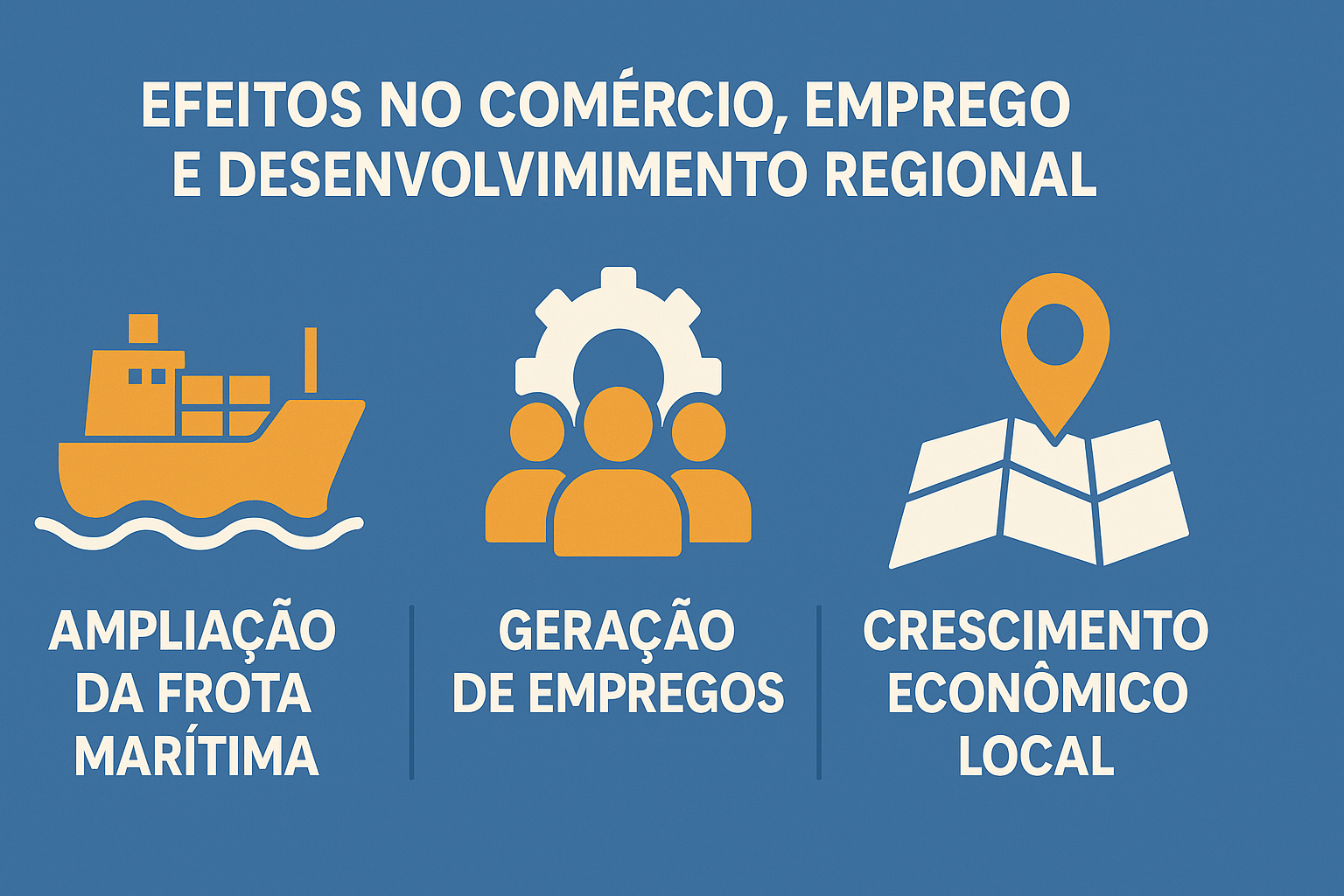
The market impact is broad. After all, each ship built or modernized mobilizes a vast chain of suppliers, generating direct and indirect jobs.
Steel industries, technology companies, naval engineering professionals, electricians, welders, and logistics operators are among those involved in this process. Additionally, ports, which receive and send goods, also benefit directly from the expansion and renewal of the maritime fleet.
Investments from the naval industry influence international trade. Larger, faster ships with higher cargo capacity reduce logistics costs and make products more competitive.
Therefore, a country with a well-structured fleet relies less on foreign companies to transport its exports, increasing its profit margin and economic independence.
From a geopolitical perspective, the naval industry plays a strategic role. Thus, robust and modern naval fleets symbolize sovereignty and power.
Many countries maintain military ships, patrol vessels, and logistics support ships to protect their maritime borders, explore areas of economic interest, and ensure international presence.
These investments, therefore, involve economic and political decisions.
Thus, the naval industry does not only connect countries through its ships; it connects economic sectors, generations of workers, and long-term strategic decisions.
Therefore, when they invest in this sector, countries also invest in their ability to navigate independently through the seas of the global economy.










Seja o primeiro a reagir!